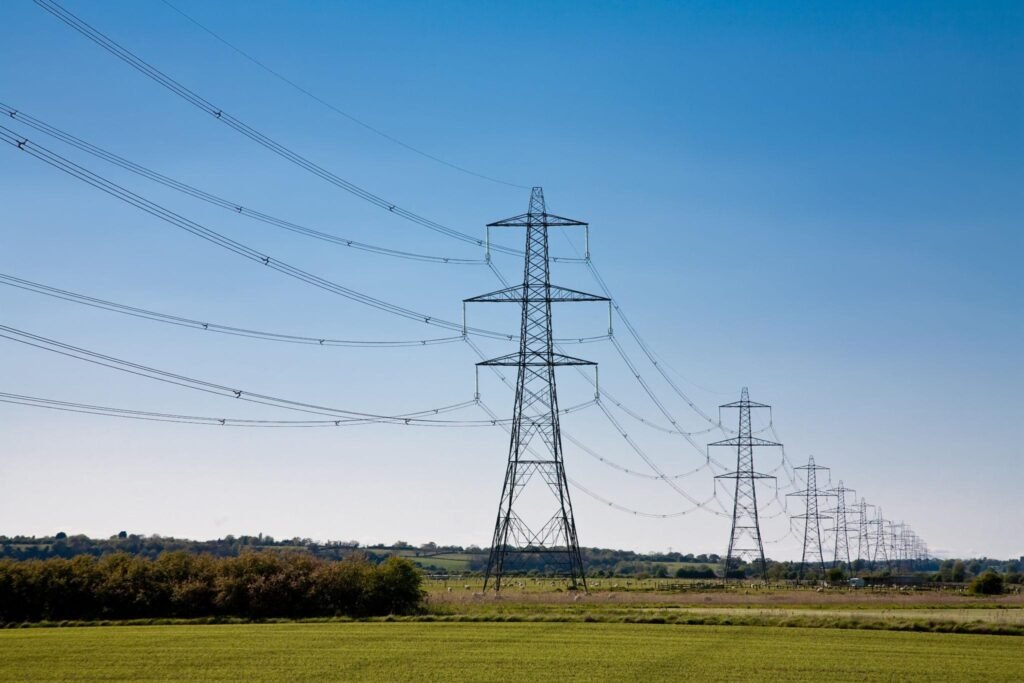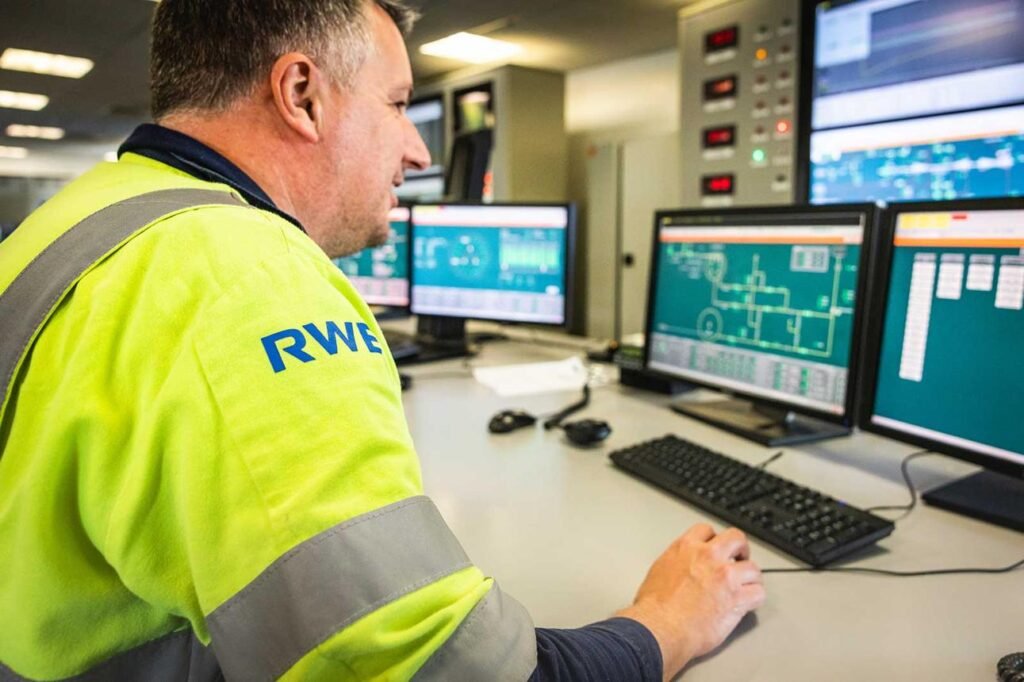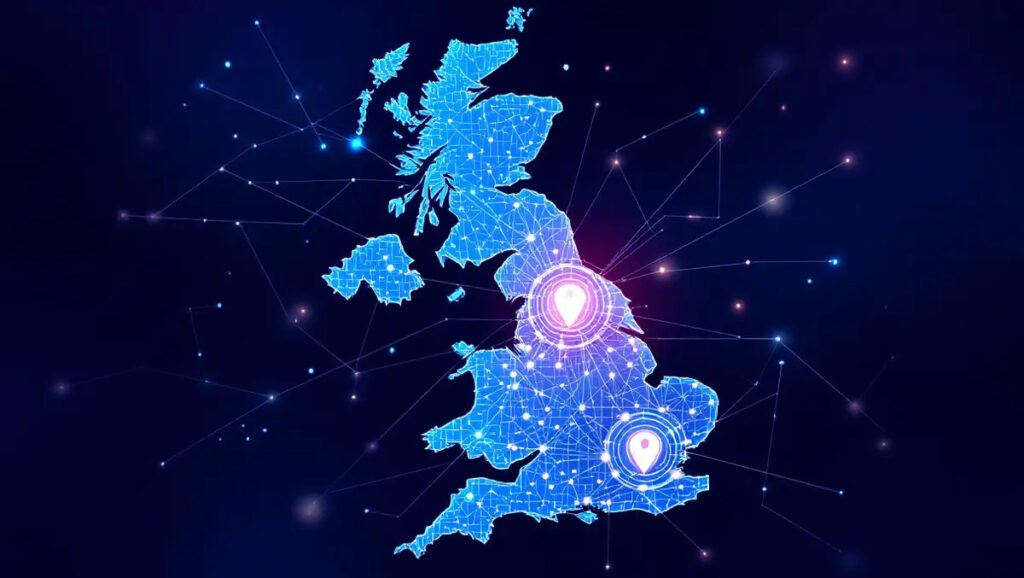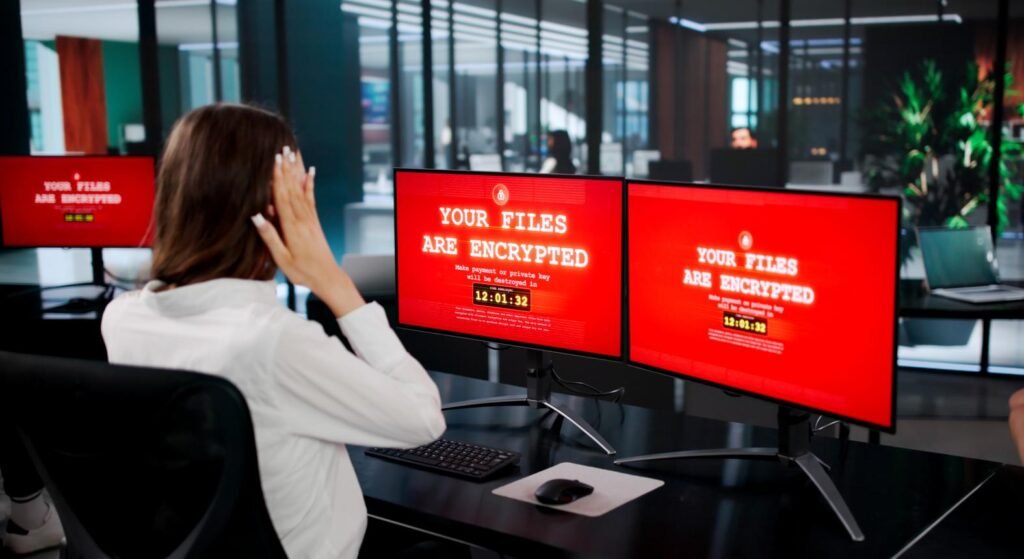
The UK’s utility sector is under growing digital pressure. Electricity networks, water companies, gas suppliers, renewable energy operators and telecommunications infrastructure are now among the most targeted industries for cyber attacks. Humanity spent decades connecting critical systems to the internet for “efficiency”, then acted surprised when hostile states, ransomware gangs and opportunistic criminals noticed the giant glowing attack surface. Exceptional planning.
What was once viewed as a niche cyber security issue has become a national security concern. British infrastructure now relies heavily on connected operational technology, cloud systems, remote monitoring, smart devices and third-party suppliers. That interconnected environment creates opportunities for attackers looking to cause disruption, steal data, extort organisations or test weaknesses in critical systems.
The rise in attacks is not happening in isolation. Geopolitical tensions, ageing infrastructure, the rapid expansion of smart technologies and the financial motivations of organised cyber crime have all contributed to the increase.
The English Utility Sector Has Become a High-Value Target
Electricity, Water and Gas Are Critical Infrastructure
The UK classifies utilities as Critical National Infrastructure (CNI). This means disruption could seriously affect public safety, economic stability and national security.
Attackers understand that utilities cannot tolerate long outages. A retailer losing access to email is inconvenient. A power operator losing visibility over grid systems during winter is an entirely different level of crisis.
That pressure makes utilities more vulnerable to ransom demands and operational sabotage attempts.

Modern Utilities Depend on Connected Systems
Traditional utility infrastructure once relied heavily on isolated systems. Many modern networks now use:
- Cloud-connected monitoring platforms
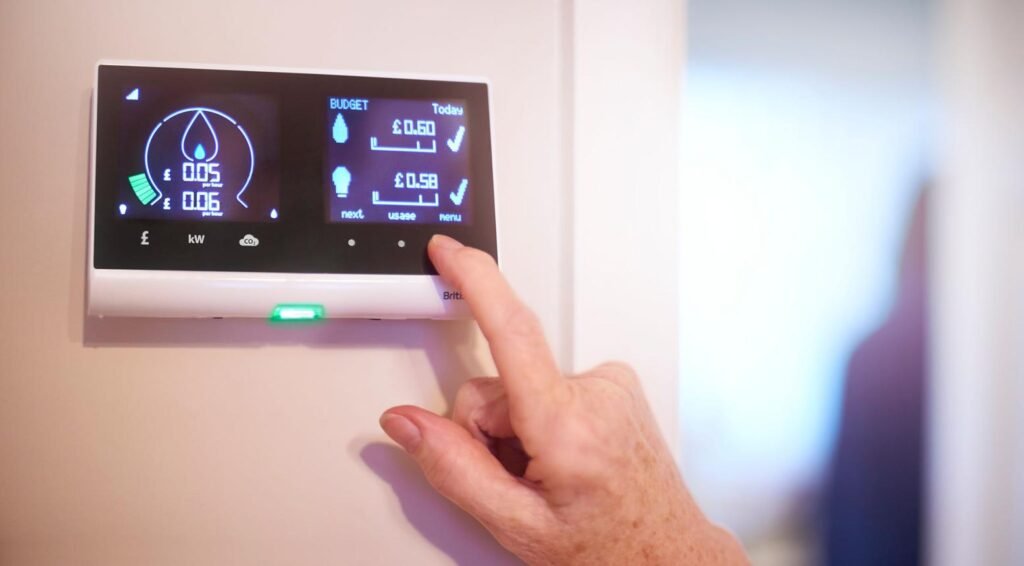
- Smart meters
- Internet-enabled sensors
- Remote maintenance tools
- Mobile workforce systems
- Third-party software integrations
- Industrial control systems connected to corporate networks
While this improves efficiency, it also creates more entry points for attackers.
The UK’s transition towards smart grids and renewable energy has expanded the digital footprint of the sector significantly.
Ransomware Groups See Utilities as Profitable Targets
Utilities Cannot Afford Long Downtime
If a manufacturing business suffers downtime, production may stop temporarily. If a water utility loses operational visibility, the consequences can affect entire communities.
That urgency makes utilities appealing ransomware targets.
Attackers know executives face immense pressure to restore systems rapidly, especially if public services are disrupted or customer data is exposed.
Real-world ransomware incidents affecting utility-related organisations globally have demonstrated how vulnerable operational systems can become when corporate IT environments are compromised first.
Double Extortion Tactics Are Increasing
Modern ransomware attacks often involve:
- Stealing sensitive data
- Encrypting systems
- Threatening public leaks
- Demanding payment for recovery
Utility companies hold valuable information including:
- Customer records
- Billing data
- Network diagrams
- Engineering documentation
- Supplier credentials
- Operational procedures
That data has value both for extortion and intelligence gathering.
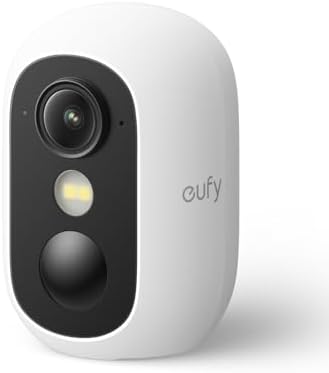
- Effortless security anywhere: Install in seconds – magnetic, hanging, screwed or on a flat surface. Compact, wireless an…
- Always bright colours, even at night: Experience vivid images, even in low light. PureColor Vision gives clear night vis…
- Quick setup with centralized management: Connect and control your devices instantly with HomeBase Mini, your smart secur…
State-Backed Threats Have Increased
Critical Infrastructure Is Strategically Important
Government agencies including the UK’s National Cyber Security Centre (NCSC) have repeatedly warned about threats targeting critical infrastructure sectors.
State-linked cyber operations may aim to:
- Gather intelligence
- Map infrastructure weaknesses
- Position malware for future disruption
- Influence political decisions
- Test defensive capabilities
In some cases, attackers may remain hidden inside networks for months.
International Conflicts Increase Cyber Risk
Global tensions have changed the cyber threat landscape dramatically.
Cyber attacks linked to geopolitical conflicts often spread beyond their intended targets. Malware designed for one region can accidentally affect organisations elsewhere, including UK operators.
The 2017 NotPetya attack demonstrated this clearly. Although initially aimed at Ukraine, the malware caused billions of pounds in global disruption, affecting logistics, shipping and operational technology worldwide.
Utilities now prepare for spillover risks even when they are not the primary target.

Ageing Infrastructure Creates Serious Weaknesses
Legacy Technology Was Not Built for Internet Threats
Older industrial control systems were designed for reliability, not cyber defence.
In many environments:
- Systems cannot easily be patched
- Software is outdated
- Devices use insecure protocols
- Security monitoring is limited
- Equipment vendors no longer exist
Replacing infrastructure is expensive and operationally risky, so organisations often continue using ageing systems longer than ideal.
Attackers actively search for these weaknesses.
Operational Technology Is Difficult to Secure
Utility environments combine IT and OT systems.
IT includes:
- Servers
- Cloud platforms
- Office devices
OT includes:
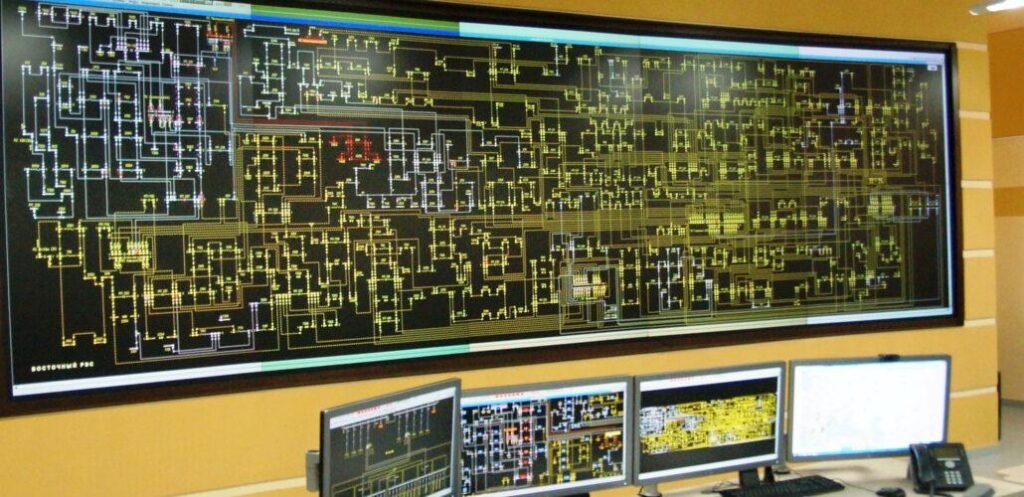
- SCADA systems
- Industrial controllers
- Pumps
- Substations
- Sensors
- Distribution management systems
OT systems frequently require continuous uptime, meaning security updates cannot always be applied quickly.
That creates long-term exposure.

Supply Chain Attacks Are Growing
Third Parties Can Become Entry Points
Utilities rely on extensive contractor and supplier ecosystems.
These include:
- Software vendors
- Engineering firms
- Maintenance providers
- Cloud service providers
- Remote monitoring companies
- Hardware manufacturers
A compromise affecting one supplier can potentially expose multiple utility operators.
The 2020 SolarWinds attack highlighted how supply chain compromises can infiltrate trusted networks through legitimate software updates.
Smaller Suppliers Often Have Weaker Security
Large utilities may invest heavily in cyber security, but smaller suppliers may lack:
- Dedicated security teams
- Advanced monitoring
- Multi-factor authentication
- Incident response capabilities
Attackers often target the weakest link in the chain.
Because apparently giving dozens of contractors privileged network access and hoping everyone behaves responsibly seemed sustainable.
Thinking about switching supplier? PowerGuardian.co.uk tracks UK energy suppliers, pricing trends and industry developments to help consumers make informed decisions.
Smart Technology Has Expanded the Attack Surface
Smart Meters and IoT Devices Increase Complexity
Millions of connected devices now exist within UK utility ecosystems.
These include:
- Smart meters
- EV chargers
- Renewable energy controllers
- Smart thermostats
- IoT sensors
- Connected substations
Each connected device potentially becomes an attack surface if poorly secured.
While most smart technologies include security protections, vulnerabilities still emerge regularly.
Remote Access Creates Additional Risks
Remote access capabilities expanded rapidly following changes in working practices and operational demands.
If poorly configured, remote access systems can expose utilities to:
- Credential theft
- Phishing attacks
- VPN exploitation
- Unauthorised access attempts
Compromised remote access credentials remain one of the most common causes of infrastructure breaches globally.
Human Error Still Plays a Major Role
Phishing Attacks Continue to Succeed
Attackers frequently use phishing emails to gain initial access.
Employees may unknowingly:
- Click malicious links
- Open infected attachments
- Reveal credentials
- Approve fake login prompts
Even highly trained organisations remain vulnerable because attackers constantly adapt their methods.
Insider Risks Cannot Be Ignored
Not all threats come from outside.
Risks may involve:
- Disgruntled employees
- Contractor negligence
- Poor password practices
- Misconfigured systems
- Accidental data exposure
Utilities operate large workforces with varying levels of technical awareness, increasing the challenge of maintaining consistent security standards.
Renewable Energy Expansion Is Changing the Threat Landscape
Decentralised Energy Systems Create More Targets
Traditional power generation relied on fewer large facilities.
Modern energy infrastructure increasingly includes:
- Wind farms
- Solar installations
- Battery storage systems
- Distributed generation networks
- Smart grid technologies
Each site introduces additional systems requiring protection.
Renewable Infrastructure Relies Heavily on Connectivity
Many renewable platforms depend on remote monitoring and automated control systems.
That connectivity improves operational efficiency but also increases cyber exposure if systems are poorly segmented or inadequately secured.
Attackers increasingly explore weaknesses in renewable infrastructure because disruption could affect energy stability during periods of high demand.

The Financial and Social Consequences Are Severe
Potential Consequences Include
- Power outages
- Water supply disruption
- Fuel distribution delays
- Customer data breaches
- Financial losses
- Environmental incidents
- Loss of public trust
- Regulatory penalties
Even limited outages can create significant public concern.
Recovery Costs Are Rising
The true cost of attacks often includes:
- Incident response
- System restoration
- Legal costs
- Regulatory investigations
- Compensation claims
- Infrastructure upgrades
- Reputation damage
For some organisations, the recovery process can take months or years.
How English Utilities Are Responding
Security Improvements Include
- Network segmentation
- Zero trust architecture
- Threat intelligence sharing
- Security operations centres
- Multi-factor authentication
- OT-specific monitoring
- Incident response exercises
- Supplier security assessments
The UK government and NCSC continue working closely with infrastructure operators to improve resilience.
Cyber Security Is Becoming a Board-Level Issue
Cyber risk is no longer viewed purely as an IT problem.
Executives increasingly recognise that cyber attacks can affect:
- Safety
- Operations
- Shareholder value
- Regulatory compliance
- National resilience
That shift is driving greater investment and oversight.
Final Thoughts
Cyber attacks targeting UK utilities are increasing because the sector has become digitally connected, operationally essential and financially valuable to attackers.
Utilities now sit at the intersection of cyber crime, geopolitics, ageing infrastructure and technological transformation. Criminal groups see financial opportunity. Nation states see strategic leverage. Researchers see vulnerabilities. Governments see growing risk.
At the same time, the UK is expanding smart infrastructure, renewable energy systems and remote operational technologies faster than many organisations can fully secure them.
The reality is that utility companies are now fighting a continuous defensive battle. Most attacks never make headlines because organisations quietly contain them before disruption spreads. The public usually only notices when something fails visibly. Beneath the surface, however, utility operators face constant probing from attackers every single day.
A comforting thought while making tea and trusting the lights stay on.
Accelerate Your Learning
We have created Professional High Quality Downloadable PDF’s at great prices for UK Businesses provided to you from our main website. Which include various helpful Cyber related documents and real world scenarios your business might experience, showing what to do and how to protect your business. Find them here.