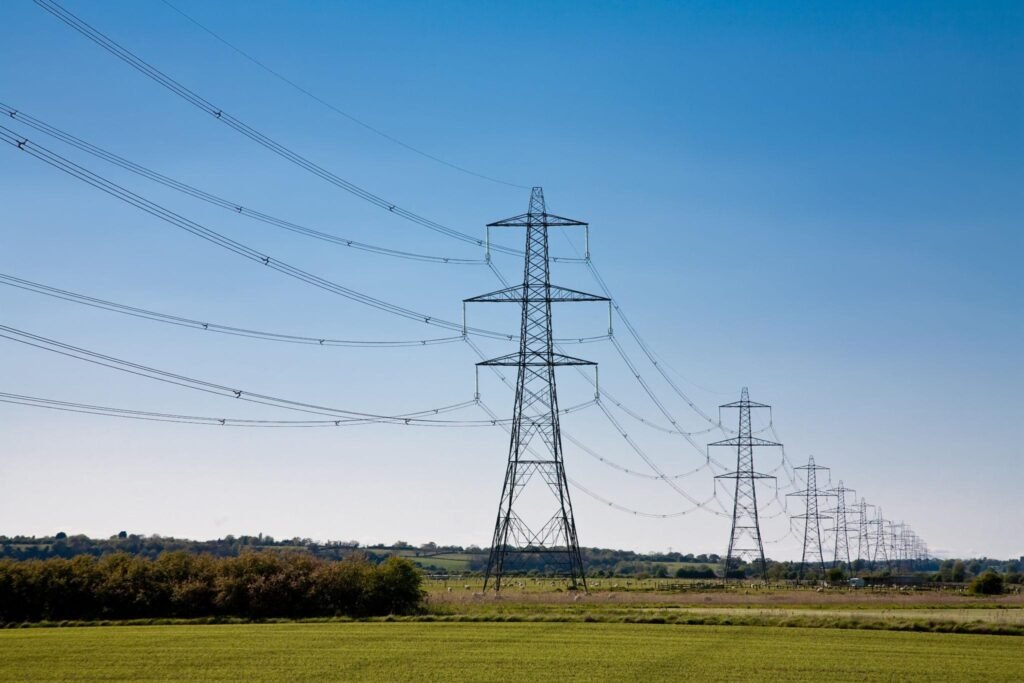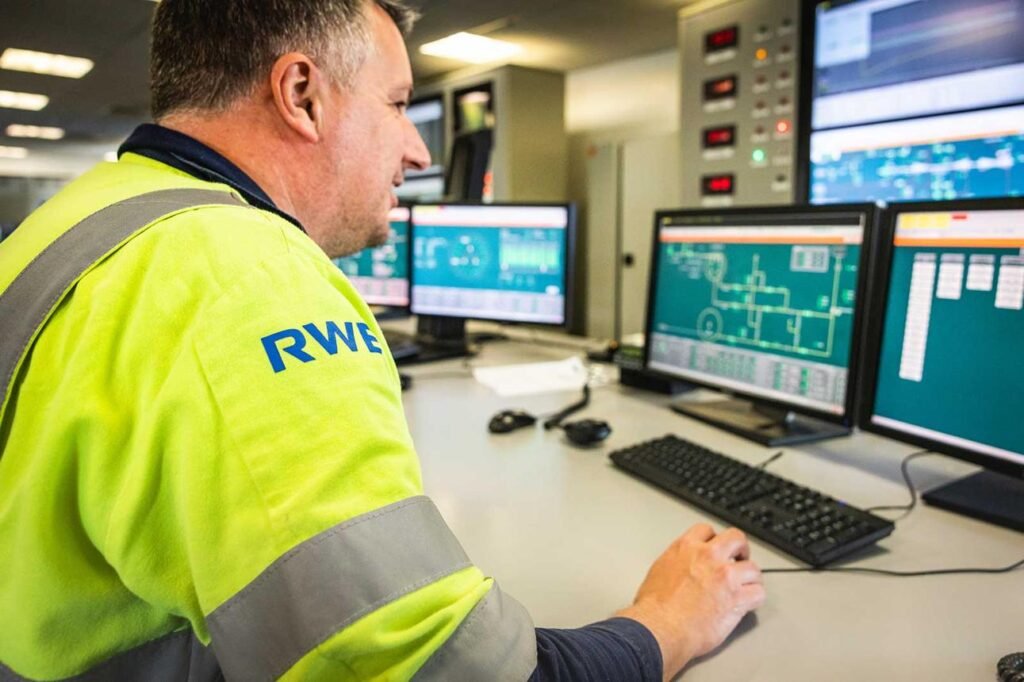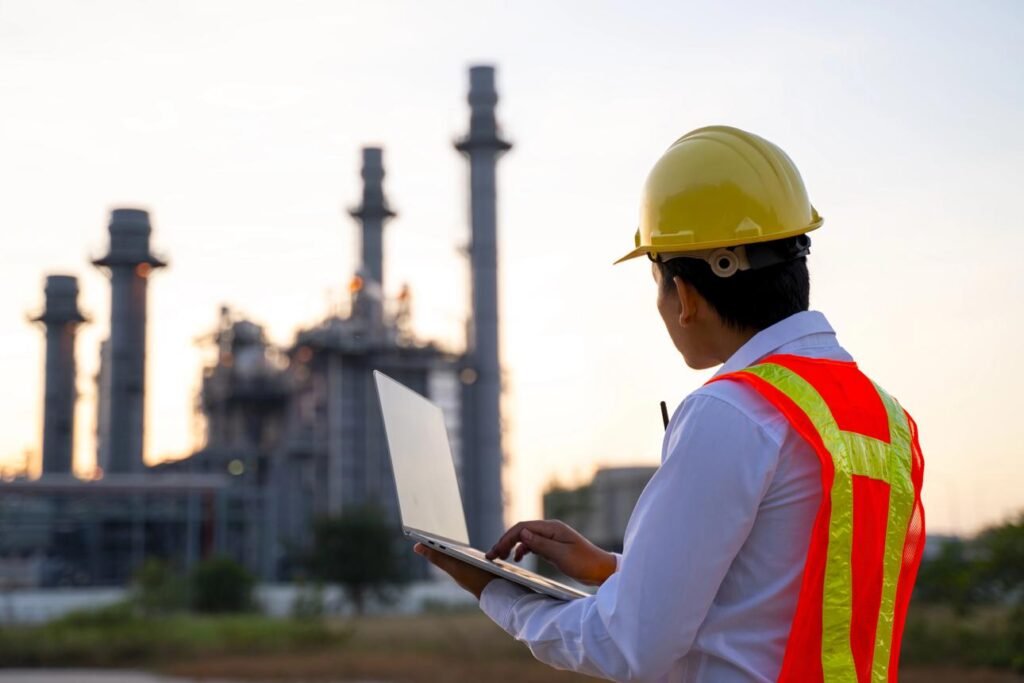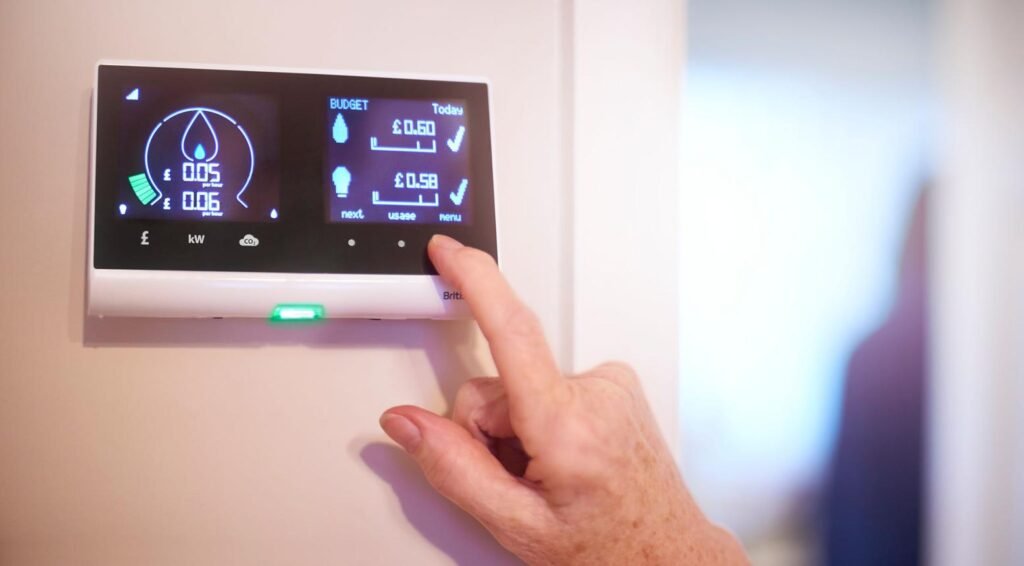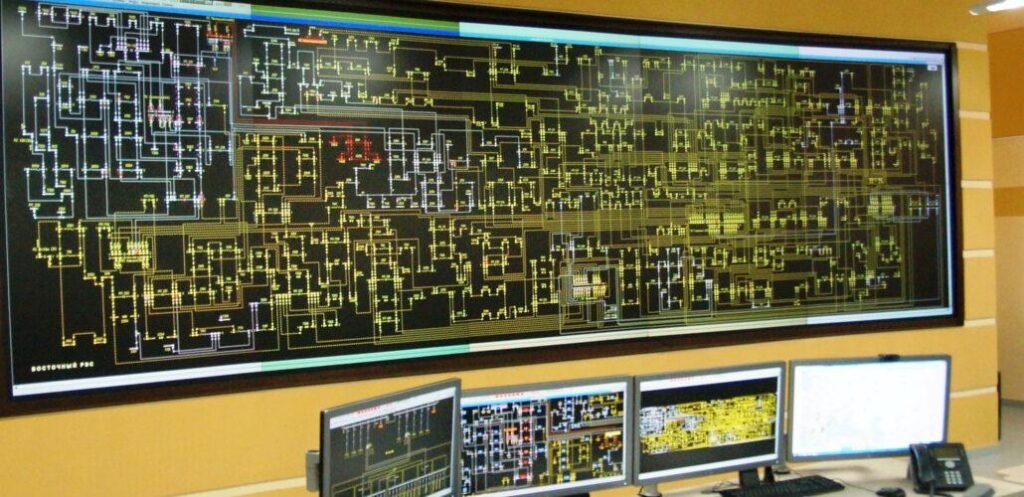
The UK’s energy sector faces a constant stream of cyber threats targeting power stations, substations, renewable energy sites, smart meters and corporate networks. Human analysts remain critical, but modern energy companies increasingly rely on artificial intelligence (AI) to identify suspicious activity far faster than traditional security systems.
As energy infrastructure becomes more connected, the volume of security data generated every second has become too large for humans alone to manage. AI helps security teams detect anomalies, identify attack patterns and respond before incidents escalate into operational disruptions.
Readers interested in the broader role of AI in infrastructure protection may also find Can AI Predict Cyber Attacks on Critical Infrastructure? useful.
Why Traditional Threat Detection Is No Longer Enough
For years, cyber security relied heavily on signature-based detection systems. These systems identify known malware, attack tools and malicious behaviours.
The problem is simple.
Modern attackers constantly modify their techniques. New ransomware variants, phishing campaigns and network attacks often bypass systems looking only for known threats.
Energy companies can generate millions of security events every day from:
- Corporate IT systems
- Industrial control systems
- Smart grid infrastructure
- Renewable energy assets
- Remote monitoring equipment
- Customer platforms
- Cloud services
AI helps filter this enormous volume of data and highlight genuine threats.

How AI Detects Unusual Behaviour
Behavioural Analysis
One of AI’s most valuable capabilities is learning what “normal” activity looks like.
For example, AI systems can learn:
- Typical employee login patterns
- Normal network traffic volumes
- Expected data transfers
- Regular equipment communications
- Standard operational processes
When behaviour suddenly changes, the system generates alerts.
Examples include:
- An engineer logging in from an unusual country
- Large amounts of customer data being downloaded
- Unexpected communications between control systems
- Access attempts outside normal working hours
Unlike traditional systems, AI does not need a known attack signature to recognise something suspicious.
AI Monitoring Within Energy Control Systems
Protecting Operational Technology
Energy companies operate industrial control systems that manage physical infrastructure.
These include:
- Power generation facilities
- Wind farms
- Solar farms
- Battery storage sites
- Electricity substations
- Grid management systems
Operational Technology (OT) environments require specialist monitoring because a successful attack could affect physical operations.
Readers interested in renewable infrastructure security may also find Could Hackers Disrupt Offshore Wind Farms?relevant.
AI analyses communication patterns between devices and identifies unusual activity that may indicate:
- Malware infections
- Insider threats
- Unauthorised remote access
- Equipment tampering
- Command manipulation attempts
Because these environments often operate continuously, AI provides around-the-clock monitoring without fatigue. Humans, meanwhile, require sleep. The attackers generally do not. An unfortunate design flaw in biology.
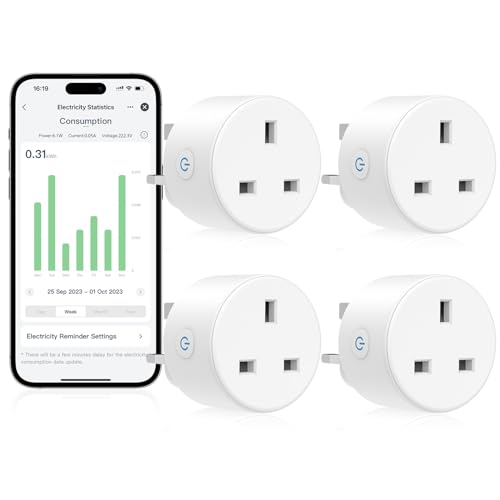
- APP Remote Control: Effortlessly manage your home appliances anytime, anywhere through the Smart Life APP. No more worry…
- Voice Control: Our smart plugs are compatible with Alexa and Google Assistant, enabling you to control your home electri…
- Energy Consumption Monitoring: This feature enables you to closely track your devices’ energy consumption. You can acces…
AI-Powered Threat Intelligence
Identifying Emerging Attacks
Energy companies subscribe to threat intelligence feeds containing information about:
- New malware
- Criminal groups
- State-sponsored actors
- Vulnerability disclosures
- Active attack campaigns
AI systems process vast quantities of intelligence far faster than human analysts.
The technology can identify:
- Similar attack techniques
- Common infrastructure targets
- Emerging malware families
- Potential risks to specific energy assets
This allows security teams to focus resources where threats are most likely to appear.
AI Detecting Insider Threats
Monitoring Privileged Access
Not all threats originate from external attackers.
Insider threats may involve:
- Disgruntled employees
- Contractors
- Third-party suppliers
- Accidental mistakes
AI can detect subtle behavioural changes such as:
- Accessing unusual systems
- Downloading excessive data
- Repeated failed login attempts
- Accessing information outside normal job responsibilities
These indicators often appear long before a serious incident occurs.
Machine Learning And Ransomware Detection
Recognising Attack Stages
Ransomware attacks rarely begin with encryption.
Attackers typically:
- Gain initial access
- Escalate privileges
- Move through networks
- Steal data
- Deploy ransomware
AI systems monitor each stage and identify suspicious behaviour before encryption begins.
This significantly improves response times.
Many modern platforms automatically isolate affected devices when high-risk activity is detected, limiting the spread of an attack.
Readers interested in the changing threat landscape may also wish to read How Are Hackers Using AI Against English Energy Firms?
AI Security For Smart Grids
Protecting Connected Infrastructure
Smart grids rely on thousands of connected devices.
These include:
- Smart meters
- Sensors
- Monitoring equipment
- Distributed energy resources
- Electric vehicle charging infrastructure
AI helps identify:
- Device compromise attempts
- Network anomalies
- Communication disruptions
- Unexpected configuration changes
This is increasingly important as renewable energy systems expand across the UK.

Can AI Respond To Threats Automatically?
Security Automation
Many energy companies now combine AI with security orchestration platforms.
These systems can automatically:
- Block malicious IP addresses
- Isolate infected devices
- Disable compromised accounts
- Prioritise security incidents
- Trigger investigations
Automation reduces the time between detection and response.
What once took hours can sometimes happen within seconds.
The Limitations Of AI Threat Detection
AI Is Not A Silver Bullet
Despite its benefits, AI has limitations.
Potential challenges include:
- False positives
- Incomplete training data
- Adversarial attacks against AI systems
- Excessive reliance on automation
- Lack of human context
The most effective security operations combine:
- AI detection
- Human analysts
- Threat intelligence
- Incident response teams
- Operational technology specialists
Energy companies that rely solely on AI risk missing complex attacks requiring human judgement.

- MULTI-LAYERED SECURITY HARDWARE: Reputation filtering (IP/DNS/URL) and SecuReporter visibility included in Entry Defense…
- OFFLINE-CAPABLE SETUP AND UPDATES: Configure via Nebula portal wizard; update firmware offline via FTP on the local netw…
- COMPACT FANLESS DESIGN: with SPI 2,000 Mbps firewall throughput, 1,000 Mbps IPS, 500 Mbps VPN, the firewall supports up …
The Future Of AI In Energy Cyber Security
AI is becoming one of the most important defensive technologies in the energy sector.
As attacks become more sophisticated, energy companies are investing heavily in machine learning, behavioural analytics and automated response capabilities.
The challenge is that attackers are also adopting AI. Security teams and cyber criminals are effectively entering an arms race powered by increasingly intelligent technology. Humanity, naturally, has decided to give both sides better tools and see what happens.
For a deeper look at this evolving battle, readers should also explore Is AI Making Cyber Attacks on Energy Companies More Dangerous? and What Are The Biggest Cyber Security Threats To UK Infrastructure?
The organisations most likely to succeed will be those that combine advanced AI-driven monitoring with skilled cyber security professionals, creating a defence strategy capable of protecting the UK’s increasingly digital energy infrastructure.