Energy suppliers hold far more information about customers than many people realise. Every time you open an account, submit a meter reading, pay a bill, use an app, or contact customer services, new information is added to your profile.
For UK energy suppliers, customer data is essential for billing, customer service, fraud prevention, regulatory compliance and managing the energy network. However, it also makes energy companies attractive targets for cyber criminals because they hold large volumes of personal and financial information.
Understanding what information is collected helps consumers make informed decisions about privacy, security and how their data is used.
Basic Personal Information
When you open an energy account, suppliers typically collect your core personal details.
This usually includes:
- Full name
- Home address
- Billing address
- Email address
- Telephone numbers
- Date of birth (sometimes)
- Account numbers
- Occupancy information
These details are necessary for identifying customers and managing accounts.
Many suppliers also record whether a customer is a homeowner, tenant or landlord because this can affect billing and account management.

Billing and Payment Information
Energy suppliers hold extensive financial records relating to customer accounts.
Direct Debit Details
Many suppliers store:
- Bank account numbers
- Sort codes
- Direct Debit instructions
- Payment schedules
These details are typically handled under strict banking security standards.
Payment History
Suppliers maintain records showing:
- Previous bills
- Payments received
- Missed payments
- Refunds
- Credit balances
- Debt repayment arrangements
Some companies retain payment histories for years due to financial and regulatory requirements.

- Installs in circuit panel of most small businesses with clamp-on sensors. Supports Single phase, Single-split phase, and…
- 24/7 Energy Management and Monitoring: Automate and monitor your business’ real power anywhere, anytime to prevent costl…
- Lower Your Electric Bill: Configure settings in the Emporia Energy App to automate energy management for time of use, pe…
Meter Information
Every property connected to the gas or electricity network has associated meter data.
Suppliers typically store:
- Meter serial numbers
- Meter point administration numbers (MPANs)
- Meter point reference numbers (MPRNs)
- Installation dates
- Meter type
- Meter location
This information helps suppliers identify exactly where energy is being delivered.
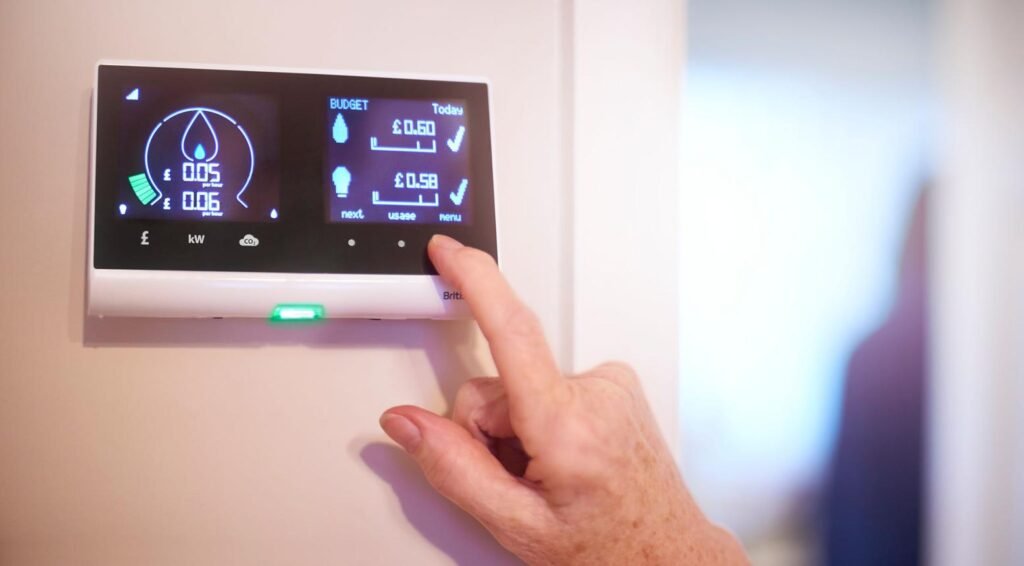
Smart Meter Data
Smart meters significantly increase the amount of information available to suppliers.
Energy Usage Patterns
Depending on customer settings, smart meters can provide:
- Half-hourly electricity usage
- Daily consumption
- Monthly consumption
- Peak usage periods
- Seasonal trends
This allows suppliers to understand how and when households consume energy.
For example, suppliers may be able to identify whether energy use spikes in the morning, evening or overnight.
See the Smart Meter Guide UK at powerguardian.co.uk – Everything you need to know about smart meters, estimated bills, real-time energy usage, Economy 7 tariffs, smart tariffs and potential savings.

What Smart Meter Data Can Reveal
Although suppliers cannot see exactly which appliances are being used, usage patterns can reveal surprising insights.
Researchers have shown that energy consumption data can indicate:
- When occupants are home
- When properties are vacant
- Sleep and wake patterns
- Electric vehicle charging behaviour
- Heating schedules
This is one reason why smart meter data is subject to strict privacy controls under UK data protection laws.
Communications and Customer Service Records
Every interaction with your supplier can generate data.
Phone Calls
Many suppliers record customer service calls.
Records may include:
- Call recordings
- Call duration
- Notes made by staff
- Complaint history
- Resolution actions
Emails and Online Chats
Suppliers often retain:
- Email correspondence
- Webchat conversations
- Complaint submissions
- Support tickets
These records help resolve disputes and improve customer service.
Credit and Financial Assessments
Some suppliers conduct checks when customers apply for certain tariffs or payment arrangements.
Data may include:
- Credit reference information
- Payment risk assessments
- Debt collection activity
- Vulnerability indicators
In the UK, suppliers must comply with regulations governing how credit information is collected and processed.
Vulnerability Information
Energy companies may hold sensitive information about vulnerable customers.
Examples include:
- Medical equipment dependency
- Disability-related support requirements
- Priority Services Register status
- Communication preferences
- Accessibility needs
This information helps suppliers provide additional support during power outages or emergencies.
Because it is particularly sensitive, it receives enhanced protection under UK data protection requirements.
- Learning function
Property and Energy Consumption Data
Suppliers often maintain records relating to the property itself.
Property Characteristics
Information may include:
- Property type
- Number of occupants
- Heating fuel type
- Solar panel installations
- Battery storage systems
- Electric vehicle ownership
This data can support tariff recommendations and energy efficiency programmes.
Consumption History
Many suppliers keep years of historical usage data.
This allows them to:
- Forecast future demand
- Recommend tariffs
- Identify unusual usage patterns
- Detect potential meter issues
Website and Mobile App Data
Modern energy suppliers increasingly operate through digital platforms.
As a result, they collect information such as:
- Login activity
- Device information
- Browser details
- IP addresses
- App usage statistics
- Website behaviour
Like many businesses, suppliers use cookies and analytics tools to improve online services.
Data Shared with Third Parties
Energy suppliers do not operate in isolation.
Customer information may be shared with:
- Network operators
- Meter operators
- Billing providers
- Credit reference agencies
- Debt recovery agencies
- Government schemes
- Regulators
Sharing is generally governed by contractual obligations and UK data protection laws.
Real-World Cyber Security Risks
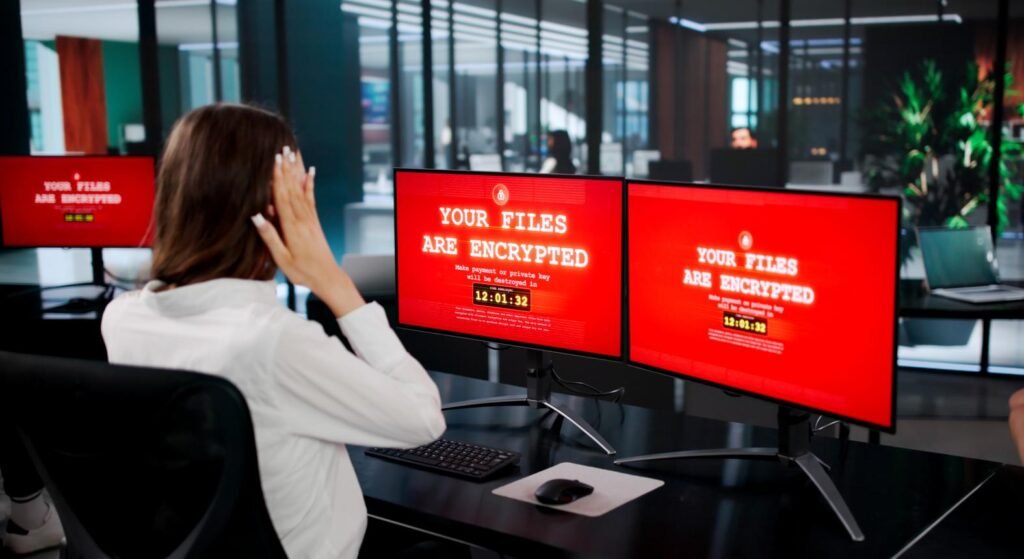
The sheer volume of information held by energy companies makes them valuable targets for cyber criminals.
British Gas Data Exposure Concerns
Over the years, energy suppliers across the UK have experienced incidents involving customer account security, phishing campaigns and attempted data theft.
Cyber criminals are particularly interested in:
- Personal identities
- Banking information
- Contact details
- Account credentials
These can be used for fraud, identity theft or highly convincing phishing attacks.
International Utility Sector Attacks
Globally, utility companies have repeatedly been targeted by sophisticated cyber groups seeking both customer data and operational information.
The energy sector is now considered one of the most targeted critical infrastructure industries worldwide.

How Long Do Energy Suppliers Keep Customer Data?
Retention periods vary depending on the type of information.
Suppliers may keep records for:
- Regulatory compliance
- Tax requirements
- Legal disputes
- Fraud prevention
- Audit purposes
In many cases, billing and account records are retained for several years after an account closes.
Thinking about switching supplier? PowerGuardian.co.uk tracks UK energy suppliers, pricing trends and industry developments to help consumers make informed decisions.
What Rights Do Customers Have?
Under the UK General Data Protection Regulation (UK GDPR) and the Data Protection Act 2018, customers have several rights.
These include:
- Accessing their personal data
- Correcting inaccurate information
- Requesting deletion where appropriate
- Restricting processing
- Objecting to certain uses of data
- Receiving copies of their data
Customers can submit a Subject Access Request (SAR) to obtain information held about them.
Are Energy Suppliers Collecting Too Much Data?
Most of the information collected serves legitimate operational purposes. Suppliers need accurate data to bill customers, manage networks and comply with regulations.
However, the growth of smart meters, mobile apps and digital services means energy companies now hold more detailed information about household behaviour than ever before.
The challenge for the industry is balancing innovation and convenience with privacy and cyber security.
For consumers, the key takeaway is simple: your energy supplier likely knows far more than just how much electricity or gas you use. They may hold years of billing records, smart meter readings, communication histories, payment information and detailed account activity.
As cyber threats continue to grow, protecting that data has become just as important as keeping the lights on.
References
- Information Commissioner’s Office (ICO)
- National Cyber Security Centre (NCSC)
- Ofgem
- Smart Energy GB
- UK GDPR Guidance
Accelerate Your Learning
We have created Professional High Quality Downloadable PDF’s at great prices for UK Businesses. Which include various helpful Cyber related documents and real world scenarios your business might experience, showing what to do and how to protect your business. Find them here.