The short answer is: every day.
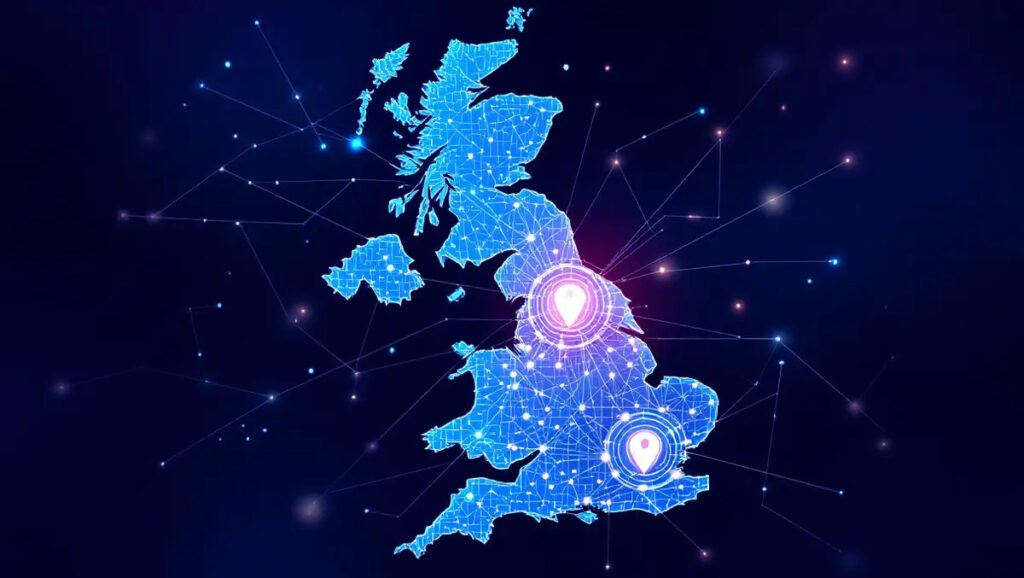
Energy companies are among the most frequently targeted organisations in the world. From electricity generators and National Grid operators to gas suppliers, wind farms and smart meter networks, the energy sector sits near the top of the target list for cybercriminals, nation-state attackers and hacktivist groups.
The reason is simple. Modern society depends on energy. If attackers can disrupt electricity, gas supplies or fuel distribution, the impact extends far beyond the energy company itself. Homes, hospitals, businesses, transport systems and government services can all be affected.
According to UK government and industry reports, cyber attacks against critical national infrastructure, including energy, have increased significantly over the past decade. Most attacks never make headlines because they are detected and blocked before causing major disruption.
Why Energy Companies Are Constantly Under Attack
Energy companies present an attractive target for several reasons:
- They operate critical infrastructure.
- Many systems run 24 hours a day.
- Operational technology (OT) networks often contain older equipment.
- They hold valuable customer and financial data.
- A successful attack can generate significant publicity.
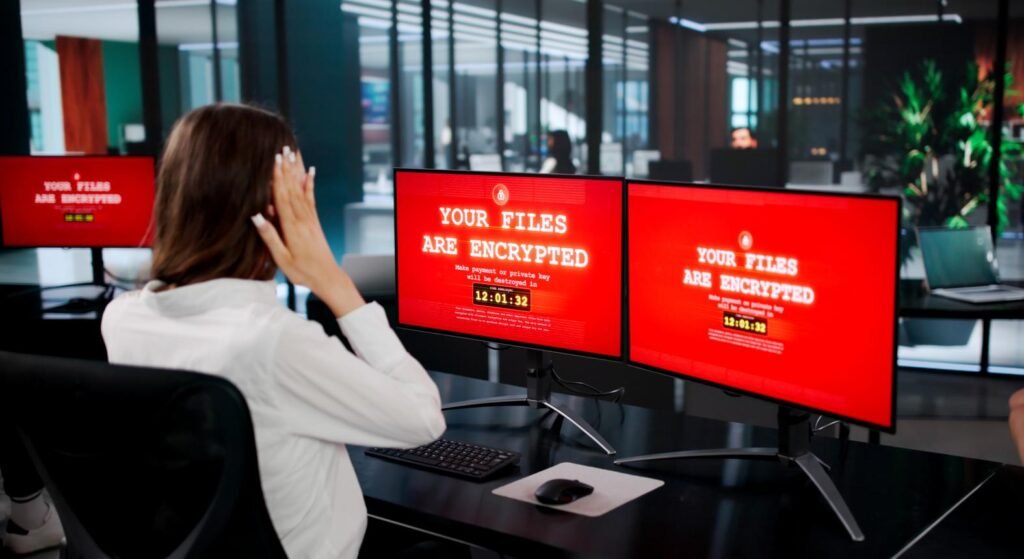
Criminal groups see energy firms as potential ransomware victims.
Hostile states see them as strategic targets.
Hacktivists see them as symbols of government and corporate power.
Unfortunately, modern energy systems combine traditional industrial control systems with internet-connected technology, creating more opportunities for attackers.

- Installs in circuit panel of most small businesses with clamp-on sensors. Supports Single phase, Single-split phase, and…
- 24/7 Energy Management and Monitoring: Automate and monitor your business’ real power anywhere, anytime to prevent costl…
- Lower Your Electric Bill: Configure settings in the Emporia Energy App to automate energy management for time of use, pe…
How Many Attacks Do Energy Companies Face?
Thousands of Daily Attempts
Large energy providers typically experience:
- Thousands of suspicious events every day
- Hundreds of automated scans
- Numerous phishing attempts against employees
- Continuous probing of internet-facing systems
Most attacks are automated rather than targeted.
Attackers use software that constantly scans the internet looking for vulnerable systems. Energy companies are scanned repeatedly because attackers know valuable assets may be exposed.
A major UK or European energy provider can see millions of connection attempts each month, the vast majority of which are blocked automatically.
Most Attacks Never Reach the News
The public usually hears only about attacks that:
- Cause disruption
- Lead to data theft
- Trigger regulatory reporting
- Affect customers
For every publicly reported incident, there are often thousands of unsuccessful attempts that remain invisible to customers.
What Types of Hackers Target Energy Companies?
Cyber Criminals
These groups are usually motivated by money.
Their objectives include:
- Ransomware attacks
- Customer data theft
- Financial fraud
- Extortion
They often target suppliers, contractors and smaller energy firms because security may be weaker than at larger operators.
Nation-State Attackers
Government-backed groups are considered one of the biggest threats.
Their objectives may include:
- Intelligence gathering
- Strategic positioning
- Disruption capabilities
- Preparation for future conflict
Rather than causing immediate damage, these attackers often spend months quietly inside networks gathering information.
Hacktivists
Hacktivists target organisations for political or environmental reasons.
Objectives may include:
- Website defacement
- Data leaks
- Public embarrassment
- Service disruption
Energy firms involved in controversial projects can become particularly attractive targets.
Real-World Examples of Energy Sector Cyber Attacks
Ukraine Power Grid Attack (2015)
The most famous energy cyber attack occurred in Ukraine.
Attackers successfully infiltrated electricity distribution systems and disconnected power supplies to hundreds of thousands of customers.
It became the first publicly confirmed cyber attack to cause a large-scale electricity blackout.
The incident demonstrated that cyber attacks can move beyond data theft and directly affect physical infrastructure.

Colonial Pipeline Attack (2021)
The attack against Colonial Pipeline disrupted fuel distribution across the eastern United States.
Although the attackers targeted business systems rather than operational controls, the company shut down operations as a precaution.
The result was fuel shortages, panic buying and significant economic disruption.
The incident showed how cyber attacks can create real-world consequences even when attackers never directly access industrial systems.
European Energy Companies Targeted During Geopolitical Tensions
Since the Russian invasion of Ukraine, energy organisations across Europe have reported increased levels of cyber activity.
Security agencies have repeatedly warned that energy infrastructure remains a high-priority target for hostile actors seeking strategic influence.
Are UK Energy Companies Specifically Targeted?
Yes, Because the UK Operates Critical National Infrastructure
The UK’s energy sector forms part of the nation’s Critical National Infrastructure (CNI).
This includes organisations involved in:
- Electricity generation
- Electricity transmission
- Electricity distribution
- Gas production
- Gas transportation
- Renewable energy generation
- Nuclear power
Entities such as National Grid, ScottishPower, EDF Energy and other major operators invest heavily in cybersecurity because of the importance of their services.
Government agencies regularly conduct resilience exercises to test cyber incident response capabilities.
Thinking about switching supplier? PowerGuardian.co.uk tracks UK energy suppliers, pricing trends and industry developments to help consumers make informed decisions.
How Often Do Hackers Successfully Breach Energy Companies?
Much Less Frequently Than They Attempt To
This is an important distinction.
Attack attempts occur constantly.
Successful compromises are far rarer.
Most major energy organisations employ:
- Security Operations Centres (SOCs)
- 24-hour monitoring
- Threat intelligence teams
- Incident response teams
- Network segmentation
- Multi-factor authentication
- Industrial cybersecurity specialists
These defences stop the vast majority of attacks.
However, attackers only need one mistake, one unpatched system or one successful phishing email to gain a foothold.
Why Renewable Energy Creates New Cybersecurity Challenges
The energy sector is becoming increasingly digital.
Modern infrastructure includes:
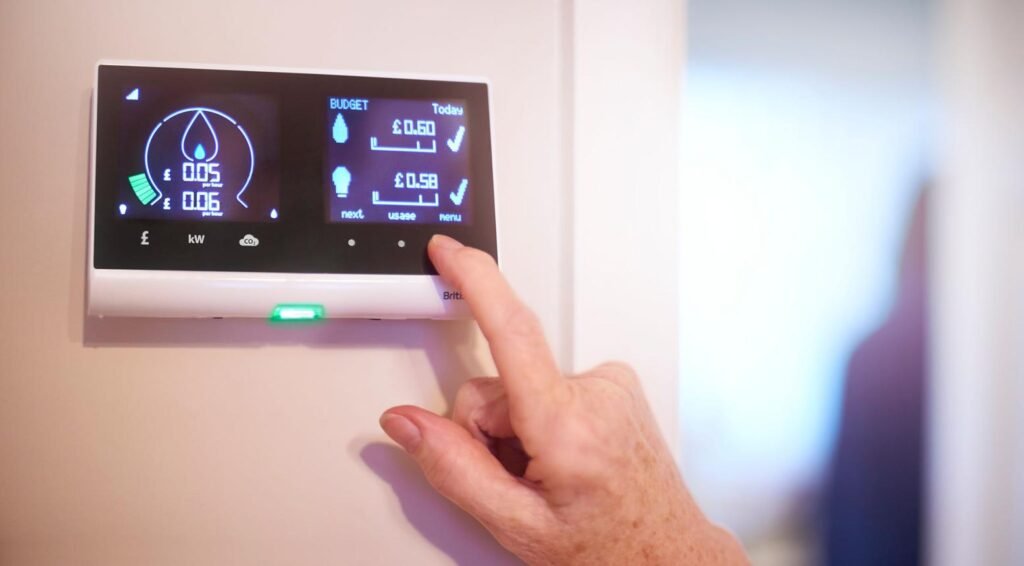
- Smart meters
- Solar farms
- Wind farms
- Battery storage systems
- EV charging networks
- Internet-connected monitoring systems
Each connected device creates another potential entry point.
As the UK’s renewable energy capacity expands, cybersecurity requirements become more complex.
Protecting a traditional power station is challenging enough.
Protecting thousands of connected devices spread across the country creates an entirely different security problem.

What Would Happen If a Major UK Energy Company Was Hacked?
The outcome would depend on the attack type.
Possible consequences include:
Customer Data Theft
Attackers could steal:
- Names
- Addresses
- Billing information
- Account details
Ransomware Disruption
Business operations could be temporarily disrupted while systems are restored.
- SAVES ENERGY AND HEATING COSTS: With the intelligent heater thermostat X from tado°, the experts for smart heating, user…
- EASY DIY INSTALLATION, EVEN OFFLINE: The included adapter allows the thermostat to be fitted to almost every radiator va…
- CONTROL VIA APP: The thermostat has numerous features for your heating system, such as smart scheduling, temperature con…
Operational Impact
In a worst-case scenario, attackers could interfere with industrial systems controlling electricity or gas infrastructure.
This is considered much harder to achieve because operational technology networks are typically protected separately from corporate IT systems.
Public Confidence Damage
Even a limited attack can damage trust and affect a company’s reputation.
How Is The UK Protecting Its Energy Sector?
Several organisations help defend the UK’s energy infrastructure.
These include:
- National Cyber Security Centre
- Department for Energy Security and Net Zero
- Ofgem
- Energy industry cybersecurity teams
- Intelligence agencies and law enforcement
Security requirements continue to evolve as threats become more sophisticated.
The focus has shifted from preventing every attack to ensuring organisations can quickly detect, contain and recover from incidents.
The Reality: Energy Companies Are Under Constant Attack
The image many people have is that hackers occasionally decide to attack an energy company.
The reality is far more serious.
Energy companies are probed, scanned and targeted continuously. Most attacks are automated and unsuccessful. Some are financially motivated. Others may be linked to geopolitical tensions and long-term intelligence gathering.
For UK energy companies, cyber attacks are no longer viewed as an occasional risk. They are treated as a permanent operational reality.
The good news is that major energy operators invest heavily in cybersecurity, and most attacks are detected before causing harm. The challenge is that as energy networks become smarter, more connected and increasingly digital, the number of potential attack routes continues to grow.
In the modern energy sector, cybersecurity is no longer just an IT issue. It has become a fundamental part of keeping the lights on.
Accelerate Your Learning
We have created Professional High Quality Downloadable PDF’s at great prices for UK Businesses provided to you from our main website. Which include various helpful Cyber related documents and real world scenarios your business might experience, showing what to do and how to protect your business. Find them here.