The English energy sector is becoming smarter, more connected, and more dependent on digital systems every year. Unfortunately, cyber criminals are evolving just as quickly. Artificial intelligence is now helping attackers launch more convincing phishing scams, faster ransomware attacks, and automated intrusions against critical infrastructure.
The question is no longer whether the English energy sector faces cyber threats. The real question is whether it is prepared for AI-driven cyber attacks that are becoming increasingly sophisticated and harder to detect.
What Are AI-Driven Cyber Attacks?
Artificial Intelligence Is Changing Cyber Crime
Traditional cyber attacks often relied heavily on manual work from hackers. Criminals had to write phishing emails themselves, search networks manually, and spend time finding vulnerabilities.
AI changes that dramatically.
Attackers can now use artificial intelligence to:
- Generate realistic phishing emails
- Mimic writing styles of company employees
- Analyse weaknesses automatically
- Create adaptive malware
- Scan thousands of systems rapidly
- Produce deepfake voices and videos
- Automate large-scale cyber campaigns
This makes attacks faster, cheaper, and more convincing.
Humanity looked at artificial intelligence and collectively decided the best use was automated fraud and digital sabotage. A deeply reassuring direction for civilisation.

- AI-POWERED TRANSCRIPTION & MULTI-DIMENSIONAL SUMMARIES: Plaud Note Pro is your professional voice transcriber, deliverin…
- ENHANCED CONTEXT WITH MULTIMODAL INPUT: Capture audio, type notes, add images, and press to highlight key moments for ri…
- CHAT WITH YOUR RECORDINGS USING “ASK Plaud”: Unlock deeper insights with this interactive AI. Ask questions, extract key…
Why The UK Energy Sector Is A Prime Target
Critical Infrastructure Faces Growing Pressure
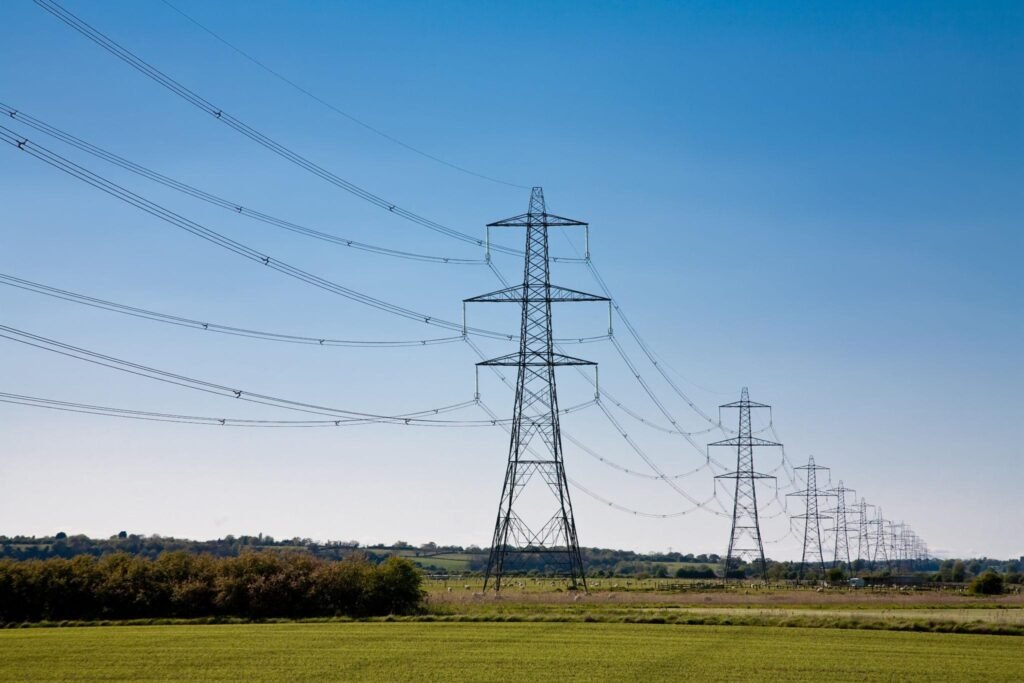
The UK energy sector is classed as Critical National Infrastructure (CNI). This includes:
- Electricity generation
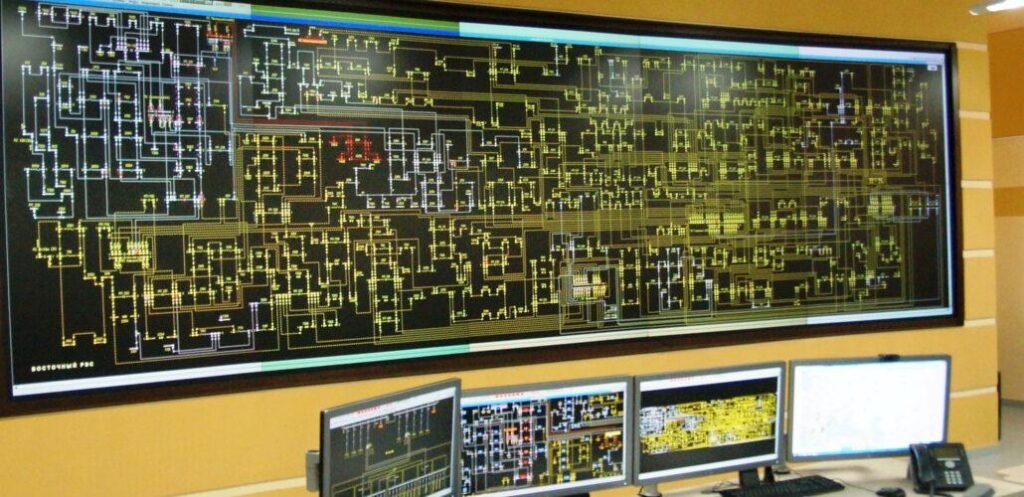
- National Grid operations
- Gas supply systems
- Oil infrastructure
- Offshore wind farms
- EV charging networks
- Smart grids
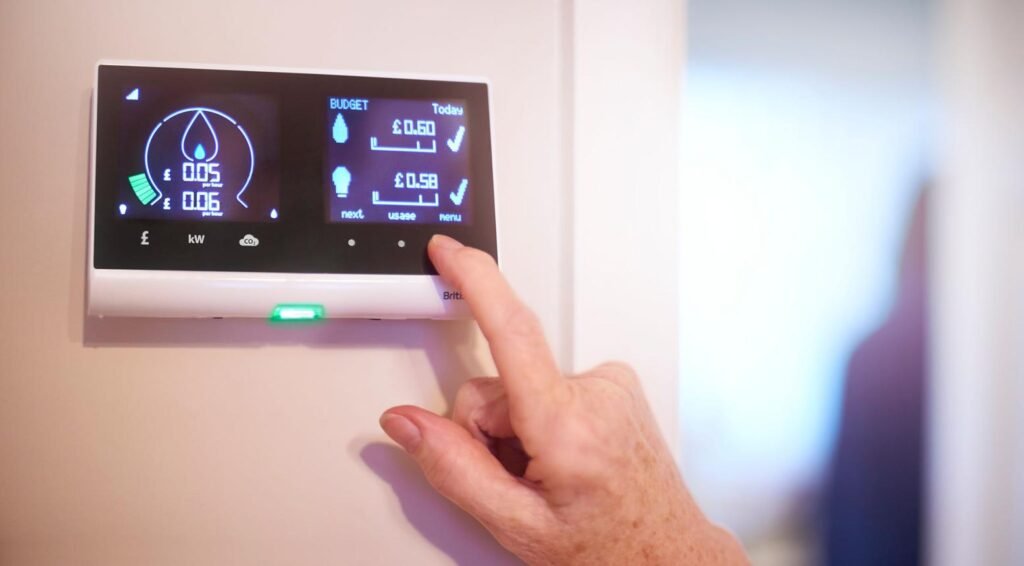
- Smart meters
If these systems are disrupted, the effects can spread rapidly across the country.
Transport systems, hospitals, banking services, communications, and water infrastructure all depend on stable electricity and digital operations.
Cyber criminals and hostile states see energy infrastructure as attractive because attacks can:
- Cause public disruption
- Create political pressure
- Generate ransom payments
- Damage economies
- Attract major media attention

Why AI Makes Cyber Attacks More Dangerous
AI-Generated Phishing Is Becoming Extremely Convincing
Phishing remains one of the biggest cyber risks for energy companies.
Older phishing emails were often poorly written and relatively easy to identify. AI tools can now generate professional, personalised messages in near-perfect English.
Attackers targeting UK energy firms could use AI to:
- Impersonate executives
- Copy internal communication styles
- Create fake supplier requests
- Send realistic emergency alerts
- Mimic trusted contractors
This dramatically increases the chances of employees being deceived.
Deepfake Technology Is Creating New Risks
AI-generated voice cloning and deepfake technology are also becoming major concerns.
There have already been global cases where criminals used cloned executive voices to authorise fraudulent payments.
In the energy sector, deepfake attacks could potentially be used to:
- Impersonate senior engineers
- Request emergency operational changes
- Trick staff into bypassing procedures
- Manipulate suppliers or contractors
Traditional phone verification methods may become increasingly unreliable as AI improves.

How Vulnerable Is The UK Energy Sector?
The UK Has Improved Its Defences
The UK has invested heavily in cyber security across critical infrastructure.
Organisations such as the National Cyber Security Centre (NCSC), National Grid, Ofgem, and the Department for Energy Security and Net Zero all play roles in improving resilience.
The sector now benefits from:
- Security regulations
- Incident response planning
- Threat intelligence sharing
- Regular cyber exercises
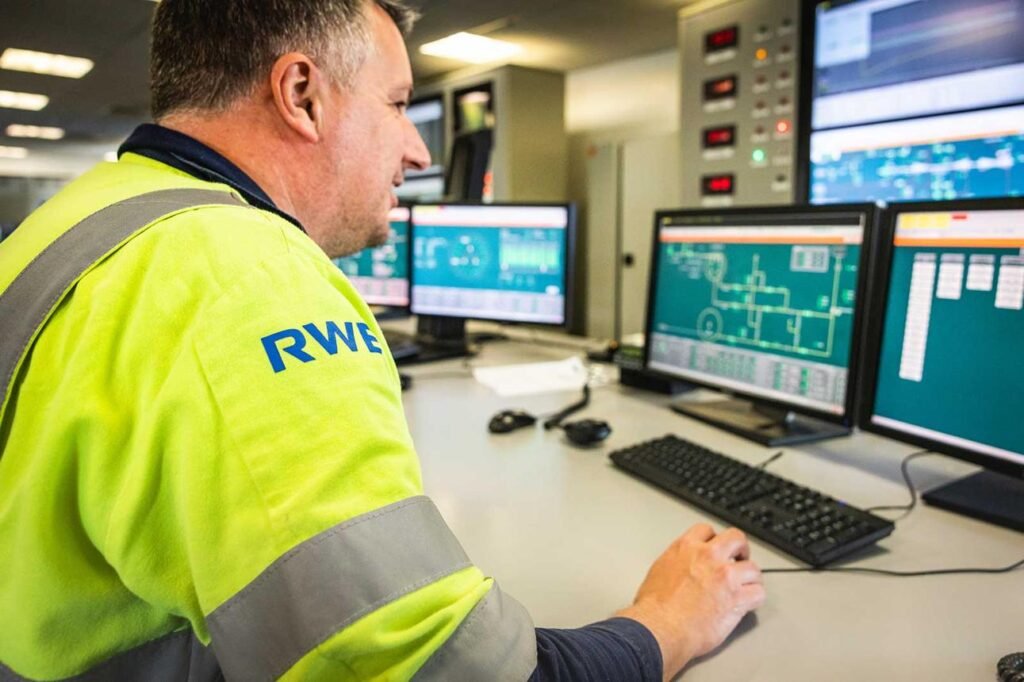
- Operational monitoring
- Supply chain assessments
The NCSC has repeatedly warned that hostile states actively probe UK infrastructure systems.
Legacy Infrastructure Remains A Serious Weakness
One of the biggest problems is ageing infrastructure.
Some energy systems still rely on:
- Old operating systems
- Unsupported hardware
- Legacy industrial technology
- Long equipment replacement cycles
Replacing these systems is difficult and expensive because energy networks cannot simply shut down for upgrades.
This creates an uncomfortable reality where modern AI-powered threats are targeting infrastructure that was never designed for today’s internet-connected environment.
Quite a few industrial systems were designed in an era when “cyber security” meant putting the office computer behind a locked door and hoping nobody touched it.

Real World Examples Show The Threat Is Serious
Colonial Pipeline Attack
In 2021, the Colonial Pipeline ransomware attack in the United States caused major fuel disruption across several regions.
Although operational systems were not directly compromised, the company shut pipeline operations down as a precaution.
The consequences included:
- Fuel shortages
- Panic buying
- Supply chain disruption
- Economic damage
The incident demonstrated how cyber attacks can quickly affect daily life.
Ukraine Power Grid Cyber Attacks
Ukraine has experienced multiple cyber attacks targeting electricity infrastructure.
These attacks showed that:
- Power systems can be disrupted remotely
- Industrial systems are vulnerable
- Cyber warfare can directly target civilians
The incidents became a warning sign for Western governments and utility providers.
UK Energy Companies Face Constant Attacks
UK energy organisations routinely face:
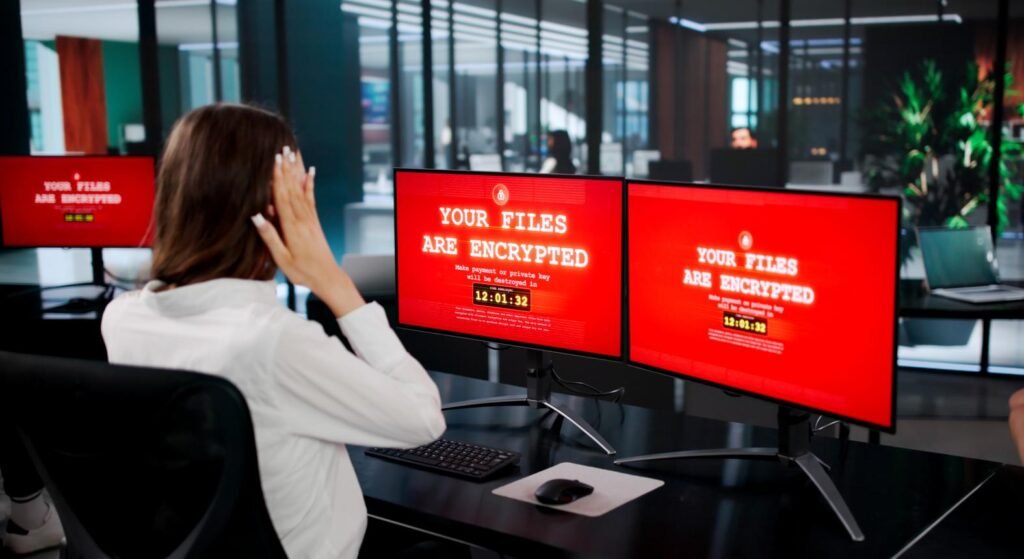
- Ransomware attempts
- Credential theft
- Phishing campaigns
- Supply chain attacks
- Vulnerability scanning
Many attacks are never publicly disclosed in detail for security reasons.

Are Smart Grids And Smart Meters Increasing Cyber Risks?
Connectivity Creates More Attack Surfaces
The UK energy system is becoming increasingly connected through:
- Smart meters
- EV charging systems
- Remote monitoring
- Cloud platforms
- Renewable energy management tools
- Internet-connected devices
While this improves efficiency, it also increases the number of possible entry points for attackers.
Every connected device becomes part of the wider cyber security challenge.
Thinking about switching supplier? PowerGuardian.co.uk tracks UK energy suppliers, pricing trends and industry developments to help consumers make informed decisions.
Smart Meters Include Security Features
UK smart meters do contain:
- Encryption
- Authentication controls
- Secure communication systems
However, no technology is entirely risk-free.
Researchers have previously warned about:
- Firmware vulnerabilities
- Supply chain weaknesses
- Backend infrastructure exposure
- Misconfiguration risks
The concern is often not one individual smart meter, but the wider interconnected systems behind them.
Is AI Also Helping Defenders?
AI Is Improving Cyber Defence
Artificial intelligence is also helping security teams detect attacks faster.
Energy companies increasingly use AI for:
- Threat detection
- Behaviour analysis
- Automated monitoring
- Malware identification
- Network anomaly detection
- Incident response
AI can identify suspicious behaviour far quicker than humans manually reviewing logs.
Human Expertise Still Matters
Despite the excitement around AI, experienced cyber professionals remain essential.
Energy firms still need:
- Skilled analysts
- Incident response teams
- Operational engineers
- Strong procedures
- Employee training
- Network segmentation
- Backup and recovery systems
AI is a tool, not a magical shield against cyber crime. If anything, AI is mostly accelerating the existing arms race between attackers and defenders while everyone pretends they are comfortably in control.
Supply Chain Attacks May Be The Biggest Risk
Third-Party Suppliers Create Vulnerabilities
Modern energy companies depend heavily on external suppliers and contractors.
This includes:
- Software vendors
- Cloud providers
- Engineering contractors
- Remote maintenance companies
- Managed IT providers
Attackers increasingly target smaller suppliers because they often have weaker security controls.
Once compromised, suppliers can become entry points into larger critical infrastructure organisations.
This makes supply chain security one of the hardest challenges facing the energy sector.

Could AI-Driven Cyber Attacks Cause UK Blackouts?
A Full National Blackout Would Be Difficult
Completely shutting down the Englsih electricity grid through cyber attacks would be extremely difficult.
The UK energy network includes:
- Redundancy systems
- Backup controls
- Manual operations
- Segmented infrastructure
- Emergency response plans
However, regional disruption is much more realistic.
Potential impacts could include:
- Localised outages
- Fuel distribution problems
- EV charging failures
- Billing system disruption
- Renewable energy instability
Even relatively short outages could create major economic and public disruption.
- Centralized Data Storage – Consolidate all your data for complete data ownership and multi-platform access
- Sharing and Syncing Across Systems – Access, share, and sync data across different systems and devices using intuitive c…
- Powerful Backup and Restoration – Back up and restore critical devices and data using a host of intuitive backup tools
What The UK Energy Sector Still Needs To Improve
Faster Infrastructure Modernisation
Many organisations still need to replace:
- Unsupported software
- Legacy industrial systems
- Weak remote access tools
Better Employee Training
Staff need regular training to recognise:
- AI-generated phishing emails
- Social engineering attacks
- Deepfake scams
- Credential theft attempts
Stronger Operational Technology Security
Industrial systems such as SCADA environments require specialist cyber security approaches that differ from normal office IT protection.
Greater Investment
Cyber resilience requires ongoing investment in:
- Monitoring systems
- Skilled cyber professionals
- Incident response capabilities
- Recovery planning
- Continuous testing
Final Verdict
The UK energy sector is significantly more prepared for cyber threats than it was ten years ago, but AI-driven attacks are evolving rapidly.
Large energy operators understand the risks and are investing heavily in cyber resilience. The UK also benefits from strong organisations such as the National Cyber Security Centre and well-established critical infrastructure protections.
However, major weaknesses still remain:
- Legacy infrastructure
- Supply chain vulnerabilities
- Increasing connectivity
- Skills shortages
- Slow upgrade cycles
- AI-enhanced phishing and deepfake attacks
The uncomfortable reality is that defenders must protect every vulnerable system, while attackers only need one successful opening.
AI is accelerating both cyber attacks and cyber defence simultaneously. The organisations that modernise infrastructure, train staff properly, and continuously test their resilience are likely to cope best in the years ahead.
Those relying purely on outdated systems and compliance paperwork may eventually discover that cyber criminals are not especially respectful of quarterly board meetings or policy documents.
English References
National Cyber Security Centre (NCSC)
Department for Energy Security and Net Zero
International Energy Agency (IEA)
IBM X-Force Threat Intelligence
World Economic Forum Cybersecurity Reports
Accelerate Your Learning
We have created Professional High Quality Downloadable PDF’s at great prices for UK Businesses provided to you from our main website. Which include various helpful Cyber related documents and real world scenarios your business might experience, showing what to do and how to protect your business. Find them here.