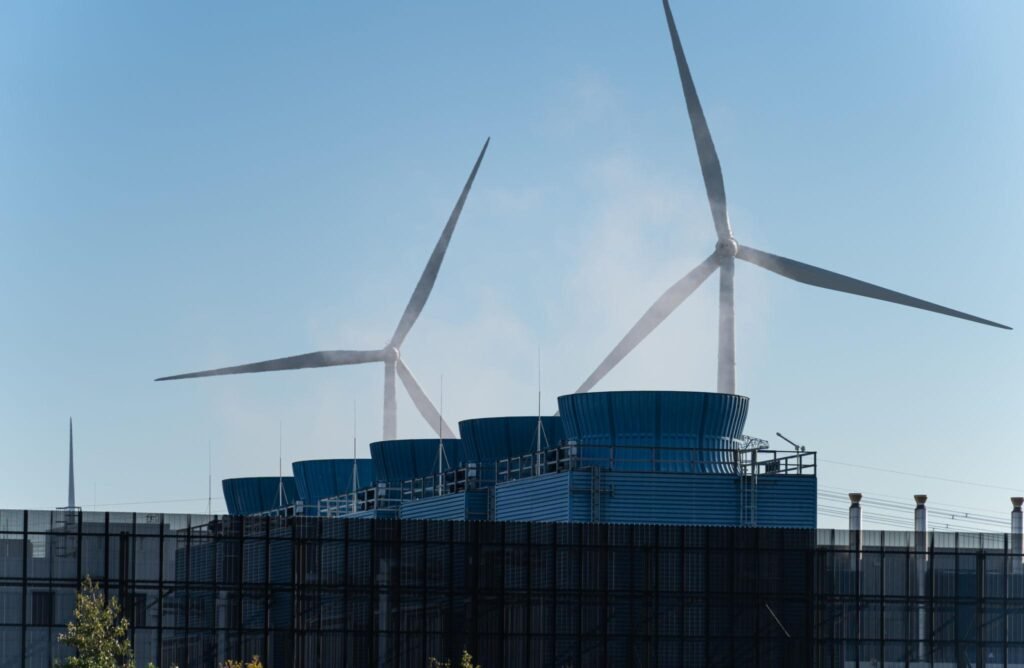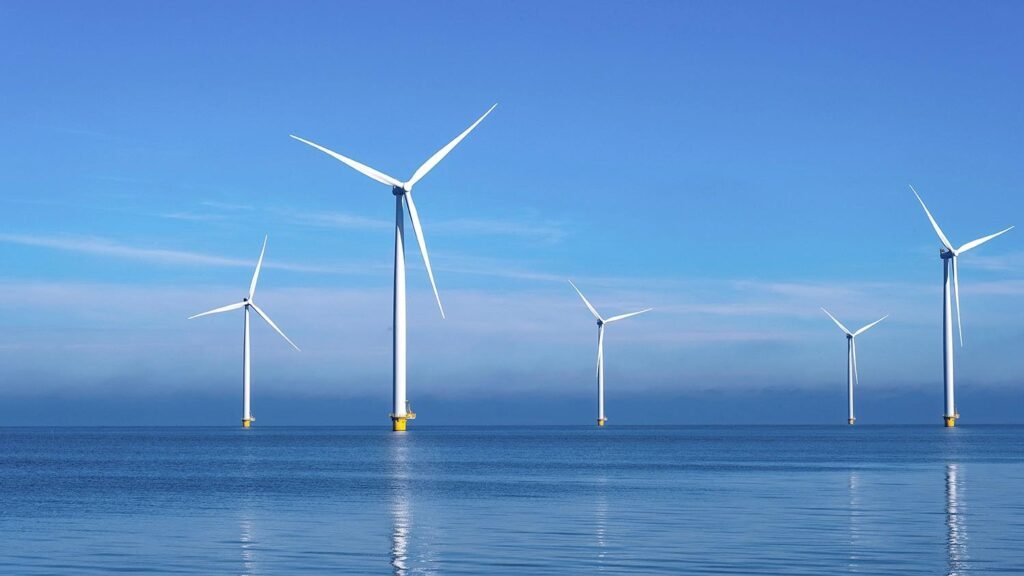
Wind farms are often viewed as clean, modern energy infrastructure, but they are also highly connected digital systems. Modern wind turbines rely on software, sensors, remote monitoring platforms, communications networks and industrial control systems to operate efficiently.
This means wind farms can become targets for cyber attacks.
The good news is that hacking a wind farm is significantly more difficult than the dramatic Hollywood-style scenarios often portrayed in films. However, cyber security experts, governments and energy companies increasingly recognise wind farms as part of the UK’s critical national infrastructure, making them attractive targets for cyber criminals, hostile states and hacktivist groups.
Why Wind Farms Are Vulnerable To Cyber Attacks
Modern wind farms are not simply collections of spinning turbines.
Each turbine contains:
- Industrial control systems (ICS)
- Supervisory Control and Data Acquisition (SCADA) systems
- GPS positioning technology
- Remote management software
- Network communications equipment
- Cloud-connected monitoring platforms
- Predictive maintenance systems
Operators often manage hundreds of turbines remotely from a central control centre.
While this improves efficiency, it creates potential attack surfaces that hackers could attempt to exploit.
How Wind Turbines Communicate
Remote Monitoring Systems
Wind farm operators constantly collect information including:
- Wind speed
- Turbine output
- Blade performance
- Mechanical faults
- Maintenance requirements
- Grid connection status
Data is transmitted between turbines, substations and control centres.
If communication systems are poorly secured, attackers could potentially gain access to parts of the operational network.
Third-Party Software Risks
Many wind farms depend on equipment and software supplied by multiple vendors.
This creates supply-chain security challenges.
A vulnerability in one supplier’s software may provide an entry point into a larger operational environment.
This is one reason why articles such as How Often Are Energy Companies Targeted By Hackers? have become increasingly relevant across the UK energy sector.

- Custom three-capsule array: This professional microphone produces clear, powerful, broadcast-quality sound for YouTube v…
- Blue VO!CE software: Elevate your streamings and recordings with clear broadcast vocal sound and entertain your audience…
- Four pickup patterns: Flexible cardioid, omni, bidirectional, and stereo pickup patterns allow you to record in ways tha…
What Could Hackers Actually Do?
Many people imagine hackers causing turbines to explode or collapse. Reality is usually less dramatic, though still potentially serious.
Disrupt Operations
Attackers may attempt to:
- Shut down turbines
- Disable monitoring systems
- Prevent operators accessing controls
- Interrupt communications
- Create operational confusion
A coordinated attack could reduce electricity generation from a wind farm.
Manipulate Data
Attackers might alter operational information.
Examples include:
- Falsified maintenance alerts
- Incorrect performance readings
- Hidden equipment faults
- False alarm conditions
This could lead to poor operational decisions or delayed maintenance.
Deploy Ransomware
Ransomware remains one of the most significant threats facing energy infrastructure.
Attackers could encrypt business systems and demand payment to restore access.
Several energy companies worldwide have experienced ransomware incidents affecting operations, administration and customer services.
Attack Supporting Infrastructure
In many cases, supporting systems are more vulnerable than turbines themselves.
Targets may include:
- Corporate networks
- Email systems
- Cloud services
- Engineering workstations
- Supplier portals
This mirrors concerns explored in Are UK Energy Suppliers Prepared For Cyber Attacks?

Have Wind Farms Ever Been Hacked?
Germany’s Satellite Incident
One widely reported example occurred in 2022 when a cyber attack affecting satellite communications disrupted remote monitoring capabilities for thousands of wind turbines across Germany.
The turbines continued generating power, but operators temporarily lost visibility and management functions.
The incident demonstrated how attacks against supporting communications infrastructure can affect renewable energy assets.
European Energy Sector Attacks
European energy organisations have increasingly reported cyber intrusion attempts linked to:
- State-sponsored actors
- Criminal ransomware groups
- Espionage campaigns
- Infrastructure reconnaissance operations
While attackers often focus on intelligence gathering rather than physical disruption, the threat continues to grow.
Could Hackers Cause Physical Damage?
Theoretical Risk
Industrial control systems can potentially be manipulated if attackers gain sufficient access.
In theory, attackers might attempt to:
- Override safety settings
- Change operational parameters
- Increase mechanical stress
- Trigger abnormal operating conditions
Real-World Barriers
Fortunately, modern wind farms typically include multiple safety protections:
- Mechanical brakes
- Emergency shutdown systems
- Independent safety controllers
- Physical fail-safe mechanisms
- Segregated operational networks
These safeguards make catastrophic outcomes far less likely.
Could A Wind Farm Cyber Attack Affect The UK Grid?
The answer depends on scale.
A single wind farm outage would generally have limited impact because the UK electricity system contains multiple sources of generation.
However, coordinated attacks against multiple energy assets could create wider challenges.
This is why Could A Cyber Attack Cause UK Blackouts? has become a growing concern among cyber security professionals and government agencies.
The UK’s electricity network is designed with resilience and redundancy to reduce these risks.
Why Nation States Are Interested In Energy Infrastructure
Energy infrastructure represents a strategic target.
Hostile states may seek to:
- Gather intelligence
- Test capabilities
- Prepare future attack options
- Create economic disruption
- Influence political decisions
Wind farms, solar farms, substations and grid operators increasingly form part of the broader cyber battlefield.
This is also why discussions around What Are The Biggest Cyber Security Threats To UK Infrastructure? continue to focus heavily on the energy sector.

How Wind Farm Operators Defend Against Cyber Threats
Network Segmentation
Critical operational systems are separated from business networks.
This helps prevent attackers moving between environments.
Continuous Monitoring
Security teams monitor:
- Network traffic
- User activity
- Unusual behaviour
- Malware indicators
- External threats
Multi-Factor Authentication
Remote access systems increasingly require additional authentication controls.
Security Testing
Operators conduct:
- Penetration testing
- Vulnerability assessments
- Incident response exercises
- Red-team simulations
Regulatory Compliance
UK energy operators must comply with various security requirements designed to protect critical infrastructure.
These include cyber resilience frameworks, industry standards and government guidance.

- 【OBSBOT × EWC 2025 Official Partnership】OBSBOT is thrilled to be the 2025 Esports World Cup (EWC) Official Camera & Webc…
- 【OBSBOT Tiny 2 – New Era of Webcam】Our 4K Webcam is equipped with 1/1.5″ CMOS Sensor, which is the largest and most adva…
- 【Superior AI-Tracking, Up 4 Tracking Modes】Our Tracking Webcam has fully upgraded the AI algorithm to make the auto-trac…
Offshore Wind Farms Face Additional Challenges
Offshore installations introduce further complications.
Remote Locations
Turbines may be located many miles from shore.
This increases reliance on:
- Satellite communications
- Wireless links
- Remote maintenance systems
Complex Supply Chains
Offshore projects often involve international suppliers and contractors.
Each connection creates another potential cyber security consideration.
Related Resource: Cyber threats increasingly affect the energy sector. For broader coverage of UK energy markets, pricing and industry developments, visit PowerGuardian.co.uk.
The Future Cyber Threat To Wind Energy
As wind farms become more automated and interconnected, cyber security will become increasingly important.
Emerging technologies include:
- Artificial intelligence
- Digital twins
- Predictive analytics
- Autonomous maintenance systems
- Cloud-based operational platforms
While these innovations improve efficiency, they also expand the attack surface available to determined adversaries.
Final Thoughts
Yes, wind farms can be hacked, at least in theory and under certain circumstances. However, the reality is far more complex than simply taking control of a turbine from a laptop in a dark room, which remains a surprisingly persistent fantasy despite decades of evidence to the contrary.
The greatest risks usually involve operational disruption, ransomware, espionage and attacks against supporting infrastructure rather than dramatic physical destruction.
As the UK continues expanding renewable energy generation, protecting wind farms from cyber threats will remain a major priority for operators, regulators and national security agencies. The cleaner the energy becomes, the more digital it becomes, and humans have a remarkable habit of connecting everything to a network and then acting surprised when someone tries to access it.