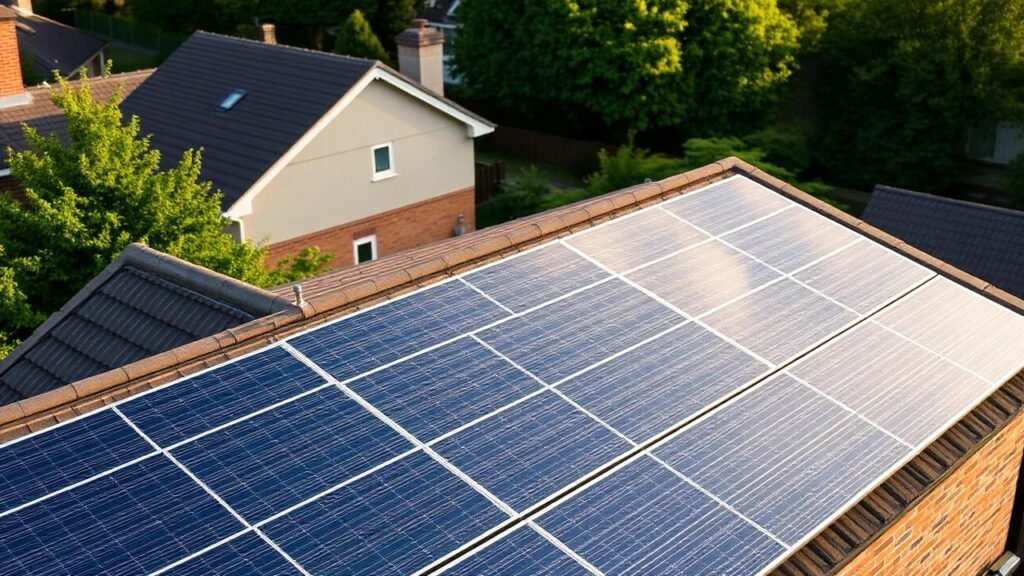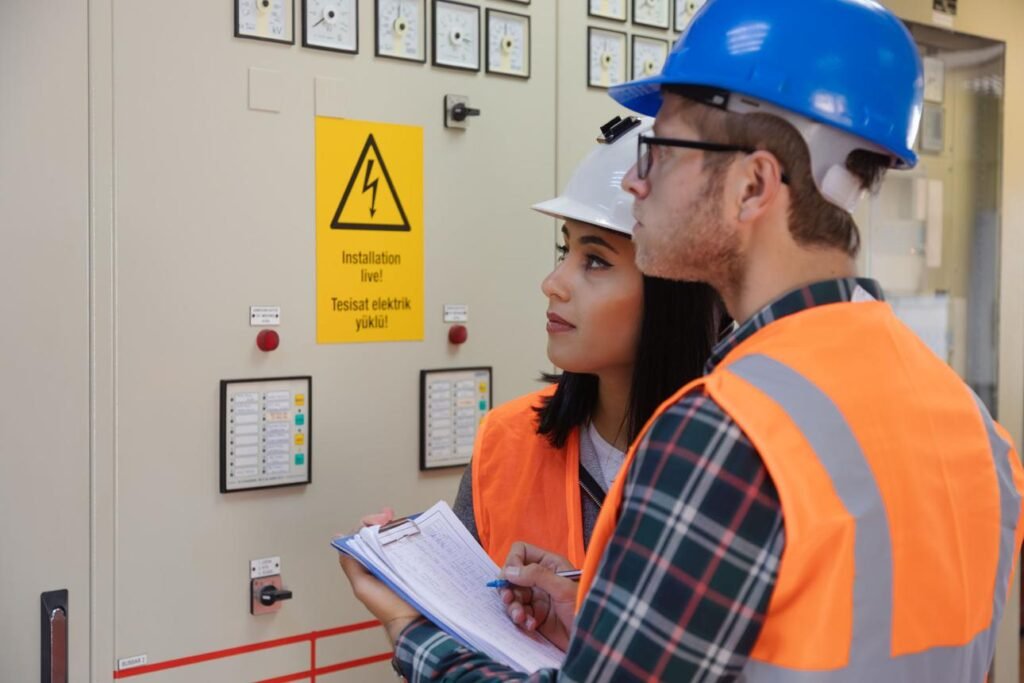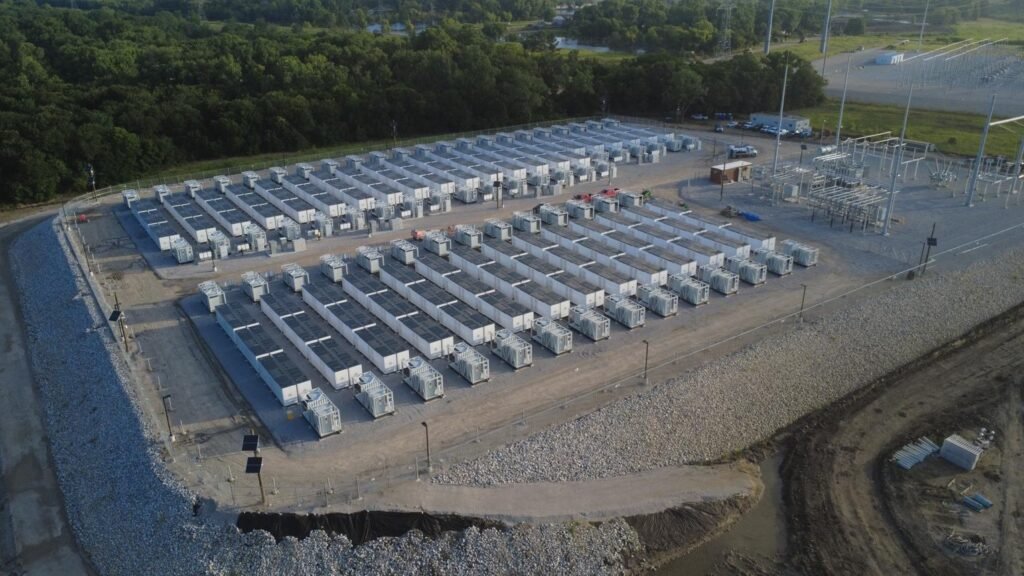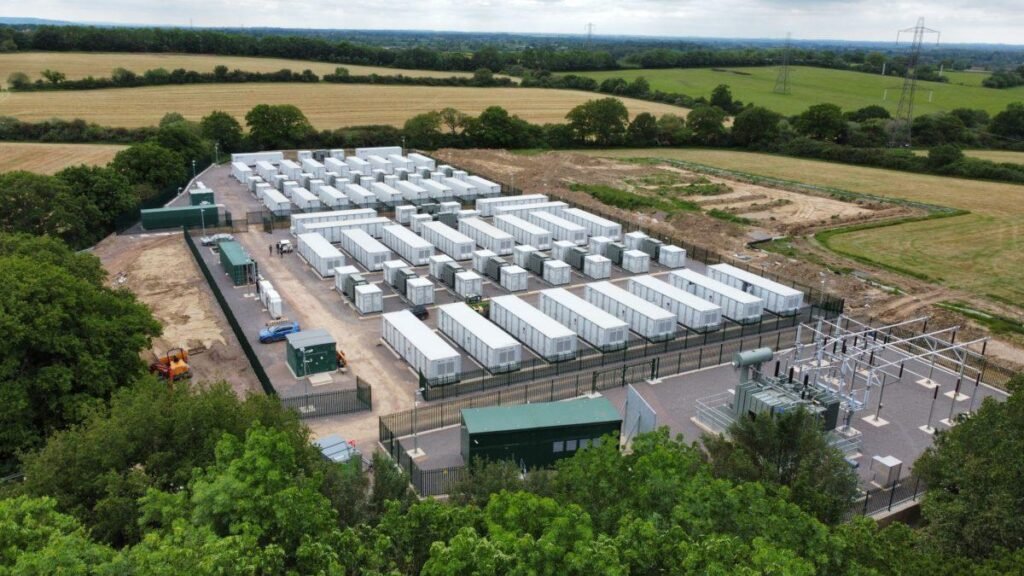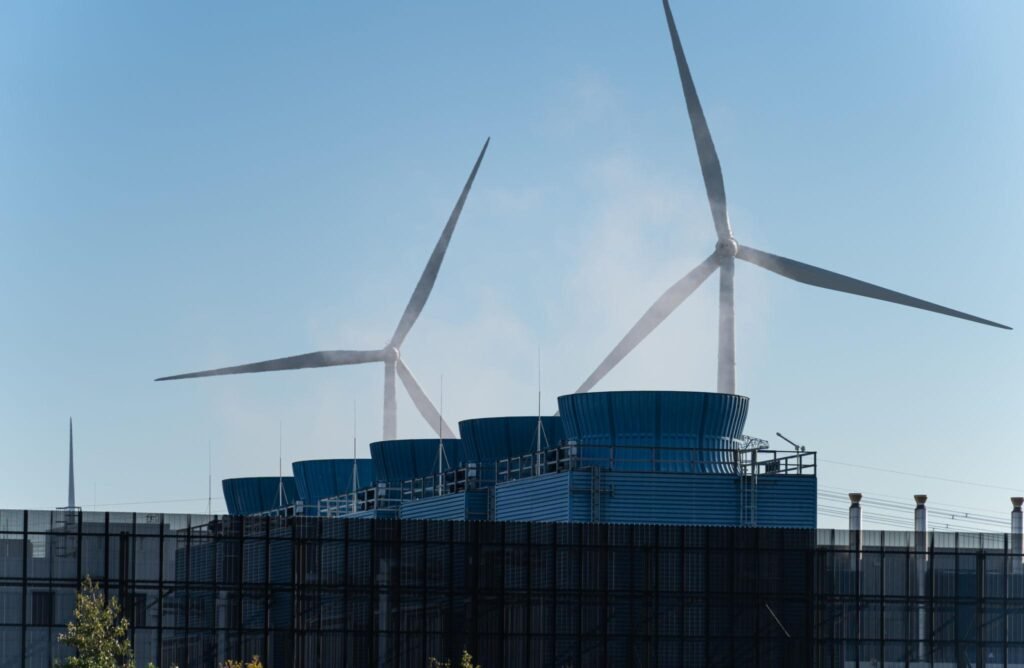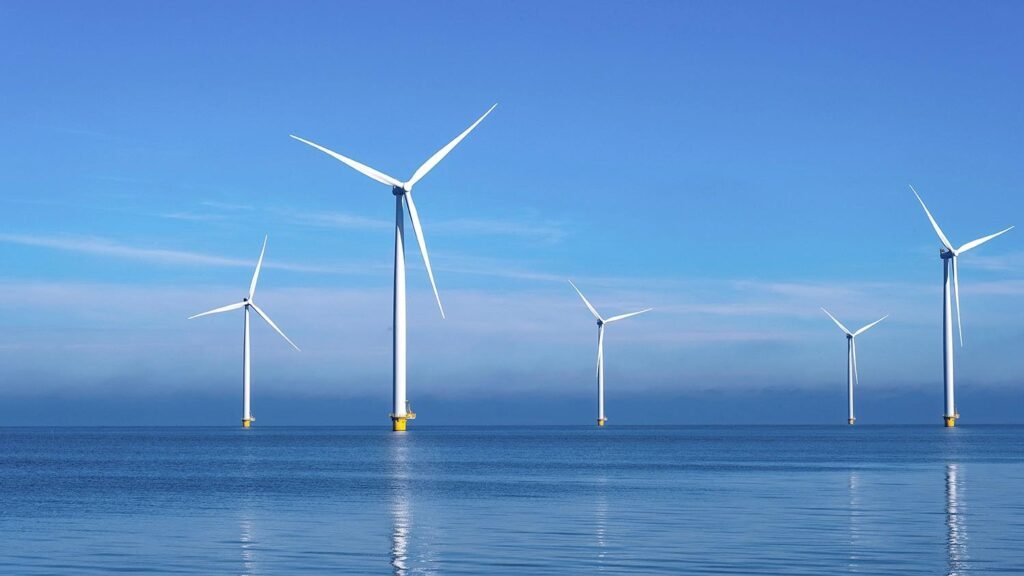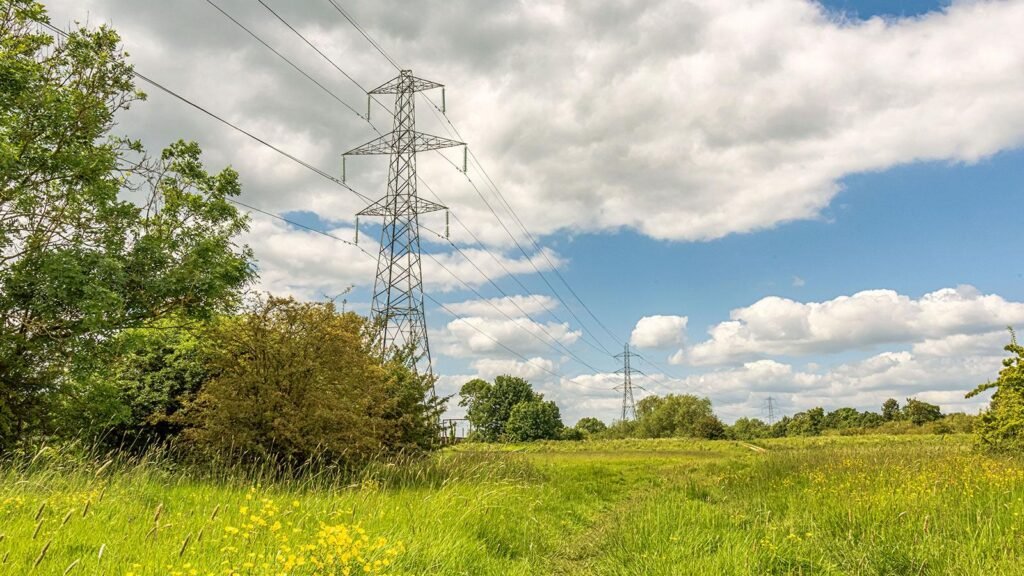
Renewable energy projects are often viewed as environmentally friendly engineering projects, but they are increasingly becoming technology projects as well. Modern wind farms, solar farms, battery storage facilities and smart grid systems rely heavily on connected devices, cloud platforms, remote monitoring tools and automated control systems.
As a result, cyber security has become a critical part of renewable energy development. Operators understand that a successful cyber attack could disrupt power generation, interfere with grid stability, compromise customer data or cause significant financial losses.
The UK’s renewable energy sector now invests heavily in cyber defences designed to protect both operational technology (OT) and traditional information technology (IT) systems.
Why Renewable Energy Projects Are Attractive Targets
Renewable energy facilities are increasingly attractive to cyber criminals, hacktivists and state-sponsored threat actors.
Several factors make them appealing targets:
- Remote locations
- Large numbers of connected devices
- Cloud-based management platforms
- Integration with national electricity grids
- Third-party maintenance access
- Valuable operational data
As renewable energy capacity expands across the UK, operators recognise that cyber security must be built into projects from the planning stage.
The concerns highlighted in Can Wind Farms Be Hacked? and Are Solar Farms Vulnerable To Cyber Attacks?demonstrate why cyber protection is now treated as a core infrastructure requirement rather than an optional extra.
Network Segmentation
Separating Critical Systems
One of the most important protections used in renewable energy projects is network segmentation.
Critical operational systems are separated from corporate networks to prevent attackers moving freely through infrastructure.
For example:
- Turbine control systems may operate on isolated networks
- Solar inverter management systems may be separated from office systems
- Battery management systems may use dedicated communications channels
This means that even if an employee’s laptop becomes infected with malware, attackers cannot easily access equipment controlling electricity generation.
- Full HD streaming: Logitech C922 provides two streaming qualities to choose from. Whether you’re after full HD 1080p at …
- Multiple mounting options including tripod: This HD streaming webcam comes equipped with a versatile tripod. Mount the U…
- Auto-lighting corrections: Alongside full HD streaming over wifi, this gaming webcam is equipped with autofocus and inst…
Limiting Lateral Movement
Many modern ransomware attacks rely on moving across networks after gaining initial access.
Segmentation helps contain breaches and limits the damage attackers can cause.
Industrial Firewalls
Protecting Operational Technology
Renewable energy projects commonly deploy specialised industrial firewalls.
Unlike standard office firewalls, these systems are designed specifically for industrial environments and operational technology networks.
They:
- Filter communications
- Block unauthorised access
- Detect suspicious activity
- Protect control systems from external threats
Industrial firewalls often sit between:
- Turbines and control centres
- Solar arrays and management platforms
- Battery storage facilities and grid operators
Strong Encryption
Securing Data In Transit
Renewable energy projects continuously transmit data between equipment and operators.
This information includes:
- Power output data
- Equipment status
- Maintenance information
- Grid communications
- Performance analytics
Encryption ensures data cannot be easily intercepted or altered during transmission.
Many operators use advanced encryption standards comparable to those used within banking systems.
The same principles discussed in How Secure Is The UK’s Smart Meter Network? are increasingly applied across renewable energy infrastructure.

Multi-Factor Authentication
Preventing Unauthorised Access
Passwords alone are no longer considered sufficient protection.
Most renewable energy operators now require:
- Passwords
- Authentication apps
- Hardware security keys
- Biometric verification
before granting access to critical systems.
This significantly reduces the likelihood of attackers successfully using stolen credentials.
Securing Remote Access
Engineers frequently need remote access to wind turbines, solar farms and battery facilities.
Multi-factor authentication provides an additional layer of protection for these remote connections.
Security Operations Centres
Continuous Monitoring
Large renewable energy companies often operate dedicated Security Operations Centres (SOCs).
These facilities monitor:
- Network traffic
- User behaviour
- Equipment communications
- Security alerts
- Threat intelligence feeds
Monitoring occurs around the clock.
Automated systems flag unusual behaviour that could indicate a cyber attack.
Rapid Incident Response
If suspicious activity is detected, specialist teams can investigate immediately and take action before significant damage occurs.
Intrusion Detection Systems
Spotting Attackers Early
Intrusion Detection Systems (IDS) are designed to identify unusual activity.
Examples include:
- Unexpected login attempts
- Unusual network traffic
- Unauthorised configuration changes
- Unknown devices connecting to networks
Early detection is essential because cyber attacks often develop over days or weeks before causing disruption.

Secure Supply Chains
Vetting Third-Party Suppliers
Renewable energy projects depend on large supply chains.
Equipment may come from multiple manufacturers around the world.
Cyber security assessments are increasingly performed before suppliers are approved.
Operators examine:
- Security practices
- Software development standards
- Vulnerability management processes
- Compliance certifications
Reducing Hidden Risks
Many attacks against critical infrastructure begin through third-party vendors rather than direct attacks against operators.
Supply chain security helps reduce this risk.
Regular Vulnerability Assessments
Finding Weaknesses Before Attackers Do
Cyber security teams routinely scan systems for vulnerabilities.
Assessments identify:
- Outdated software
- Weak passwords
- Misconfigured devices
- Security gaps
Issues are then prioritised and fixed before they can be exploited.
Penetration Testing
Many operators hire ethical hackers to test defences.
These controlled exercises simulate real-world attacks and help identify weaknesses that automated tools may miss.
Security Information And Event Management
Analysing Large Volumes Of Data
Renewable energy projects generate huge quantities of security data.
Security Information and Event Management (SIEM) platforms collect and analyse information from:
- Servers
- Control systems
- Firewalls
- Network devices
- Cloud services
Advanced analytics help identify threats that would otherwise remain hidden.
Operational Technology Security
Protecting Industrial Control Systems
Operational technology security has become one of the fastest-growing areas within the energy sector.
Specialist controls protect:
- SCADA systems
- Turbine controllers
- Solar inverters
- Battery management systems
- Grid interface equipment
These systems often have different security requirements from traditional IT environments.

- Back-UPS BX provides guaranteed power and surge protection for desktop computers, wireless networks, gaming consoles and…
- 700 VA/390 Watts – Automatic Voltage Regulation (AVR)
- PowerShute shutdown software – USB Connector
Protecting Against Physical Consequences
Unlike office networks, attacks on operational technology can have physical effects.
Protecting these systems helps prevent:
- Equipment damage
- Generation outages
- Grid instability
- Safety incidents
Employee Cyber Security Training
The Human Element
Technology alone cannot stop every attack.
Employees remain one of the most common entry points for cyber criminals.
Training programmes teach staff how to:
- Recognise phishing emails
- Report suspicious activity
- Handle sensitive data securely
- Follow access control policies
Reducing Human Error
Even the strongest technical controls can be undermined by poor security awareness.
Regular training helps reduce this risk significantly.
Compliance With UK Regulations
National Infrastructure Requirements
Many renewable energy projects form part of the UK’s critical national infrastructure.
Operators must comply with regulatory requirements covering cyber resilience and operational security.
This often includes:
- Risk assessments
- Incident reporting
- Security testing
- Business continuity planning
Working With Government Guidance
Operators frequently align security programmes with guidance from organisations such as the UK’s National Cyber Security Centre and sector-specific regulatory bodies.

- SECURITY KEY: Protect your online accounts against unauthorized access by using 2 factor authentication with the Yubico …
- FIDO: The Yubico Security Key NFC is FIDO certified and works with Google Chrome and any FIDO-compliant application on W…
- FITS USB-A PORTS: Once registered, each service will request you to insert the Yubico PC Security Key into a USB-A port …
Building Resilience Against Future Threats
Cyber threats continue to evolve as renewable energy infrastructure becomes increasingly digital.
Future protections are expected to include:
- Artificial intelligence threat detection
- Zero trust architectures
- Behavioural analytics
- Advanced supply chain monitoring
- Automated incident response systems
The renewable energy sector is rapidly becoming one of the most cyber-conscious parts of the UK’s infrastructure landscape.
Final Thoughts
Renewable energy projects use a layered approach to cyber security. Network segmentation, industrial firewalls, encryption, multi-factor authentication, intrusion detection, continuous monitoring and operational technology security all work together to protect critical systems.
As wind farms, solar farms, battery storage facilities and smart grid technologies continue expanding across the UK, cyber security will remain as important as physical security. After all, generating clean electricity is only useful if the systems producing it remain secure. Humanity has spent billions building renewable infrastructure; it would be a particularly irritating achievement to leave the digital front door unlocked.