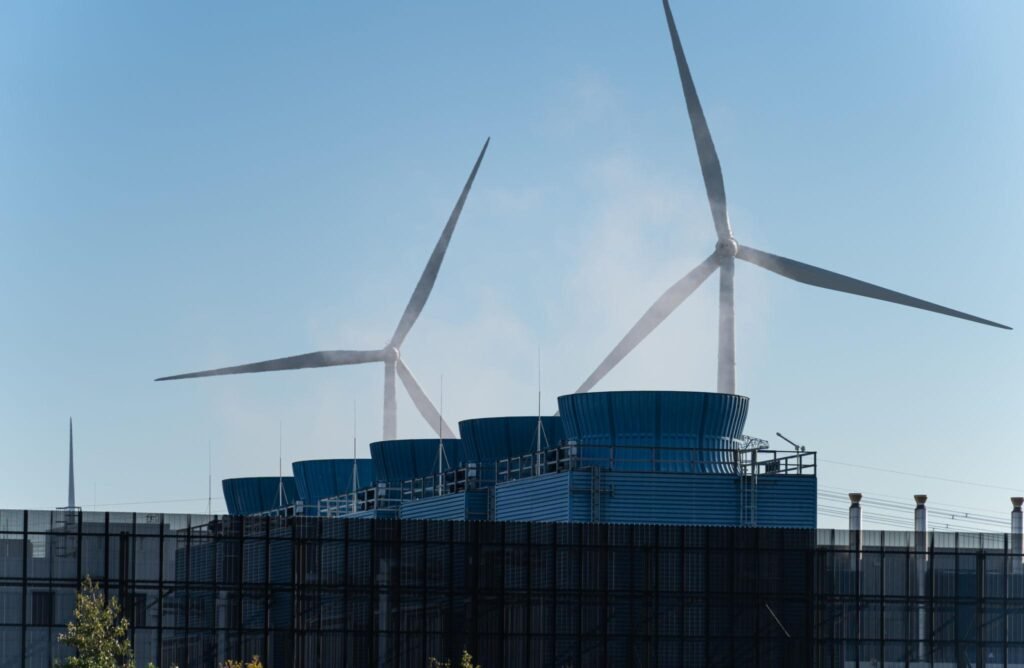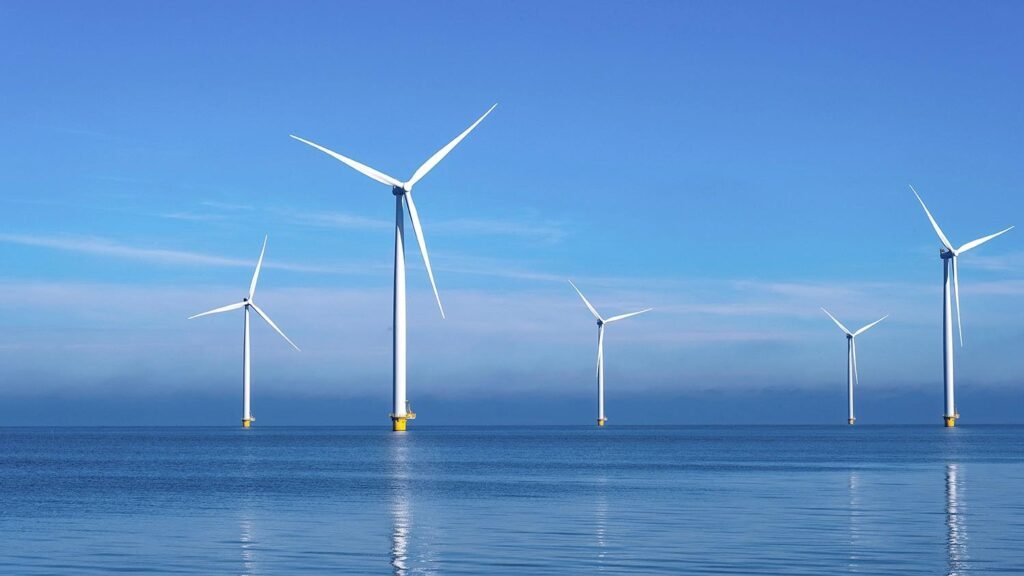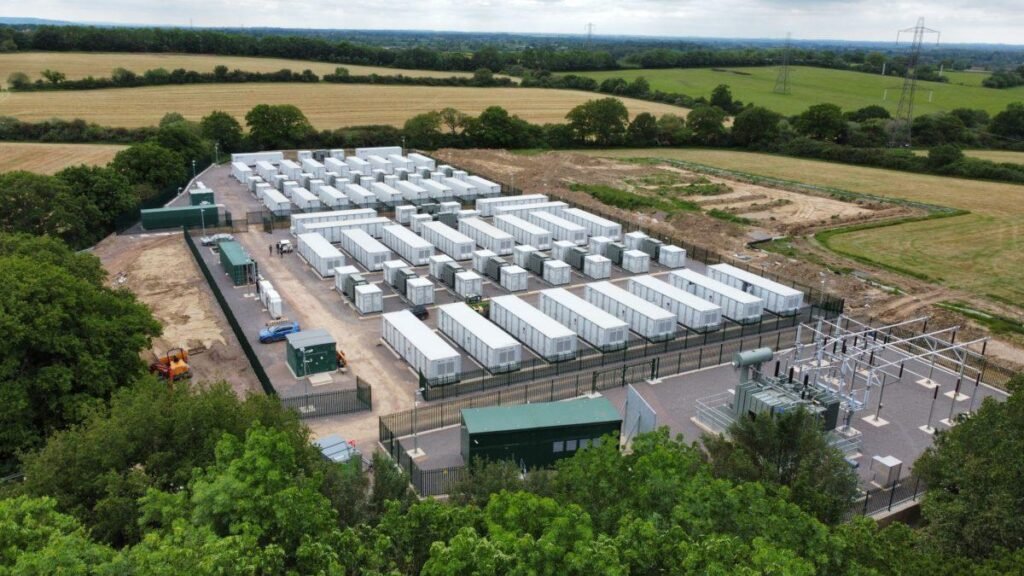
Renewable energy is now a critical part of the UK’s energy infrastructure. Wind farms, solar farms, battery storage facilities and smart energy systems are helping to reduce carbon emissions and improve energy independence. However, as renewable energy becomes increasingly digital, it also becomes increasingly vulnerable to cyber threats.
Modern renewable energy projects rely heavily on connected devices, remote monitoring systems, industrial control systems, cloud platforms and automated management software. While these technologies improve efficiency and reduce operating costs, they also create potential entry points for cyber attackers.
The reality is simple: a cyber attack against renewable energy infrastructure could affect power generation, grid stability, customer data and even national energy security.
Renewable Energy Is No Longer Just About Electricity
Modern Energy Assets Depend On Connected Technology
Today’s renewable energy projects are highly digitised environments.
Operators routinely use:
- Remote monitoring systems
- Industrial control systems (ICS)
- Supervisory Control and Data Acquisition (SCADA) platforms
- Smart sensors
- Internet-connected inverters
- Cloud-based management software
- Predictive maintenance systems
- Artificial intelligence tools
Many of these systems are connected to corporate networks and external suppliers, creating complex digital ecosystems that require constant protection.
As discussed in Can Wind Farms Be Hacked?, even renewable energy assets located in remote areas may be accessible through internet-connected management systems.

- Back-UPS BX provides guaranteed power and surge protection for desktop computers, wireless networks, gaming consoles and…
- 700 VA/390 Watts – Automatic Voltage Regulation (AVR)
- PowerShute shutdown software – USB Connector
Cyber Attacks Can Disrupt Energy Generation
Renewable Facilities Must Remain Operational
A successful cyber attack does not necessarily need to cause physical damage to create serious problems.
Attackers may attempt to:
- Shut down turbines
- Disable solar inverters
- Manipulate energy output data
- Interrupt communications
- Block remote management systems
- Deploy ransomware against operators
For renewable projects generating electricity for thousands of homes, even short disruptions can have significant consequences.
This is one reason why many operators now treat cyber security as seriously as physical security.
Renewable Energy Is Becoming Part Of National Critical Infrastructure
The UK’s Growing Dependence On Renewables
The UK now generates a substantial proportion of its electricity from renewable sources.
Major offshore wind farms, solar farms and battery storage projects play a growing role in maintaining electricity supplies.
As renewable generation expands, attackers may increasingly view these assets as attractive targets.
A coordinated attack against multiple energy facilities could potentially affect electricity availability, market confidence and grid operations.
Readers interested in wider infrastructure risks should also read Could a Cyber Attack Cause UK Blackouts?

Financial Losses Can Be Significant
Downtime Is Expensive
Renewable energy facilities earn revenue by generating electricity.
If systems are disrupted:
- Energy production may stop
- Contractual obligations may be missed
- Maintenance costs may increase
- Recovery expenses may escalate
- Insurance claims may follow
For large offshore wind projects, even a few hours of downtime can result in substantial financial losses.
Attackers understand this and often use ransomware to pressure organisations into paying large sums.
Renewable Energy Projects Store Valuable Data
Cyber Criminals Target Information As Well As Infrastructure
Renewable energy companies often hold significant amounts of data, including:
- Operational information
- Engineering designs
- Asset performance data
- Employee records
- Supplier information
- Customer details
- Financial information
Cyber criminals may seek to steal this data for financial gain, espionage or future attacks.
The growing use of cloud services and third-party vendors increases the importance of robust cyber security controls.

- Installs in circuit panel of most small businesses with clamp-on sensors. Supports Single phase, Single-split phase, and…
- 24/7 Energy Management and Monitoring: Automate and monitor your business’ real power anywhere, anytime to prevent costl…
- Lower Your Electric Bill: Configure settings in the Emporia Energy App to automate energy management for time of use, pe…
Supply Chain Attacks Are Increasing
Partners Can Become Entry Points
Renewable energy projects involve numerous organisations.
These may include:
- Equipment manufacturers
- Software providers
- Engineering firms
- Maintenance contractors
- Grid operators
- Telecommunications providers
An attacker may target a smaller supplier with weaker security before attempting to gain access to larger energy operators.
This approach has become increasingly common across critical infrastructure sectors worldwide.
Related Resource: Cyber threats increasingly affect the energy sector. For broader coverage of UK energy markets, pricing and industry developments, visit PowerGuardian.co.uk.
Remote Access Creates Additional Risks
Convenience Must Be Balanced With Security
Renewable assets are often located in remote areas.
Operators frequently rely on remote access technologies to manage equipment without travelling to site.
Examples include:
- Offshore wind farms
- Rural solar farms
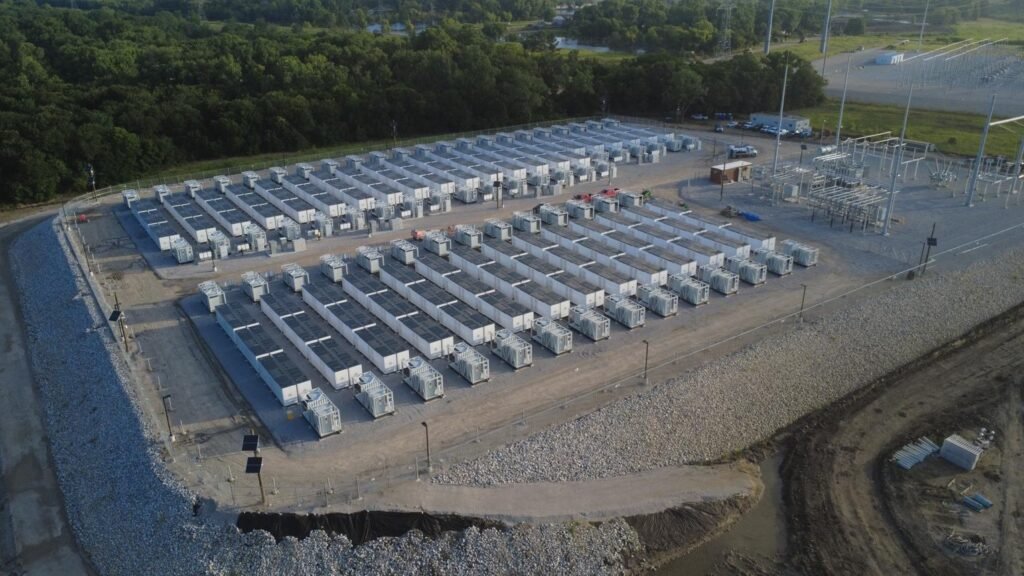
- Battery storage facilities
- Distributed energy networks
While remote access improves efficiency, poorly secured systems can become attractive targets.
As explored in Could Hackers Disrupt Offshore Wind Farms?, remote operational technology systems require particularly strong protection.

Renewable Energy Supports Wider Grid Stability
Every Connected Asset Matters
Modern electricity networks increasingly depend on distributed generation.
Thousands of renewable energy assets now contribute electricity to the grid.
If attackers were able to interfere with multiple systems simultaneously, operators could face challenges balancing electricity supply and demand.
Although grid operators maintain extensive safeguards, protecting individual renewable assets remains an important layer of defence.
This is one reason why governments worldwide are investing heavily in critical infrastructure cyber resilience programmes.
What Cyber Security Protections Are Used?
Multiple Layers Of Defence
Renewable energy operators typically deploy:
- Network segmentation
- Multi-factor authentication
- Encryption
- Security monitoring
- Threat detection systems
- Vulnerability assessments
- Incident response plans
- Employee security training
Many organisations also conduct regular penetration testing and red-team exercises to identify weaknesses before attackers do.
For a deeper look at these measures, see What Cyber Security Protections Do Renewable Energy Projects Use?

- [Fastest Charging in the Industry] – Fully recharge using an AC outlet in only 70 minutes with EcoFlow’s X-Stream fast c…
- [Power 80% of Your Appliances] – With an output of up to 1600W, run 80% off all your appliances, even high wattage ones….
- [LFP Long-Life Battery] – Using LFP battery cells, use and recharge RIVER 2 Pro more than 3000 times before hitting 80%….
Solar Farms Face Similar Challenges
Cyber Security Is Not Just A Wind Industry Issue
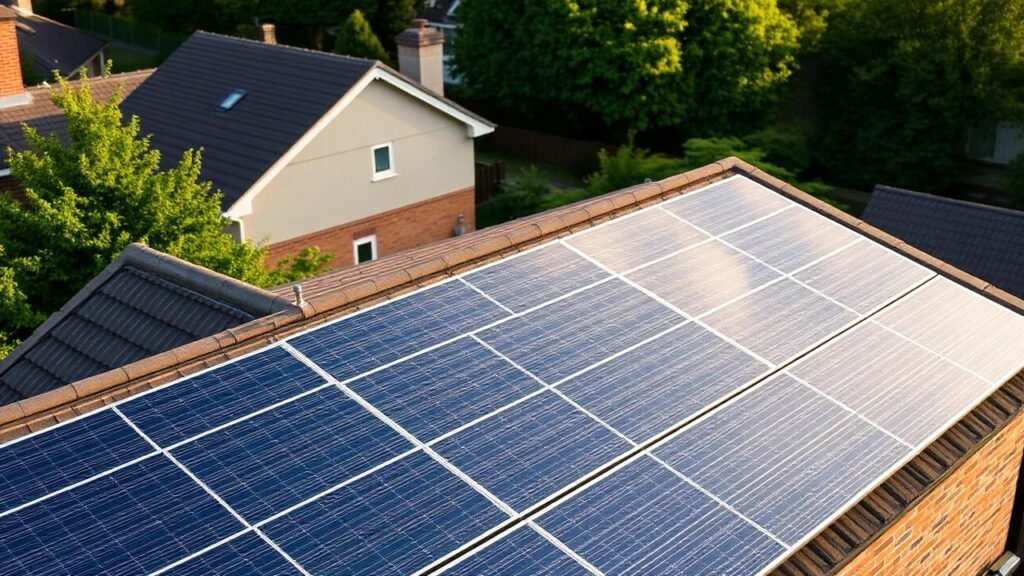
Solar farms rely on:
- Smart inverters
- Monitoring platforms
- Cloud management systems
- Communications networks
- Remote diagnostics
These technologies provide efficiency benefits but also introduce cyber risk.
The same principles that apply to wind farms apply to solar energy infrastructure.
Further reading can be found in Are Solar Farms Vulnerable to Cyber Attacks?
The Future Of Renewable Energy Depends On Cyber Resilience
Security Must Grow Alongside Renewable Capacity
The UK’s transition towards cleaner energy depends on reliable and secure infrastructure.
As renewable projects become larger, smarter and more interconnected, cyber security will become even more important.
Operators must protect not only physical assets but also the digital systems that control them.
Cyber security is no longer an optional add-on for renewable energy projects. It is a fundamental requirement for ensuring safe operations, protecting investment, maintaining public confidence and supporting the UK’s long-term energy security goals.
The irony is that the technologies helping to build a cleaner future are often connected to the same internet that delivers cat videos, phishing emails and questionable life advice. Humans really do insist on putting everything online. That makes strong cyber security one of the most important foundations of the renewable energy transition.