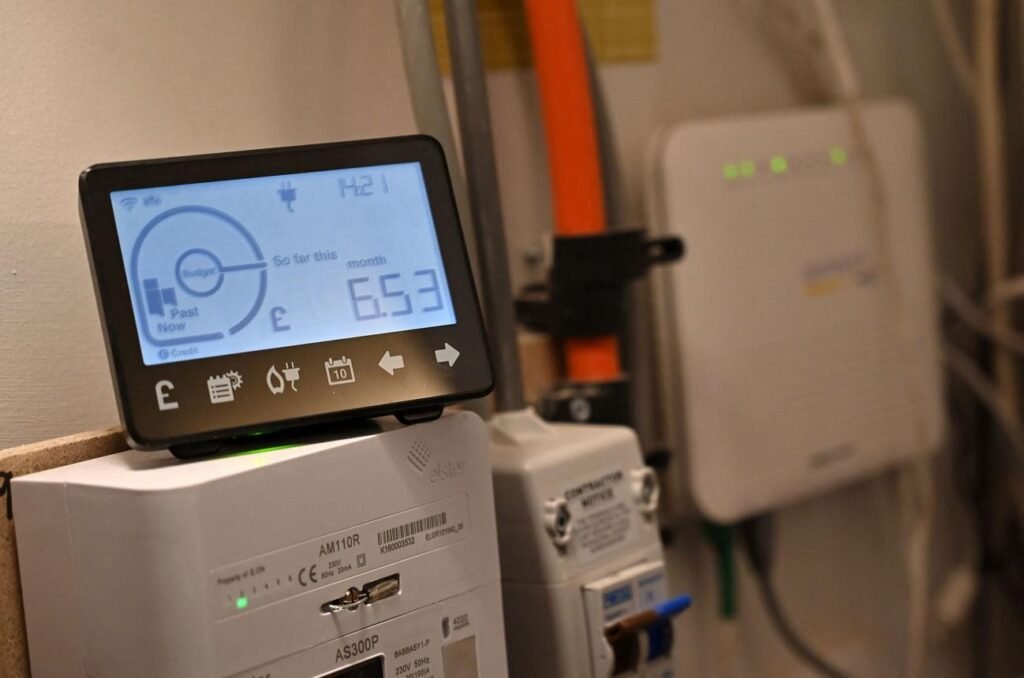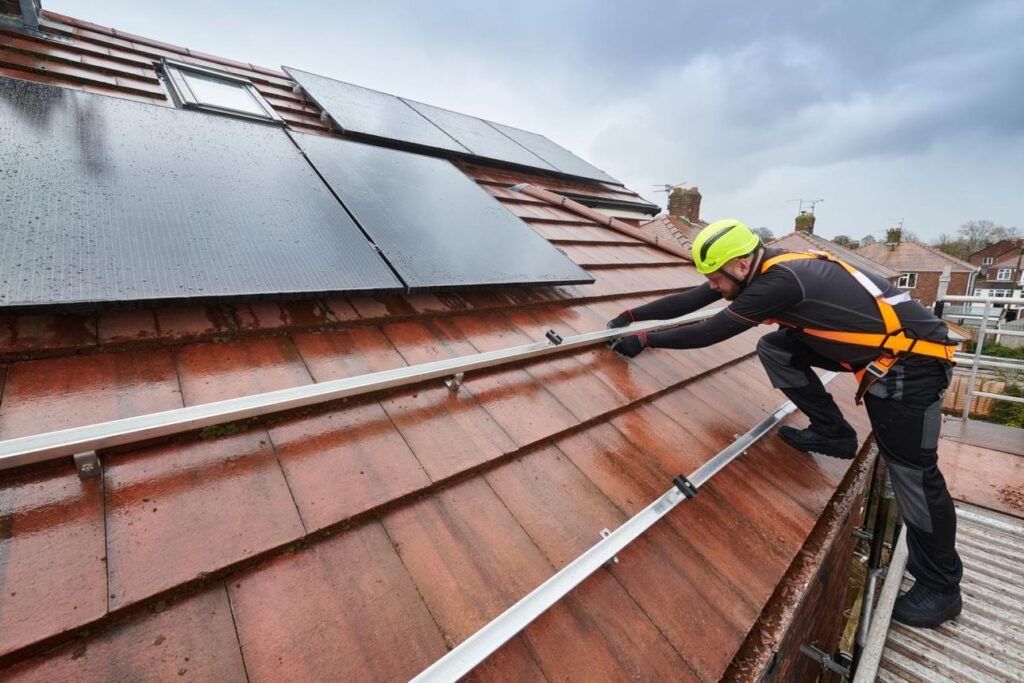
Solar panels themselves are not computers. They generate electricity from sunlight and have no direct connection to the internet.
However, modern solar energy systems often include internet-connected equipment such as smart inverters, monitoring platforms, battery storage systems and mobile apps. These components can potentially become targets for cyber attacks.
The short answer is that hackers cannot normally “hack” the solar panels mounted on your roof, but they may be able to target the smart technology connected to them.
As more UK homes install solar panels, battery systems and energy management platforms, cyber security is becoming an increasingly important consideration.

Understanding Modern Solar Energy Systems
Solar Panels Are Only Part Of The System
A typical solar installation may include:
- Solar panels
- Smart inverter
- Battery storage system
- Energy monitoring platform
- Mobile application
- Smart export meter
- Wi-Fi or broadband connection
While the panels themselves are simple electrical devices, the supporting technology increasingly relies on software and internet connectivity.
This creates potential cyber security concerns similar to those discussed in Can Smart Meters Be Hacked? and Can Hackers Access Smart Home Energy Devices?
What Parts Of A Solar System Could Be Hacked?
Smart Inverters
The inverter is often considered the brain of a solar energy system.
It converts DC electricity generated by the panels into AC electricity that can be used by the home or exported to the grid.
Many modern inverters offer:
- Remote monitoring
- Firmware updates
- Cloud connectivity
- Mobile app control
If poorly secured, these features can create opportunities for attackers.
Researchers have demonstrated vulnerabilities in solar inverters manufactured by multiple vendors over the past decade, highlighting the importance of proper security controls.
See our Solar & Battery Cyber Security Checker – Check the cyber risks of your solar panels, battery storage, internet-connected inverter and installer remote access.
See our Solar & Battery Cyber Security Checker Tool
Solar Monitoring Platforms
Most homeowners use apps or websites to monitor:
- Energy generation
- Battery levels
- Electricity exports
- System performance
These platforms store user accounts and system data.
Weak passwords, compromised accounts or software vulnerabilities could potentially allow unauthorised access.
Battery Storage Systems
Home battery systems are becoming increasingly common across the UK.
Many include:
- Remote management
- Cloud-based dashboards
- Firmware updates
- Smart charging controls
Because batteries can influence when electricity is stored and released, they represent another potential cyber security target.
What Could A Hacker Actually Do?
Access Energy Data
The most realistic attack involves gaining access to monitoring information.
An attacker might see:
- Electricity production levels
- Energy consumption patterns
- Occupancy indicators
- System settings
While this information may appear harmless, it can reveal details about household routines.
This links closely with concerns explored in What Personal Data Do Smart Energy Devices Collect?

Change System Settings
In some scenarios, compromised accounts could allow attackers to:
- Modify export settings
- Adjust charging schedules
- Disable notifications
- Change operational parameters
Most reputable manufacturers include safeguards to prevent dangerous changes.
Disrupt Solar Generation
A successful attack on an inverter could theoretically interrupt electricity production.
For an individual homeowner this would normally be an inconvenience rather than a catastrophe.
The system would likely require maintenance or resetting before normal operation resumed.
Could Hackers Cause A National Grid Problem?
A Growing Concern For Energy Security Experts
Individual solar installations pose little risk to the UK electricity grid.
The concern emerges when thousands or millions of connected devices use similar software.
If vulnerabilities existed across large numbers of solar systems, coordinated attacks could potentially affect electricity generation or grid stability.
This issue is attracting increasing attention from regulators, energy companies and national cyber security authorities.
Several countries have already conducted studies into how large-scale attacks against distributed energy resources might affect national energy infrastructure.
Have Solar Systems Been Hacked Before?
Real-World Security Incidents
Researchers have repeatedly identified vulnerabilities in solar infrastructure.
Examples have included:
- Weak authentication systems
- Unsecured remote access portals
- Outdated firmware
- Cloud platform vulnerabilities
In some cases, researchers demonstrated the ability to remotely control certain inverter functions.
Importantly, these findings were generally disclosed responsibly so manufacturers could issue security updates.
Large-scale attacks against residential solar systems remain rare, but vulnerabilities have certainly been discovered.
- Learning function
Are Solar Panels More Vulnerable Than Other Smart Energy Devices?
Similar Risks Across Connected Energy Technologies
Solar systems face many of the same risks as:
- Smart meters
- Smart thermostats
- Heat pumps
- EV chargers
- Home batteries
The common factor is connectivity.
Any device connected to the internet can potentially become vulnerable if security is poorly implemented.
This is why Are Smart Heat Pumps Vulnerable To Cyber Attacks? highlights many of the same concerns seen in solar technology.
Related Resource: Cyber threats increasingly affect the energy sector. For broader coverage of UK energy markets, pricing and industry developments, visit PowerGuardian.co.uk.
How Solar Manufacturers Improve Security
Modern Cyber Security Controls
Leading manufacturers increasingly implement:
- Encrypted communications
- Multi-factor authentication
- Secure firmware updates
- Vulnerability testing
- Security monitoring
- Cloud security protections
The renewable energy industry has become far more security-conscious as cyber threats have grown.
Many manufacturers now work closely with cyber security researchers to identify weaknesses before criminals can exploit them.

How Homeowners Can Protect Solar Systems
Use Strong Passwords
Avoid default credentials and use unique passwords for:
- Monitoring platforms
- Mobile apps
- Manufacturer portals
Enable Multi-Factor Authentication
Where available, enable MFA for all solar-related accounts.
This significantly reduces the risk of account compromise.
Install Firmware Updates
Manufacturers regularly release security patches.
Keeping software updated closes known vulnerabilities.
Secure Home Wi-Fi
A compromised home network can expose connected devices.
Strong Wi-Fi passwords, modern encryption and router updates are essential.
Buy From Reputable Manufacturers
Established manufacturers generally invest more heavily in cyber security testing and ongoing support.
For broader guidance, homeowners should also read How Can Homeowners Secure Smart Energy Systems?
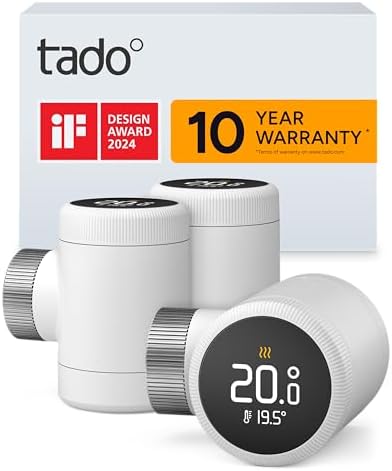
- SAVES ENERGY AND HEATING COSTS: With the intelligent heater thermostat X from tado°, the experts for smart heating, user…
- EASY DIY INSTALLATION, EVEN OFFLINE: The included adapter allows the thermostat to be fitted to almost every radiator va…
- CONTROL VIA APP: The thermostat has numerous features for your heating system, such as smart scheduling, temperature con…
The Future Of Solar Cyber Security
Connected Energy Systems Will Increase
Solar panels are becoming part of a much larger smart energy ecosystem that includes:
- Home batteries
- EV chargers
- Smart meters
- Dynamic tariffs
- AI-driven energy management
As these technologies become more interconnected, cyber security will become just as important as electrical safety.
The UK’s transition towards smarter energy networks means cyber resilience must be built into every stage of system design.
Final Thoughts
Solar panels themselves are extremely difficult to hack because they are not internet-connected computers. The greater risk lies within the smart technology that supports modern solar installations, particularly inverters, monitoring platforms, battery systems and cloud-connected apps.
For most UK homeowners, the risk of becoming a victim of a solar-related cyber attack remains low. However, as solar adoption grows and energy systems become increasingly connected, maintaining strong cyber security practices will become an essential part of owning renewable energy technology.
The good news is that reputable manufacturers, energy providers and cyber security experts are already working to ensure that the UK’s transition to cleaner energy remains both sustainable and secure. Humanity finally found a way to turn sunlight into electricity and immediately connected it to the internet. Naturally, cyber security had to join the conversation.