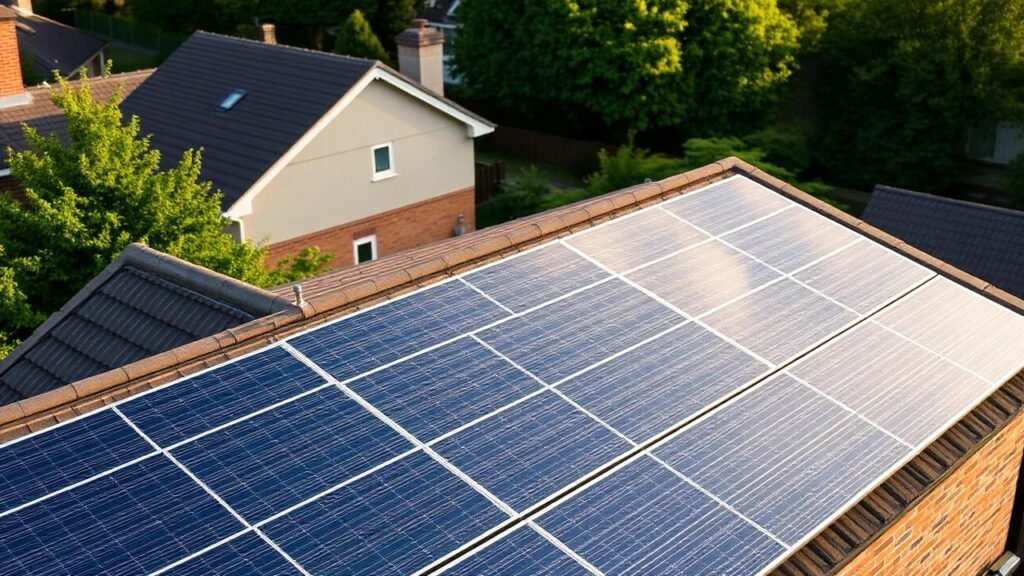
Solar farms are often viewed as simple collections of solar panels quietly generating electricity in fields across the UK. In reality, modern solar farms are highly connected digital energy systems that rely on software, remote monitoring platforms, communications networks, industrial controllers and cloud-based management systems.
As the UK’s renewable energy capacity continues to grow, solar farms have become increasingly attractive targets for cyber criminals, hacktivists and even hostile nation-state actors. While hackers cannot simply point a laptop at a solar panel and cause chaos, attacks against the systems controlling solar farms are a genuine and growing concern.
The good news is that most UK solar operators invest heavily in cyber security. The bad news is that every new internet-connected device creates another potential route for attackers. Humanity has somehow managed to turn fields full of sunlight into computer networks. Naturally, this means someone will eventually try to hack them.

Why Solar Farms Are Digital Systems
More Than Just Solar Panels
The solar panels themselves are relatively simple devices. The cyber risks come from the technology used to manage electricity generation and grid connections.
Modern solar farms typically include:
- Smart inverters
- Remote monitoring systems
- SCADA platforms
- Industrial control systems
- Communications networks
- Cloud-based management software
- Grid connection equipment
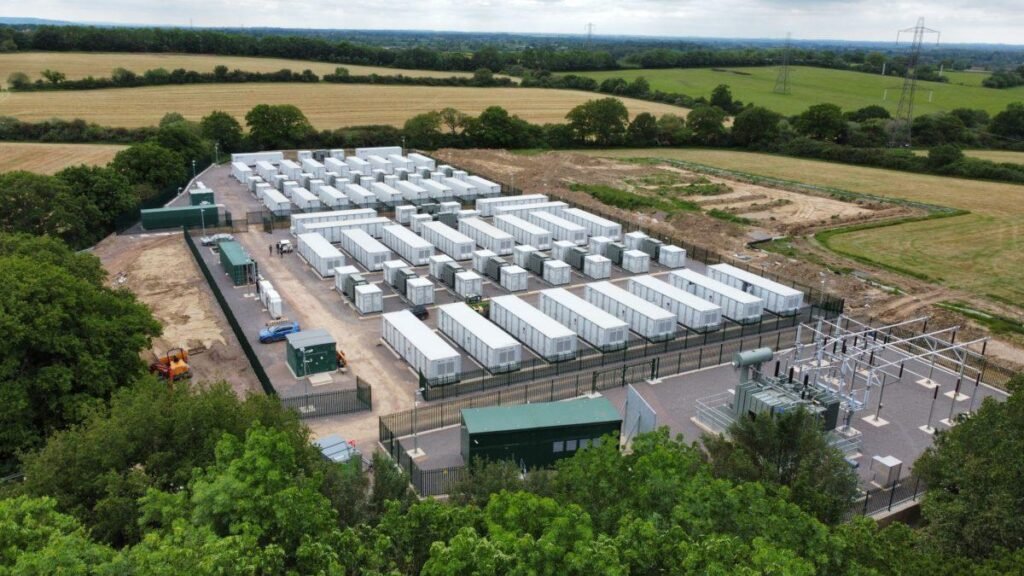
- Battery energy storage systems
Many operators manage multiple sites from a single control centre, allowing engineers to monitor performance remotely. While this improves efficiency, it also creates opportunities for attackers if security controls fail.
How Hackers Could Target Solar Farms
Compromising Remote Access Systems
Remote management platforms are often the first target.
Attackers may attempt to:
- Steal administrator credentials
- Exploit software vulnerabilities
- Abuse weak passwords
- Use phishing attacks against staff
- Access exposed management portals
Once inside, attackers may gain visibility into operational systems and potentially manipulate equipment settings.
- Full control over your heating with the tado° app from anywhere, reduce your energy consumption and save money with the …
- Heating Boost: heat up all rooms for 30 minutes with one click in the app
- Smart Schedules for the perfect temperature individually in each room, at any time; only active when someone’s home; can…
Attacking Solar Inverters
Inverters convert solar-generated DC electricity into AC electricity suitable for the grid.
Researchers have repeatedly demonstrated vulnerabilities in certain inverter products worldwide. If exploited, attackers could:
- Shut down generation
- Alter operational settings
- Reduce energy output
- Cause equipment faults
- Disrupt communications
Large-scale coordinated attacks could potentially affect multiple sites simultaneously.
Could Hackers Shut Down A Solar Farm?
The Short Answer
Yes, under certain circumstances.
If attackers gain access to operational technology systems, they may be able to:
- Disconnect generating equipment
- Disable inverters
- Interrupt monitoring systems
- Trigger safety shutdowns
- Prevent operators from controlling assets
However, most modern installations include multiple safety controls designed to prevent catastrophic failures.
Unlike Hollywood films, attackers do not usually gain instant control of everything with a few dramatic keyboard strokes. Real cyber attacks tend to involve patience, stolen credentials and exploiting overlooked weaknesses.
See our Solar & Battery Cyber Security Checker – Check the cyber risks of your solar panels, battery storage, internet-connected inverter and installer remote access.
Could Solar Farm Attacks Affect The National Grid?
Local Versus National Impact
A single solar farm being compromised would usually have limited impact on the wider UK electricity network.
The greater concern comes from coordinated attacks against multiple renewable assets.
If attackers simultaneously targeted:
- Solar farms
- Wind farms
- Battery storage facilities
- Grid management systems
The cumulative effect could create operational challenges for electricity operators.
Readers interested in wider infrastructure risks may also find Could A Cyber Attack Cause UK Blackouts? useful.

Real-World Solar Industry Cyber Incidents
Global Examples
The renewable energy sector has already experienced significant cyber incidents.
Examples include:
- Attacks against energy management platforms
- Ransomware incidents affecting renewable operators
- Exploitation of internet-connected industrial equipment
- Supply chain compromises involving energy technology vendors
Researchers have also identified vulnerabilities in thousands of internet-connected solar devices worldwide.
In several cases, vulnerable systems were publicly accessible online due to configuration errors.
Battery Storage Creates Additional Risks
Solar Farms And Energy Storage
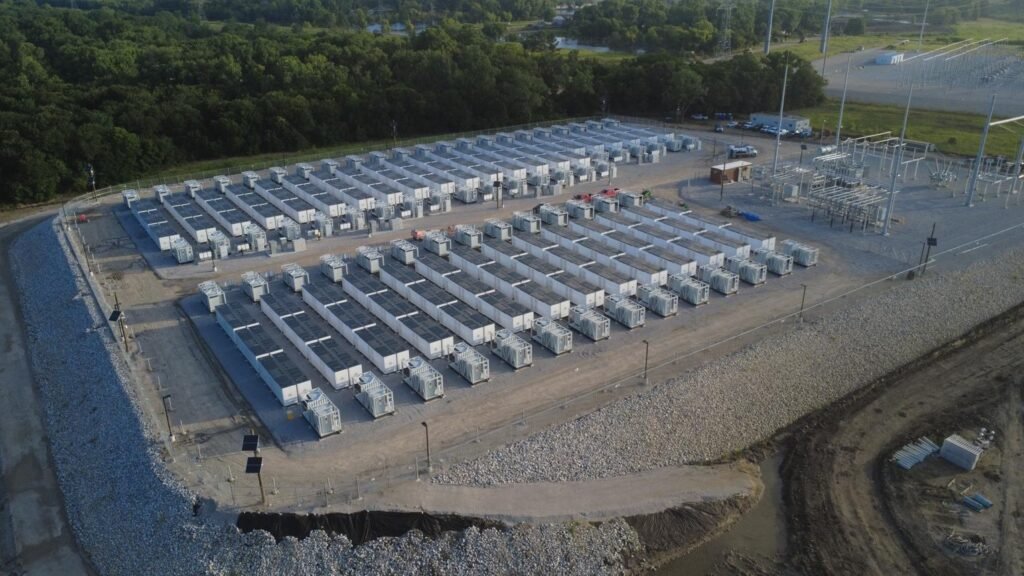
Many modern solar farms now include battery energy storage systems.
These batteries depend heavily on software and network connectivity.
A compromised battery management system could potentially:
- Disable charging cycles
- Reduce efficiency
- Trigger safety mechanisms
- Interrupt energy supply schedules
Because battery systems play an increasingly important role in grid balancing, their cyber security is becoming a major focus for operators and regulators.
Related Resource: Cyber threats increasingly affect the energy sector. For broader coverage of UK energy markets, pricing and industry developments, visit PowerGuardian.co.uk.
Nation-State Threats
Critical Infrastructure Targeting
Energy infrastructure is a recognised target during geopolitical tensions.
State-sponsored threat groups often seek to:
- Gather intelligence
- Map infrastructure
- Pre-position access for future operations
- Test defensive capabilities
Solar farms may not be the highest-priority targets individually, but they form part of the broader energy ecosystem.
As renewable generation contributes a larger share of UK electricity production, protecting these assets becomes increasingly important.
Supply Chain Risks
Trusted Vendors Can Become Attack Paths
One of the biggest challenges involves third-party suppliers.
Solar farms rely on equipment and software from numerous vendors, including:
- Inverter manufacturers
- Monitoring platform providers
- Cloud service providers
- Telecommunications companies
- Maintenance contractors
A compromise affecting one supplier could potentially impact multiple sites.
This type of supply chain attack has become one of the fastest-growing cyber threats across critical infrastructure sectors.
- SAVES ENERGY AND HEATING COSTS: With the intelligent heater thermostat X from tado°, the experts for smart heating, user…
- EASY DIY INSTALLATION, EVEN OFFLINE: The included adapter allows the thermostat to be fitted to almost every radiator va…
- CONTROL VIA APP: The thermostat has numerous features for your heating system, such as smart scheduling, temperature con…
How UK Solar Farms Defend Against Cyber Attacks
Layered Security Controls
Responsible operators use multiple layers of protection.
Common measures include:
- Network segmentation
- Multi-factor authentication
- Continuous monitoring
- Security patching
- Threat intelligence services
- Access control systems
- Staff cyber awareness training
- Incident response planning
Operators increasingly treat cyber security as a core operational requirement rather than an IT issue.
Government And Regulatory Oversight
Protecting Critical National Infrastructure
The UK government recognises energy as part of Critical National Infrastructure.
Organisations such as:
- National Cyber Security Centre
- Ofgem
- Department for Energy Security and Net Zero
work with energy operators to improve resilience against cyber threats.
Security expectations continue to increase as renewable energy capacity expands.
Comparing Solar Farms With Other Renewable Technologies
Similar Challenges Across Renewable Energy
Solar farms face many of the same cyber risks seen elsewhere in the energy sector.
Readers may also find Can Wind Farms Be Hacked? and Are Smart Heat Pumps Vulnerable To Cyber Attacks?useful for understanding how cyber risks affect different renewable technologies.
Final Thoughts
Solar farms are vulnerable to cyber attacks, but not because the solar panels themselves are inherently insecure.
The risk comes from the digital systems that manage generation, monitoring, communications and grid integration. As solar energy becomes a larger component of the UK’s electricity mix, attackers have increasing incentives to target these systems.
Most successful attacks would likely focus on remote access platforms, industrial control systems, supplier networks or human error rather than the solar panels themselves.
For now, the UK’s solar sector remains relatively resilient. However, as renewable energy infrastructure becomes more connected, cyber security will become just as important as physical security. After all, generating clean electricity is one challenge. Making sure nobody halfway around the world can interfere with it is another entirely.