The UK’s journey towards net zero depends heavily on digital technology. Renewable energy projects, smart grids, battery storage systems, electric vehicle charging networks and smart meters all rely on connected systems to operate efficiently.
While digitalisation helps reduce emissions and improve energy efficiency, it also creates new cyber security risks. A successful cyber attack against critical energy infrastructure could delay projects, increase costs, undermine public confidence and potentially slow progress towards national climate targets.
The uncomfortable reality is that achieving net zero and maintaining cyber security have become closely linked. Humans built an energy system that increasingly depends on computers. Computers, in turn, attract hackers like picnics attract wasps.
Why Net-Zero Infrastructure Depends On Digital Systems
The UK’s net-zero strategy relies on technologies that are far more connected than traditional energy infrastructure.
These include:
- Smart meters
- Solar farms
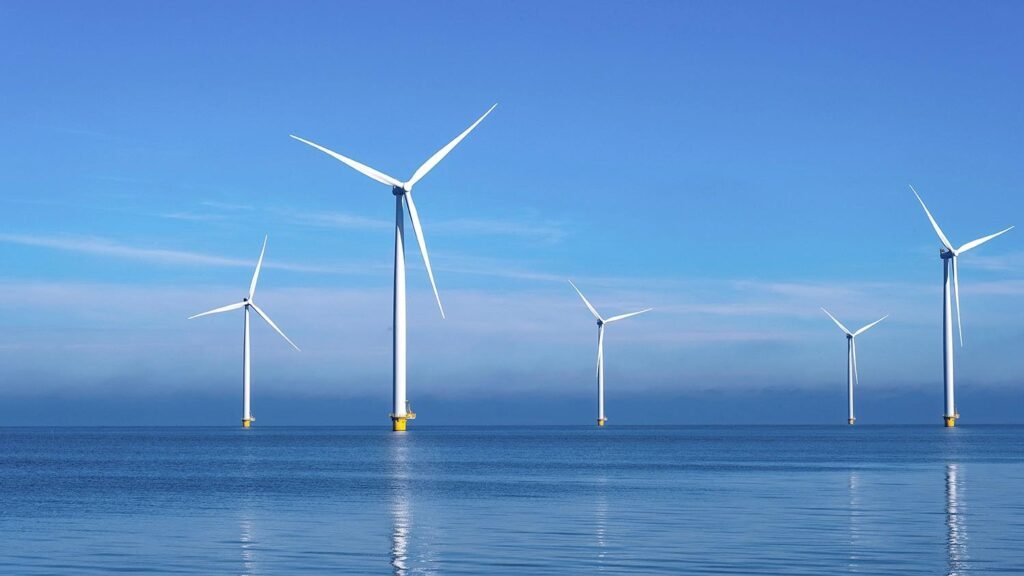
- Offshore wind farms
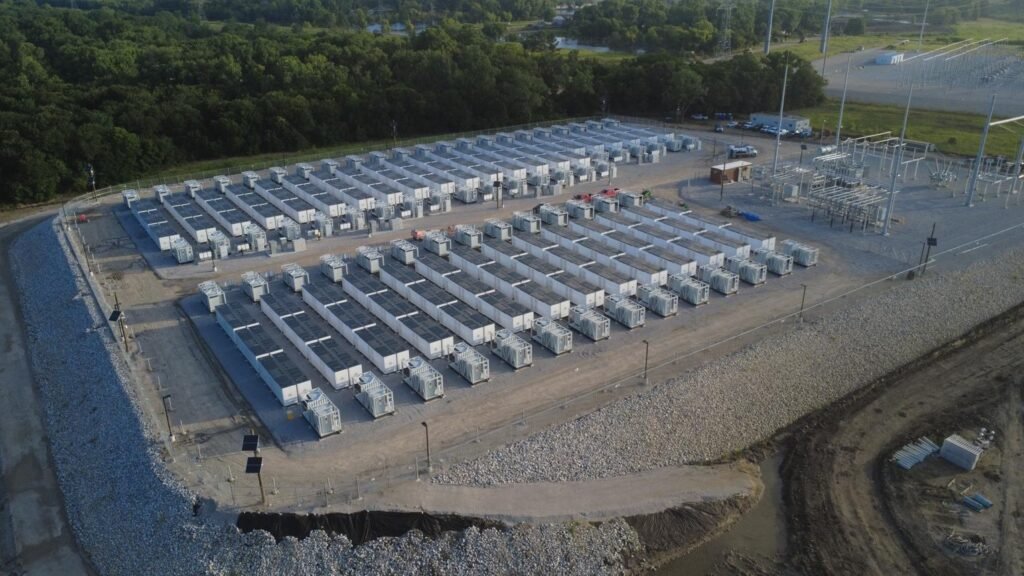
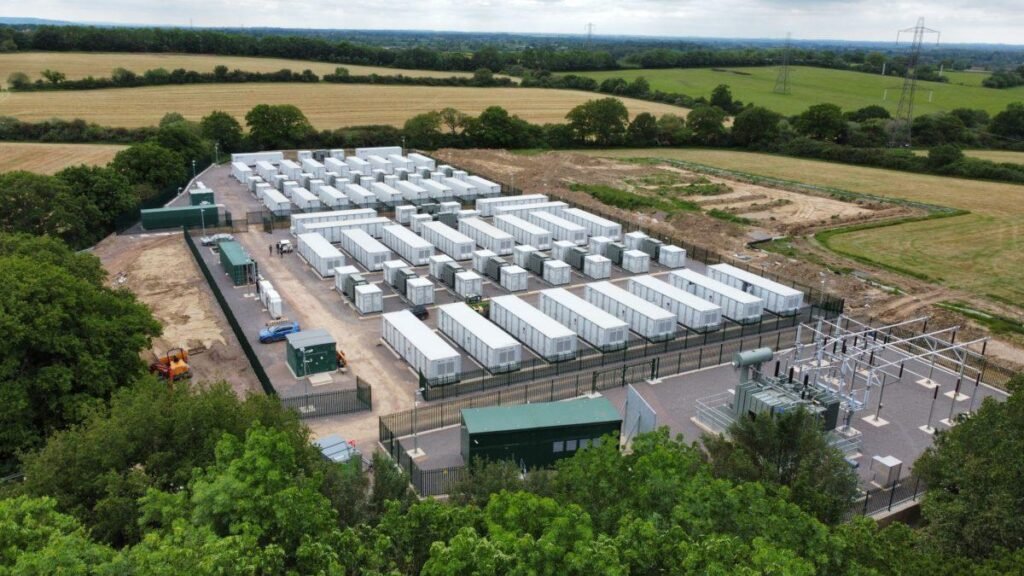
- Battery energy storage systems
- Electric vehicle charging networks
- Grid balancing platforms
- Energy trading systems
- Demand response technologies
Unlike conventional power stations, modern renewable energy systems often depend on remote monitoring and automated controls.
A wind farm operator may control hundreds of turbines remotely. A battery storage facility may respond automatically to grid conditions. Smart meters communicate usage data continuously across nationwide networks.
Every connection creates a potential cyber security challenge.

- Installs in circuit panel of most small businesses with clamp-on sensors. Supports Single phase, Single-split phase, and…
- 24/7 Energy Management and Monitoring: Automate and monitor your business’ real power anywhere, anytime to prevent costl…
- Lower Your Electric Bill: Configure settings in the Emporia Energy App to automate energy management for time of use, pe…
How Cyber Attacks Could Delay Renewable Energy Projects
Construction And Commissioning Delays
Large renewable projects involve numerous contractors, suppliers and software providers.
A ransomware attack against a project developer, engineering contractor or supply chain partner could halt work for days or weeks.
Project schedules are often tightly planned around regulatory approvals, equipment deliveries and grid connection dates. Even short interruptions can cause significant delays.
Recent attacks against infrastructure companies worldwide have demonstrated how cyber incidents can disrupt operational activities far beyond the affected IT systems.
Increased Costs
Cyber attacks create direct financial impacts through:
- Incident response costs
- Recovery expenses
- Regulatory investigations
- Legal fees
- Insurance claims
- System upgrades
Money spent recovering from cyber incidents is money that cannot be invested in new renewable projects.
For organisations managing multiple energy developments, a major breach could divert resources away from net-zero investments.
Threats To Renewable Energy Assets
Readers interested in renewable energy risks may also find Are Solar Farms Vulnerable To Cyber Attacks? useful.
Solar Farms
Modern solar farms rely on connected inverters, monitoring platforms and operational management systems.
Attackers could potentially:
- Disable monitoring systems
- Disrupt power generation reporting
- Manipulate inverter settings
- Interrupt communications
While safety protections exist, cyber incidents could reduce efficiency and create operational disruption.
Wind Farms
Those exploring offshore infrastructure should also read Can Wind Farms Be Hacked?
Wind turbines contain sophisticated control systems responsible for:
- Blade positioning
- Rotor speed management
- Power conversion
- Condition monitoring
A cyber incident affecting turbine management systems could impact performance and require extensive investigation before normal operations resume.

Risks To Smart Grids
The Future Grid Is More Connected
The UK’s future electricity network will rely heavily on smart grid technology.
Smart grids help balance:
- Renewable generation
- Household demand
- Electric vehicle charging
- Battery storage systems
This flexibility is essential for achieving net-zero objectives.
However, increased connectivity means increased cyber exposure.
Loss Of Public Confidence
A major cyber incident affecting smart grid systems could damage public trust.
Consumers are more likely to adopt smart technologies when they believe systems are reliable and secure.
Negative headlines surrounding cyber attacks can slow adoption rates and increase resistance to future deployments.
Could A Cyber Attack Cause Energy Shortages?
A large-scale disruption would not necessarily stop the UK’s transition to net zero, but it could create temporary setbacks.
For example:
- Renewable output forecasting could be disrupted
- Grid balancing systems could be affected
- EV charging networks could suffer outages
- Energy market platforms could experience interruptions
Readers concerned about wider infrastructure risks may also wish to read Could A Cyber Attack Cause UK Blackouts?
The UK’s energy sector incorporates multiple layers of resilience, backup systems and operational safeguards. However, resilience does not mean immunity.

- SAVES ENERGY AND HEATING COSTS: With the intelligent heater thermostat X from tado°, the experts for smart heating, user…
- EASY DIY INSTALLATION, EVEN OFFLINE: The included adapter allows the thermostat to be fitted to almost every radiator va…
- CONTROL VIA APP: The thermostat has numerous features for your heating system, such as smart scheduling, temperature con…
Supply Chain Attacks Could Become A Major Problem
Third-Party Technology Providers
Many renewable projects use equipment and software from global suppliers.
A vulnerability affecting a widely used product could impact multiple energy operators simultaneously.
Supply chain attacks have become increasingly attractive because compromising one vendor can provide access to numerous organisations.
Software Updates And Remote Access
Renewable assets often require:
- Remote maintenance
- Software updates
- Cloud connectivity
- Third-party support
Each of these functions must be secured carefully to prevent unauthorised access.
As net-zero infrastructure expands, the number of potential attack pathways also grows.
Why Cyber Security Is Becoming A Net-Zero Requirement
Cyber security is no longer simply an IT issue.
It has become an operational requirement for energy resilience.
This is one reason why many organisations now treat cyber risk alongside:
- Physical security
- Health and safety
- Environmental management
- Business continuity
Readers interested in the wider picture should explore Why Is Cyber Security Important For Renewable Energy?
Governments, regulators and infrastructure operators increasingly recognise that secure systems are essential for maintaining progress towards climate goals.

How The UK Energy Sector Is Responding
Stronger Security Standards
Energy operators increasingly implement:
- Network segmentation
- Multi-factor authentication
- Continuous monitoring
- Incident response planning
- Threat intelligence sharing
- Operational technology security controls
Many organisations also conduct regular cyber security exercises designed to test resilience against realistic attack scenarios.
Regulatory Oversight
Critical national infrastructure operators face growing regulatory expectations regarding cyber resilience.
Security frameworks are becoming more rigorous as governments recognise the importance of protecting modern energy systems.
Security By Design
Many new renewable projects now incorporate cyber security from the earliest planning stages.
This approach helps reduce vulnerabilities before systems become operational.
Further insight can be found in What Cyber Security Protections Do Renewable Energy Projects Use?
The Reality: Cyber Security And Net Zero Must Progress Together
Cyber attacks are unlikely to stop the UK’s net-zero transition altogether.
However, they could certainly slow it.
Delays to renewable projects, disruptions to smart infrastructure, increased costs and reduced public confidence could all hinder progress towards climate targets.
The more connected the energy system becomes, the more important cyber resilience becomes.
Net zero is often discussed as an environmental challenge. Increasingly, it is also a cyber security challenge. The UK’s ability to deliver a cleaner energy future may depend as much on protecting digital infrastructure as it does on building wind farms, solar parks and battery storage facilities. A curious outcome of modern civilisation: to save the planet, we first have to stop people trying to break the computers running it.