The UK energy sector sits at the intersection of two critical national priorities: keeping the lights on and protecting digital infrastructure. Energy suppliers hold vast amounts of customer data, manage billing systems, interact with smart meters and increasingly rely on cloud-based technologies. This makes them attractive targets for cyber criminals, ransomware groups and hostile nation-state actors.
As a result, UK energy suppliers face some of the strictest cybersecurity requirements of any commercial sector. Compliance is not optional. Failure can result in regulatory action, substantial fines, reputational damage and, in severe cases, disruption to essential services.
Why Cyber Regulation Matters in the Energy Sector
Cyber attacks against energy organisations are no longer theoretical risks.
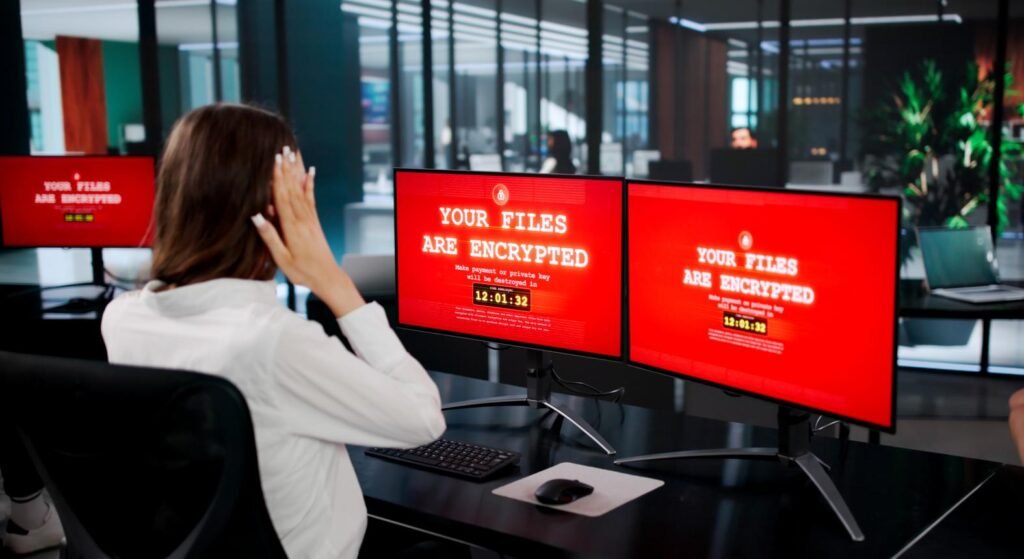
The 2021 ransomware attack against the US-based Colonial Pipeline demonstrated how a cyber incident could disrupt fuel supplies across entire regions. In Europe, energy companies have faced increasing attacks linked to geopolitical tensions, particularly since Russia’s invasion of Ukraine.
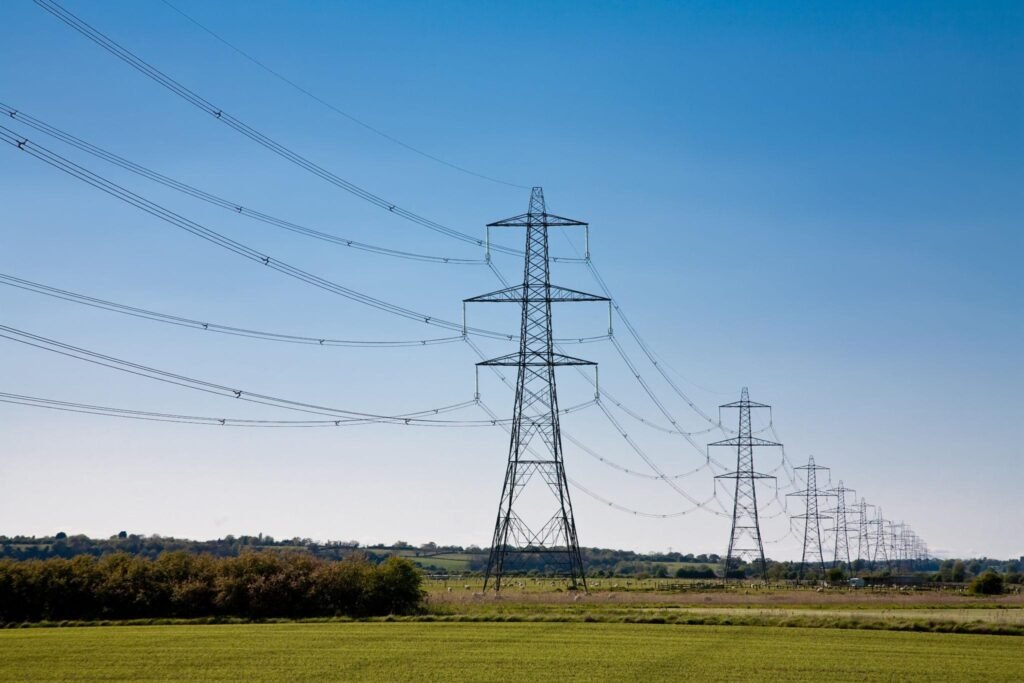
The UK’s energy infrastructure is considered part of the nation’s Critical National Infrastructure (CNI), meaning cyber resilience is viewed as a national security issue rather than simply an IT problem.
As discussed in our article Can Hackers Bring Down the National Grid?, regulators increasingly assume that cyber attacks will happen and require organisations to prove they can withstand them.

The Network and Information Systems (NIS) Regulations 2018
The most significant cybersecurity legislation affecting many UK energy organisations is the Network and Information Systems Regulations 2018.
What Are the NIS Regulations?
The regulations were introduced to improve the cybersecurity of organisations providing essential services.
For the energy sector, this includes operators involved in:
- Electricity generation
- Electricity transmission
- Electricity distribution
- Gas transportation
- Gas distribution
- Certain energy infrastructure operators
The regulations require organisations to:
- Identify cyber risks
- Implement appropriate security measures
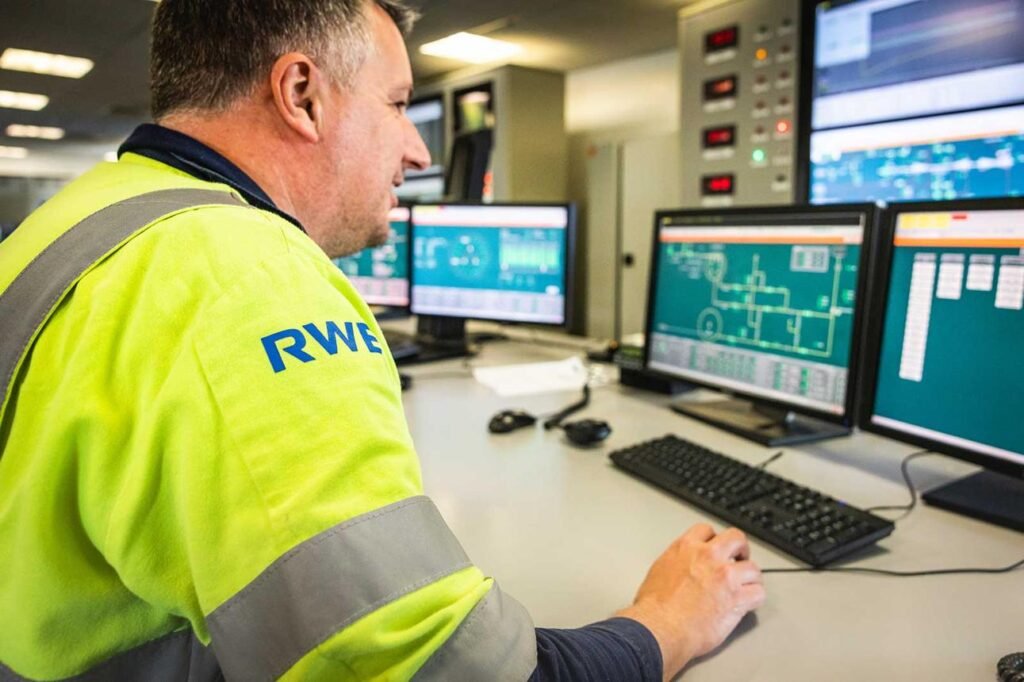
- Monitor systems continuously
- Report significant cyber incidents
- Demonstrate resilience against attacks
Who Enforces NIS in the Energy Sector?
For energy organisations, enforcement is typically handled by the UK’s energy regulator, Ofgem.
Ofgem has powers to investigate cybersecurity controls and can impose enforcement actions where organisations fail to meet required standards.
Real-World Impact
Rather than simply asking whether firewalls are installed, regulators assess:
- Governance structures
- Risk management programmes
- Incident response capabilities
- Supply chain security
- Recovery planning
This reflects modern reality. Most successful cyber attacks exploit people, processes and suppliers rather than technical weaknesses alone.

- Installs in circuit panel of most small businesses with clamp-on sensors. Supports Single phase, Single-split phase, and…
- 24/7 Energy Management and Monitoring: Automate and monitor your business’ real power anywhere, anytime to prevent costl…
- Lower Your Electric Bill: Configure settings in the Emporia Energy App to automate energy management for time of use, pe…
UK GDPR and Data Protection Act 2018
Energy suppliers process significant volumes of customer information.
This includes:
- Names and addresses
- Payment details
- Bank information
- Energy usage data
- Smart meter readings
- Contact information
As a result, suppliers must comply with UK GDPR and the Data Protection Act 2018.
Cybersecurity Requirements Under UK GDPR
The law requires organisations to implement:
- Appropriate technical controls
- Appropriate organisational controls
- Access management procedures
- Encryption where appropriate
- Incident detection systems
The legislation does not prescribe exact technologies but requires security measures proportionate to risk.
Data Breach Reporting
If a cyber attack leads to a personal data breach, organisations may need to notify the Information Commissioner’s Officewithin 72 hours.
Major breaches can result in substantial financial penalties.
If you want to understand what customer information may be exposed during an attack, see <a href=”/what-data-do-energy-suppliers-hold-about-customers/”>What Data Do Energy Suppliers Hold About Customers?</a>.

Cyber Assessment Framework (CAF)
The National Cyber Security Centre (NCSC) developed the Cyber Assessment Framework to help operators of essential services meet NIS requirements.
What Does CAF Cover?
The framework focuses on four key objectives:
Managing Security Risk
Organisations must:
- Identify assets
- Understand threats
- Manage vulnerabilities
- Assess supply chain risks
Protecting Against Cyber Attack
Controls include:
- Access management
- Network security
- Malware protection
- Secure system design
Detecting Cyber Security Events
Organisations must identify suspicious activity quickly.
This includes:
- Monitoring systems
- Security event logging
- Threat intelligence
Minimising Impact
Even strong security cannot prevent every attack.
Organisations must therefore demonstrate:
- Incident response plans
- Recovery procedures
- Business continuity arrangements
Smart Energy Code Requirements
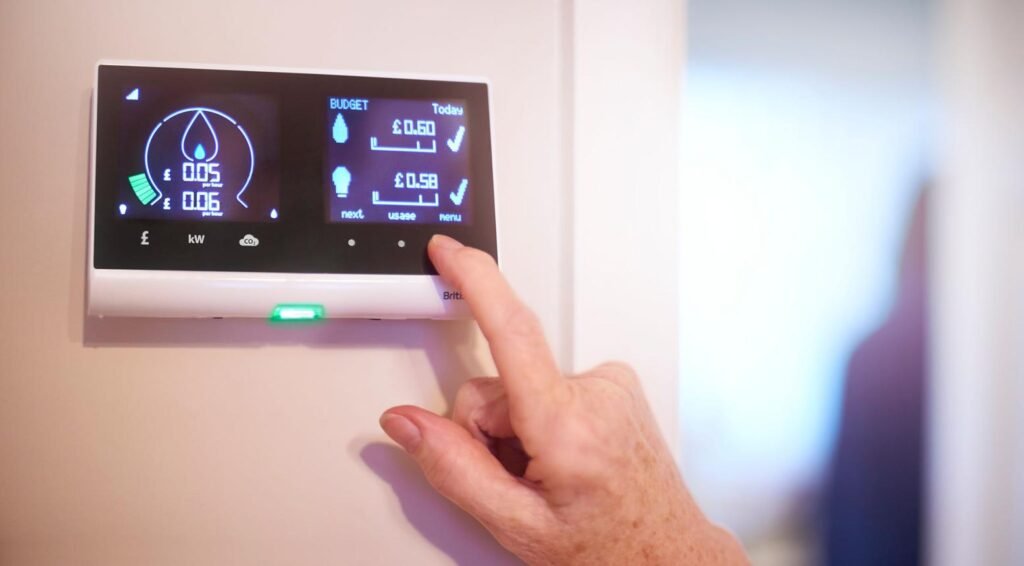
Smart meters introduce additional cybersecurity obligations.
The UK’s smart meter infrastructure operates under the Smart Energy Code (SEC).
Why Is This Important?
Millions of smart meters communicate with energy suppliers through secure national infrastructure.
Security controls cover:
- Device authentication
- Encryption
- Network communications
- Access permissions
- Software updates
Compromising a smart meter network could potentially affect millions of devices, which is why security requirements are extremely stringent.
For a deeper look at the risks, read Could Hackers Access Smart Meter Data?
National Cyber Security Centre Guidance
While NCSC guidance is not legislation, regulators increasingly expect organisations to follow it.
Key Areas Covered
The NCSC publishes guidance covering:
- Ransomware defence
- Cloud security
- Operational technology security
- Supply chain security
- Incident response
- Secure remote access
In practice, many regulatory inspections use NCSC guidance as a benchmark for determining whether an organisation’s cybersecurity is adequate.

Operational Technology (OT) Security Requirements
Energy companies operate far more than office IT systems.
They also manage operational technology systems controlling:
- Electricity networks
- Gas distribution systems
- Generation facilities
- Industrial control systems
Why OT Security Is Different
Traditional IT security focuses on:
- Confidentiality
- Data protection
Operational technology focuses on:
- Safety
- Reliability
- Availability
A cyber attack on operational technology can affect physical infrastructure.
This is one reason why the energy sector receives special regulatory scrutiny.
As explored in What Happens If an Energy Supplier Is Hit by Ransomware?, attacks affecting operational systems can have consequences far beyond stolen data.
Supply Chain Cybersecurity Requirements
Modern energy suppliers depend heavily on:
- Cloud providers
- Software vendors
- Outsourced support teams
- Metering companies
- Managed service providers
The Growing Risk
Many major cyber incidents now originate through third parties.
Examples include:
- Software supply chain compromises
- Vendor credential theft
- Compromised remote access platforms
Regulators increasingly require organisations to:
- Assess supplier risks
- Conduct security reviews
- Monitor vendor access
- Establish contractual security requirements
Cybersecurity is no longer viewed as an internal-only responsibility.
Incident Reporting Obligations
When serious cyber incidents occur, energy suppliers may have reporting obligations under multiple frameworks.
Possible Reporting Destinations
Depending on circumstances, reports may need to be made to:
- Ofgem
- NCSC
- ICO
- Law enforcement
- Government departments
What Must Be Reported?
Examples include:
- Significant ransomware attacks
- Data breaches
- Service disruptions
- Critical infrastructure incidents
- Operational technology compromises
Failure to report incidents appropriately can become a regulatory issue in its own right.
How Energy Suppliers Demonstrate Compliance
Cybersecurity compliance is not achieved through a single certificate.
Most suppliers maintain programmes involving:
- Risk assessments
- Security audits
- Penetration testing
- Vulnerability management
- Staff awareness training
- Incident exercises
- Supplier reviews
- Business continuity testing
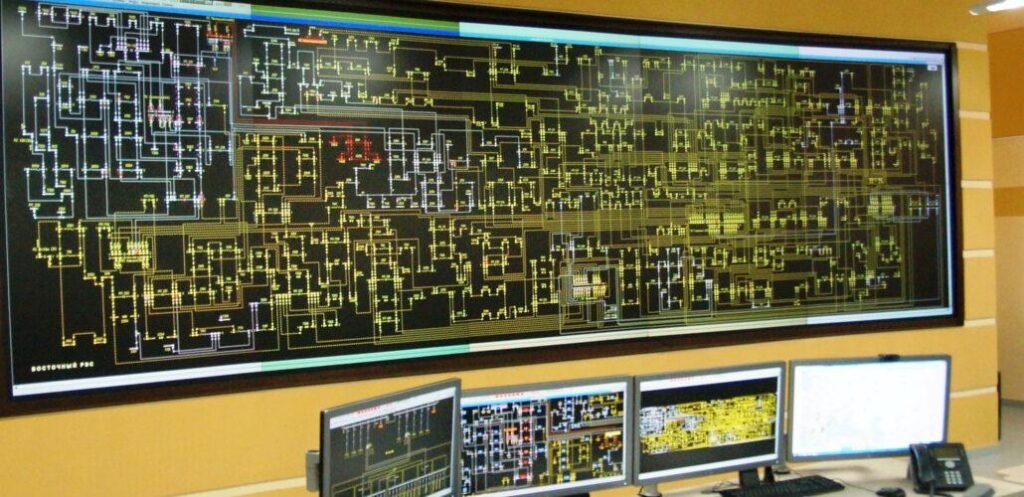
Larger organisations often operate dedicated Security Operations Centres (SOCs) monitoring threats around the clock.
This reflects the reality discussed in How Often Are Energy Companies Targeted by Hackers?, where attacks against the sector occur continuously rather than occasionally.
The Future of Energy Cyber Regulation
Cyber regulation is becoming stricter.
Several trends are shaping future requirements:
Increased Critical Infrastructure Protection
Governments increasingly view cyber resilience as part of national security.
Stronger Supply Chain Oversight
Third-party vendors are likely to face greater scrutiny.
Greater Focus on Operational Technology
Industrial control systems are receiving increasing regulatory attention.
AI and Emerging Threats
Regulators are beginning to examine how artificial intelligence may be used both defensively and offensively.
Energy suppliers will need to demonstrate resilience against increasingly sophisticated attacks.
Final Thoughts
UK energy suppliers operate within one of the most heavily regulated cybersecurity environments in the country. Compliance extends far beyond simple data protection requirements and includes critical infrastructure security, operational technology protection, incident reporting and resilience planning.
The key regulations include the NIS Regulations 2018, UK GDPR, the Data Protection Act 2018 and sector-specific frameworks such as the Smart Energy Code. Alongside these legal requirements, guidance from the National Cyber Security Centre plays a major role in shaping industry expectations.
The reality is that regulators no longer ask whether an energy supplier might be attacked. They assume attacks will happen and expect organisations to prove they can detect them, contain them and recover from them quickly. Humanity built an entire civilisation dependent on electricity, then connected everything to the internet and acted surprised when cybersecurity became complicated. Here we are.
References
- National Cyber Security Centre (NCSC) – https://www.ncsc.gov.uk
- Ofgem – https://www.ofgem.gov.uk
- Information Commissioner’s Office (ICO) – https://ico.org.uk
- UK Government NIS Regulations Guidance – https://www.gov.uk
- Smart Energy Code – https://smartenergycodecompany.co.uk
- UK Data Protection Act 2018 – https://www.legislation.gov.uk
- UK GDPR Guidance – https://ico.org.uk/for-organisations/uk-gdpr-guidance-and-resources/