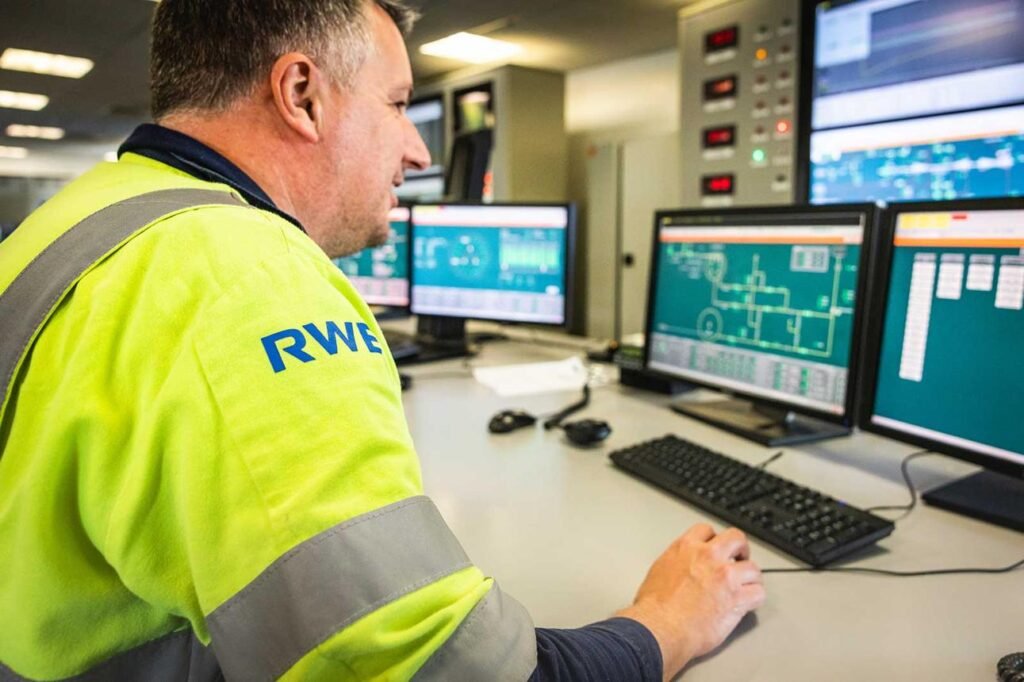
The UK’s energy sector is one of the most heavily targeted industries in the country. Electricity generators, gas suppliers, distribution networks, renewable energy operators and smart meter infrastructure providers all face constant cyber threats.
The good news is that energy firms do not simply wait for an attack to happen. Modern energy companies invest heavily in systems designed to identify suspicious activity before significant damage occurs.
From artificial intelligence monitoring billions of events each day to specialist security teams operating around the clock, cyber attack detection has become one of the most important functions within the energy industry.
Why Detecting Cyber Attacks Matters
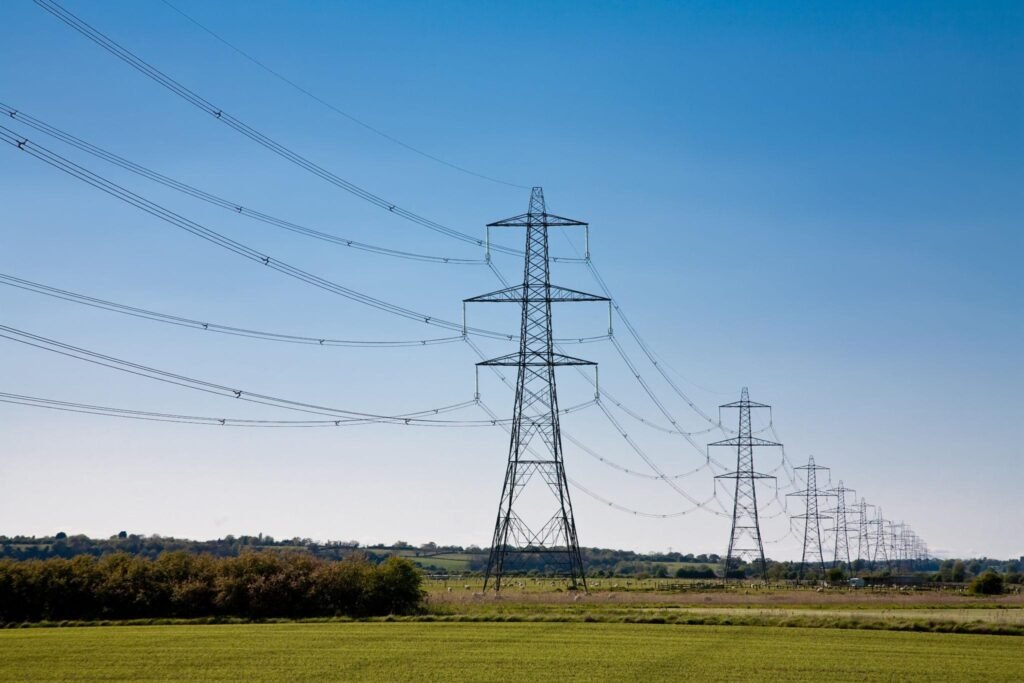
Energy infrastructure is classed as Critical National Infrastructure (CNI) in the UK.
If a cyber attack disrupts power generation, electricity transmission, gas distribution or customer billing systems, the consequences can affect millions of people.
The UK’s National Cyber Security Centre (NCSC) has repeatedly warned that hostile states and organised criminal groups continue to target energy organisations because of their importance to national security and economic stability.
Many attacks begin quietly.
Hackers rarely announce themselves. Instead, they often spend weeks or months attempting to gain access, move through networks and identify valuable systems.
Detection is therefore the difference between stopping an intruder early and discovering a breach after significant damage has occurred.

The Scale of Monitoring Inside Energy Companies
Modern energy firms monitor enormous amounts of data.
A large supplier or network operator may generate billions of security events every day from:
- Employee computers
- Servers
- Cloud services
- Mobile devices
- Smart meters
- Operational technology systems
- Industrial control systems
- Network equipment
- Customer platforms
Security teams use automated systems to identify unusual behaviour hidden amongst this vast volume of information.
Read more: Could Hackers Access Smart Meter Data? (/could-hackers-access-smart-meter-data/)
Security Operations Centres (SOCs)
The Front Line of Detection
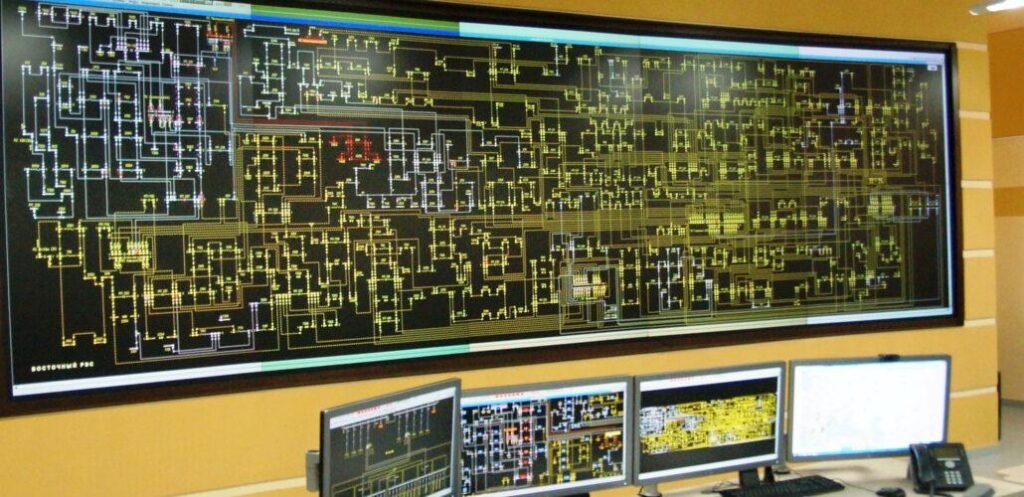
Most major energy firms operate Security Operations Centres, commonly known as SOCs.
Security analysts monitor alerts 24 hours a day, 365 days a year.
Their role includes:
- Watching network traffic
- Reviewing suspicious logins
- Investigating malware alerts
- Monitoring unusual user activity
- Detecting data theft attempts
- Responding to incidents

Security Information and Event Management Systems
SIEM Platforms
One of the most important detection tools used by energy companies is a Security Information and Event Management system, known as a SIEM.
Examples include:
- Microsoft Sentinel
- Splunk
- IBM QRadar
- LogRhythm
SIEM platforms collect logs from thousands of devices and systems.
They then analyse those logs for suspicious behaviour and automatically alert security teams when something unusual occurs.
Artificial Intelligence and Machine Learning
Spotting Behaviour That Humans Miss
Many energy companies now use AI-powered cyber defence systems.
Traditional security tools look for known attack signatures.
AI systems look for abnormal behaviour.
For example:
- An engineer suddenly downloading thousands of files
- A smart meter system communicating with unusual servers
- An employee logging in from multiple countries within hours
- Unexpected activity inside operational technology networks

AI can identify subtle indicators that may not trigger conventional security alerts.
This approach is increasingly important because modern attackers constantly change their techniques.
Endpoint Detection and Response
Monitoring Every Device
Energy firms deploy Endpoint Detection and Response (EDR) tools across laptops, desktops and servers.
Popular platforms include:
- Microsoft Defender for Endpoint
- CrowdStrike Falcon
- SentinelOne
EDR systems monitor:
- Program execution
- File activity
- User behaviour
- Network connections
- Malware activity
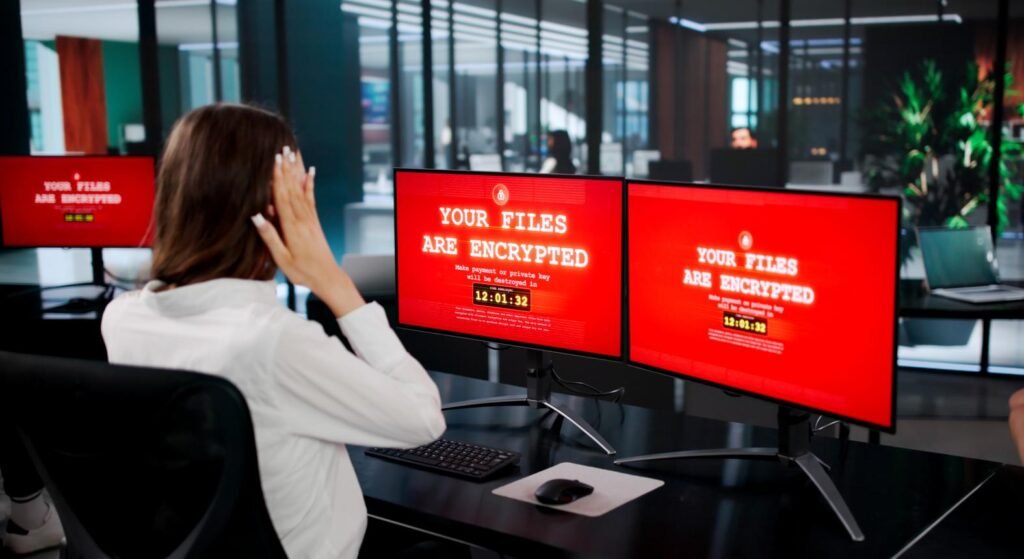
If ransomware begins encrypting files, EDR software can often identify and stop the attack within seconds.
Read more: What Happens If an Energy Supplier Is Hit by Ransomware? (/what-happens-if-an-energy-supplier-is-hit-by-ransomware/)
Monitoring Operational Technology
Protecting Industrial Systems
Energy companies operate far more than office networks.
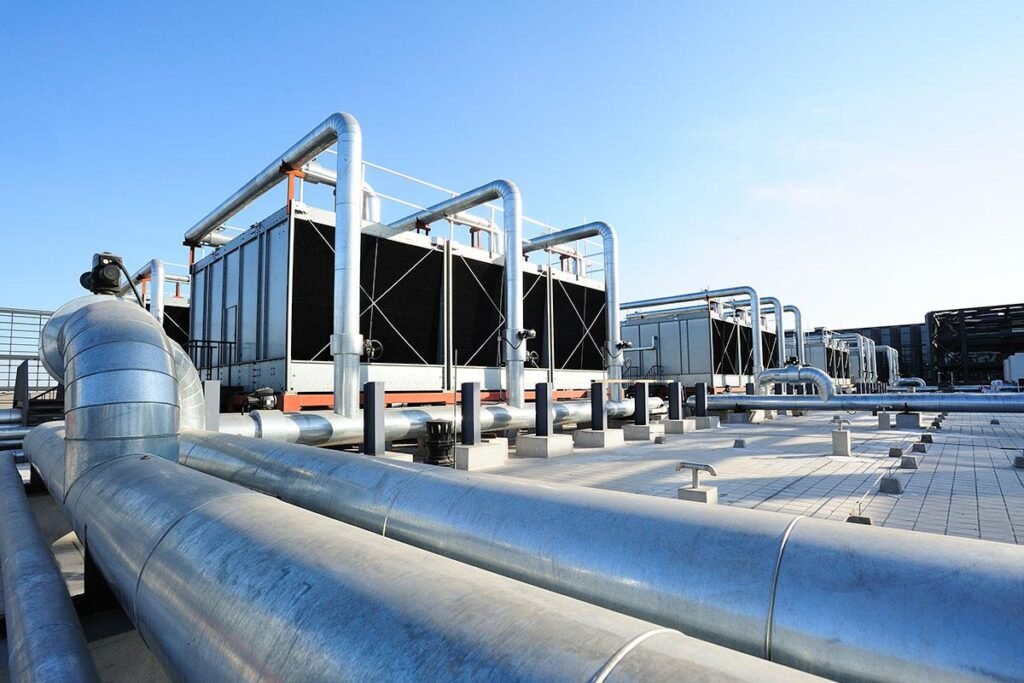
They also run Operational Technology (OT) systems controlling physical infrastructure.
Examples include:
- Electricity substations
- Power stations
- Wind farms
- Solar farms
- Gas networks
- Control centres
These environments require specialist monitoring because unusual activity may indicate an attempt to disrupt physical operations.

Following incidents such as the Ukrainian power grid cyber attacks, energy firms worldwide have increased OT monitoring significantly.
Threat Intelligence Feeds
Learning From Global Attacks
Energy companies subscribe to threat intelligence services.
These services provide information about:
- Emerging malware
- Criminal groups
- Nation-state activity
- Vulnerabilities
- Attack techniques
If a new ransomware group begins targeting utility companies, security teams can search their systems for related indicators immediately.
This allows firms to identify attacks before they cause significant disruption.
Real-World Example: Colonial Pipeline
One of the most famous examples occurred in 2021 when the Colonial Pipeline suffered a ransomware attack.
The company detected suspicious activity linked to ransomware and shut down pipeline operations as a precaution.
The incident demonstrated how cyber attacks can rapidly affect energy supplies and critical infrastructure.
4
Smart Meter Monitoring
Detecting Suspicious Activity at Scale
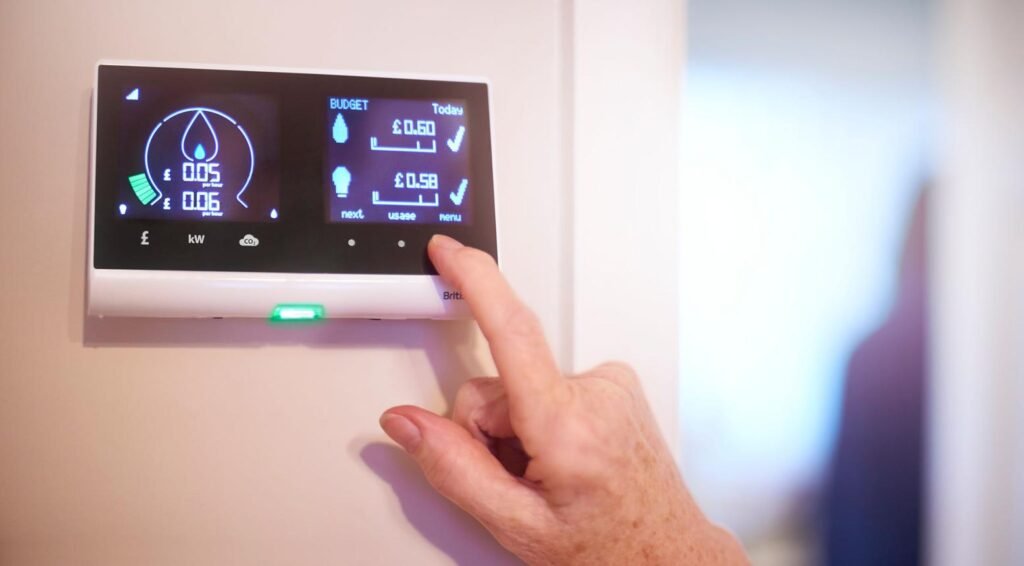
The UK’s smart meter infrastructure contains multiple layers of security monitoring.
Operators continuously monitor for:
- Unusual communication patterns
- Device tampering
- Authentication failures
- Network anomalies
- Unexpected firmware changes
Because millions of smart meters communicate across the network, automated detection is essential.
Read more: Are Smart Meters a Cyber Security Risk? (/are-smart-meters-a-cyber-security-risk/)
User Behaviour Analytics
Monitoring Human Activity
Cyber criminals frequently use stolen credentials.
This means the attacker appears to be a legitimate user.
User Behaviour Analytics systems look for unusual behaviour such as:
- Accessing unfamiliar systems
- Downloading excessive amounts of data
- Working at unusual times
- Connecting from unusual locations
Penetration Testing and Threat Hunting
Looking for Hidden Attackers
Not all detection relies on automated alerts.
Many energy companies employ threat hunters.
These specialists proactively search for signs of compromise.
Their work often uncovers attackers who have avoided traditional security systems.

Read more: Are UK Energy Suppliers Prepared for Cyber Attacks?
The Future of Cyber Attack Detection
The future of energy cyber defence will rely increasingly on:
- Artificial intelligence
- Behavioural analytics
- Automated response systems
- Real-time threat intelligence
- Advanced operational technology monitoring
As smart grids, renewable energy assets and connected devices continue to expand, detection systems will become even more sophisticated.
Conclusion
Energy firms detect cyber attacks through a combination of technology, intelligence and human expertise. Security Operations Centres monitor networks around the clock, AI systems analyse unusual behaviour, EDR tools watch individual devices, and specialist teams hunt for hidden threats.
The UK’s energy sector understands that cyber attacks are not a future risk. They are a daily reality. Detection capabilities therefore remain one of the most important defences protecting Britain’s energy infrastructure.