The idea of hackers increasing your electricity bill from a dark room somewhere overseas sounds like the plot of a cyber-thriller. Unfortunately, the reality is more complicated. While hackers cannot usually log into an energy supplier and simply decide that electricity costs £1 per kWh tomorrow, cyber attacks can influence energy prices indirectly, disrupt markets, manipulate trading systems, and create conditions that push costs higher.
In a world where energy generation, distribution, trading and billing are increasingly digital, cyber security has become a significant factor in energy market stability. As the UK continues its transition towards smart grids, renewable energy and connected infrastructure, the opportunities for cyber criminals and hostile states continue to grow.
How Energy Prices Are Actually Determined
Before understanding how hackers could influence prices, it helps to understand how energy pricing works.
Energy prices are affected by:
- Wholesale gas prices
- Electricity generation costs
- Supply and demand
- Weather conditions
- Geopolitical events
- Energy trading markets
- Grid stability
- Government policies
- Supplier operating costs
Modern energy markets rely heavily on digital systems.
These include:
- Energy trading platforms
- Automated market algorithms
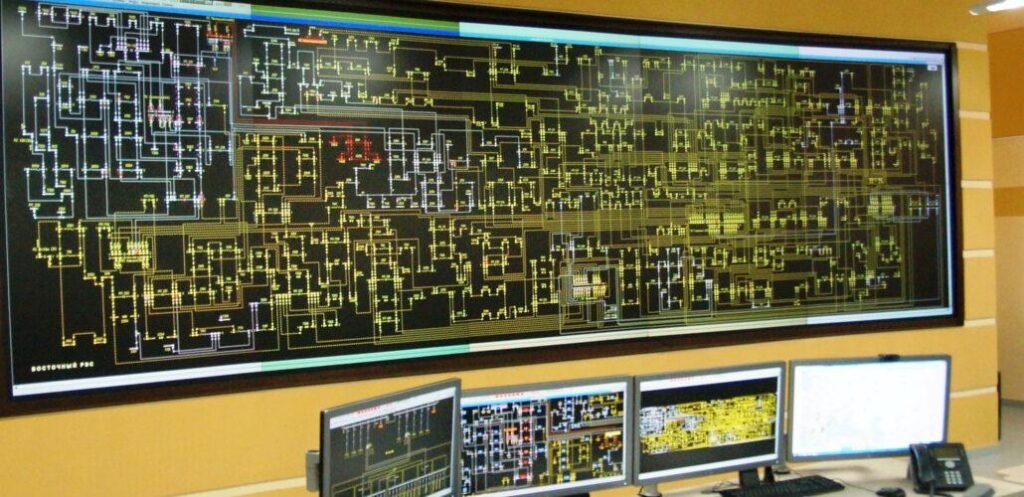
- Smart grid management systems
- Demand forecasting software
- Billing systems
- Customer databases
- Power station control networks
Every digital system creates a potential attack surface.
Can Hackers Directly Change UK Energy Prices?
Usually Not Directly
Energy prices in the UK are governed by market mechanisms and regulations.
Cyber criminals cannot simply access a supplier’s website and alter national electricity prices.
However, they can potentially influence the systems that contribute to pricing decisions.
Examples include:
- Disrupting generation facilities
- Interfering with energy trading platforms
- Manipulating market data
- Causing operational outages
- Increasing supplier costs through ransomware
Those costs often end up being passed on to consumers eventually.
In other words, hackers do not normally set prices.
They can create circumstances that make prices rise.
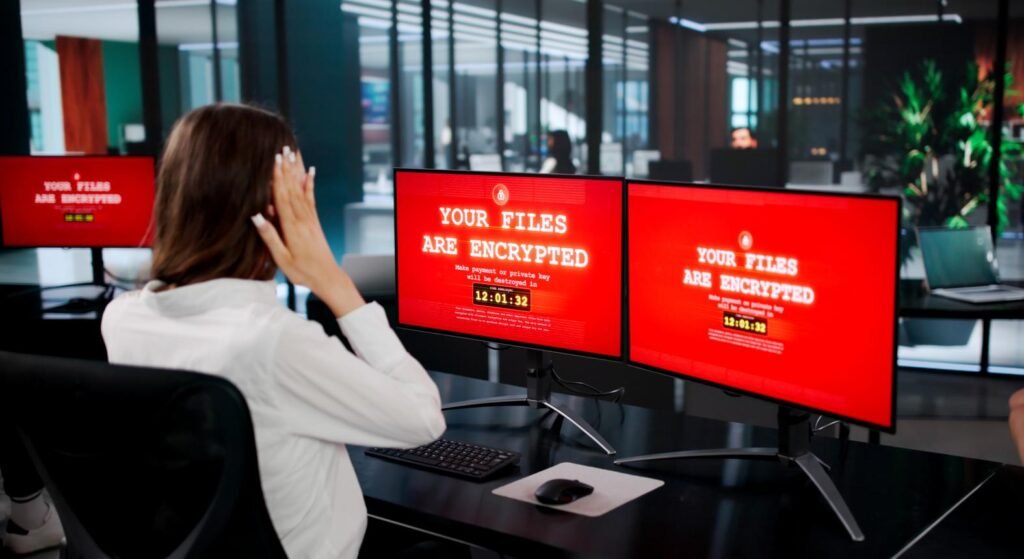
Ransomware Attacks Can Increase Operating Costs
The Hidden Cost of Recovery
When an energy company suffers a ransomware attack, the financial impact can be enormous.
Costs may include:
- Incident response teams
- Forensic investigations
- System rebuilding
- Legal expenses
- Regulatory reporting
- Customer compensation
- Lost revenue
Major incidents regularly cost millions of pounds.
Those expenses become part of a company’s operating costs.
Over time, increased costs can contribute to higher prices for customers.
Real World Example: Colonial Pipeline
In 2021, the Colonial Pipeline suffered a ransomware attack that forced fuel distribution disruptions across parts of the United States.
Although the attack targeted IT systems rather than pipeline controls, the resulting panic buying led to fuel shortages and price spikes in several regions.
The incident demonstrated how cyber attacks can have real-world effects on energy markets and consumer prices.

Energy Trading Platforms Are Attractive Targets
Where Billions Change Hands Every Day
Wholesale energy markets depend on trading systems that process huge volumes of transactions.
These platforms help determine:
- Electricity prices
- Gas prices
- Futures contracts
- Supply agreements
If attackers gained access to trading environments, they could potentially:
- Manipulate market information
- Disrupt transactions
- Delay trades
- Create uncertainty
Even temporary uncertainty can increase market volatility.
Financial markets generally dislike surprises. Humans built entire industries around paying experts to predict surprises and then becoming surprised anyway.
Market Manipulation Through False Information
Data Can Be Worth More Than Oil
Energy markets rely on accurate information.
Examples include:
- Power station output
- Renewable generation forecasts
- Demand forecasts
- Gas storage levels
- Grid capacity
If attackers successfully altered or falsified data, traders could make decisions based on incorrect information.
This could influence:
- Market confidence
- Short-term prices
- Supply contracts
- Trading strategies
Modern energy companies therefore place significant emphasis on monitoring data integrity.
Could Hackers Trigger Artificial Supply Shortages?
Potentially, Yes
If attackers disrupted critical energy infrastructure, temporary supply reductions could occur.
Examples might include:
- Shutting down generation facilities
- Disrupting fuel supply chains
- Targeting transmission systems
- Affecting operational technology networks
Reduced supply often results in higher prices.
This is particularly true during periods of:
- High winter demand
- Extreme weather
- Geopolitical tensions
Fortunately, UK energy infrastructure includes multiple layers of resilience and backup systems.
Real World Example: Ukraine’s Power Grid Attacks
The cyber attacks against Ukraine in 2015 and 2016 demonstrated that cyber operations can disrupt electricity supplies.
Attackers successfully interfered with power distribution systems, causing outages affecting hundreds of thousands of customers.
These incidents are widely regarded as some of the most significant attacks on civilian energy infrastructure ever documented.
They showed that cyber attacks can move beyond computers and affect physical energy delivery.

Smart Grids Create New Opportunities and Risks
The Benefits of Connectivity
The UK is increasingly moving towards smart energy systems.
Benefits include:
- Better efficiency
- Improved forecasting
- Faster fault detection
- Renewable energy integration
However, connectivity also creates additional cyber security challenges.
A larger number of connected devices means:
- More software
- More networks
- More access points
- More potential vulnerabilities
The challenge is ensuring that security evolves as quickly as technology.
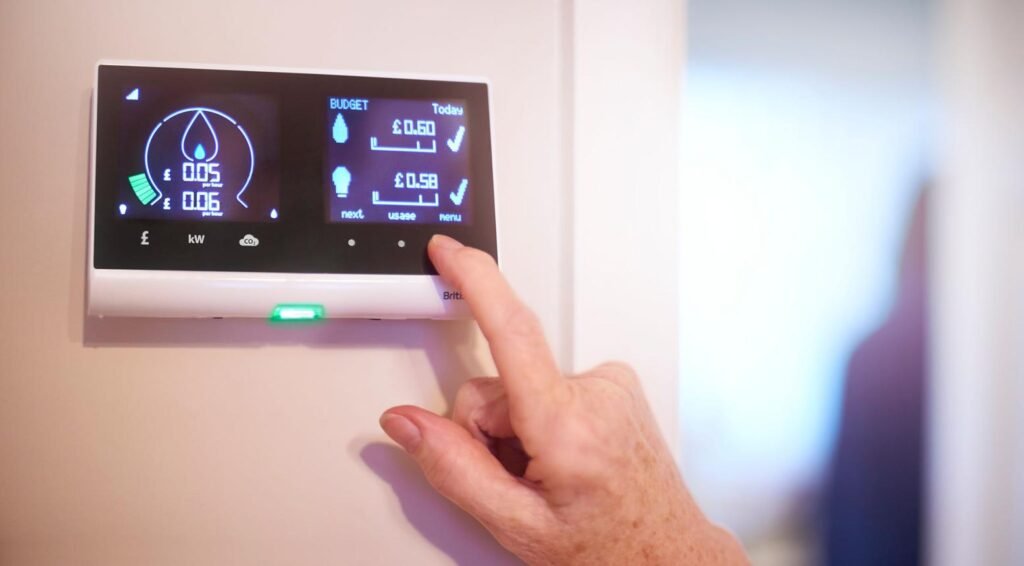
Could Smart Meters Be Used to Influence Prices?
Not Easily
Smart meters are designed with multiple security protections.
A hacker compromising individual smart meters would be unlikely to influence national energy prices.
However, large-scale attacks against connected energy infrastructure could potentially affect:
- Demand forecasting
- Consumption reporting
- Grid management processes
The UK’s smart metering infrastructure was designed with extensive security requirements to minimise these risks.
For a deeper look, see our guide:
Could hackers access smart meter data?
https://cyberengland.co.uk/could-hackers-access-smart-meter-data/
Nation-State Threats Are the Bigger Concern
Strategic Disruption Rather Than Profit
Many cyber criminals seek money.
Nation-state attackers may have different objectives.
Potential goals include:
- Economic disruption
- Political pressure
- Infrastructure sabotage
- Intelligence gathering
Energy systems are frequently viewed as critical national infrastructure.
This makes them attractive targets during periods of international tension.
The UK’s National Cyber Security Centre regularly highlights threats facing critical infrastructure sectors, including energy.
What Protections Exist in the UK?
Multiple Layers of Defence
UK energy operators employ extensive security measures.
These include:
- Network segmentation
- Security monitoring
- Threat intelligence
- Penetration testing
- Incident response teams
- Operational technology security controls
- Government oversight
Energy companies also work closely with:
- National Cyber Security Centre
- Ofgem
- National Energy System Operator
The goal is to reduce the likelihood that a cyber incident could significantly affect energy supplies or pricing.
What Would Happen If a UK Energy Supplier Was Hacked?
A successful attack could potentially lead to:
- Customer service disruption
- Billing delays
- Operational costs increasing
- Regulatory investigations
- Reputational damage
While a single supplier breach is unlikely to affect national prices immediately, widespread attacks across multiple organisations could contribute to market instability.
Related article:
What happens if an energy supplier is hit by ransomware?
https://cyberengland.co.uk/what-happens-if-an-energy-supplier-is-hit-by-ransomware/
The Real Answer
Hackers generally cannot directly set UK energy prices.
However, cyber attacks can influence the factors that determine those prices.
Large-scale attacks may:
- Increase operational costs
- Disrupt supply chains
- Create market uncertainty
- Affect energy trading
- Damage infrastructure
- Reduce available energy supply
History has shown that cyber attacks against energy organisations can have economic consequences far beyond the affected company.
As the UK energy sector becomes more digital, protecting cyber security becomes increasingly important not just for keeping the lights on, but also for helping keep energy costs stable.
In short, hackers cannot usually decide what appears on your next electricity tariff. They can, however, create enough disruption that the market decides to charge more. Human economics remains one of the few systems capable of being hacked by both criminals and panic simultaneously.
Suggested Internal Links
Include these contextual links naturally throughout the article:
- Could a Cyber Attack Cause UK Blackouts?
- Can Hackers Bring Down the National Grid?
- Are UK Energy Suppliers Prepared for Cyber Attacks?
- How Often Are Energy Companies Targeted by Hackers?
- What Data Do Energy Suppliers Hold About Customers?
References
- National Cyber Security Centre
- Ofgem
- International Energy Agency
- European Union Agency for Cybersecurity
- Colonial Pipeline ransomware attack