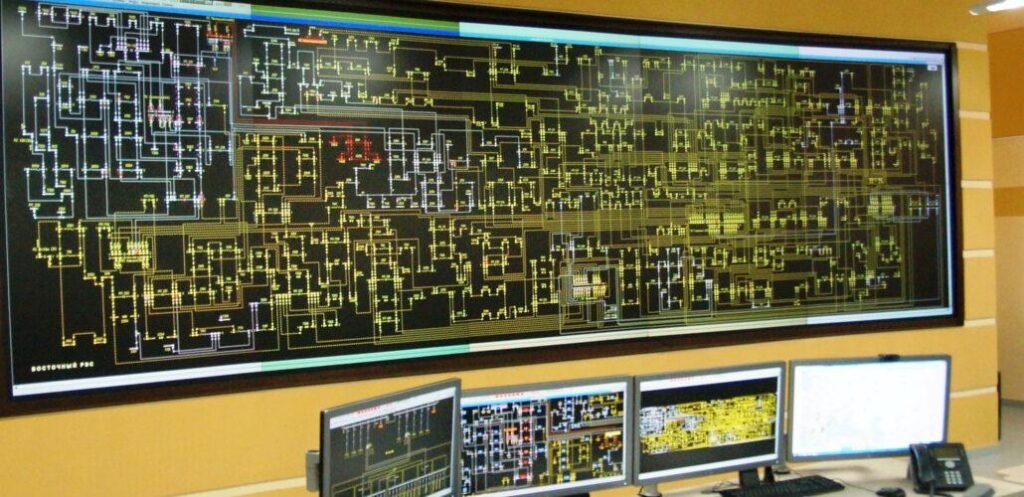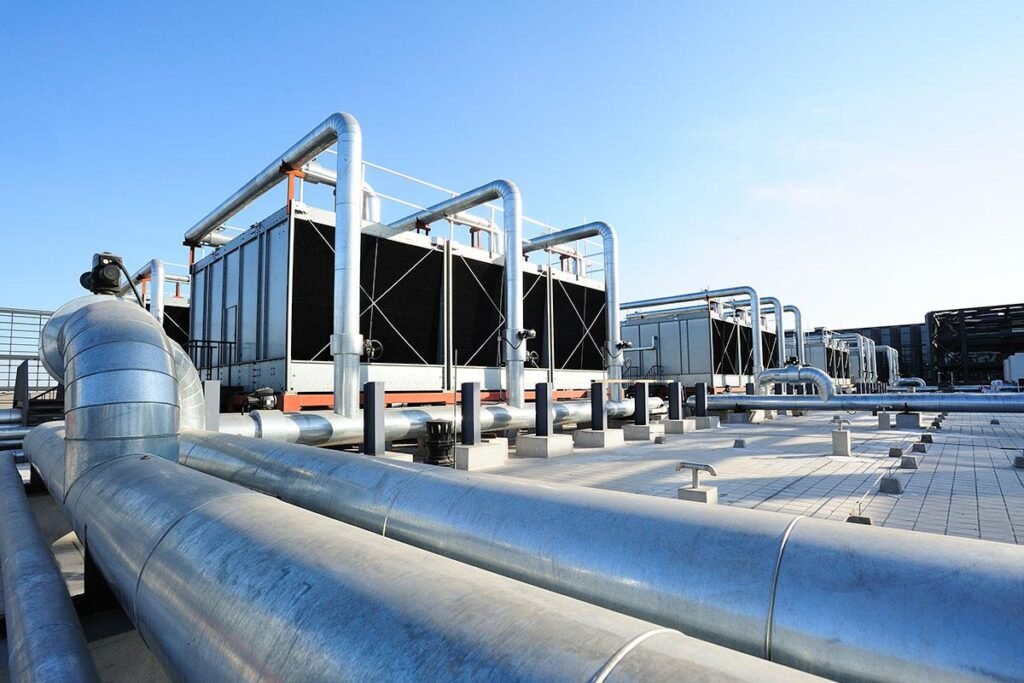
The UK energy sector spends hundreds of millions of pounds annually on cyber security, although exact figures are rarely disclosed publicly. Energy companies are considered part of the UK’s critical national infrastructure, making them a prime target for cyber criminals, ransomware gangs, state-sponsored attackers and hacktivist groups.
As the UK’s electricity, gas and renewable energy systems become increasingly digital, cyber security budgets have risen significantly over the past decade. Smart meters, cloud systems, customer portals, EV charging networks, industrial control systems and AI-driven grid management have all expanded the attack surface.
The reality is that cyber security is no longer an IT expense for energy companies. It has become a core operational requirement, similar to maintaining power stations, substations and transmission networks.

- Installs in circuit panel of most small businesses with clamp-on sensors. Supports Single phase, Single-split phase, and…
- 24/7 Energy Management and Monitoring: Automate and monitor your business’ real power anywhere, anytime to prevent costl…
- Lower Your Electric Bill: Configure settings in the Emporia Energy App to automate energy management for time of use, pe…
Why Energy Companies Spend So Much on Cyber Security
Energy suppliers and infrastructure operators face unique risks that many other industries do not.
Protecting Critical National Infrastructure
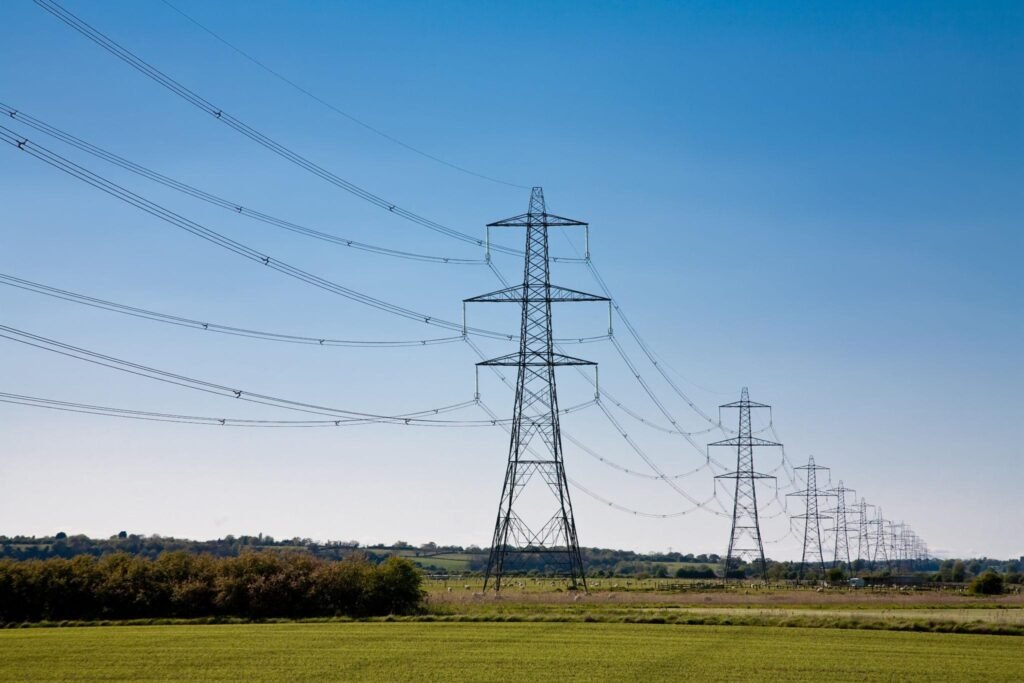
The UK Government classifies energy infrastructure as Critical National Infrastructure (CNI).
This means a successful cyber attack could potentially affect:
- Electricity supplies
- Gas distribution
- Fuel supply chains
- Energy trading markets
- Customer billing systems
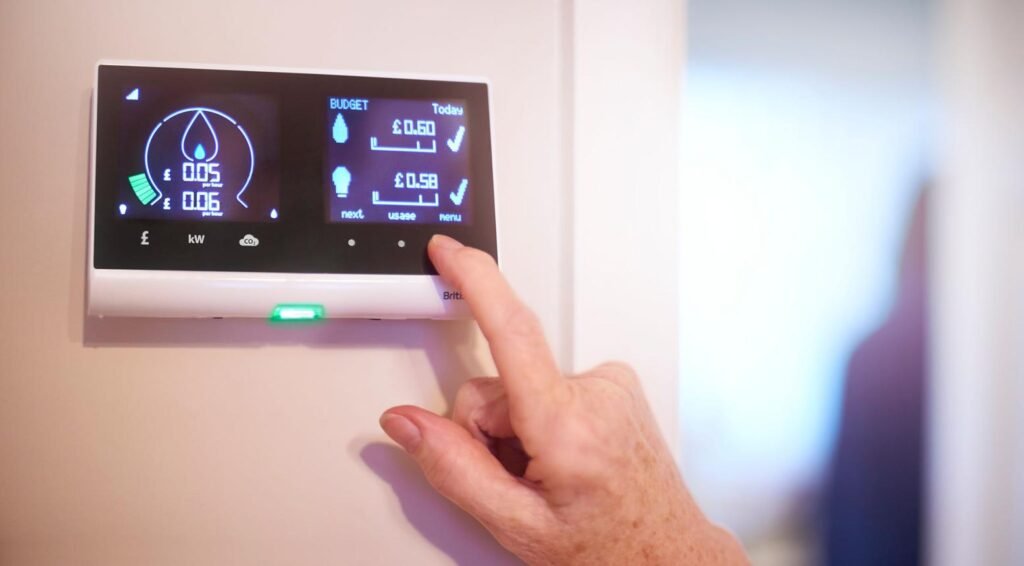
- Smart meter networks
Because of these risks, companies invest heavily in cyber defences.

Regulatory Requirements
Energy firms must comply with various regulations and security frameworks, including:
- Network and Information Systems (NIS) Regulations
- UK GDPR
- Data Protection Act 2018
- Cyber Assessment Framework (CAF)
- Guidance from the UK’s National Cyber Security Centre
Compliance alone can require substantial investment in technology, staff and auditing.
Increasing Cyber Threats
According to the UK’s National Cyber Security Centre, critical infrastructure organisations remain among the highest-priority targets for advanced cyber attacks.
Energy companies face:
- Ransomware attacks
- Supply chain compromises
- Phishing campaigns
- Insider threats
- Industrial control system attacks
- Nation-state espionage
Every year brings new threats, forcing organisations to increase spending.
Estimated Cyber Security Spending Across the English Energy Sector
Exact spending figures are difficult to obtain because most companies do not publish dedicated cyber security budgets.
However, industry analysts estimate:
| Organisation Type | Typical Annual Cyber Security Budget |
|---|---|
| Small energy supplier | £500,000 to £5 million |
| Mid-sized supplier | £5 million to £20 million |
| Large national supplier | £20 million to £100+ million |
| National infrastructure operators | £50 million to £250+ million |
Across the UK energy sector as a whole, annual cyber security spending is widely believed to exceed £500 million per year, with some estimates placing total spending well above £1 billion annually when infrastructure operators, suppliers, generators and contractors are included.
These costs include:
- Security software
- Security Operations Centres (SOCs)
- Threat intelligence
- Cyber insurance
- Penetration testing
- Employee training
- Incident response teams
- Compliance programmes
- Industrial control system security
Further Reading: PowerGuardian.co.uk is a UK energy intelligence platform covering energy prices, supplier analysis, market forecasts and industry news.
Where the Money Actually Goes
Many people imagine cyber security spending means buying antivirus software. The reality is far more complex.
Security Operations Centres
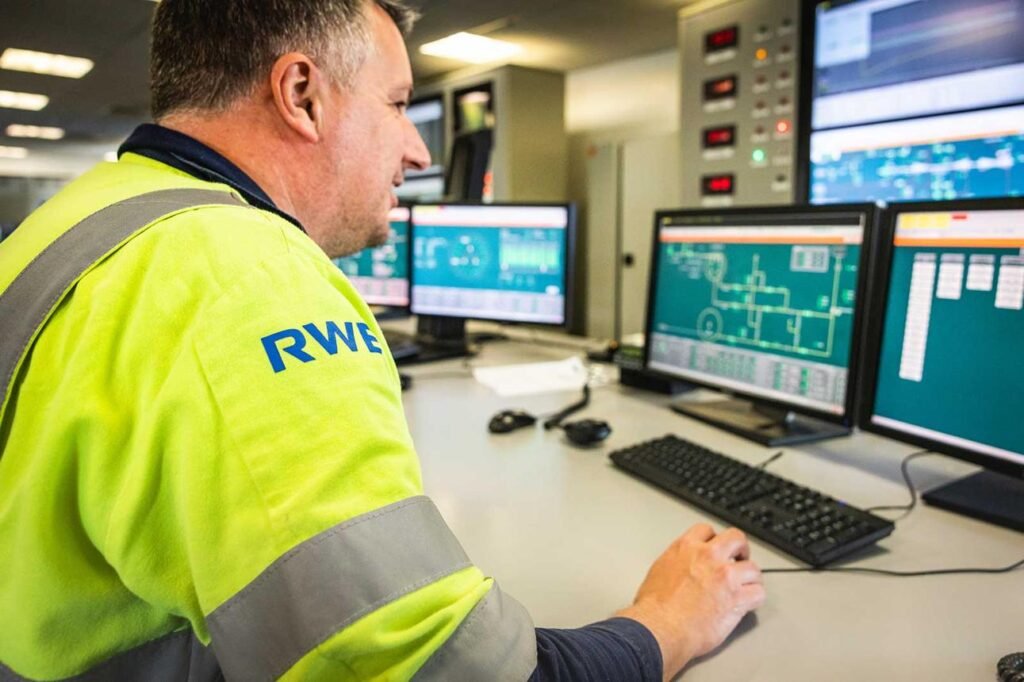
Most major energy firms operate 24/7 monitoring centres.
These centres:
- Detect threats
- Monitor network traffic
- Investigate alerts
- Coordinate incident response
Large SOC operations can cost millions of pounds per year.
Specialist Cyber Staff
Cyber security professionals are expensive.
Energy companies employ:
- Security analysts
- Threat hunters
- Incident responders
- Cyber engineers
- Compliance specialists
- Security architects
Senior specialists can command salaries exceeding £100,000 annually.
Industrial Control System Protection
Energy companies operate Operational Technology (OT) systems that control physical infrastructure.
Protecting these systems requires specialised solutions that are often more expensive than standard IT security products.

Customer Data Protection
Energy suppliers hold enormous amounts of customer information, including:
- Names
- Addresses
- Payment details
- Meter readings
- Smart meter usage data
- Contact information
Protecting this data requires substantial investment in encryption, monitoring and compliance.
Real-World Examples of Energy Sector Cyber Security Spending
National Grid
National Grid invests heavily in resilience, monitoring and infrastructure protection due to its central role in UK energy distribution.
While exact cyber spending figures are not publicly broken out, industry observers regard cyber security as a major component of operational resilience programmes.
British Gas
British Gas serves millions of customers and operates extensive digital systems.
Protecting customer accounts, smart energy services and internal infrastructure requires ongoing investment in cyber security technologies and staff.
EDF Energy
EDF Energy operates nuclear, renewable and conventional generation assets.
Nuclear-related environments require particularly stringent cyber security controls due to the potential consequences of disruption.
The Cost of Not Investing
Cyber security spending may seem expensive until compared with the cost of a major incident.
Ransomware Recovery
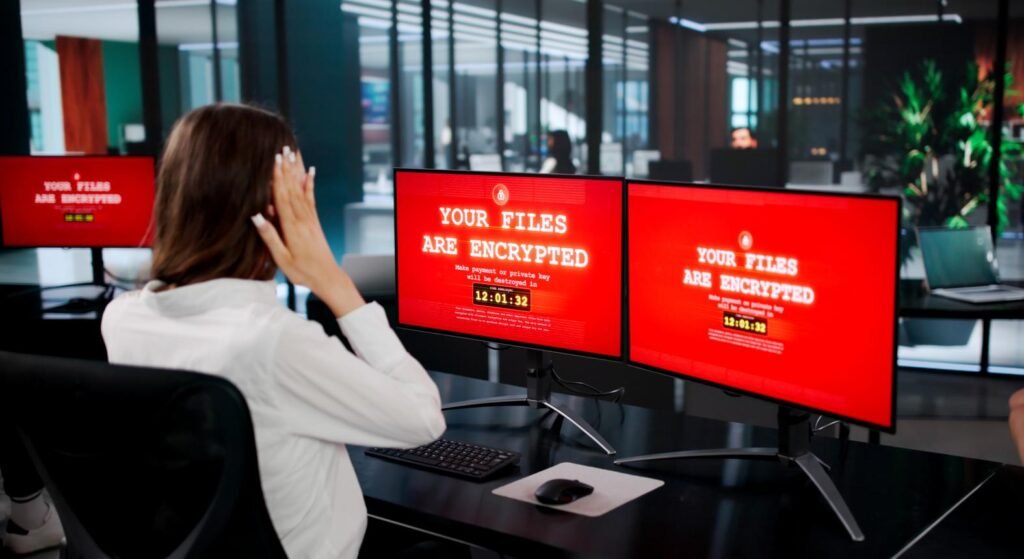
A large ransomware attack can cost:
- Millions in recovery costs
- Operational disruption
- Regulatory investigations
- Legal expenses
- Reputational damage
For a major energy provider, the total impact could easily exceed tens of millions of pounds.
Customer Compensation
If systems fail or customer services are disrupted, compensation costs can quickly accumulate.
Regulatory Penalties
Data protection failures can result in significant regulatory fines.
The cost of prevention is often far lower than the cost of recovery.
How Spending Has Changed Over Time
Cyber security budgets in the energy sector have increased dramatically.
Ten years ago, many organisations treated cyber security primarily as an IT issue.
Today it is viewed as a board-level risk.
Key drivers include:
- Smart meter rollout
- Cloud adoption
- Remote working
- Increased ransomware activity
- Geopolitical tensions
- Growing reliance on digital infrastructure
Many energy firms now spend several times more on cyber security than they did a decade ago.
- SAVES ENERGY AND HEATING COSTS: With the intelligent heater thermostat X from tado°, the experts for smart heating, user…
- EASY DIY INSTALLATION, EVEN OFFLINE: The included adapter allows the thermostat to be fitted to almost every radiator va…
- CONTROL VIA APP: The thermostat has numerous features for your heating system, such as smart scheduling, temperature con…
The Growing Challenge of Smart Energy Systems
The UK’s energy system is becoming increasingly connected.
This includes:
- Smart meters
- Smart grids
- Home batteries
- EV charging infrastructure
- Renewable generation systems
- Demand response platforms
Every connected device creates potential cyber risks.
Protecting these systems requires continuous investment.

Are Energy Companies Spending Enough?
This remains a matter of debate.
Many experts believe UK energy companies have significantly improved their cyber defences over the last decade.
However, attackers continue to evolve.
New threats include:
- AI-assisted phishing
- Deepfake-enabled fraud
- Supply chain attacks
- Nation-state cyber operations
- Attacks against smart infrastructure
Cyber security is not a one-time purchase. It requires continuous investment, testing and improvement.
The challenge facing energy companies is that attackers only need to find one weakness, while defenders must secure thousands of systems simultaneously. A deeply unfair arrangement, but cyber criminals rarely concern themselves with workplace fairness.
Final Thoughts
UK energy companies spend substantial sums on cyber security, with large organisations investing tens of millions of pounds annually and sector-wide spending likely exceeding hundreds of millions of pounds each year.
The money funds everything from security operations centres and specialist staff to industrial control system protection and customer data security.
As smart grids, renewable energy systems, EV charging networks and AI-driven infrastructure continue to expand, cyber security spending is likely to rise even further. For energy companies, cyber security is no longer simply about protecting computers. It is about protecting the systems that keep homes heated, businesses running and the lights on across Britain.
Further reading
- Could a Cyber Attack Cause UK Blackouts?
- Can Hackers Bring Down the National Grid?
- Are UK Energy Suppliers Prepared for Cyber Attacks?
- How Often Are Energy Companies Targeted by Hackers?
- What Data Do Energy Suppliers Hold About Customers?