Energy suppliers are among the most attractive targets for cyber criminals. They hold vast amounts of customer data, process millions of pounds in payments, manage critical infrastructure connections, and provide services that households and businesses depend upon every day.
When ransomware strikes an energy supplier, the consequences can extend far beyond a few locked computers. Customers may experience service disruptions, delayed billing, inaccessible online accounts, data breaches, and widespread uncertainty. In severe cases, the attack can affect wider energy operations and trigger regulatory investigations.
Humans built an entire modern economy around electricity and then connected everything to networks. Cyber criminals naturally interpreted this as an invitation.
Why Energy Suppliers Are Attractive Targets
Energy suppliers possess several things ransomware gangs value:
- Large customer databases
- Billing and payment systems
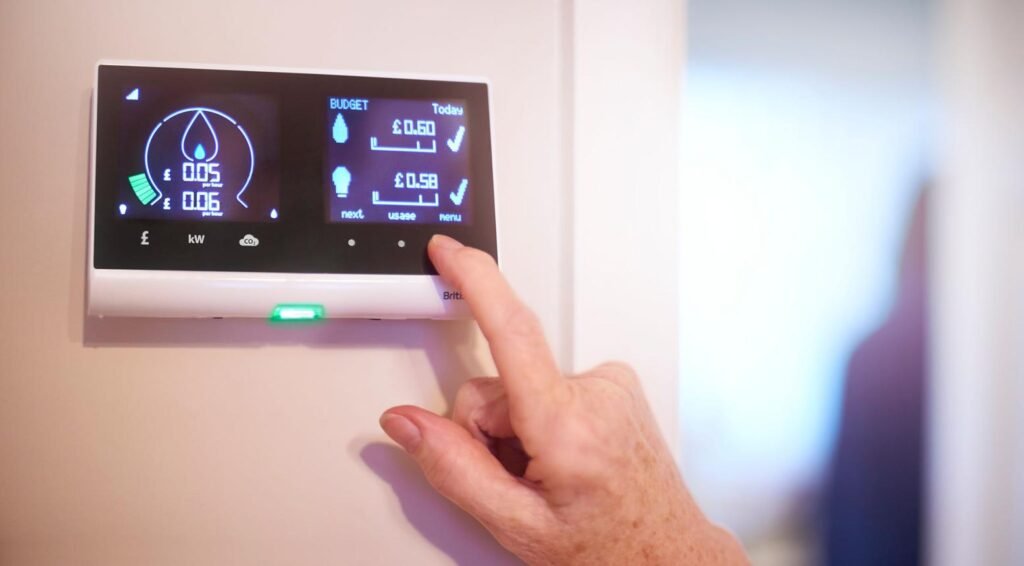
- Smart meter information
- Employee records
- Supplier and contractor data
- Critical operational technology connections
- Strong pressure to restore services quickly
Cyber criminals know that organisations responsible for essential services often face enormous pressure to recover systems rapidly. That pressure can make them more vulnerable to extortion demands.
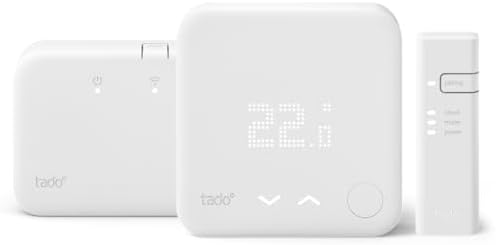
- Full control over your heating with the tado° app from anywhere, reduce your energy consumption and save money with the …
- Heating Boost: heat up all rooms for 30 minutes with one click in the app
- Smart Schedules for the perfect temperature individually in each room, at any time; only active when someone’s home; can…
How A Ransomware Attack Usually Begins
Phishing Emails
The most common entry point remains phishing.
An employee receives what appears to be:
- An invoice
- A supplier document
- A delivery notice
- A Microsoft 365 alert
- A job application attachment
One click can install malware that provides attackers with access to the network.
Stolen Credentials
Attackers frequently purchase or steal login credentials from previous data breaches.
If multi-factor authentication is weak or absent, criminals may gain access without triggering alarms.
Vulnerable Software
Unpatched systems remain a major risk.
Cyber criminals continuously scan the internet looking for:
- VPN vulnerabilities
- Remote desktop services
- Cloud misconfigurations
- Outdated servers
What Happens Once Attackers Gain Access?
Stage 1: Silent Reconnaissance
Modern ransomware groups rarely launch attacks immediately.
Instead they may spend days or weeks:
- Mapping networks
- Identifying critical systems
- Finding backups
- Locating sensitive data
- Escalating privileges
The goal is maximum disruption.
Stage 2: Data Theft
Before encrypting systems, many ransomware gangs steal information.
This creates a second layer of pressure.
Victims face the threat that customer or employee data could be published online if payment is refused.
Stage 3: Encryption
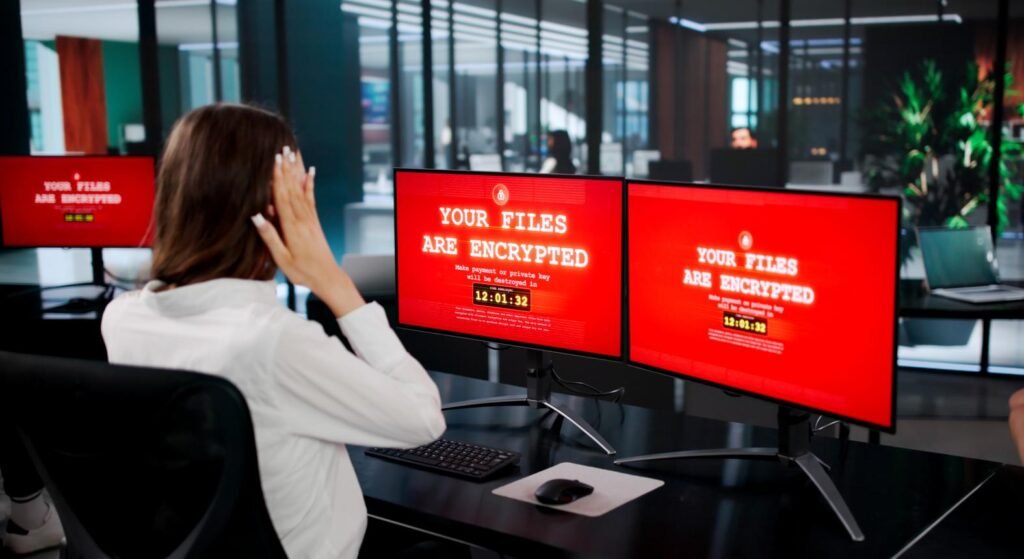
Files across the organisation become inaccessible.
Affected systems may include:
- Billing platforms
- Customer portals
- Internal databases
- Document management systems
- Email systems
- Call centre software
Staff suddenly lose access to essential information.
Check out our UK Power Cut & Cyber Impact Checker – See how badly a UK power outage or cyber-related energy disruption could affect your home or small business — and what to fix first.
Immediate Impact on Customers
Online Accounts May Become Unavailable
Customers often notice issues quickly.
They may find:
- Websites unavailable
- Mobile apps offline
- Login failures
- Payment systems disrupted
Energy suppliers commonly take systems offline deliberately during incident response.
Billing Delays
If billing platforms are encrypted, suppliers may be unable to:
- Generate bills
- Process payments
- Update account balances
Some customers may receive delayed or estimated bills.
Customer Service Disruption
Call centres depend heavily on digital systems.
If those systems are unavailable:
- Waiting times increase
- Support becomes slower
- Account information may be inaccessible
Customers can become frustrated long before power supplies are affected.

Does Ransomware Cause Power Cuts?
Usually No
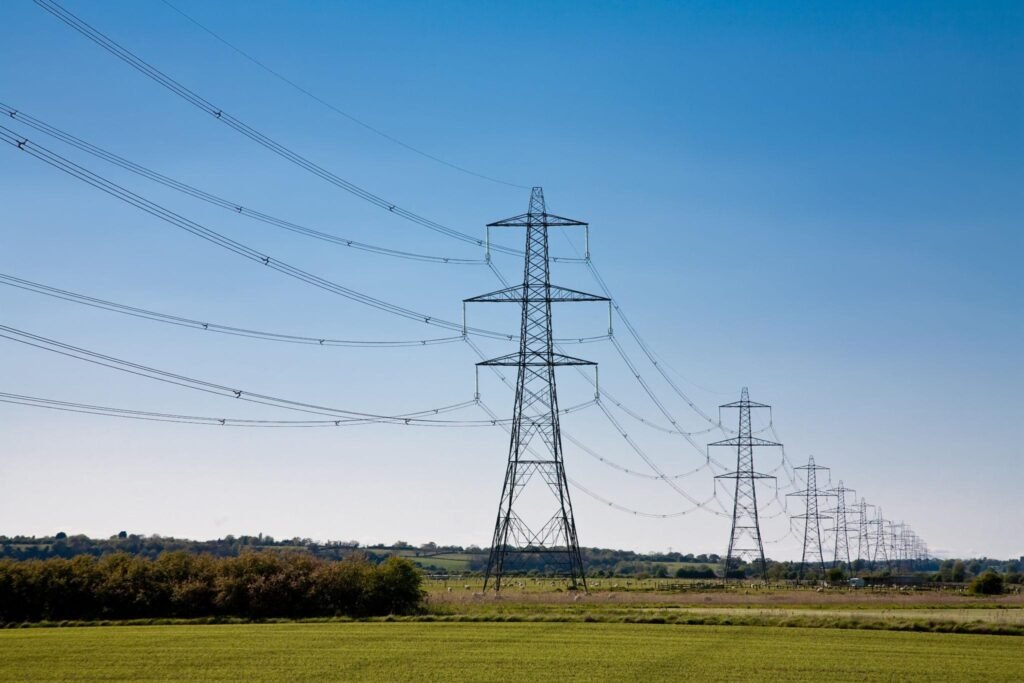
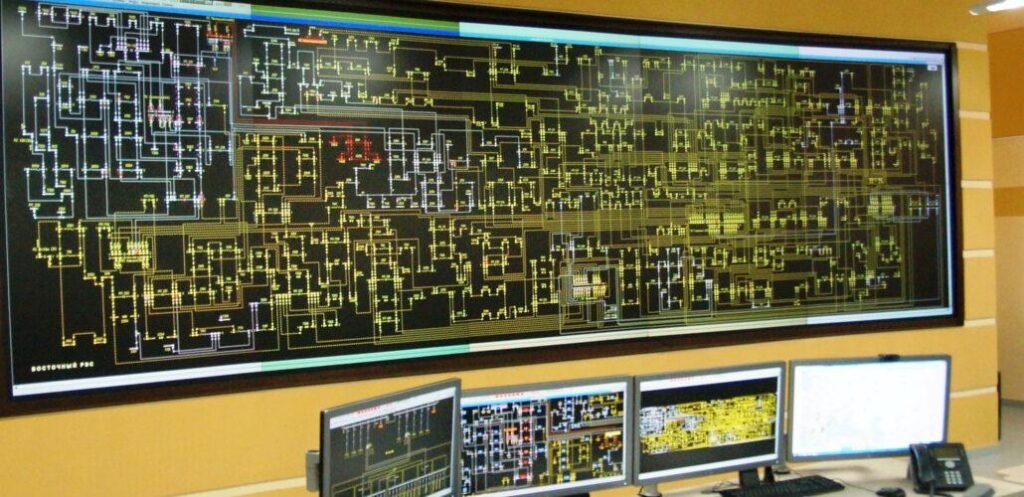
Most ransomware incidents affect business IT systems rather than electricity generation or distribution infrastructure.
Customers often assume a cyber attack means lights immediately go out.
In reality, energy suppliers and energy network operators are usually separate organisations.
The systems that manage customer accounts are often isolated from operational technology systems that control electricity networks.
However, The Risk Exists
Cyber security experts remain concerned about attacks that bridge the gap between information technology (IT) and operational technology (OT).
Historical incidents have shown that cyber attacks can affect energy infrastructure under certain circumstances.
The most famous example occurred during the Ukraine Power Grid Attack, where attackers disrupted electricity supplies for hundreds of thousands of people.
While the UK energy sector has significantly stronger protections, the incident demonstrated what is technically possible.
What Happens Behind The Scenes?
Incident Response Teams Activate
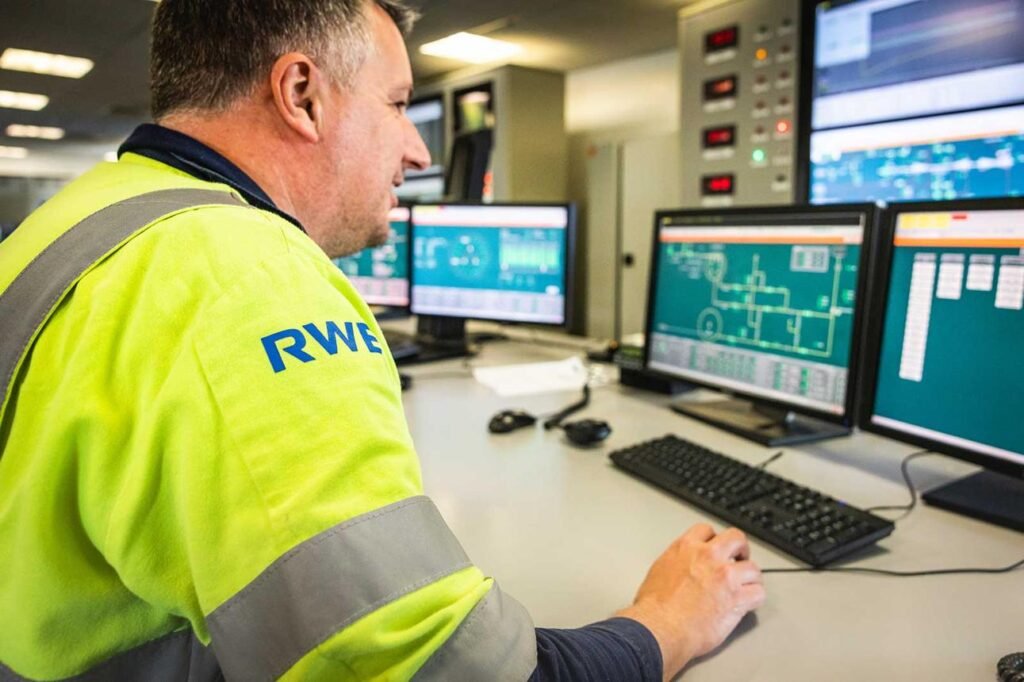
As soon as ransomware is discovered, specialists begin containment.
Actions often include:
- Disconnecting systems
- Isolating networks
- Disabling accounts
- Blocking malicious activity
- Preserving evidence
Cyber Security Specialists Investigate
Internal teams and external experts work to determine:
- How attackers entered
- What data was accessed
- Which systems were affected
- Whether information was stolen
Regulatory Reporting Begins
Energy suppliers may need to notify regulators and authorities depending on the circumstances.
This can include organisations such as:
- National Cyber Security Centre
- Information Commissioner’s Office
- Ofgem
Real-World Examples
Colonial Pipeline (United States, 2021)
The ransomware attack on Colonial Pipeline became one of the most famous energy-sector cyber incidents.
Although the attack primarily affected IT systems, operations were temporarily halted as a precaution.
The disruption contributed to fuel shortages across parts of the United States and demonstrated how cyber attacks can create real-world impacts far beyond computer networks.
E.ON UK Cyber Incident
E.ON UK has previously experienced cyber-related incidents involving customer data exposure. While not a major ransomware shutdown, it highlighted the sensitivity of information held by energy suppliers.
Increasing Threat Activity
The UK’s energy sector is routinely targeted by nation-state actors, organised cyber crime groups and ransomware operators. The National Cyber Security Centre has repeatedly warned that critical national infrastructure remains a priority target for attackers.

What Happens If Customer Data Is Stolen?
Personal Information May Be Exposed
Potentially affected information can include:
- Names
- Addresses
- Contact details
- Account numbers
- Billing history
- Payment information
- Smart meter data
Criminals May Launch Follow-Up Attacks
Stolen data can be used for:
- Identity fraud
- Phishing campaigns
- Social engineering attacks
- Financial scams
This is why organisations often provide guidance to affected customers following a breach.
Do Energy Suppliers Pay The Ransom?
Increasingly, Many Do Not
Law enforcement agencies generally discourage ransom payments.
There are several reasons:
- No guarantee of recovery
- Criminals may strike again
- Data may still be leaked
- Payment funds further attacks
Many organisations instead focus on restoring systems from secure backups.
Recovery Can Take Weeks
Even when backups exist, recovery is rarely immediate.
Organisations must:
- Verify systems are clean
- Rebuild infrastructure
- Test applications
- Restore data safely
Large-scale recovery efforts can continue for months.

- Installs in circuit panel of most small businesses with clamp-on sensors. Supports Single phase, Single-split phase, and…
- 24/7 Energy Management and Monitoring: Automate and monitor your business’ real power anywhere, anytime to prevent costl…
- Lower Your Electric Bill: Configure settings in the Emporia Energy App to automate energy management for time of use, pe…
How The UK Energy Sector Defends Against Ransomware
Multiple Layers Of Protection
Energy suppliers typically invest heavily in:
- Security monitoring
- Threat intelligence
- Multi-factor authentication
- Network segmentation
- Security awareness training
- Backup systems
- Incident response planning
Critical National Infrastructure Protection
The UK treats parts of the energy sector as critical national infrastructure.
This means additional focus is placed on resilience and cyber security readiness.
Organisations work closely with government bodies and industry partners to improve defences against evolving threats.
What Customers Should Do If Their Supplier Is Hit
Stay Alert
Watch for official communications from the supplier.
Avoid clicking links in unexpected emails claiming to relate to the incident.
Monitor Accounts
Keep an eye on:
- Bank accounts
- Payment cards
- Energy account activity
Change Passwords
If instructed by the supplier, change passwords immediately and enable multi-factor authentication where available.
Be Wary Of Scams
Cyber criminals often exploit publicised incidents by sending fake emails and text messages pretending to be the affected organisation.
The Bottom Line
A ransomware attack against an energy supplier is far more than a technical problem. It can disrupt customer services, delay billing, expose sensitive data and damage trust in a sector that underpins everyday life.
In most cases, electricity and gas supplies continue uninterrupted because operational systems are separated from customer-facing networks. However, ransomware incidents can still create significant disruption and financial costs.
As smart meters, connected energy systems, electric vehicle charging networks and AI-driven energy management become more widespread, the importance of cyber security within the UK energy sector will only increase. The challenge for energy companies is not simply preventing attacks, but ensuring they can continue operating safely when attackers inevitably come knocking.
Further reading
- Could a Cyber Attack Cause UK Blackouts?
- How Often Are Energy Companies Targeted by Hackers?
- Are UK Energy Suppliers Prepared for Cyber Attacks?
- Can Hackers Bring Down the National Grid?
- What Data Do Energy Suppliers Hold About Customers?
References
- National Cyber Security Centre
- Information Commissioner’s Office
- Ofgem
- International Energy Agency
- European Union Agency for Cybersecurity
- Reports and guidance from the UK Government, NCSC, Ofgem, ENISA and international critical infrastructure cyber security studies.