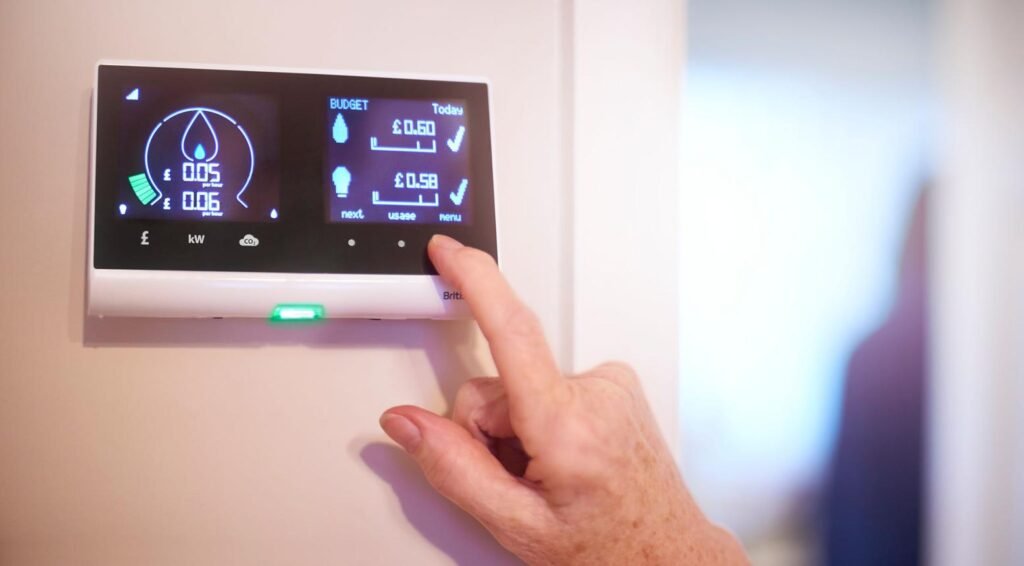
Smart meters have become a normal part of life across the UK, with millions of homes and businesses now using them to automatically send energy readings to suppliers. They promise accurate billing, reduced manual meter readings, and better visibility of energy usage.
But as with any connected technology, an obvious question arises: could hackers access smart meter data?
The short answer is yes, it is technically possible for cyber criminals to target smart meter systems. However, successfully accessing meaningful customer data or manipulating smart meters is far more difficult than many people assume due to the extensive security measures built into the UK’s smart metering infrastructure.
Let’s examine the reality.
What Data Does a Smart Meter Collect?
A smart meter records information about energy consumption and sends that data securely to your supplier.
Typical data collected includes:
- Electricity usage
- Gas usage
- Meter identification numbers
- Time-of-use consumption patterns
- Technical information about the meter itself
- Communications status and performance data
It does not normally collect:
- Internet browsing history
- Voice recordings
- CCTV footage
- Personal files
- Financial information
The meter’s main purpose is to measure and report energy usage.
- Learning function
Why Smart Meter Data Matters to Cyber Criminals
At first glance, energy usage data may seem unimportant.
However, cyber criminals often look for patterns that can reveal useful information.
Occupancy Patterns
Smart meter readings can indicate:
- When occupants wake up
- When people leave for work
- When a property is empty
- Holiday periods
- Daily routines
In theory, detailed consumption data could provide insights into household behaviour.
Identity Theft Opportunities
If combined with data stolen elsewhere, meter information could help criminals build a profile of a victim.
For example:
- Address
- Energy supplier
- Account details
- Consumption habits
On its own, smart meter data is generally not enough to commit fraud, but cyber criminals frequently combine multiple data sources.
How UK Smart Meters Communicate
The UK operates one of the most sophisticated smart metering systems in the world.
Rather than sending information directly across the internet, most smart meters communicate through a dedicated national infrastructure.
The central organisation responsible is the Data Communications Company (DCC).
The DCC acts as a secure communications hub between:
- Smart meters
- Energy suppliers
- Network operators
- Authorised service providers
This architecture reduces exposure to common internet-based attacks.
Encryption
Data transmitted between smart meters and suppliers is encrypted.
Encryption means that even if communications were intercepted, the information should be unreadable without the correct keys.
This security approach is similar to that used by online banking systems.
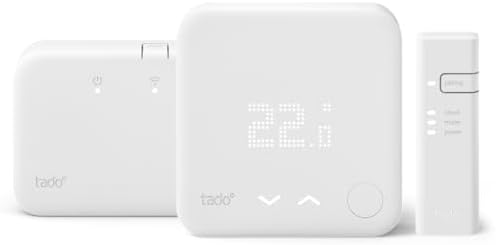
- Full control over your heating with the tado° app from anywhere, reduce your energy consumption and save money with the …
- Heating Boost: heat up all rooms for 30 minutes with one click in the app
- Smart Schedules for the perfect temperature individually in each room, at any time; only active when someone’s home; can…
Have Smart Meters Ever Been Hacked?
Researchers around the world have demonstrated attacks against certain smart meter technologies.
However, there is a significant difference between:
- A laboratory demonstration
- A real-world attack against millions of customers
International Examples
Security researchers have discovered vulnerabilities in smart meter systems in:
- North America
- Germany
- Israel
- Australia
These findings have included:
- Weak authentication mechanisms
- Firmware vulnerabilities
- Remote disconnect risks
- Poor encryption implementations
Most discoveries were made by ethical hackers rather than criminals.
The findings allowed vendors to improve security before large-scale exploitation occurred.

Could Someone Hack My Individual Smart Meter?
In theory, yes.
In practice, it would be extremely difficult.
A successful attacker would usually require:
- Technical expertise
- Physical access in some scenarios
- Knowledge of meter protocols
- Ability to bypass encryption
- Ability to evade supplier monitoring systems
The effort required is generally far greater than the value obtained.
Cyber criminals usually pursue easier targets such as:
- Email accounts
- Online banking
- Weak passwords
- Unsecured Wi-Fi networks
These offer much faster returns than attempting to compromise an individual smart meter.
Could Hackers Change Meter Readings?
This is one of the most common concerns among consumers.
Modern UK smart meters contain numerous protections designed to prevent unauthorised modification.
Tamper Detection
Many smart meters include mechanisms that detect:
- Physical interference
- Case opening
- Hardware modification
- Unusual communication activity
Suppliers may receive alerts if tampering is suspected.
Digital Signatures
Updates and commands sent to meters are authenticated.
This helps ensure that instructions originate from authorised sources rather than attackers.
See the Smart Meter Guide UK at powerguardian.co.uk – Everything you need to know about smart meters, estimated bills, real-time energy usage, Economy 7 tariffs, smart tariffs and potential savings.
Could Hackers Turn Off Smart Meters?
Some smart meter systems include remote management capabilities.
These features allow authorised operators to:
- Update software
- Configure settings
- Manage services
Because of this, security researchers have long examined whether attackers could exploit remote functions.
Realistic Risk Assessment
A successful attack would likely require compromising multiple layers of security including:
- Supplier systems
- Communications infrastructure
- Authentication systems
- Encryption controls
There is currently no evidence of widespread criminal attacks shutting down UK smart meters on a national scale.
What About Large-Scale Attacks?
The greater concern for cyber security professionals is not a single meter.
It is the possibility of attacks against critical infrastructure.
Energy systems are increasingly interconnected.
A sophisticated state-sponsored threat actor might attempt to target:
- Energy suppliers
- Grid operators
- Communications networks
- Smart meter management platforms
This is why organisations such as the UK’s National Cyber Security Centre (NCSC) place significant focus on protecting energy infrastructure.
Use our Smart Meter Security Checker – Quickly check how secure your UK smart meter setup is — supplier app, in-home display, passwords and shared household access.
Real-World Energy Sector Cyber Incidents
Around the world, energy organisations have experienced cyber attacks including:
- The Ukraine Power Grid Cyberattack
- The Colonial Pipeline Cyberattack
- Multiple ransomware attacks against utility providers
These incidents demonstrate that energy infrastructure is a high-value target.
However, most attacks focus on operational systems rather than individual household smart meters.

How Is Smart Meter Data Protected in the UK?
The UK smart metering programme includes multiple layers of protection.
Strong Encryption
Communications are encrypted to prevent interception.
Access Controls
Only authorised organisations can access meter data.
Security Testing
Systems undergo regular assessment and penetration testing.
Regulatory Oversight
Energy suppliers must comply with regulations and data protection requirements.
GDPR Protection
Smart meter data is treated as personal data under UK GDPR rules when it can be linked to an individual.
This means suppliers have legal obligations regarding:
- Data security
- Data storage
- Data sharing
- Breach notification
What Can Consumers Do to Stay Safe?
Although smart meter security is largely managed by suppliers, consumers still play a role.
Protect Supplier Accounts
Use:
- Strong passwords
- Unique passwords
- Multi-factor authentication where available

- Installs in circuit panel of most small businesses with clamp-on sensors. Supports Single phase, Single-split phase, and…
- 24/7 Energy Management and Monitoring: Automate and monitor your business’ real power anywhere, anytime to prevent costl…
- Lower Your Electric Bill: Configure settings in the Emporia Energy App to automate energy management for time of use, pe…
Watch for Phishing Scams
Criminals frequently impersonate energy companies.
Be cautious of:
- Unexpected emails
- Text messages requesting account details
- Links asking for login credentials
Monitor Bills
Unexpected changes should be reported to your supplier.
Keep Home Networks Secure
Although smart meters use dedicated communications networks, maintaining secure home technology remains important.
Common Myths About Smart Meter Hacking
“Hackers Can See Everything I Do”
False.
Smart meters record energy usage, not personal online activity.
“A Hacker Can Instantly Turn Off My Electricity”
Extremely unlikely.
Multiple security controls protect remote operations.
“Smart Meters Are Easy Targets”
False.
The UK’s smart metering infrastructure incorporates encryption, authentication and dedicated communications systems specifically designed to resist attacks.
“No System Can Ever Be Hacked”
Also false.
Every connected technology carries some degree of cyber risk.
The goal is not perfect security but making attacks sufficiently difficult and costly that they become impractical.
The Reality: Should UK Consumers Be Worried?
For the average UK household, the risk of criminals directly hacking a smart meter is very low.
The more realistic cyber threats remain:
- Phishing scams
- Account takeover attacks
- Identity theft
- Data breaches affecting suppliers
- Malware on personal devices
Smart meters are not invulnerable, but they are significantly more protected than many everyday consumer technologies.
The bigger cyber security challenge lies in protecting the wider energy ecosystem rather than individual meters. As the UK’s energy network becomes increasingly digital, suppliers, regulators and security professionals must continually adapt to emerging threats.
For consumers, smart meters are generally safe to use, but understanding how they work and how data is protected remains an important part of staying cyber aware in an increasingly connected energy system.