The UK’s energy sector sits at the centre of modern life. Every home, business, hospital, railway network and data centre depends on a reliable supply of electricity and gas. As energy systems become increasingly digital, they also become more attractive targets for cyber criminals, hostile states and organised hacking groups.
The short answer is that UK energy suppliers are significantly better prepared for cyber attacks than they were a decade ago. However, they are not immune. The threat landscape continues to evolve rapidly, and many experts believe it is a matter of when, not if, major attacks occur.
For consumers, the good news is that multiple layers of protection exist. For the industry, the challenge is maintaining security across increasingly complex networks while dealing with sophisticated adversaries.
Why English Energy Suppliers Are Attractive Targets
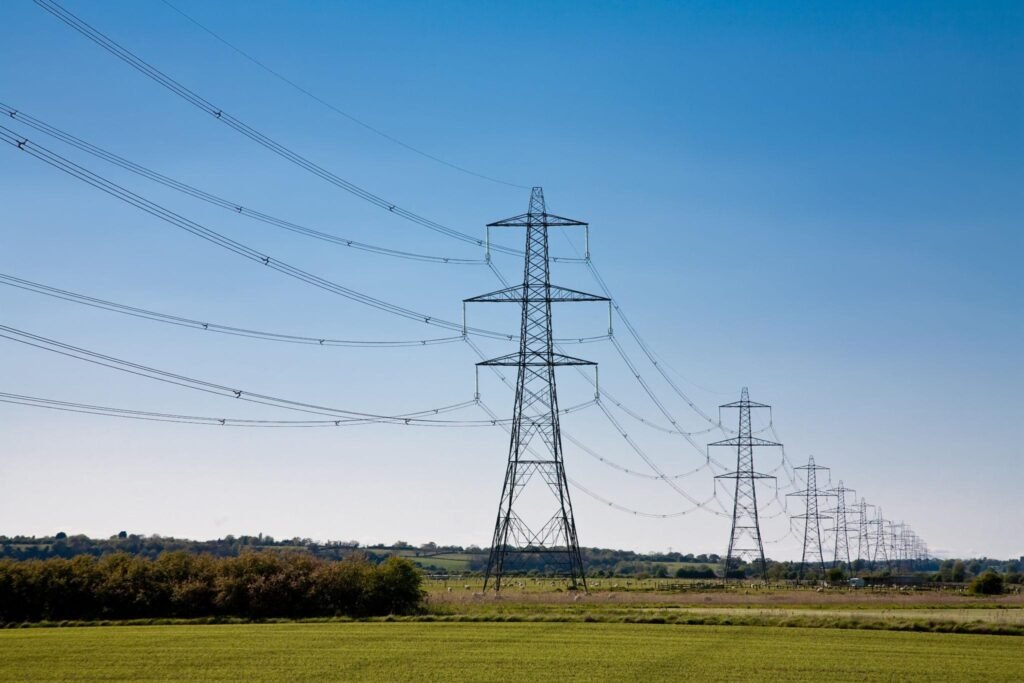
Energy companies represent critical national infrastructure. Disrupting them can have consequences far beyond financial losses.

Critical Services Depend on Energy
Without electricity and gas supplies:
- Hospitals face operational challenges
- Water treatment facilities can be disrupted
- Telecommunications networks are affected
- Transport systems can suffer outages
- Businesses lose productivity
This makes energy providers attractive targets for both criminals seeking ransom payments and hostile nations looking to create disruption.
Digital Transformation Has Increased Risk
Modern energy suppliers rely heavily on:
- Cloud computing
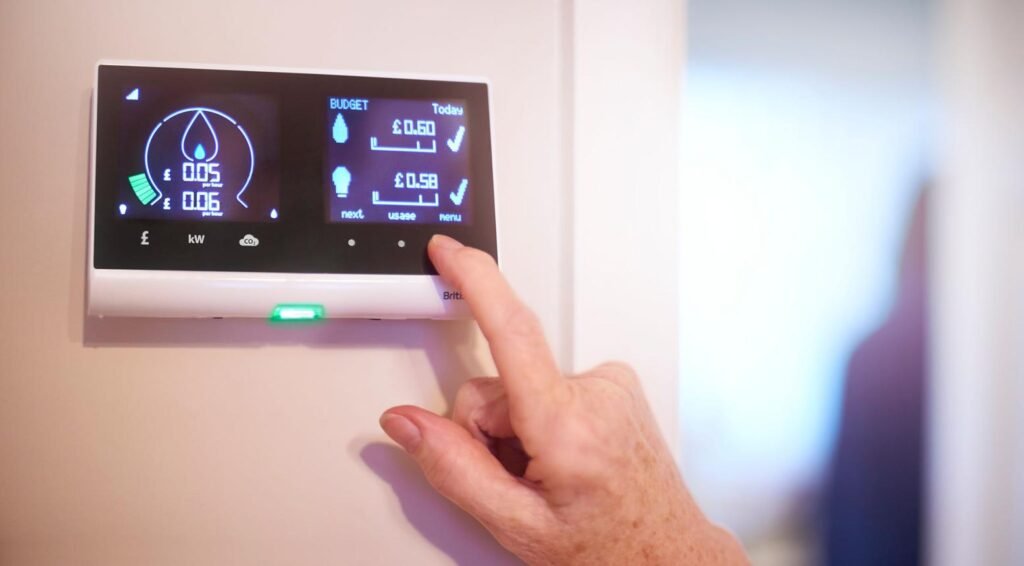
- Smart meters
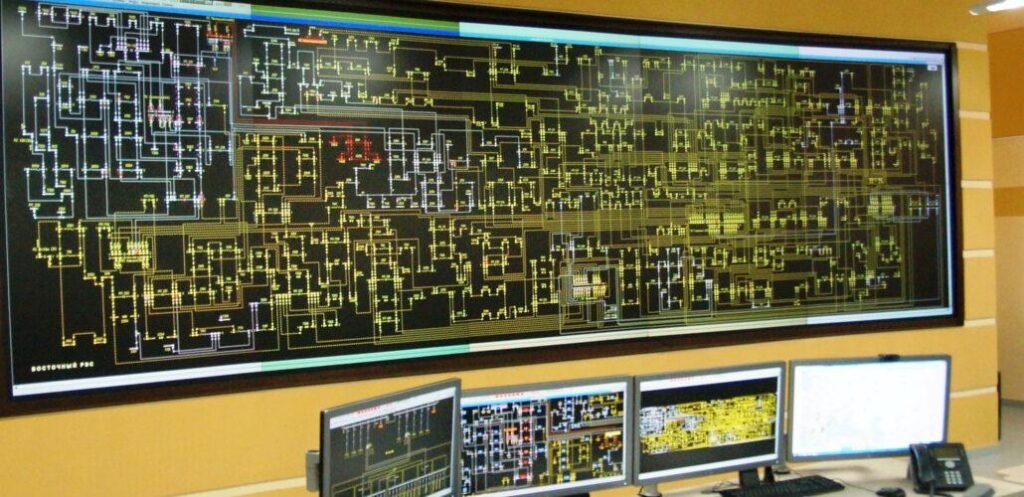
- Remote monitoring systems
- Mobile applications
- Customer portals
- Automated control systems
While these technologies improve efficiency, they also create additional attack surfaces.
How Well Protected Are English Energy Suppliers?
The UK energy sector is generally regarded as one of the better protected industries in the country.
Government Oversight Is Extensive
Energy operators classified as Critical National Infrastructure (CNI) work closely with:
- National Cyber Security Centre
- National Grid
- Ofgem
- Department for Energy Security and Net Zero
These organisations regularly share intelligence about emerging threats and coordinate responses to cyber incidents.
- Learning function
Strict Security Standards Apply
Major energy suppliers must comply with stringent requirements covering:
- Network security
- Incident response
- Risk management
- Employee training
- Third-party supplier security
- Business continuity planning
The UK’s implementation of the Network and Information Systems (NIS) Regulations places additional obligations on operators of essential services.
Continuous Monitoring
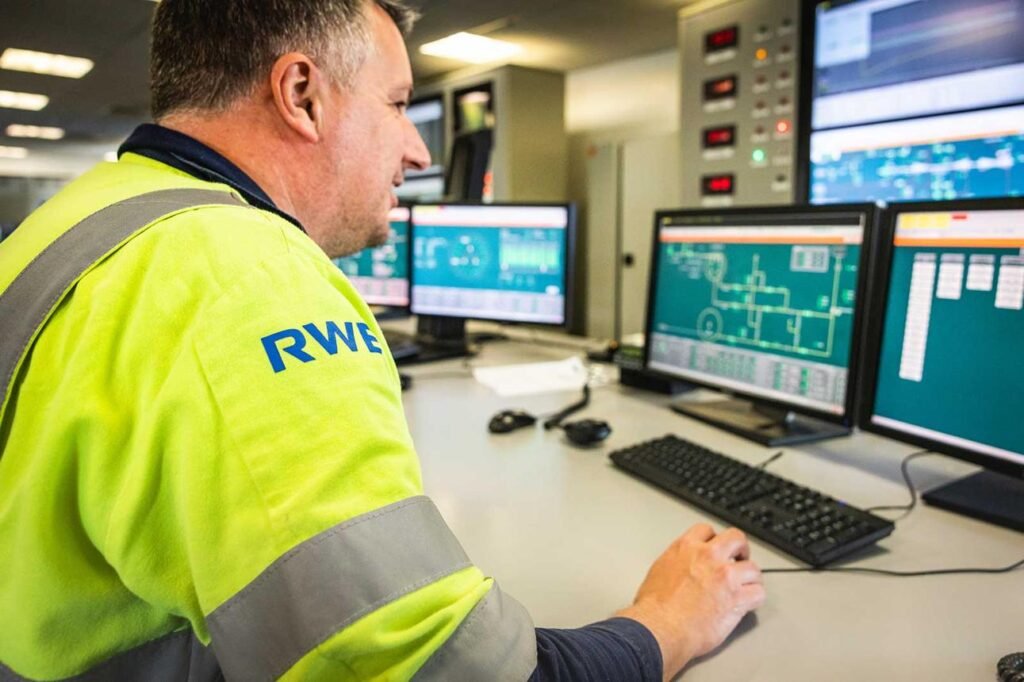
Most major suppliers operate security operations centres that monitor networks around the clock.

Security teams routinely:
- Monitor suspicious activity
- Analyse threats
- Conduct penetration testing
- Simulate cyber attacks
- Investigate anomalies
- Coordinate with national agencies
The Biggest Cyber Threats Facing Energy Suppliers
Despite extensive defences, several significant threats remain.
Ransomware Attacks
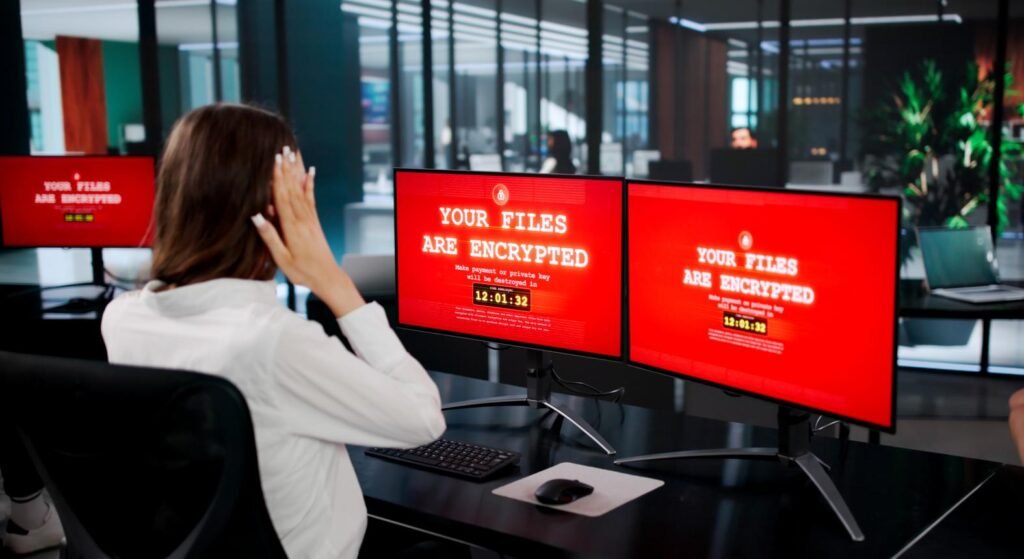
Ransomware remains one of the most common threats.
Criminal groups attempt to:
- Encrypt business systems
- Steal sensitive data
- Disrupt operations
- Demand large ransom payments
While core energy delivery systems are often segregated from business networks, ransomware can still cause major disruption to customer services and internal operations.
Thinking about switching supplier? PowerGuardian.co.uk tracks UK energy suppliers, pricing trends and industry developments to help consumers make informed decisions.
Nation-State Threats
Many cybersecurity experts view state-sponsored actors as the most serious threat.
Countries seeking strategic advantages may target:
- Electricity generation
- Grid management systems
- Energy trading platforms
- Gas distribution networks
These attacks are often highly sophisticated and designed to remain undetected.
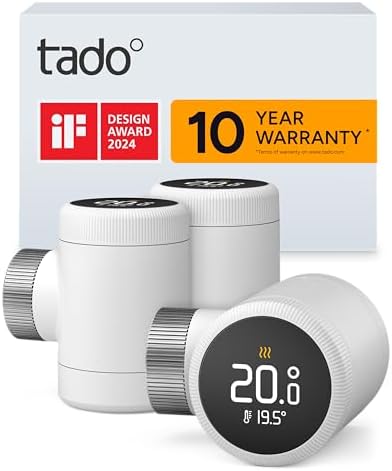
- SAVES ENERGY AND HEATING COSTS: With the intelligent heater thermostat X from tado°, the experts for smart heating, user…
- EASY DIY INSTALLATION, EVEN OFFLINE: The included adapter allows the thermostat to be fitted to almost every radiator va…
- CONTROL VIA APP: The thermostat has numerous features for your heating system, such as smart scheduling, temperature con…
Supply Chain Attacks
Energy suppliers depend on hundreds of external vendors.
Attackers increasingly target:
- Software providers
- Maintenance contractors
- Cloud services
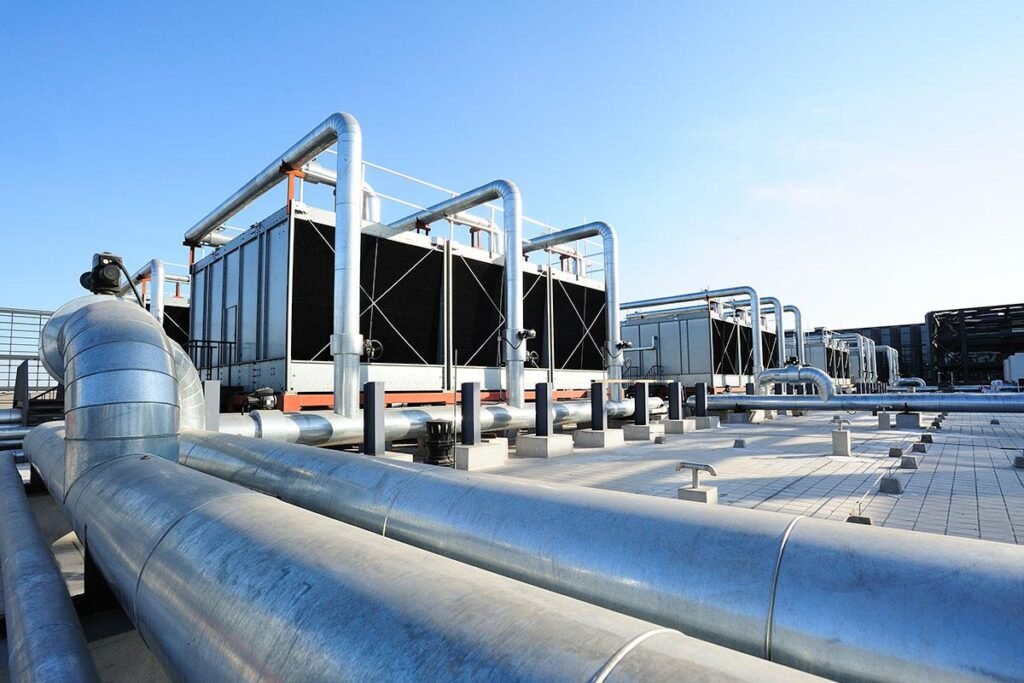
- Industrial equipment manufacturers
A weakness in one supplier can potentially affect multiple energy companies.
Smart Meter Vulnerabilities
The UK’s smart meter rollout has connected millions of devices to energy networks.
While smart meters include extensive security controls, cybersecurity specialists continuously monitor for potential weaknesses.
The challenge is scale. Securing a few systems is difficult enough. Securing millions of connected devices is a completely different problem. Humans struggle to remember passwords for three websites, yet somehow expect millions of networked devices to behave perfectly.
Could Hackers Cause England Blackouts?
This is one of the most common questions asked about energy cybersecurity.
Technically Possible
In theory, cyber attacks could contribute to power disruptions.
Attackers would need to:
- Breach multiple security layers
- Gain privileged access
- Navigate highly specialised systems
- Avoid detection
- Coordinate complex actions
This is extremely difficult.
Not Easy in Practice
UK energy infrastructure contains numerous safeguards.
These include:
- Segregated networks
- Manual controls
- Redundant systems
- Backup facilities
- Physical security measures
- Incident response procedures
As a result, causing a nationwide blackout through cyber means alone would be extraordinarily challenging.
Real-World Examples That Concern the Industry
Cybersecurity planning is heavily influenced by previous incidents.

Ukraine Power Grid Attacks
In 2015 and 2016, cyber attacks against Ukrainian power infrastructure resulted in significant power outages.
The incidents demonstrated that electricity systems can be targeted successfully under certain conditions.
These attacks are frequently studied by UK energy security professionals.
Colonial Pipeline Attack
In 2021, the Colonial Pipeline ransomware incident disrupted fuel distribution across parts of the United States.
Although operational technology itself was not directly compromised, business system disruption led to operational impacts.
The event highlighted how cyber incidents can affect real-world energy supplies.
Where English Energy Suppliers Still Face Challenges
Even strong organisations face ongoing difficulties.
Legacy Systems
Some operational technology was designed long before cybersecurity became a major concern.
Older systems may:
- Lack modern security features
- Be difficult to update
- Require specialised expertise
- Remain operational for decades
Skills Shortages
Cybersecurity professionals remain in high demand.
Energy companies compete with:
- Banks
- Technology firms
- Defence contractors
- Government agencies
Finding and retaining specialists remains challenging.
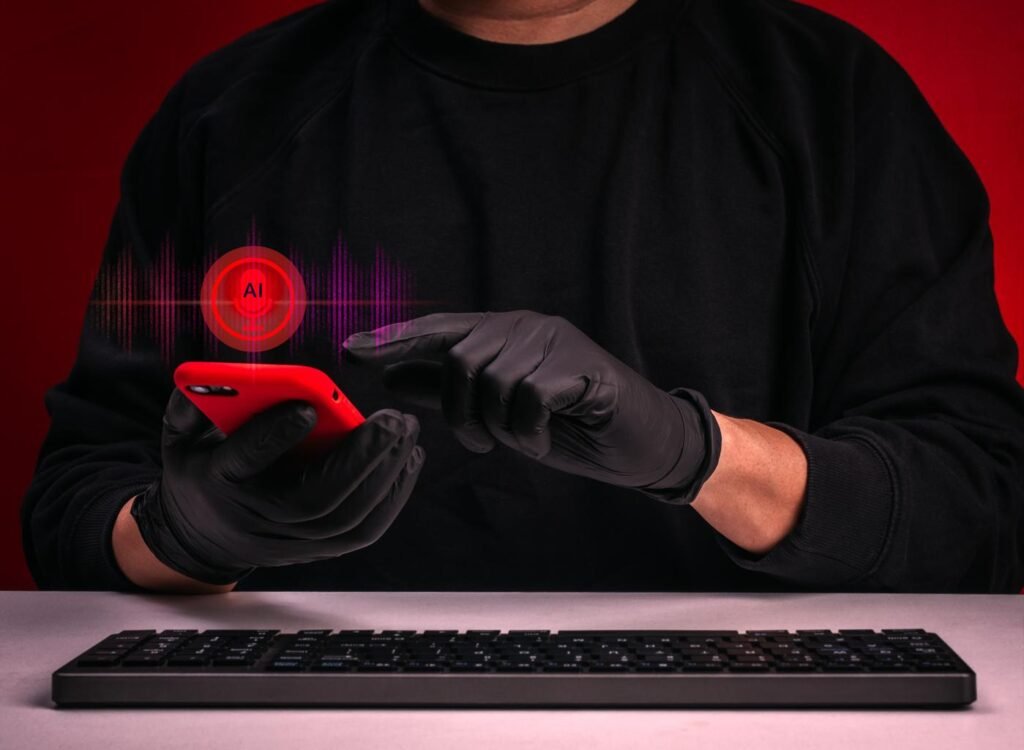
AI-Powered Threats
Artificial intelligence is changing the cyber landscape.
Attackers can increasingly use AI to:
- Create convincing phishing emails
- Analyse vulnerabilities faster
- Automate reconnaissance
- Develop more sophisticated attacks
Defenders are also using AI, creating an ongoing technological arms race.
What Happens If an Energy Supplier Is Attacked?
A successful cyber attack does not automatically mean power cuts.
Most suppliers maintain detailed incident response plans.
Immediate Response
Security teams typically:
- Identify the attack
- Isolate affected systems
- Contain the threat
- Investigate the intrusion
- Restore services
- Report to authorities

- Installs in circuit panel of most small businesses with clamp-on sensors. Supports Single phase, Single-split phase, and…
- 24/7 Energy Management and Monitoring: Automate and monitor your business’ real power anywhere, anytime to prevent costl…
- Lower Your Electric Bill: Configure settings in the Emporia Energy App to automate energy management for time of use, pe…
Business Continuity Measures
Most major suppliers maintain:
- Backup systems
- Alternative communication channels
- Disaster recovery procedures
- Manual operating capabilities
- Crisis management teams
These measures are designed to minimise disruption.
What Does the Future Look Like?
Cyber threats against energy providers are expected to increase.
Several trends are driving concern:
- More connected infrastructure
- Expansion of renewable energy systems
- Growth in smart grids
- Increasing use of AI
- Greater geopolitical tensions
- Rising dependence on electricity
At the same time, defensive capabilities continue to improve.
The UK government, regulators and energy providers are investing heavily in cyber resilience, recognising that energy security and cybersecurity are now inseparable.
Expert View
Most cybersecurity professionals would describe UK energy suppliers as reasonably well prepared but not invulnerable.
The sector benefits from:
- Strong regulation
- Significant investment
- National-level coordination
- Continuous monitoring
- Mature security programmes
However, no organisation can guarantee complete protection.
Cybersecurity is not a destination where someone eventually hangs a sign saying “finished”. It is a permanent contest between defenders and attackers, with both sides constantly adapting.
Final Verdict
UK energy suppliers are among the most heavily protected organisations in the country and are generally well prepared for cyber attacks. Major providers invest millions of pounds annually in cybersecurity, work closely with government agencies and regularly test their defences.
However, the threat continues to grow. Nation-state actors, ransomware gangs and increasingly sophisticated cyber criminals ensure that energy companies remain under constant pressure.
The most realistic risk is not a Hollywood-style nationwide blackout but targeted disruptions, data theft, ransomware incidents and attacks against specific systems or suppliers. The sector’s challenge is maintaining resilience while modernising infrastructure and supporting Britain’s transition to a more connected, digital energy future.
For consumers, there is little reason for alarm. For energy suppliers and cybersecurity teams, there is every reason to remain vigilant. The lights stay on because thousands of engineers and security specialists spend every day making sure they do. An oddly responsible use of human ingenuity for once.
Accelerate Your Learning
We have created Professional High Quality Downloadable PDF’s at great prices for UK Businesses provided to you from our main website. Which include various helpful Cyber related documents and real world scenarios your business might experience, showing what to do and how to protect your business. Find them here.