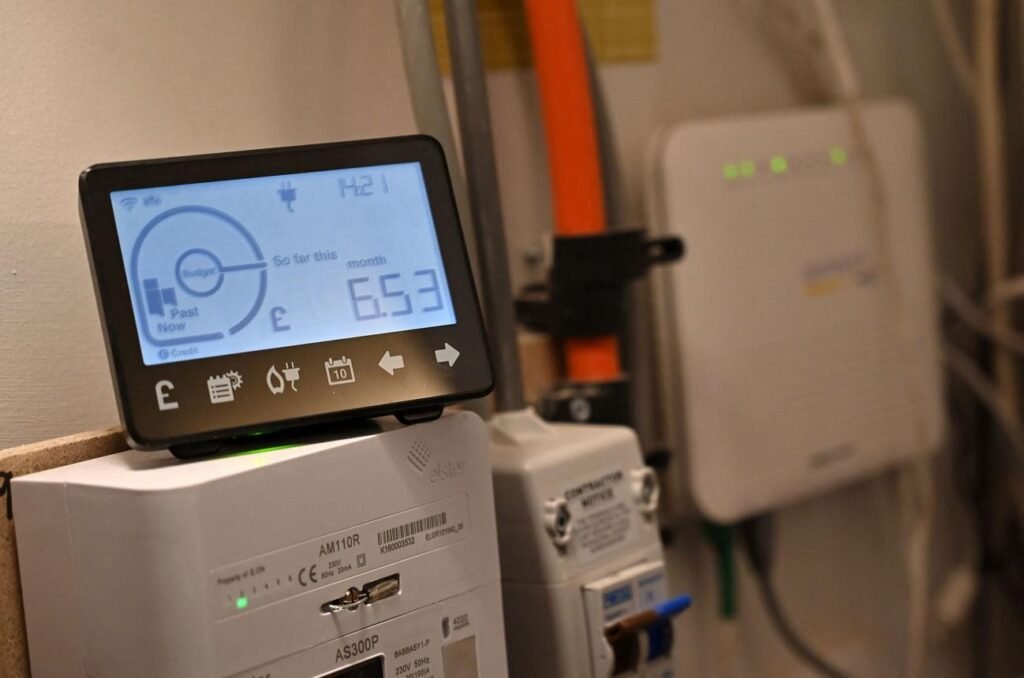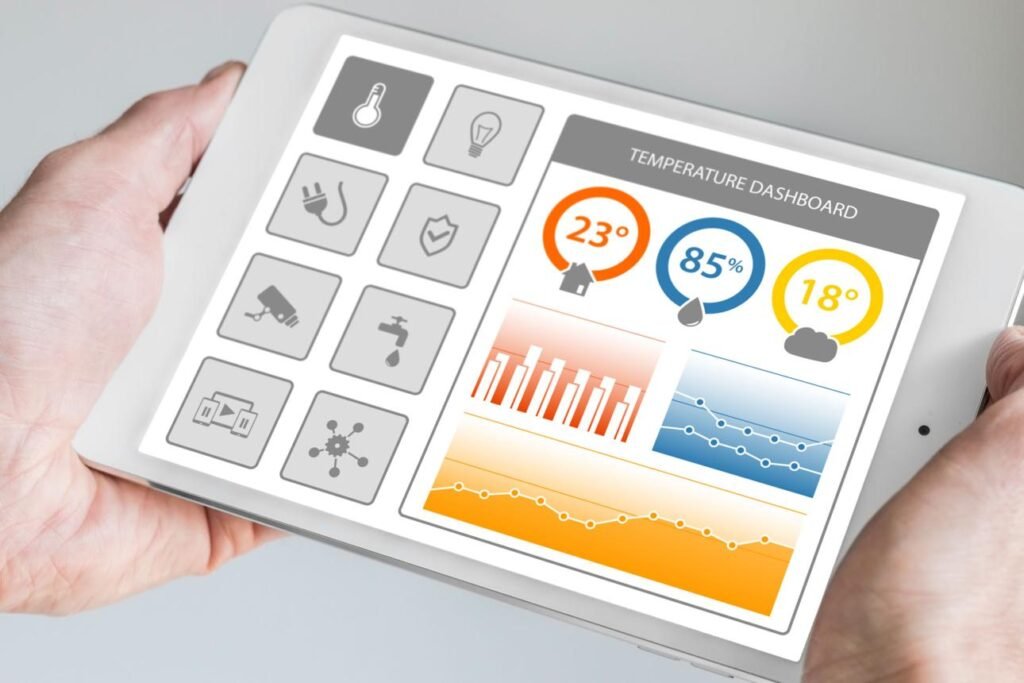
Smart energy devices have transformed the way households monitor and manage electricity consumption. Smart meters, smart thermostats, connected EV chargers, smart plugs, solar monitoring systems and home energy management platforms all collect information to improve efficiency and reduce costs.
However, many homeowners are surprised by just how much information these devices can gather. While most data collection is legitimate and necessary for operation, it raises important privacy and cyber security questions.
Understanding what information is collected, who can access it, and how it is protected is becoming increasingly important as British homes become more connected.
Why Smart Energy Devices Collect Data
Smart energy devices rely on data to perform their core functions.
Unlike traditional meters and appliances, connected devices continuously communicate with apps, suppliers, cloud services and sometimes manufacturers.
This allows users to:
- Track energy consumption
- Receive accurate billing
- Monitor costs in real time
- Optimise heating schedules
- Charge electric vehicles efficiently
- Participate in smart tariffs
- Reduce energy waste
The challenge is that useful functionality often requires detailed information about household behaviour.
- Learning function
Types Of Smart Energy Devices Collecting Data
Common devices include:
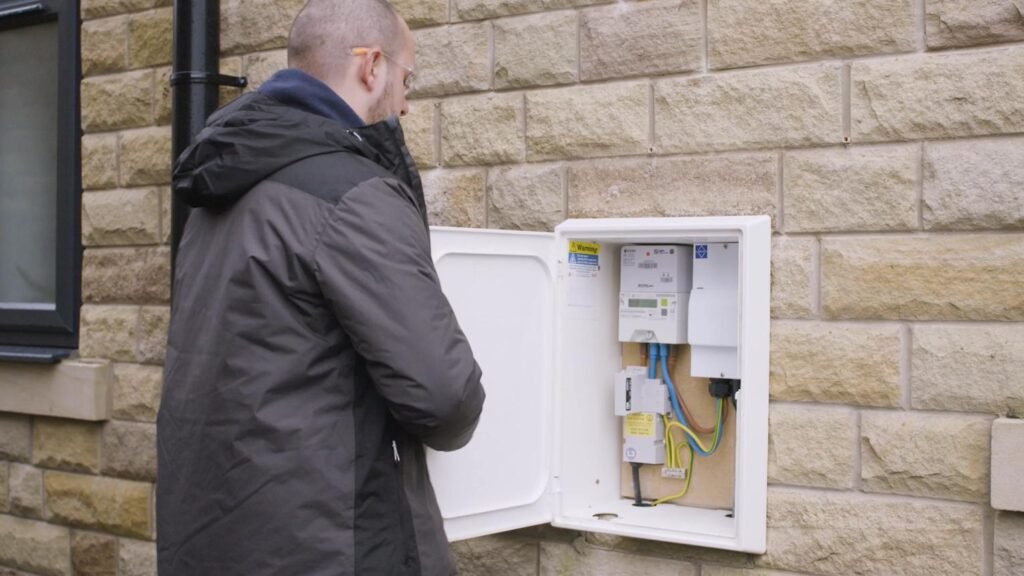
- Smart meters
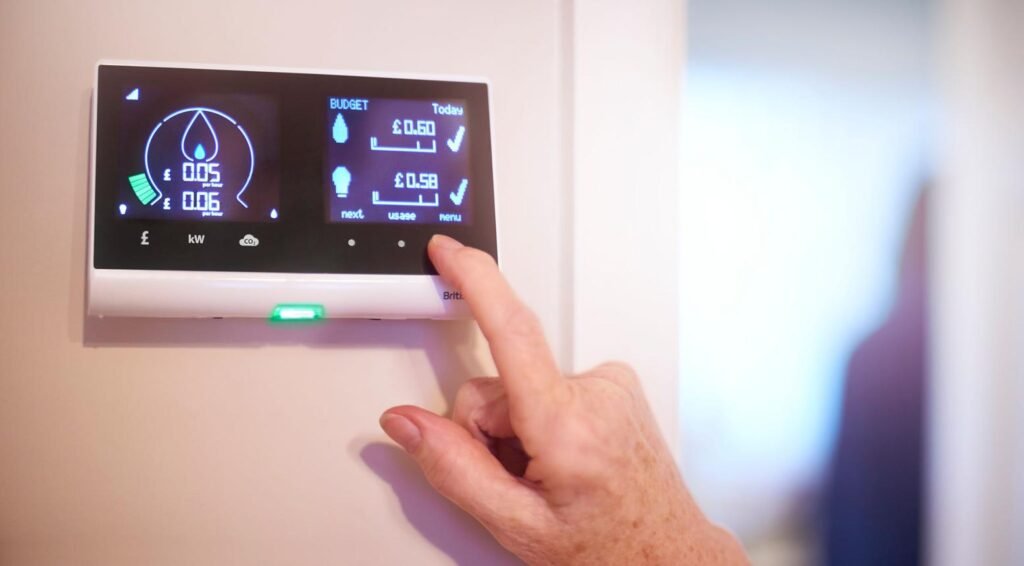
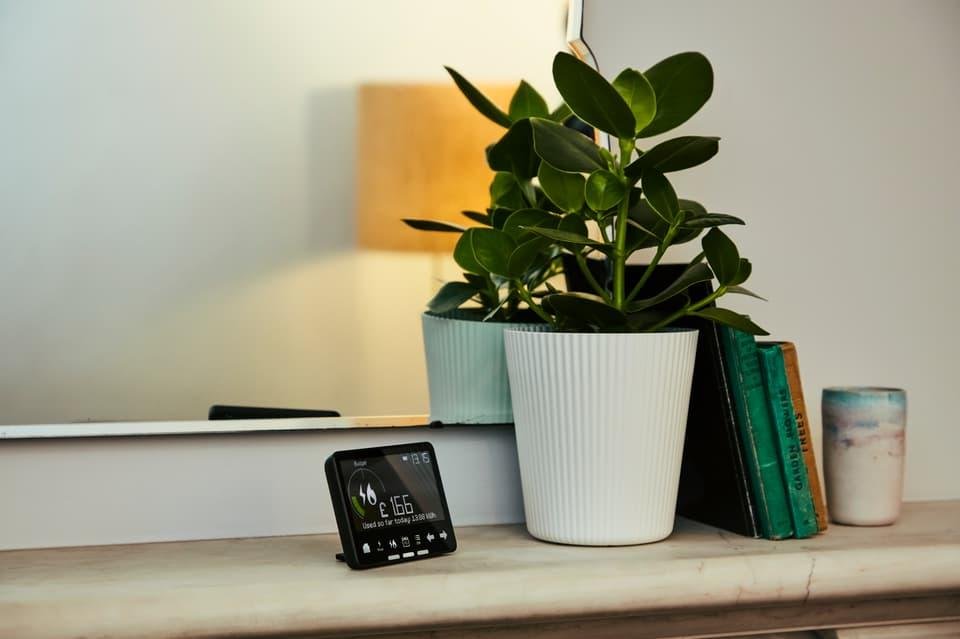
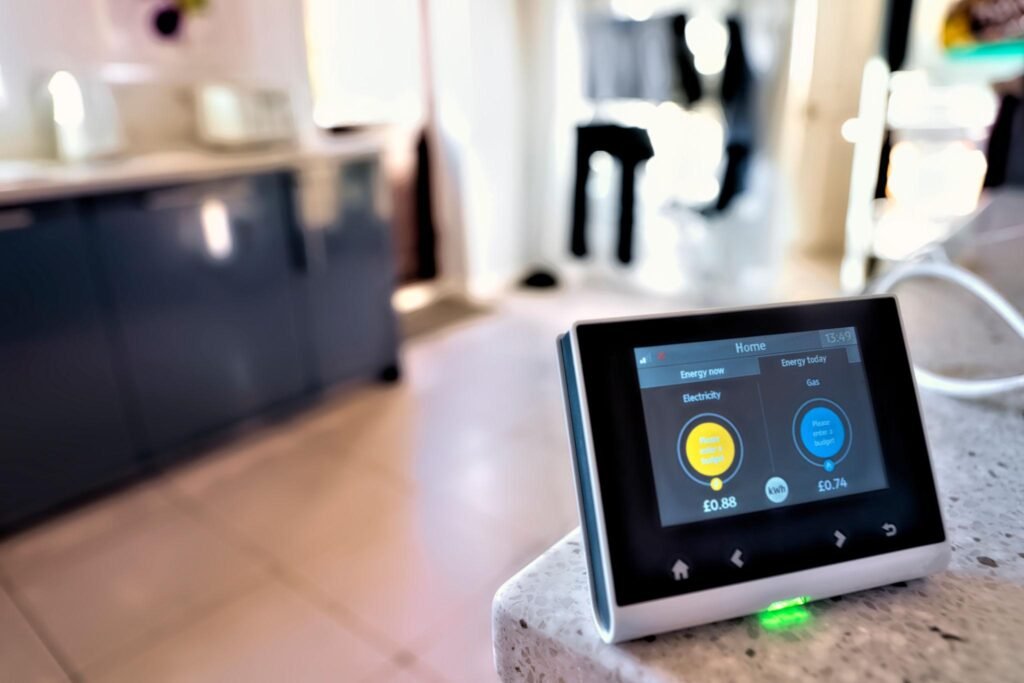
- In-home displays
- Smart thermostats
- Smart radiators
- Smart plugs
- Smart EV chargers
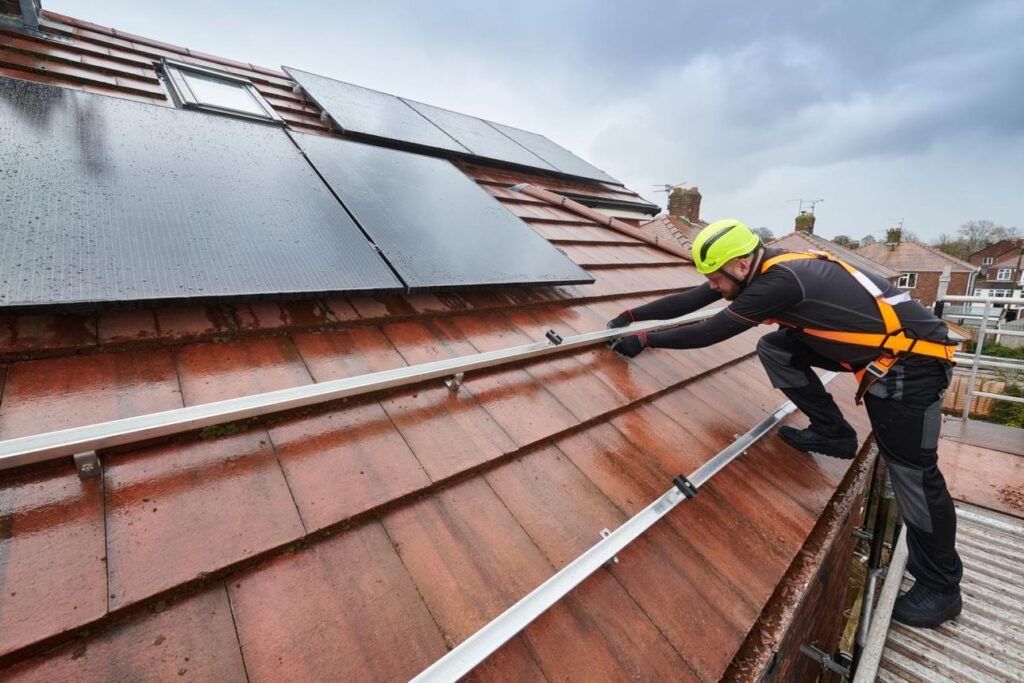
- Solar monitoring systems
- Home battery systems
- Energy management hubs
Each device collects slightly different information depending on its purpose.
Energy Consumption Data
Detailed Usage Patterns
The most obvious data collected is electricity and gas usage.
Modern smart meters can record:
- Daily consumption
- Hourly consumption
- Half-hourly consumption
- Peak usage periods
- Historical energy trends
Half-hourly data is particularly valuable because it creates a detailed picture of household activity.
For example, energy spikes may indicate:
- When occupants wake up
- Meal preparation times
- Washing machine usage
- EV charging schedules
- Sleep patterns
Over time, this information can reveal significant details about daily routines.
Readers interested in wider privacy concerns may also find What Data Do Energy Suppliers Hold About Customers?useful.
Occupancy Information
When People Are Home
One of the lesser-known privacy concerns involves occupancy analysis.
By examining energy patterns, algorithms can often determine:
- Whether somebody is home
- When residents leave for work
- Holiday periods
- Weekend routines
- Household activity levels
This information is not normally displayed directly, but advanced analytics can infer it from usage data.
Cyber criminals would find such information attractive if systems were ever compromised.
Personal Account Information
Smart energy platforms often store:
- Name
- Address
- Email address
- Telephone number
- Customer account numbers
- Payment information
- Billing history
This information is usually held by energy suppliers rather than the device itself.
When combined with usage data, however, it creates a detailed customer profile.
Smart Thermostat Data
Behavioural Information
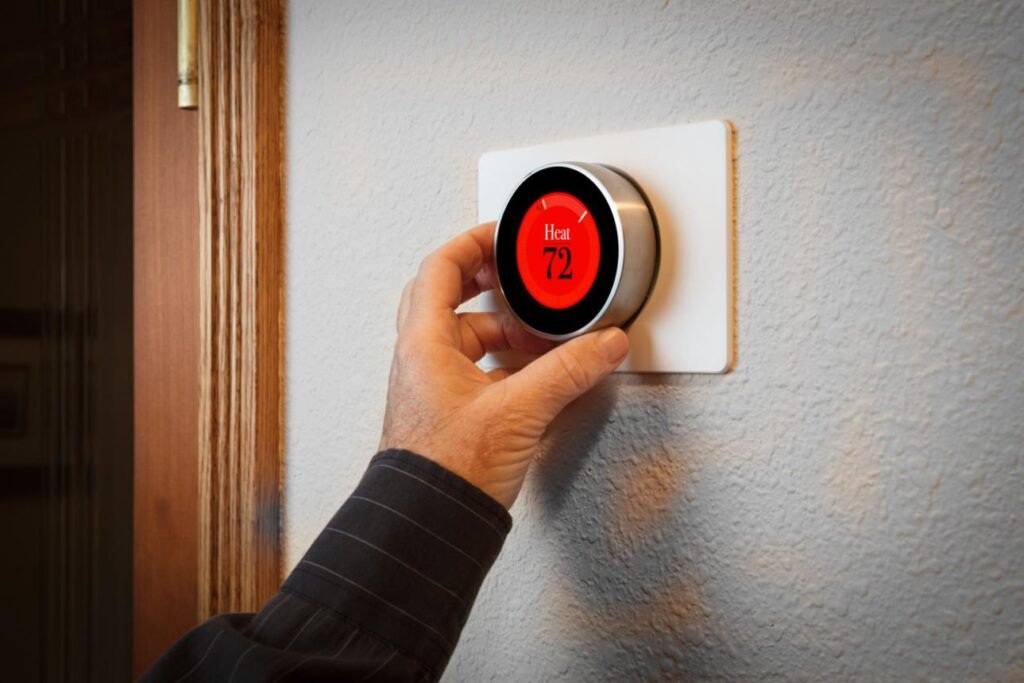
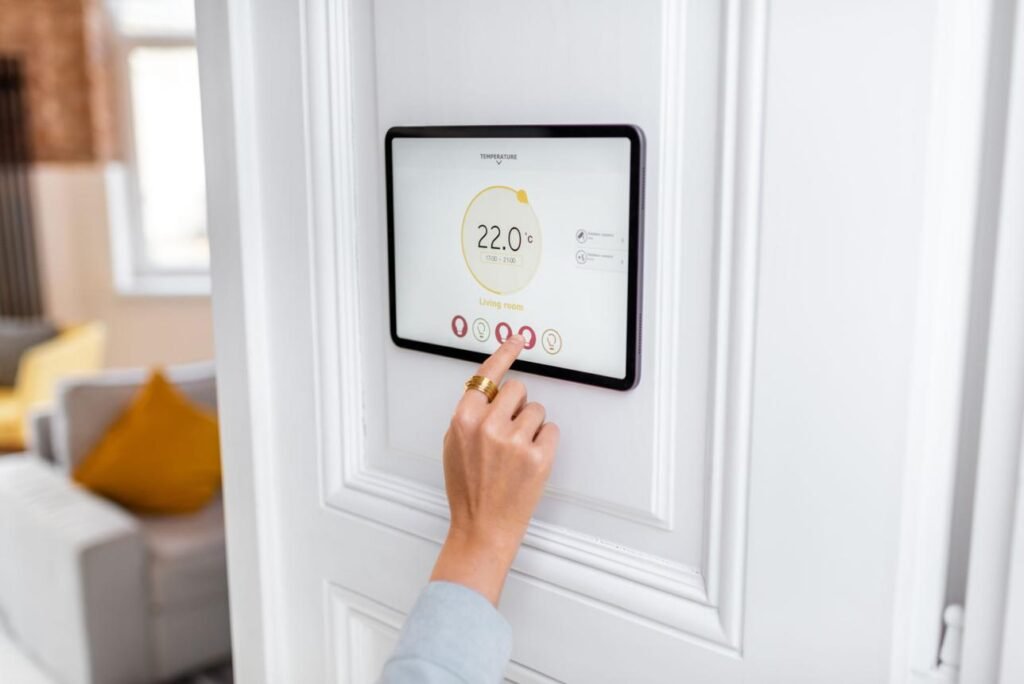
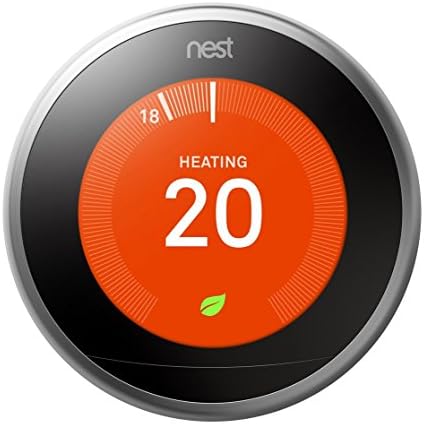
Smart thermostats collect far more than temperature readings.
Many systems record:
- Heating schedules
- Preferred temperatures
- Occupancy patterns
- Geolocation triggers
- Room-by-room settings
- Device interaction history
Some advanced systems learn household behaviour automatically.
Over time they build detailed models of how occupants use their homes.
Readers concerned about connected home risks may also find Can Hackers Access Smart Home Energy Devices?informative.

Location Data
Smartphone Integration
Many smart energy systems connect to mobile applications.
These apps may collect:
- Device location
- GPS information
- Geofencing data
- Network identifiers
- Device IDs
Geofencing allows systems to automatically adjust heating when occupants leave or approach home.
Convenient? Absolutely.
Private? Slightly less so.
Humans often trade personal information for convenience and then seem surprised when technology remembers things better than they do.
EV Charger Data
Vehicle And Travel Information
Connected EV chargers can collect:
- Charging times
- Charging duration
- Electricity consumption
- Vehicle identification information
- Charging habits
Analysis of charging behaviour can reveal commuting patterns and travel routines.
As EV adoption grows, this data is becoming increasingly valuable.
Smart Plug And Appliance Data
Smart plugs and energy monitoring systems can identify:
- Appliance energy usage
- Operating times
- Device schedules
- Consumption trends
In some cases, advanced monitoring can determine which appliance is running simply by analysing electrical signatures.
This creates a surprisingly detailed picture of household activity.

- Gigabit Wi-Fi for 8K Streaming – 5400 Mbps Wi-Fi for faster browsing, streamings, and downloading, all at the same time
- Wi-Fi 6 VPN Router– Equips with the top structure of 4T4R and HE160 on the 5 GHz band to enable a 4.8 Gbps ultra-fast co…
- Connect 100+ Devices– Supports MU-MIMO and OFDMA to reduce congestion and quadruple the average throughput
Data Shared With Energy Suppliers
Many customers do not realise they can often control how much smart meter data is shared.
Typical Data Sharing Levels
Energy suppliers may receive:
- Monthly readings
- Daily readings
- Half-hourly readings
Half-hourly readings provide the greatest operational benefits but also create the most detailed behavioural profile.
UK customers can usually adjust these permissions through their supplier.
Who Has Access To The Data?
Potential recipients include:
- Energy suppliers
- Device manufacturers
- Cloud service providers
- Mobile app providers
- Customer support teams
- Approved third-party energy services
Access should be governed by UK data protection laws and contractual agreements.
How Secure Is This Information?
The UK smart meter network incorporates significant security controls.
These include:
- Encryption
- Authentication systems
- Dedicated communications networks
- Regulatory oversight
- Security testing
The UK’s smart meter infrastructure is generally considered one of the more secure large-scale utility networks globally.
Readers wanting a deeper technical explanation should see How Secure Is The UK’s Smart Meter Network?
Use our Smart Meter Security Checker – Quickly check how secure your UK smart meter setup is — supplier app, in-home display, passwords and shared household access.
Can Hackers Access Smart Energy Data?
The risk is not zero.
Potential attack routes include:
- Weak passwords
- Compromised mobile apps
- Vulnerable smart home devices
- Phishing attacks
- Cloud service breaches
- Third-party software vulnerabilities
However, large-scale attacks against UK smart meters remain extremely rare.
For more information, see Can Smart Meters Be Hacked? and Are Smart Meters A Cyber Security Risk?

How To Protect Your Privacy
Practical Steps For Homeowners
To improve privacy and security:
- Use strong unique passwords
- Enable multi-factor authentication where available
- Keep apps updated
- Review data-sharing permissions
- Regularly check account activity
- Secure home Wi-Fi networks
- Remove unused smart devices
Most successful attacks target weak user security rather than the smart meter itself.
The Bottom Line
Smart energy devices collect considerably more information than many people realise. Beyond simple electricity readings, they can reveal occupancy patterns, daily routines, heating habits, EV charging behaviour and other lifestyle indicators.
That does not mean they are inherently unsafe. The UK’s smart energy infrastructure incorporates strong security protections, and the vast majority of collected data is used legitimately to improve efficiency, billing accuracy and customer services.
The key issue is transparency. Homeowners should understand what information is being collected, who receives it, and how to manage their privacy settings. As homes become increasingly connected, personal data is rapidly becoming as valuable as the energy flowing through the wires themselves. A rather impressive achievement by modern technology: turning both electricity and information into commodities at the same time.
Further Reading: PowerGuardian.co.uk is a UK energy intelligence platform covering energy prices, supplier analysis, market forecasts and industry news.