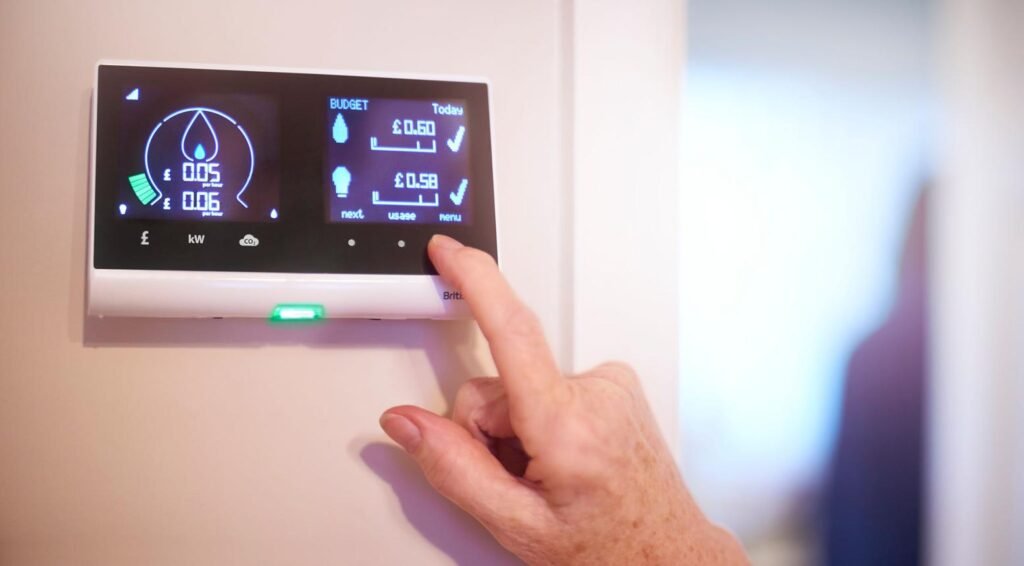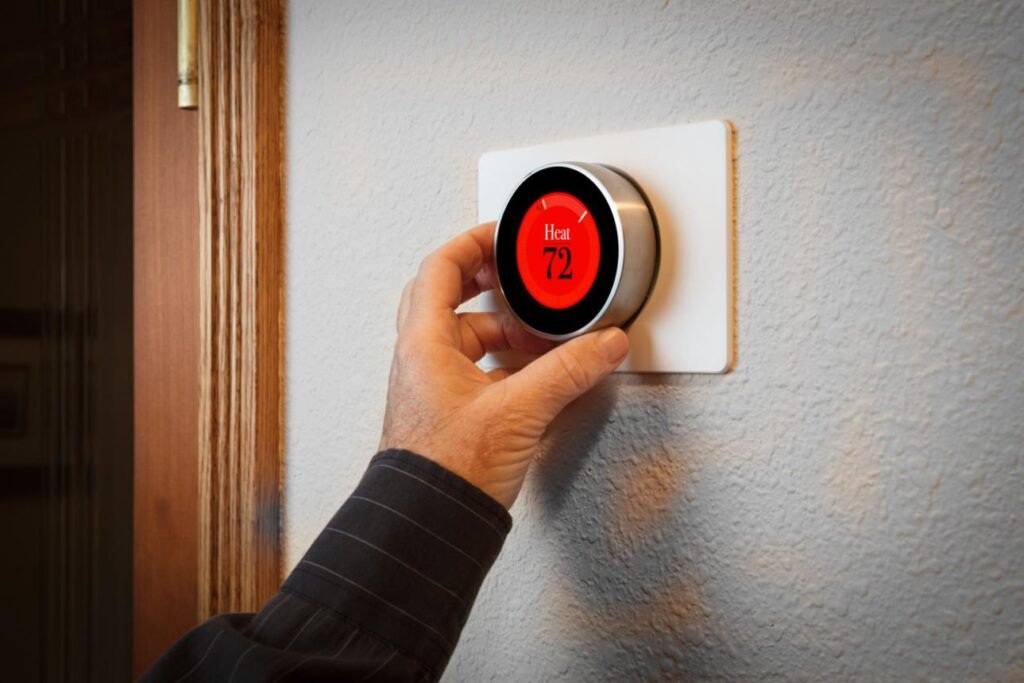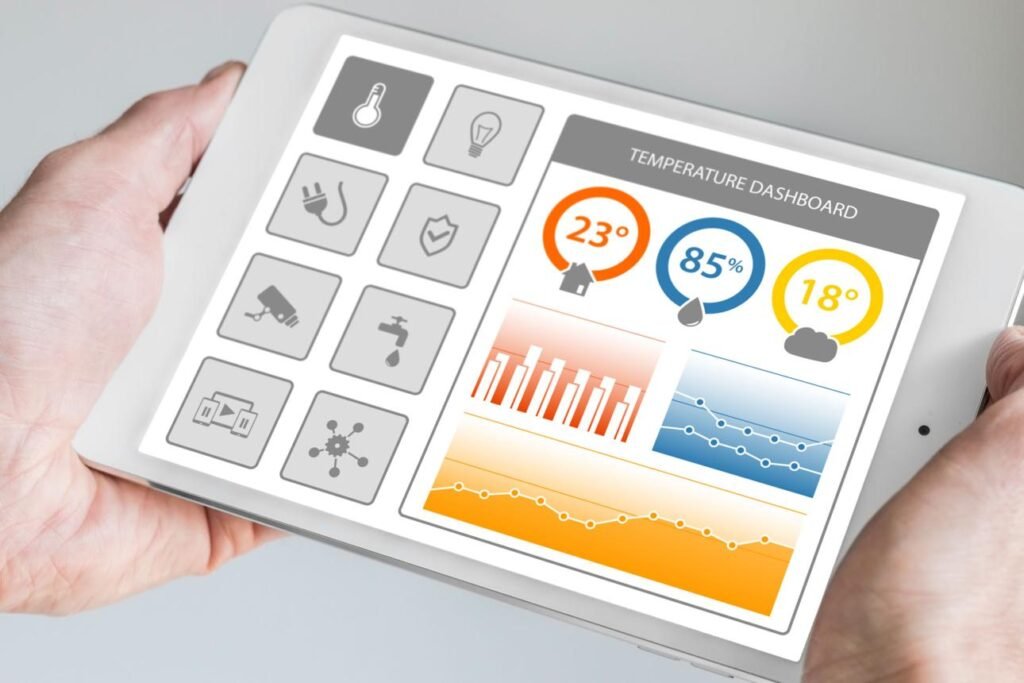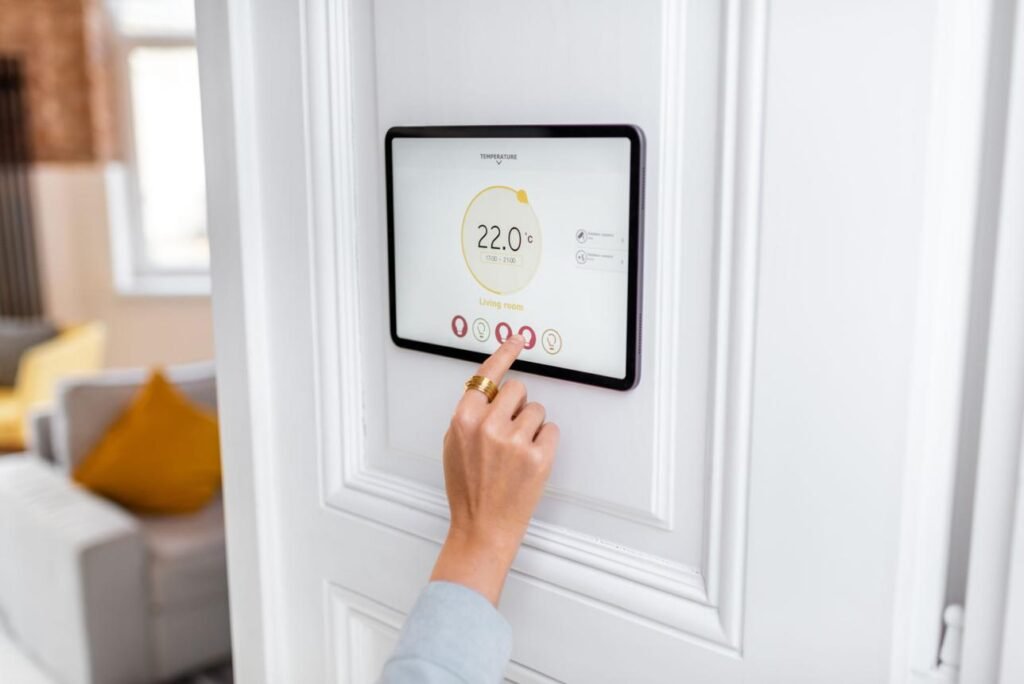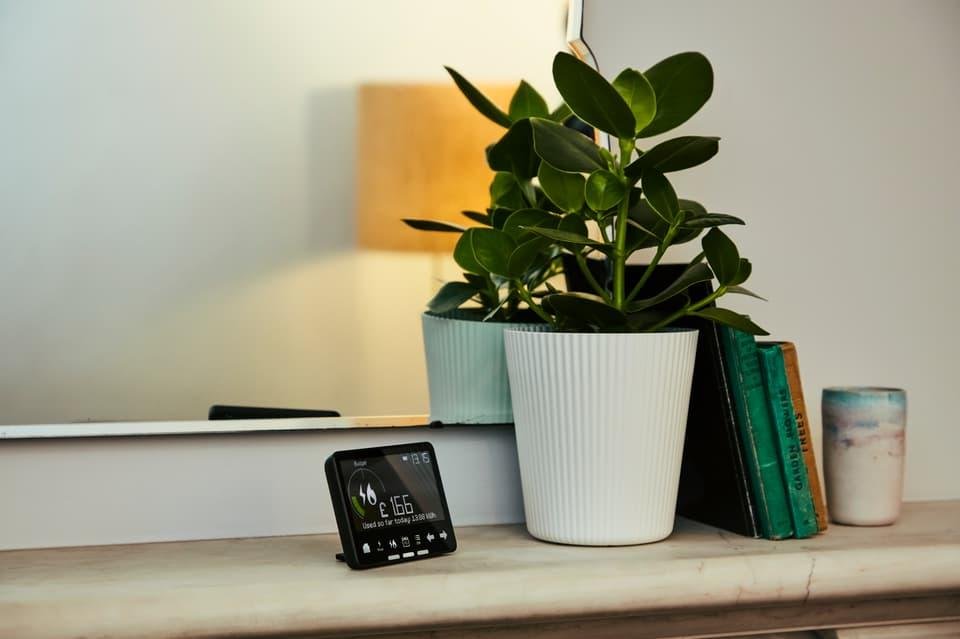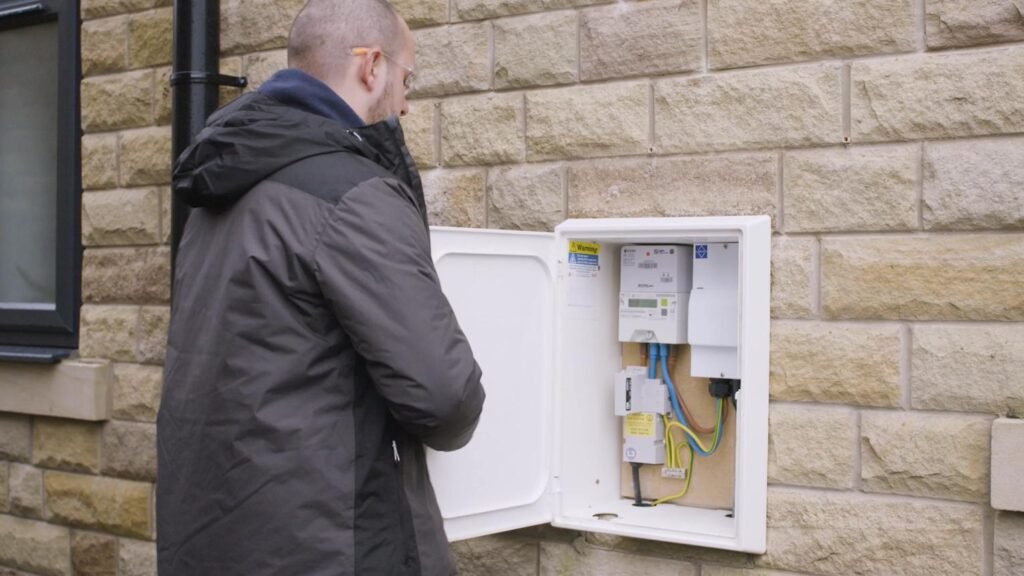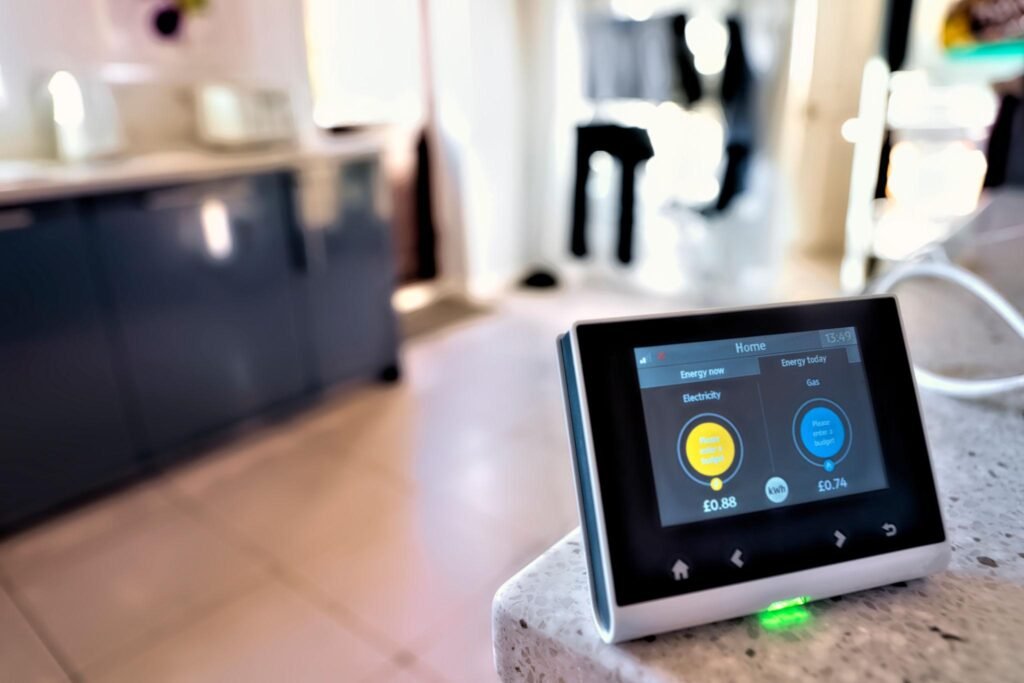
Smart heat pumps are becoming increasingly popular across the UK as households move away from gas boilers and towards low-carbon heating. Many modern systems include internet connectivity, smartphone apps, remote diagnostics and smart energy management features.
While these technologies provide convenience and efficiency, they also introduce cyber security risks. Like any connected device, a smart heat pump can potentially become a target for cyber criminals if it is not properly secured.
The good news is that the risk to most homeowners remains relatively low. However, understanding the vulnerabilities can help households protect their heating systems and personal information.

- Installs in circuit panel of most small businesses with clamp-on sensors. Supports Single phase, Single-split phase, and…
- 24/7 Energy Management and Monitoring: Automate and monitor your business’ real power anywhere, anytime to prevent costl…
- Lower Your Electric Bill: Configure settings in the Emporia Energy App to automate energy management for time of use, pe…
What Makes A Heat Pump “Smart”?
Connected Controls
Traditional heating systems operate independently within the home. Smart heat pumps, however, often connect to:
- Home Wi-Fi networks
- Mobile applications
- Smart thermostats
- Cloud-based monitoring platforms
- Energy supplier systems
- Smart home ecosystems
These connections allow homeowners to control temperatures remotely, monitor energy consumption and receive maintenance alerts.
Remote Monitoring
Many manufacturers offer remote diagnostics that allow installers or service engineers to identify faults without visiting the property. While convenient, remote access features create additional cyber security considerations.
How Could A Smart Heat Pump Be Targeted?
Account Compromise
The most common threat is not hacking the heat pump itself but compromising the account used to control it.
If an attacker gains access to a homeowner’s app account, they may be able to:
- Change heating schedules
- Adjust temperatures
- View system information
- Access connected smart home functions
This risk is similar to concerns discussed in Are Smart Thermostats Vulnerable To Hackers?
Related Resource: Cyber threats increasingly affect the energy sector. For broader coverage of UK energy markets, pricing and industry developments, visit PowerGuardian.co.uk.
Weak Passwords
Many successful cyber attacks rely on simple password theft rather than sophisticated technical attacks.
Using weak or reused passwords across multiple services remains one of the biggest vulnerabilities facing connected devices.

- Back-UPS BX provides guaranteed power and surge protection for desktop computers, wireless networks, gaming consoles and…
- 700 VA/390 Watts – Automatic Voltage Regulation (AVR)
- PowerShute shutdown software – USB Connector
Vulnerable Mobile Applications
Heat pump manufacturers rely heavily on smartphone apps. If an app contains security flaws or receives insufficient updates, attackers may attempt to exploit those weaknesses.
Could Hackers Turn Off Your Heating?
Theoretical Risk
In theory, if an attacker gained full control of a smart heat pump system, they could alter operating settings or disable heating functions.
However, such attacks are extremely uncommon.
Most criminals are interested in financial gain, identity theft or ransomware rather than switching off somebody’s heating in Birmingham on a rainy Tuesday evening.
Realistic Impact
More realistic consequences include:
- Temporary loss of remote control functions
- Incorrect scheduling
- Reduced efficiency
- Increased electricity consumption
Physical damage to the heat pump itself is highly unlikely.

What Personal Data Can A Smart Heat Pump Collect?
Occupancy Patterns
Heat pumps often collect data showing when heating is used throughout the day.
This information may reveal:
- When occupants are home
- Sleeping patterns
- Holiday periods
- Daily routines
This privacy aspect links closely with What Personal Data Do Smart Energy Devices Collect?
Energy Consumption Data
Many smart heat pumps record detailed energy usage information.
While valuable for improving efficiency, this data can provide a surprisingly detailed picture of household behaviour.
Device Information
Systems may also collect:
- IP addresses
- Device identifiers
- Software versions
- Location data
The exact information depends on the manufacturer and connected services.
Are Smart Heat Pumps A Risk To The Wider Energy Grid?
Individual Homes
A single compromised heat pump poses virtually no threat to the UK’s electricity infrastructure.
The power consumption of an individual household heat pump is relatively small in the context of the national grid.
Large-Scale Concerns
The concern arises when millions of connected devices operate together.
Cyber security researchers have explored scenarios where large numbers of smart appliances could be manipulated simultaneously, potentially affecting electricity demand patterns.
This is one reason governments and regulators are paying increasing attention to smart energy device security.
The wider issue is similar to concerns raised in Can Hackers Access Smart Home Energy Devices?
Are Heat Pumps More Vulnerable Than Smart Meters?
Similar Cyber Risks
Both technologies share several characteristics:
- Internet connectivity
- Software updates
- Remote management
- Data collection
- Cloud services
As discussed in Can Smart Meters Be Hacked?, the greatest vulnerabilities often lie in surrounding systems rather than the hardware itself.
Different Attack Surfaces
Heat pumps typically rely more heavily on mobile applications and smart home integrations than smart meters, creating additional points of potential exposure.
How Manufacturers Improve Heat Pump Security
Software Updates
Reputable manufacturers regularly release security patches and firmware updates.
These updates address newly discovered vulnerabilities and improve protection.
Encryption
Most modern systems use encrypted communications between:
- The heat pump
- Mobile applications
- Cloud services
- Monitoring platforms
Encryption helps prevent data interception.
Authentication Controls
Many providers now offer:
- Multi-factor authentication
- Login alerts
- Device verification
- Account recovery protections
These measures significantly reduce the likelihood of unauthorised access.

How Homeowners Can Protect Smart Heat Pumps
Use Strong Passwords
Create unique passwords for:
- Heat pump applications
- Manufacturer accounts
- Smart home platforms
Avoid reusing passwords from other websites.
Enable Multi-Factor Authentication
Where available, enable multi-factor authentication to add an extra layer of protection.
Keep Software Updated
Install updates promptly for:
- Heat pump firmware
- Mobile applications
- Smart thermostats
- Home routers
Secure Your Wi-Fi Network
A secure router protects every connected device in the home.
Use:
- Strong Wi-Fi passwords
- WPA3 encryption where available
- Regular router updates
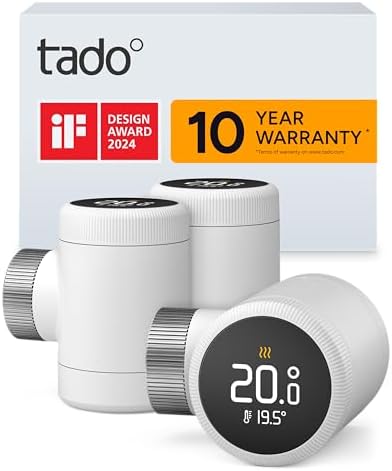
- SAVES ENERGY AND HEATING COSTS: With the intelligent heater thermostat X from tado°, the experts for smart heating, user…
- EASY DIY INSTALLATION, EVEN OFFLINE: The included adapter allows the thermostat to be fitted to almost every radiator va…
- CONTROL VIA APP: The thermostat has numerous features for your heating system, such as smart scheduling, temperature con…
Review Third-Party Access
Understand which installers, service providers or monitoring companies can access your system remotely.
Remove unnecessary permissions whenever possible.
Homeowners wanting a broader protection strategy should also read How Can Homeowners Secure Smart Energy Systems?
Are Smart Heat Pumps Safe To Use?
The Benefits Still Outweigh The Risks
For most households, the benefits of smart heat pumps far outweigh the cyber risks.
These systems provide:
- Greater energy efficiency
- Lower carbon emissions
- Better heating control
- Improved fault detection
- Reduced energy costs
Cyber Security Remains Important
As homes become increasingly connected, cyber security should become part of normal household maintenance alongside servicing and energy efficiency improvements.
Final Verdict
Yes, smart heat pumps are vulnerable to cyber attacks in the same way that any internet-connected device can be vulnerable.
However, the greatest risks typically involve compromised accounts, weak passwords, insecure home networks and poorly maintained software rather than direct attacks against the heat pump itself.
For most UK homeowners, simple measures such as strong passwords, regular updates, secure Wi-Fi and multi-factor authentication provide excellent protection.
As smart heating becomes more widespread across Britain, heat pump cyber security will become an increasingly important part of both home security and national energy resilience.
Use our Smart Meter Security Checker – Quickly check how secure your UK smart meter setup is — supplier app, in-home display, passwords and shared household access.