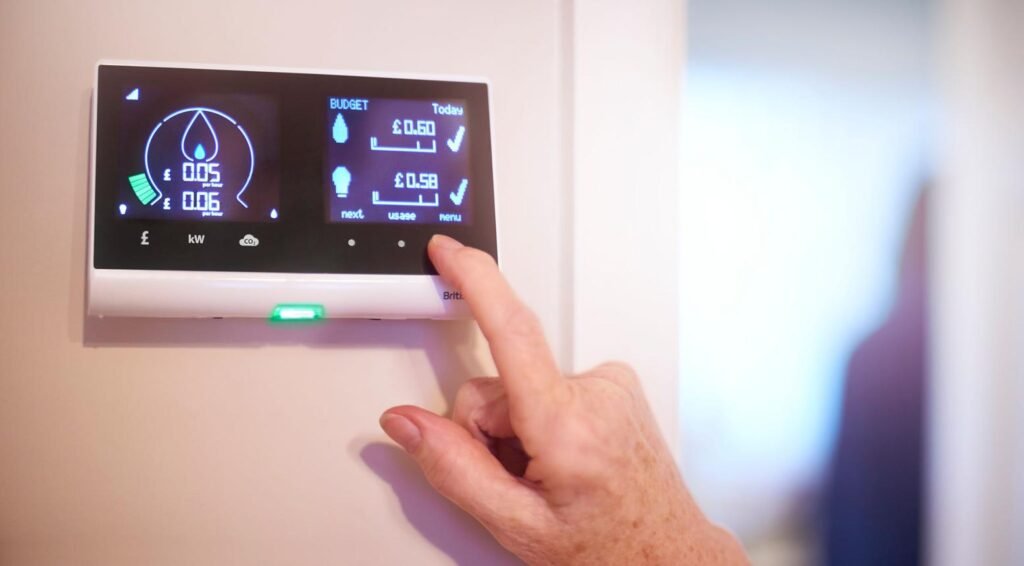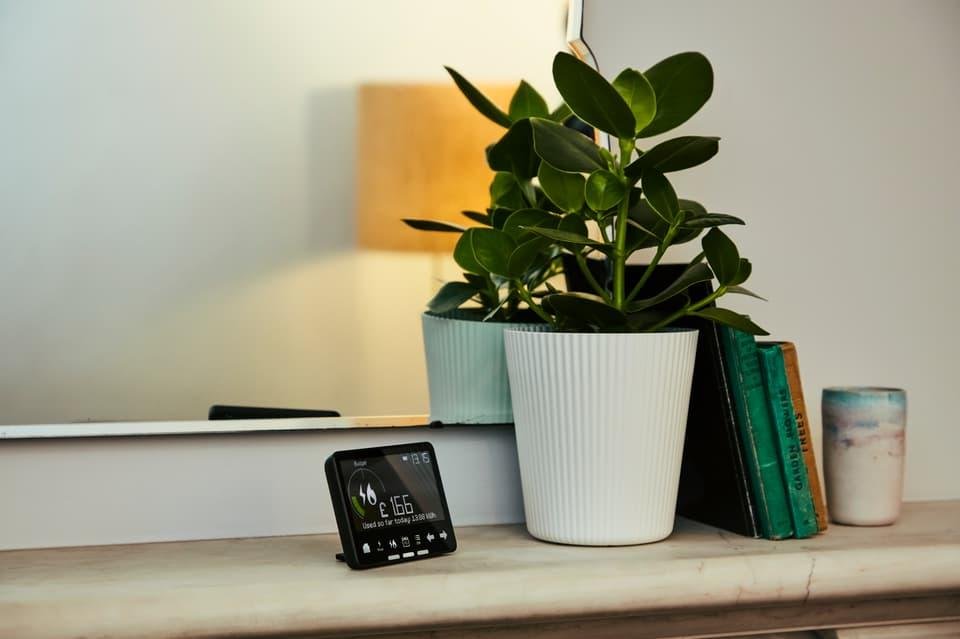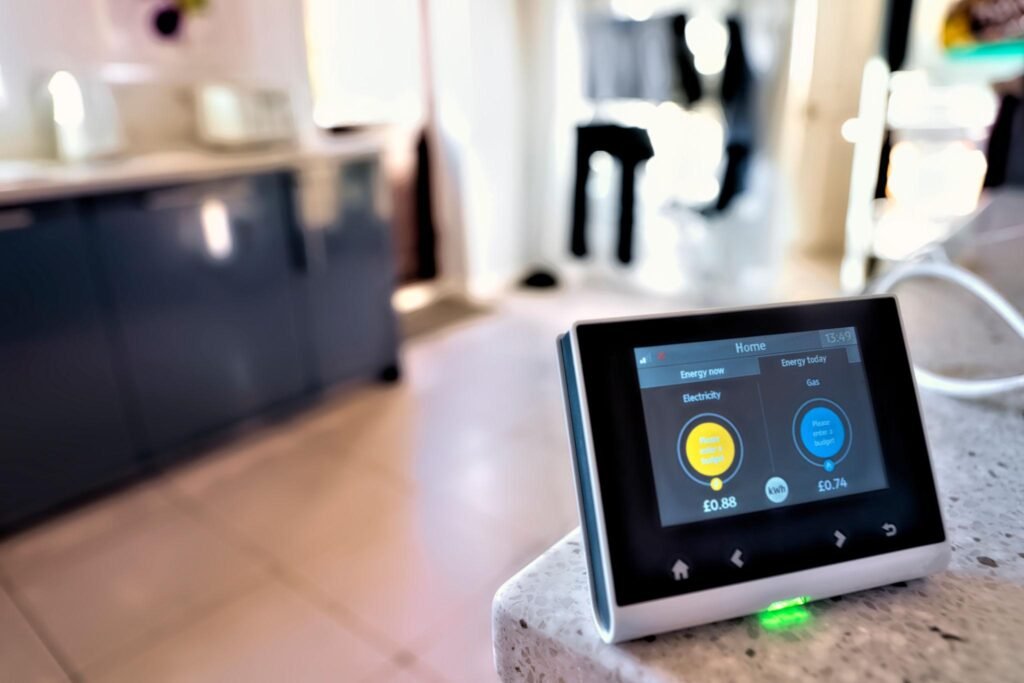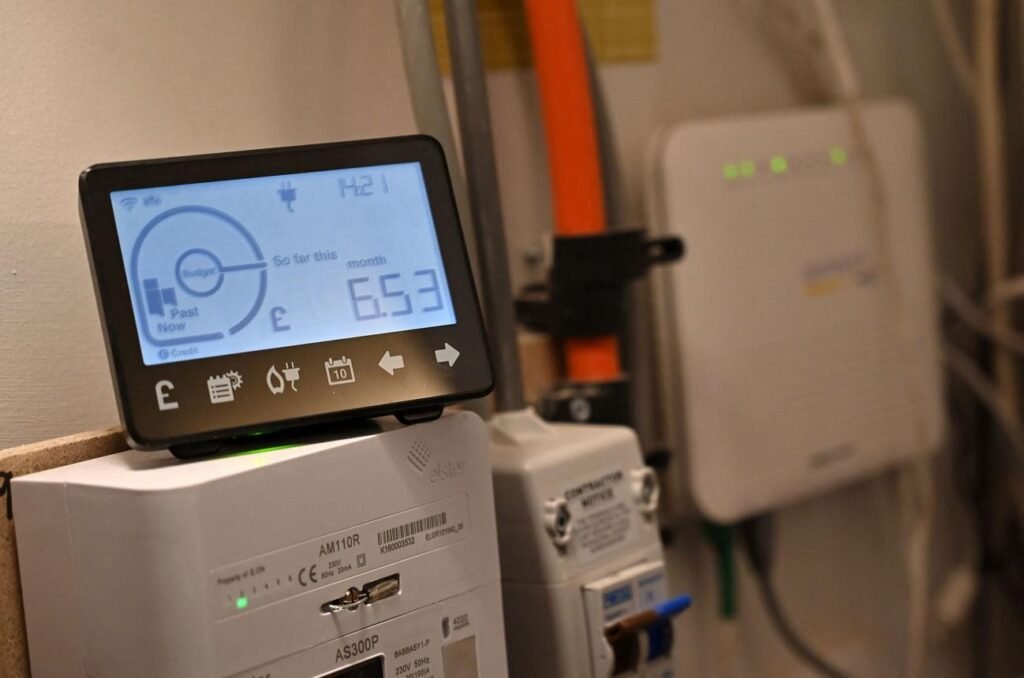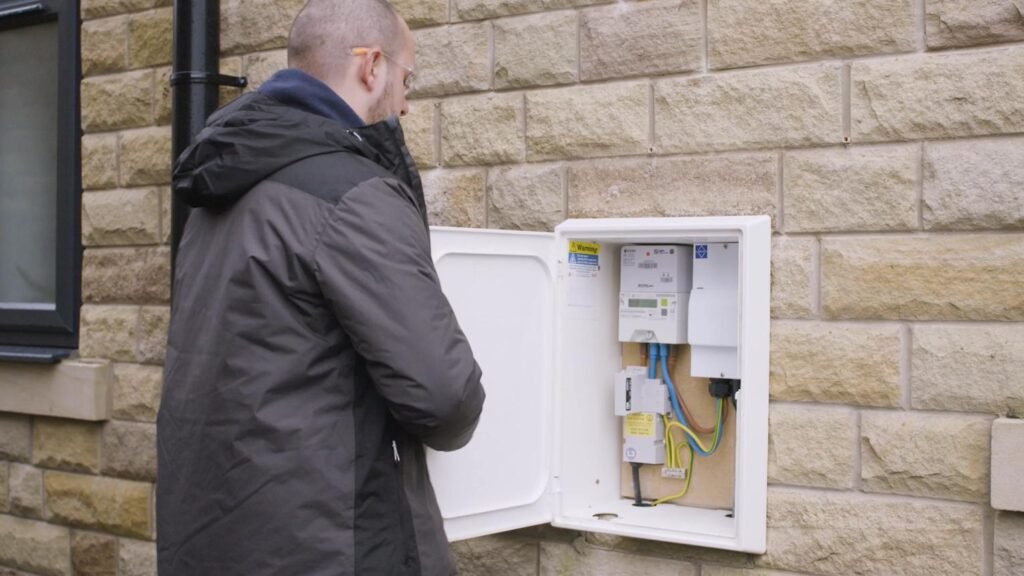
Smart meters are now installed in tens of millions of British homes and businesses, making them one of the largest connected technology deployments in the UK. They automatically send meter readings to suppliers, eliminate estimated bills and help support a more intelligent energy grid.
However, because they are connected devices, many consumers wonder how secure they really are. Stories about cyber attacks, ransomware and hostile state actors regularly make headlines, raising concerns about whether smart meters could become targets.
Questions about privacy often lead consumers to ask Could Hackers Access Smart Meter Data? The answer provides an important starting point for understanding the wider security picture.
The reality is that the UK’s smart meter network is among the most heavily protected technology systems in the country. While no system is completely immune from attack, extensive safeguards have been built into the infrastructure from the outset.

- Installs in circuit panel of most small businesses with clamp-on sensors. Supports Single phase, Single-split phase, and…
- 24/7 Energy Management and Monitoring: Automate and monitor your business’ real power anywhere, anytime to prevent costl…
- Lower Your Electric Bill: Configure settings in the Emporia Energy App to automate energy management for time of use, pe…
How The UK Smart Meter Network Works
Many people assume smart meters connect directly to the internet through a home’s broadband connection. In reality, the UK system works very differently.
Smart meters communicate through a dedicated communications infrastructure operated by the Data Communications Company (DCC). This secure network acts as a bridge between energy suppliers and smart meters.
The system includes:
- Smart electricity meters
- Smart gas meters
- In-home display units
- Energy suppliers
- Dedicated communications networks
- National energy management systems
Because the network is separated from the public internet, it is less exposed to many of the threats faced by ordinary connected devices.
Why Security Was Built Into The Network From The Start
The Government and energy industry understood from the beginning that smart meters would become part of Britain’s critical national infrastructure.
As a result, security was built into the design rather than added later.
Encryption Protects Communications
Every communication between a smart meter and authorised systems is encrypted.
This means that data travelling across the network cannot simply be intercepted and read by attackers.
The encryption standards used are comparable to those found in many government and financial systems.
Authentication Controls
Smart meters do not blindly accept instructions.
Any command sent to a meter must come from an authorised source that can prove its identity.
This prevents attackers from simply connecting to a meter and issuing commands.
Dedicated Infrastructure
Unlike many smart home devices, smart meters do not rely on ordinary internet connections.
This dedicated architecture creates an additional barrier for cyber criminals.
Can Smart Meters Be Hacked?
One of the most common questions asked by the public is Can Smart Meters Be Hacked?
The honest answer is that cyber security professionals rarely describe any connected technology as completely unhackable.
Given sufficient time, resources and expertise, attackers may eventually discover weaknesses in almost any system.
However, successfully compromising a UK smart meter is considerably more difficult than attacking many consumer smart devices.

Security Testing And Research
Researchers continuously examine technologies looking for vulnerabilities.
Some weaknesses have been discovered in smart meter deployments around the world. However, many involved systems that differ significantly from the infrastructure used in Britain.
Regular security testing helps identify and fix problems before they can be exploited by criminals.
Physical Tampering
Historically, some attempts to interfere with electricity meters involved physical tampering.
Modern smart meters contain anti-tamper features capable of detecting interference and reporting suspicious activity.
Are Smart Meters A Cyber Security Risk?
Another common concern is Are Smart Meters a Cyber Security Risk?
The answer depends on perspective.
Compared with traditional meters, smart meters undoubtedly introduce new digital risks because they are connected devices.
However, compared with many consumer technologies, they are subject to significantly stronger security requirements.
In reality, most cyber security specialists would argue that many smart home devices, such as cameras, smart plugs and connected appliances, pose a greater risk than smart meters because they often lack the same level of oversight and protection.
Could Hackers Disconnect Millions Of Smart Meters?
Some people fear that cyber criminals could remotely disconnect electricity supplies across the country.
While certain smart meter functions can be managed remotely, carrying out such an attack would require attackers to bypass multiple independent layers of protection.
These include:
- Encryption systems
- Authentication controls
- Supplier security measures
- DCC network protections
- Operational safeguards
There is currently no publicly known incident involving attackers remotely disconnecting large numbers of UK smart meters.
Use our Smart Meter Security Checker – Quickly check how secure your UK smart meter setup is — supplier app, in-home display, passwords and shared household access.
Real-World Cyber Attacks Against Energy Infrastructure
Although smart meters themselves have not been linked to major UK cyber incidents, energy infrastructure has been targeted elsewhere.
Ukraine Electricity Grid Attacks
Cyber attacks against Ukraine’s electricity infrastructure in 2015 and 2016 demonstrated that energy systems can be targeted by sophisticated adversaries.
However, these attacks focused on operational technology systems rather than residential smart meters.
Colonial Pipeline Ransomware Attack
The Colonial Pipeline ransomware attack in the United States disrupted fuel distribution and highlighted the vulnerability of critical infrastructure.
Again, smart meters were not the target, but the incident demonstrated how cyber attacks can create real-world consequences.

Could A Cyber Attack Cause UK Blackouts?
When discussing threats to critical infrastructure, many people ask Could a Cyber Attack Cause UK Blackouts?
The likelihood of smart meters alone causing a nationwide blackout is extremely low.
The UK’s electricity system includes multiple layers of protection, monitoring and redundancy.
A more realistic concern would be attacks against wider operational technology systems used in electricity generation, transmission or distribution.
This is why national cyber security efforts focus on protecting the entire energy ecosystem rather than individual household devices.
Energy Price Check: Want to see how UK energy prices are changing? Visit PowerGuardian.co.uk for energy price analysis, supplier insights and market forecasts.
Who Protects The Smart Meter Network?
Several organisations are responsible for maintaining security.
National Cyber Security Centre
The National Cyber Security Centre provides guidance, intelligence and support for critical sectors.
- Full control over your heating with the tado° app from anywhere, reduce your energy consumption and save money with the …
- Heating Boost: heat up all rooms for 30 minutes with one click in the app
- Smart Schedules for the perfect temperature individually in each room, at any time; only active when someone’s home; can…
Ofgem
Ofgem oversees the energy market and ensures suppliers comply with regulatory obligations.
Data Communications Company
The DCC operates the communications infrastructure linking suppliers and smart meters.
Energy Suppliers
Suppliers maintain their own cyber security teams, monitoring systems and compliance programmes.
See the Smart Meter Guide UK at powerguardian.co.uk – Everything you need to know about smart meters, estimated bills, real-time energy usage, Economy 7 tariffs, smart tariffs and potential savings.
The Verdict
The UK’s smart meter network is generally considered one of the most secure large-scale connected infrastructures operating in Britain today.
It benefits from:
- Strong encryption
- Dedicated communications networks
- Strict authentication controls
- Continuous monitoring
- Regulatory oversight
- National cyber security support
No technology is completely immune from cyber threats. Attack techniques continue to evolve and new vulnerabilities occasionally emerge.
However, the greatest cyber risks facing most households are still likely to come from phishing attacks, weak passwords, unsecured Wi-Fi networks and poorly protected smart home devices rather than smart meters themselves.
To understand the broader landscape, it is worth examining What Are The Biggest Cyber Security Threats To UK Infrastructure? because smart meters represent only one part of the much larger challenge of protecting Britain’s critical national infrastructure.