The United Kingdom has one of the most reliable energy systems in the world, but it also faces a growing number of security challenges. Energy security is no longer simply about having enough gas in storage or enough power stations connected to the grid. It now involves cyber security, geopolitical tensions, ageing infrastructure, supply chains, renewable energy integration and the resilience of digital systems that control critical national infrastructure.
The UK’s energy network has become increasingly interconnected. While this improves efficiency and supports the transition to net zero, it also creates new vulnerabilities that hostile states, cyber criminals, extreme weather events and infrastructure failures could exploit.
Understanding these risks is essential because energy underpins almost every aspect of modern life, from hospitals and transport systems to banking, telecommunications and national defence.
Dependence on Imported Energy
The UK is not fully energy independent
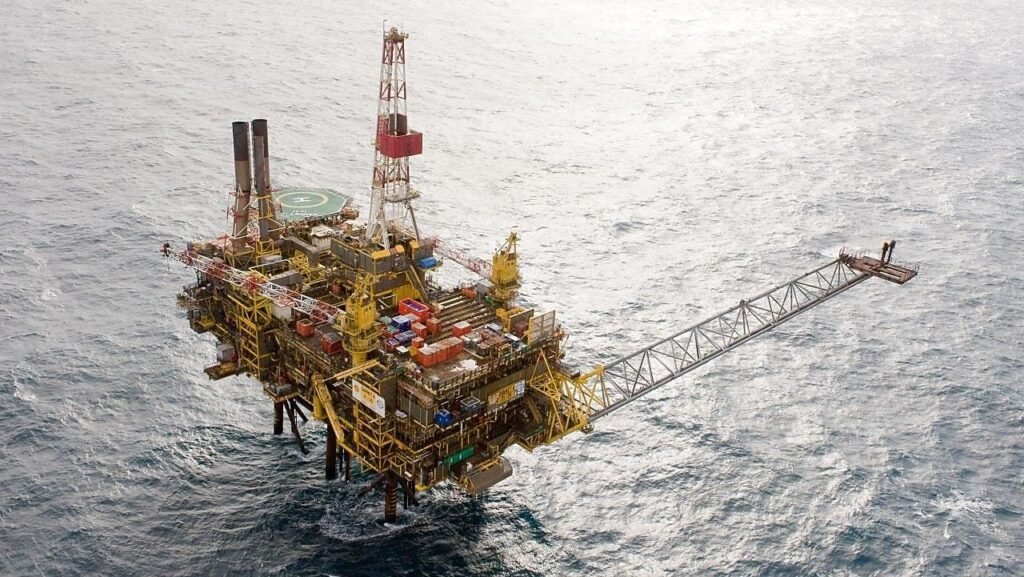
Despite significant North Sea oil and gas production, the UK remains dependent on imported energy supplies.
The country imports substantial volumes of natural gas through pipelines from Norway and via liquefied natural gas (LNG) terminals receiving shipments from countries including the United States and Qatar.
This dependence creates vulnerabilities because international events can rapidly affect energy availability and prices.
When Russia invaded Ukraine in 2022, European energy markets experienced unprecedented disruption. Although the UK imported little Russian gas directly, global energy prices surged because international markets are interconnected.
Any future disruption affecting major exporters, shipping routes or pipeline infrastructure could have significant consequences for UK energy security.

- [Fastest Charging in the Industry] – Fully recharge using an AC outlet in only 70 minutes with EcoFlow’s X-Stream fast c…
- [Power 80% of Your Appliances] – With an output of up to 1600W, run 80% off all your appliances, even high wattage ones….
- [LFP Long-Life Battery] – Using LFP battery cells, use and recharge RIVER 2 Pro more than 3000 times before hitting 80%….
Limited Gas Storage Capacity
The UK has less storage than many European nations
One of the UK’s most frequently cited vulnerabilities is its relatively limited gas storage capacity.
Countries such as Germany, France and Italy maintain much larger strategic gas reserves compared with annual consumption.
While the UK has improved storage capabilities in recent years, it still relies heavily on continuous imports to meet demand, particularly during winter.
If severe weather coincided with international supply disruptions, the UK could face increased price volatility and pressure on energy supplies.
Although the likelihood of shortages remains low, limited storage reduces flexibility during periods of market stress.
Cyber Attacks on Energy Infrastructure
Energy networks are increasingly digital
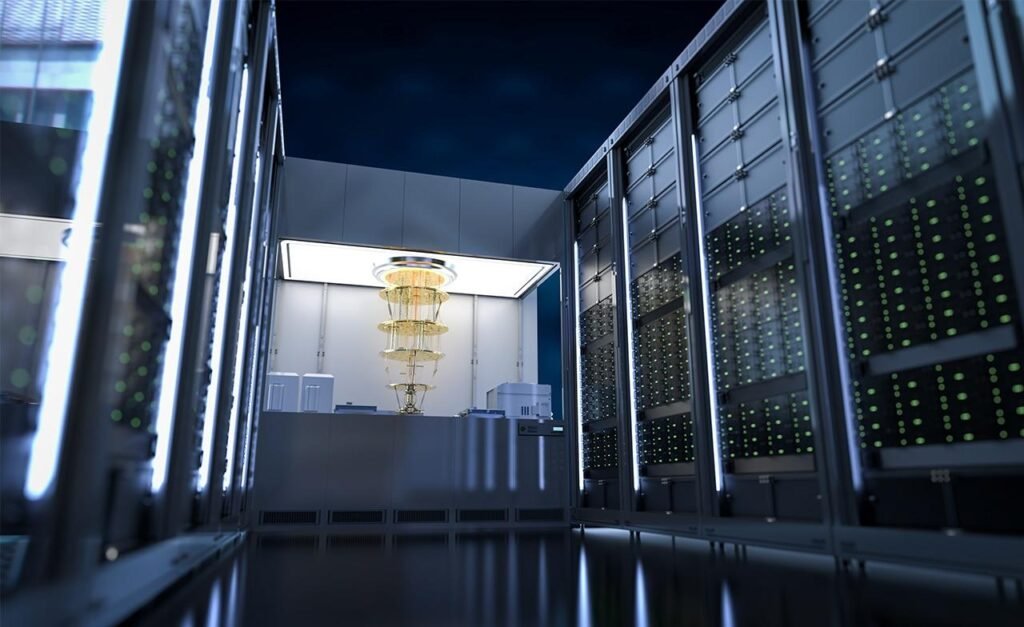
Modern energy infrastructure relies heavily on digital systems.
Electricity transmission networks, renewable energy assets, substations, gas distribution systems and operational control centres all depend on software and networked technologies.
This creates opportunities for cyber attackers.
The concerns explored in How Prepared Is the UK for Cyber Attacks on Critical Infrastructure? and What Are the Emerging Cyber Threats Facing UK Energy Infrastructure? are becoming increasingly relevant as energy systems become more connected.
Potential threats include:
- Ransomware attacks
- Operational technology (OT) compromises
- Supply chain attacks
- Insider threats
- State-sponsored cyber espionage
- Distributed denial-of-service attacks
While security standards have improved significantly, attackers continue to evolve their capabilities.

Ageing Infrastructure
Some assets are approaching the end of their operational life
Parts of the UK’s energy infrastructure were built decades ago.
While many assets have been upgraded and maintained effectively, ageing infrastructure remains a concern across several areas:
- Electricity substations
- Transmission equipment
- Gas distribution networks
- Offshore platforms
- Power generation facilities
As equipment ages, the likelihood of faults, maintenance requirements and unexpected failures increases.
Upgrading infrastructure requires billions of pounds of investment and careful planning to avoid disrupting energy supplies.
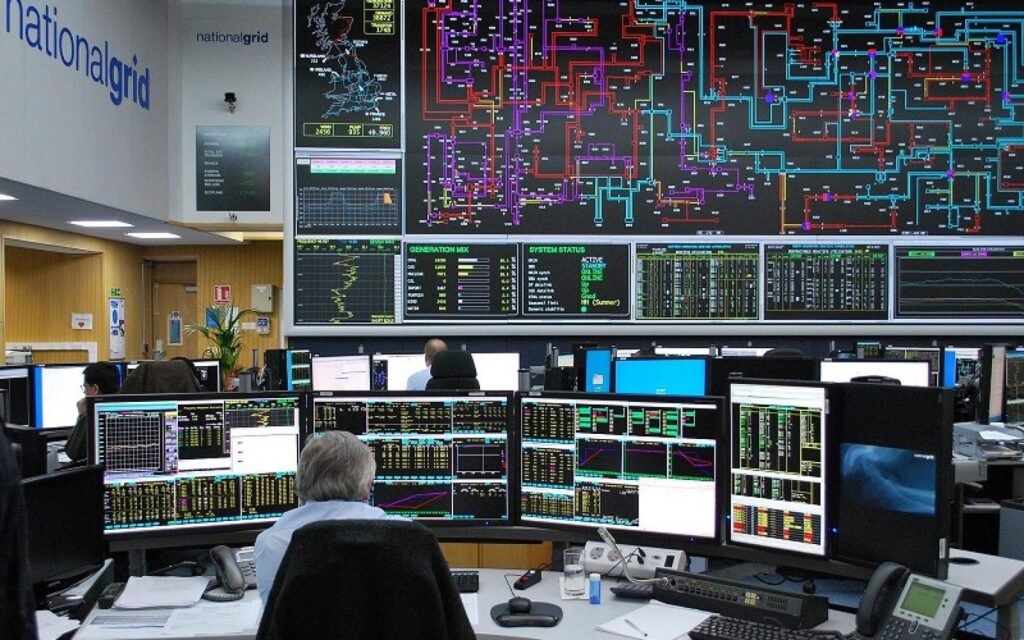
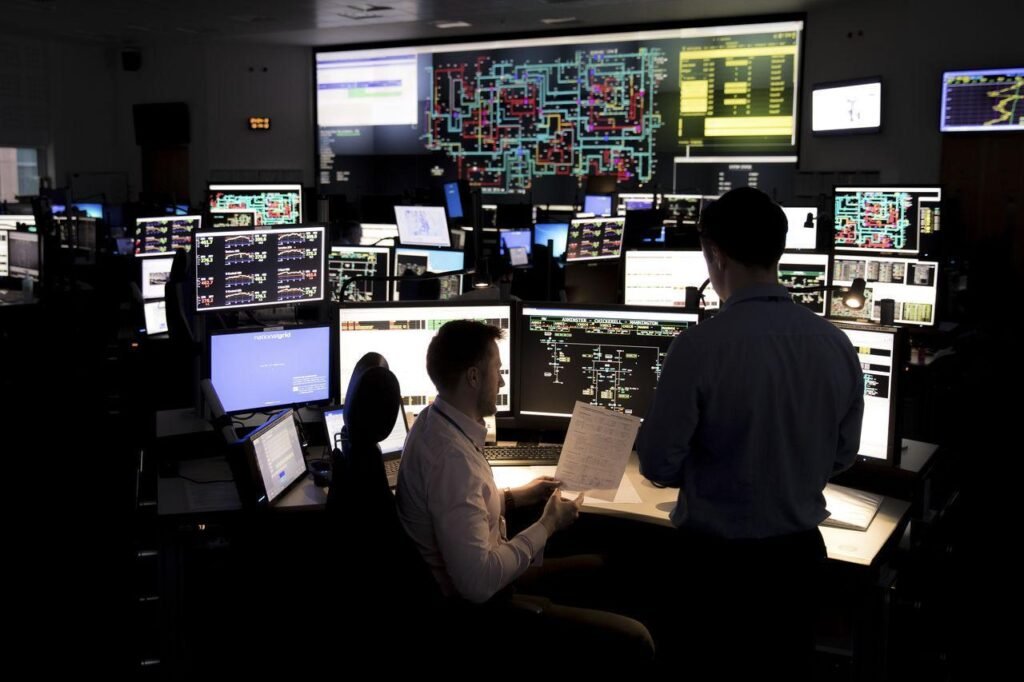
Vulnerabilities Within The National Grid
Electricity demand is changing rapidly
The UK’s electricity network was originally designed around large centralised power stations.
Today’s system is becoming far more decentralised.
The growth of:
- Offshore wind farms
- Solar installations
- Battery storage
- Electric vehicles
- Heat pumps
creates new challenges for grid operators.
Managing intermittent renewable generation while ensuring reliability requires increasingly sophisticated balancing systems.
A major failure affecting grid stability could potentially lead to widespread disruption, a scenario discussed in Could a Cyber Attack Cause UK Blackouts?
National Grid has invested heavily in resilience, but demand patterns are changing faster than at any point in recent decades.

- SECURITY KEY: Protect your online accounts against unauthorized access by using 2 factor authentication with the Yubico …
- FIDO: The Yubico Security Key NFC is FIDO certified and works with Google Chrome and any FIDO-compliant application on W…
- FITS USB-A PORTS: Once registered, each service will request you to insert the Yubico PC Security Key into a USB-A port …
Offshore Wind Concentration Risks
Renewable energy introduces different security challenges
The UK is a global leader in offshore wind generation.
Large wind farms provide substantial amounts of electricity, helping reduce reliance on fossil fuels.
However, concentrating large amounts of generation offshore creates new risks:
- Undersea cable damage
- Equipment failures
- Extreme weather impacts
- Supply chain disruption
- Cyber vulnerabilities within remote monitoring systems
The more important offshore infrastructure becomes, the more attractive it becomes as a target for hostile actors.

Geopolitical Instability
Global events increasingly affect domestic energy security
Energy security can no longer be viewed solely as a domestic issue.
Conflicts, sanctions, trade disputes and diplomatic tensions can all affect energy markets.
The issues discussed in How Could Geopolitical Tensions Affect UK Energy Cyber Security? demonstrate how international developments can influence domestic resilience.
Potential risks include:
- LNG shipping disruptions
- Pipeline interruptions
- Critical mineral shortages
- Semiconductor supply constraints
- State-sponsored cyber operations
Many technologies required for the energy transition depend on international supply chains, making geopolitical stability increasingly important.
Dependence on Critical Minerals
Clean energy technologies require global supply chains
The UK’s transition towards electrification depends heavily on minerals such as:
- Lithium
- Cobalt
- Nickel
- Rare earth elements
These materials are essential for batteries, wind turbines, electric vehicles and grid technologies.
Many are sourced from a relatively small number of countries.
Any disruption to mining, processing or transport could slow deployment of new energy infrastructure and increase costs.
Extreme Weather Events
Climate change presents growing operational challenges
Energy infrastructure faces increasing exposure to extreme weather.
Risks include:
- Flooding
- Storm damage
- Heatwaves
- Coastal erosion
- Lightning strikes
Climate scientists expect severe weather events to become more frequent and more intense.
This means energy infrastructure must be designed to withstand conditions that may not have been considered when older assets were built.
Resilience planning is becoming just as important as energy generation itself.
Skills Shortages
The workforce challenge is often overlooked
One of the less visible vulnerabilities involves people rather than technology.
The UK energy sector faces growing demand for specialists in:
- Cyber security
- Electrical engineering
- Grid management
- Renewable energy systems
- Operational technology security
Competition for skilled workers is increasing globally.
Without sufficient expertise, infrastructure projects can face delays, operational risks and increased costs.

- 【OBSBOT × EWC 2025 Official Partnership】OBSBOT is thrilled to be the 2025 Esports World Cup (EWC) Official Camera & Webc…
- 【OBSBOT Tiny 2 – New Era of Webcam】Our 4K Webcam is equipped with 1/1.5″ CMOS Sensor, which is the largest and most adva…
- 【Superior AI-Tracking, Up 4 Tracking Modes】Our Tracking Webcam has fully upgraded the AI algorithm to make the auto-trac…
Supply Chain Weaknesses
Energy security depends on thousands of suppliers
The UK energy sector relies on extensive supply chains.
A vulnerability affecting a single supplier can have wider consequences.
Examples include:
- Software suppliers
- Equipment manufacturers
- Semiconductor producers
- Telecommunications providers
- Industrial control system vendors
Supply chain attacks have become one of the most significant cyber security concerns worldwide because attackers often target smaller organisations that support critical infrastructure.
The Biggest Risk Is Not One Single Threat
Multiple vulnerabilities can combine
The UK’s greatest energy security vulnerability is arguably not any individual threat.
The real concern is the possibility of several risks occurring simultaneously.
Imagine:
- A severe winter storm
- High electricity demand
- Reduced renewable generation
- A cyber attack on infrastructure
- International supply chain disruption
Each event individually might be manageable.
Together, they could place significant strain on the system.
This is why energy security planners increasingly focus on resilience rather than simply capacity.
Conclusion
The UK’s biggest energy security vulnerabilities are its reliance on imported energy, limited gas storage, ageing infrastructure, cyber threats, grid transformation challenges, offshore infrastructure exposure, geopolitical instability, critical mineral dependencies, extreme weather risks, workforce shortages and supply chain weaknesses.
The good news is that government agencies, regulators and energy companies are actively investing in resilience. However, as explored in What Does the Future of Energy Cyber Security Look Like? the threat landscape continues to evolve.
Energy security in 2026 is no longer just about producing enough electricity or gas. It is about protecting a highly connected ecosystem of physical infrastructure, digital systems, international supply chains and skilled people. The countries that recognise this reality and invest accordingly will be the ones best positioned to keep the lights on, whatever challenges emerge next.