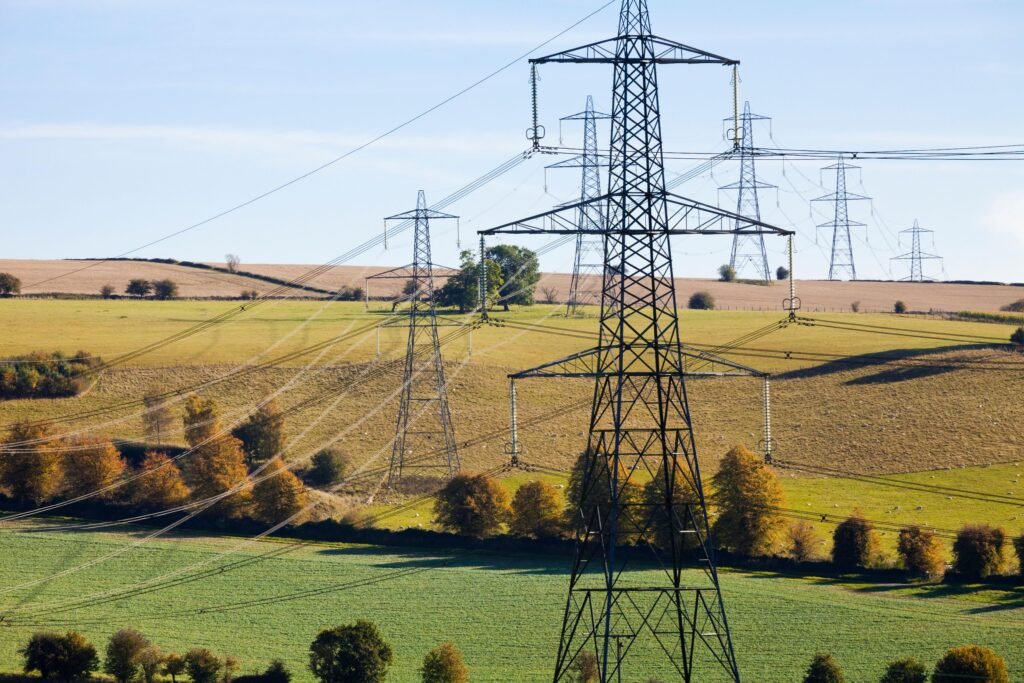
Britain’s electricity system is entering a period of unprecedented change. Between 2026 and 2035, electricity demand is expected to rise significantly as electric vehicles, heat pumps, artificial intelligence data centres and industrial electrification become increasingly common.
At the same time, the electricity sector is becoming more digital, more connected and more dependent on software than ever before.
This transformation creates enormous opportunities, but it also creates a growing cyber security challenge.
The future of Britain’s energy security will depend not only on generating enough electricity, but also on protecting the digital systems that control, distribute and manage it.
The threats outlined in What Are the Emerging Cyber Threats Facing UK Energy Infrastructure? are expected to intensify as the electricity sector becomes increasingly automated and interconnected.
Why Electricity Is Becoming a Cyber Security Issue
Historically, electricity security focused on physical assets.
Energy companies worried about:
- Power station reliability
- Fuel supplies
- Severe weather
- Equipment failures
- Physical attacks
Today, cyber security has become equally important.
Modern electricity infrastructure increasingly relies on:
- Cloud computing
- Industrial control systems
- Remote monitoring
- Smart devices
- Communications networks
- Artificial intelligence
- Automated control platforms
Every digital connection creates a potential vulnerability.
The UK electricity system is effectively becoming one of the largest interconnected digital networks in the country.

- Works with 1000+ Accounts: Compatible with Google, Microsoft, and Apple. A single Security Key NFC secures 100 of your f…
- Fast & Convenient Login: Plug in your Security Key NFC via USB and tap it, or tap it against your phone (NFC) to authent…
- Trusted Passkey Technology: Uses the latest passkey standards (FIDO2/WebAuthn & FIDO U2F) but does not support One-Time …
The Growth of AI-Driven Cyber Threats
Artificial intelligence will fundamentally reshape cyber security between now and 2035.
AI is already being used by defenders to identify threats faster and improve network monitoring.
However, attackers are also adopting the same technology.
Machine-Speed Attacks
AI-powered attackers can potentially:
- Scan networks automatically
- Identify vulnerabilities rapidly
- Generate sophisticated phishing campaigns
- Analyse stolen information
- Adapt attack methods in real time
Future attacks may be launched at speeds that make traditional human-led responses too slow.
This will force electricity companies to increasingly rely on automated defensive technologies.
Operational Technology Will Become the Main Battleground
One of the biggest changes during the next decade will be the growing importance of Operational Technology security.
Understanding Operational Technology
Operational Technology (OT) controls physical infrastructure including:
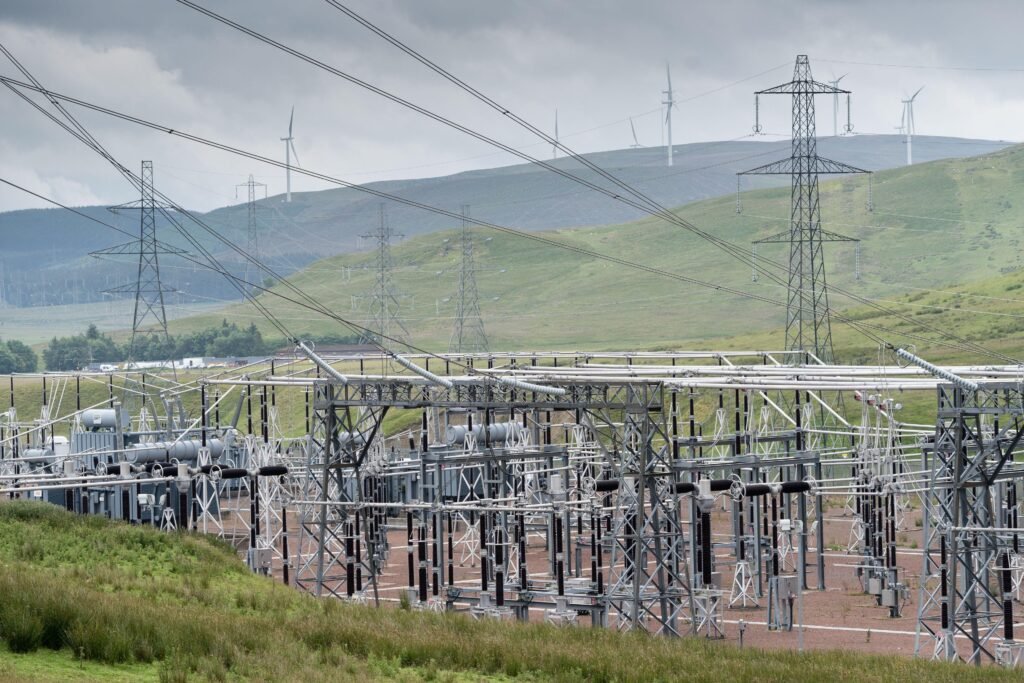
- Substations
- Transformers
- Generation facilities
- Distribution equipment
- Industrial control systems
- SCADA environments
Unlike traditional office IT systems, OT directly affects electricity supply.
A successful attack against operational technology could potentially disrupt power delivery rather than simply interrupt office operations.
This distinction explains why many experts believe OT security spending will increase faster than conventional cyber security budgets.

- Coverage up to 4,000 sq. ft. and for up to 100 devices. Extend coverage up to 2,000 sq. ft. with each additional satelli…
- Ultrafast AX6000 gigabit speed with WiFi 6 technology for uninterrupted streaming, HD video gaming, and web conferencing
- Compatible with any internet service provider up to 2.5Gbps including cable, satellite, fiber and DSL. Connects to your …
Renewable Energy Will Expand Cyber Security Requirements
Britain’s renewable energy transition will significantly expand the number of connected energy assets.
Distributed Energy Networks
Future electricity generation will increasingly depend on:
- Offshore wind farms
- Solar farms
- Battery storage systems
- Community energy schemes
- Flexible demand systems
Each of these assets relies on digital monitoring and control systems.
The expansion of renewable energy therefore increases the overall cyber security workload facing operators.
Offshore Infrastructure Risks
Modern offshore wind facilities depend heavily upon:
- Remote communications
- Satellite connections
- Automated monitoring
- Cloud-based management systems
As offshore generation grows, protecting these systems will become increasingly important.

Electric Vehicles Will Create New Cyber Challenges
The UK’s electric vehicle transition introduces another major layer of complexity.
By 2035, millions of connected charging devices may interact with the electricity grid every day.
Future charging infrastructure will include:
- Home chargers
- Public charging networks
- Workplace charging systems
- Smart charging software
- Vehicle-to-grid technology
Each component requires security protection.
Future cyber strategies will increasingly focus on securing entire charging ecosystems rather than individual devices.
Smart Grids Will Require Continuous Defence
The future electricity grid will rely heavily on automation.
Smart grids will help balance:
- Renewable energy generation
- Electric vehicle demand
- Heat pump usage
- Battery storage systems
- Industrial electricity consumption
While these technologies improve efficiency, they also create new cyber risks.
Future operators will increasingly deploy:
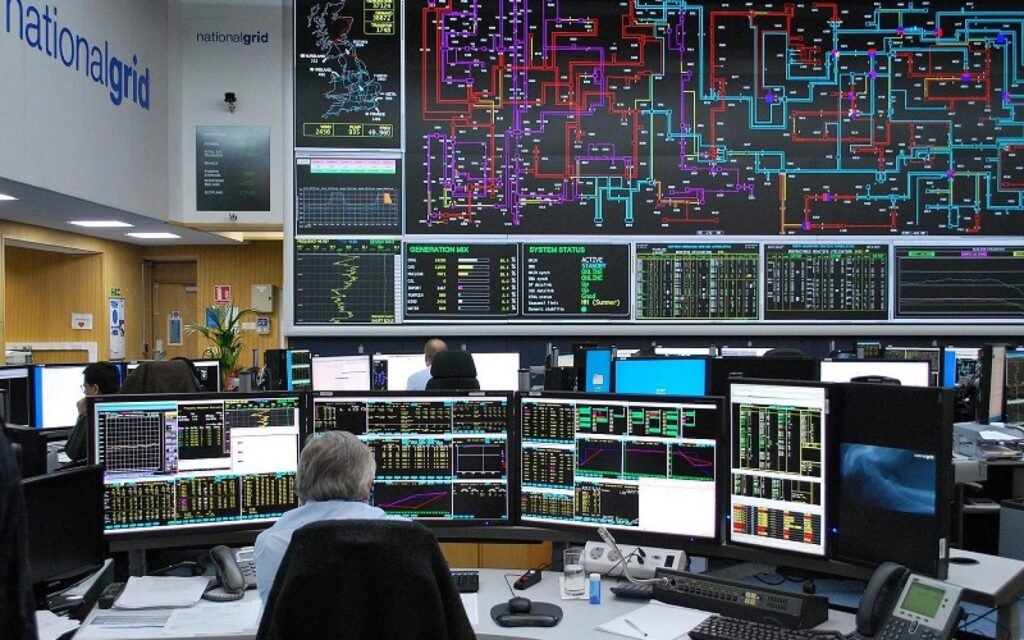
- Continuous monitoring
- Behavioural analytics
- Automated detection systems
- AI-assisted defence platforms
Cyber security will become a permanent operational activity rather than a periodic compliance exercise.

Nation-State Threats Will Remain a Major Concern
Many of the most serious threats facing electricity infrastructure originate from nation-state actors.
Electricity remains an attractive target because disruption can affect:
- Communications
- Healthcare
- Water systems
- Transport
- Financial services
- Government operations
The analysis contained within How Prepared Is the UK for Cyber Attacks on Critical Infrastructure? demonstrates why critical infrastructure protection remains a national priority.
Future state-sponsored activity is expected to focus on:
- Intelligence gathering
- Reconnaissance
- Supply chain infiltration
- Malware positioning
- Strategic disruption capabilities

- MULTI-LAYERED SECURITY HARDWARE: Reputation filtering (IP/DNS/URL) and SecuReporter visibility included in Entry Defense…
- OFFLINE-CAPABLE SETUP AND UPDATES: Configure via Nebula portal wizard; update firmware offline via FTP on the local netw…
- COMPACT FANLESS DESIGN: with SPI 2,000 Mbps firewall throughput, 1,000 Mbps IPS, 500 Mbps VPN, the firewall supports up …
Supply Chain Security Will Become Essential
Future electricity infrastructure depends upon complex supply chains.
Potential risks originate from:
- Software vendors
- Hardware manufacturers
- Cloud providers
- Contractors
- Maintenance companies
Several major cyber incidents have shown that attackers often exploit suppliers to gain access to larger targets.
As a result, supply chain security is expected to become one of the fastest-growing areas of investment across the energy sector.
The Skills Gap Could Become a Critical Weakness
Technology alone will not solve the challenge.
The sector will require growing numbers of:
- OT security specialists
- Cyber analysts
- Incident responders
- Industrial engineers
- Threat intelligence experts
- AI security professionals
The vulnerabilities identified in What Are the UK’s Biggest Energy Security Vulnerabilities? include workforce shortages, which many experts believe could become one of the biggest obstacles to future resilience.

What Success Looks Like by 2035
A resilient electricity system in 2035 is likely to feature:
- AI-assisted threat detection
- Continuous cyber monitoring
- Advanced operational technology protection
- Stronger supply chain controls
- Skilled cyber workforces
- Faster incident response
- Greater industry collaboration
Success will not mean eliminating cyber attacks.
That is unrealistic.
Success means ensuring attacks do not significantly disrupt electricity supplies or undermine public confidence in the energy system.
Conclusion
The conclusions reached in What Does the Future of Energy Cyber Security Look Like? point towards a future where cyber security becomes inseparable from energy security.
Between 2026 and 2035, Britain’s electricity infrastructure will become more digital, more intelligent and more connected.
Those same developments will increase cyber risk.
The electricity companies that thrive during the next decade will be those that treat cyber resilience as a core engineering requirement rather than an IT function.
The future of British energy security will increasingly depend on the ability to defend digital infrastructure as effectively as physical infrastructure.
Reference Material and Research
- National Cyber Security Centre – Critical National Infrastructure Guidance
- National Grid – Future Energy Scenarios
- National Energy System Operator (NESO) – Future Energy Planning
- Department for Energy Security and Net Zero (DESNZ)
- International Energy Agency – Cybersecurity and Energy Security
- World Economic Forum – Global Cybersecurity Outlook
- UK Cyber Security Breaches Survey
- National Infrastructure Commission – Infrastructure Reports and Research
- Ofgem – Smart Systems and Flexibility Programme
- Royal Academy of Engineering – Future Energy Systems Research