Geopolitical tensions have become one of the most significant drivers of cyber risk facing the UK energy sector. Modern energy systems are no longer isolated industrial environments. Electricity generation, gas distribution, renewable energy farms, battery storage facilities, smart meters and EV charging networks all rely heavily on digital technologies and interconnected networks.
As international disputes, sanctions, conflicts and strategic rivalries increase, cyber attacks are increasingly being used as tools of statecraft. Rather than deploying conventional military forces, hostile nations can target critical infrastructure through cyberspace, creating disruption while maintaining a degree of plausible deniability.
For the UK’s energy sector, this means cyber security is no longer purely an IT concern. It has become a matter of national security.
The concerns raised in Emerging Cyber Threats Facing UK Energy Infrastructure demonstrate how the threat landscape is evolving far beyond traditional criminal hacking.
Why Energy Infrastructure Is a Strategic Target
Critical Infrastructure Creates Maximum Impact
Energy networks underpin almost every aspect of modern society.
Without reliable electricity and gas supplies, the following sectors can be affected:
- Healthcare
- Telecommunications
- Financial services
- Water treatment
- Transportation
- Manufacturing
- Emergency services
This makes energy infrastructure an attractive target for nation-state actors seeking to exert pressure on governments during periods of geopolitical tension.
Unlike attacks against individual businesses, successful attacks against energy infrastructure can generate widespread disruption and public concern.
Cyber Attacks Offer Strategic Advantages
Cyber operations allow hostile states to:
- Gather intelligence
- Test defensive capabilities
- Position malware for future use
- Influence public confidence
- Cause economic disruption
- Support broader military objectives
Because attribution remains difficult, cyber attacks often present lower political risks than conventional military action.

- Back-UPS BX provides guaranteed power and surge protection for desktop computers, wireless networks, gaming consoles and…
- 700 VA/390 Watts – Automatic Voltage Regulation (AVR)
- PowerShute shutdown software – USB Connector
The Growing Threat from Nation-State Actors
State-Sponsored Cyber Campaigns
Many advanced cyber operations targeting energy infrastructure are believed to originate from state-sponsored groups.
These groups often possess:
- Significant funding
- Specialist expertise
- Long-term objectives
- Access to sophisticated tools
- Intelligence support
Unlike cyber criminals seeking immediate financial gain, nation-state actors may spend months or years gaining access to critical systems before acting.
Energy Systems as Intelligence Targets
Before disruption occurs, attackers frequently seek intelligence.
This may include:
- Grid architecture
- Operational technology (OT) systems
- Supplier relationships
- Network diagrams
- Security controls
- Emergency response procedures
Understanding these systems allows adversaries to identify weaknesses that could be exploited during future crises.

How Geopolitical Conflicts Could Increase UK Cyber Risks
Retaliation Against Economic Sanctions
Economic sanctions are increasingly used by governments to influence international behaviour.
In response, hostile states may seek alternative methods to impose costs on sanctioning countries.
Cyber attacks against energy providers can become part of this response strategy.
Even relatively small disruptions can create significant media attention and public concern.
Hybrid Warfare Tactics
Modern conflicts increasingly involve hybrid warfare.
This combines:
- Cyber operations
- Information warfare
- Disinformation campaigns
- Economic pressure
- Political influence activities
Energy infrastructure often sits at the centre of these strategies because disruption can have immediate and visible consequences.
Escalation During International Crises
Periods of heightened international tension often coincide with increased cyber activity.
Attackers may:
- Increase reconnaissance
- Probe energy networks
- Exploit supply chain vulnerabilities
- Launch phishing campaigns
- Target contractors and suppliers
These activities may serve as preparation for more serious operations if tensions escalate further.

- 【OBSBOT × EWC 2025 Official Partnership】OBSBOT is thrilled to be the 2025 Esports World Cup (EWC) Official Camera & Webc…
- 【OBSBOT Tiny 2 – New Era of Webcam】Our 4K Webcam is equipped with 1/1.5″ CMOS Sensor, which is the largest and most adva…
- 【Superior AI-Tracking, Up 4 Tracking Modes】Our Tracking Webcam has fully upgraded the AI algorithm to make the auto-trac…
Supply Chain Risks and Foreign Dependencies
Third-Party Technology Exposure
Modern energy infrastructure depends on equipment sourced globally.
Components may originate from multiple countries, including:
- Network hardware
- Industrial controllers
- Communications systems
- Smart grid technologies
- Renewable energy management platforms
Geopolitical tensions can raise concerns about supply chain integrity and potential hidden vulnerabilities.
Software Supply Chain Attacks
Rather than directly attacking energy companies, sophisticated actors may target trusted software providers.
Compromised updates can provide access to multiple organisations simultaneously.
This approach has become increasingly attractive because a single compromise can affect hundreds or thousands of downstream victims.
Risks to Renewable Energy Infrastructure
Expanding Attack Surface
The UK’s transition towards renewable energy has introduced new digital technologies.
These include:
- Wind farm management systems
- Solar farm monitoring platforms
- Battery storage management systems
- Smart grid technologies
- Remote maintenance capabilities
While these technologies improve efficiency, they also increase potential attack surfaces.

- SECURITY KEY: Protect your online accounts against unauthorized access by using 2 factor authentication with the Yubico …
- FIDO: The Yubico Security Key NFC is FIDO certified and works with Google Chrome and any FIDO-compliant application on W…
- FITS USB-A PORTS: Once registered, each service will request you to insert the Yubico PC Security Key into a USB-A port …
Distributed Energy Networks
Unlike traditional power stations, renewable energy assets are often geographically dispersed.
Managing thousands of remote devices requires extensive connectivity.
This creates additional opportunities for attackers seeking entry points into energy networks.
AI-Enabled Threats During Geopolitical Tensions
Faster and More Convincing Attacks
Artificial intelligence is transforming offensive cyber capabilities.
As explored in How Are Hackers Using AI Against English Energy Firms?, attackers can use AI to:
- Create realistic phishing emails
- Generate convincing fake communications
- Analyse vulnerabilities rapidly
- Automate reconnaissance
- Enhance social engineering attacks
Nation-state actors can combine traditional intelligence gathering with AI-powered tools to increase effectiveness.
Information Warfare and Disinformation
AI can also support disinformation campaigns.
False reports of energy shortages, cyber attacks or infrastructure failures could spread rapidly online.
Even when systems remain operational, public confidence may be affected.
Could Geopolitical Cyber Attacks Cause UK Blackouts?
The Reality Behind the Headlines
The scenario explored in Could a Cyber Attack Cause UK Blackouts? is often discussed whenever geopolitical tensions rise.
In practice, causing widespread blackouts is extremely difficult.
The UK’s energy sector benefits from:
- Multiple layers of defence
- Operational redundancy
- Physical safeguards
- Continuous monitoring
- Regulatory oversight
However, localised disruption remains a realistic concern.
Disruption Rather Than Destruction
Most cyber operations focus on disruption rather than permanent destruction.
Potential impacts could include:
- Temporary outages
- Delayed operations
- Service interruptions
- Customer system failures
- Reduced visibility for operators
These incidents may still create significant economic and social consequences.

How the UK Energy Sector Is Responding
Increased Government Focus
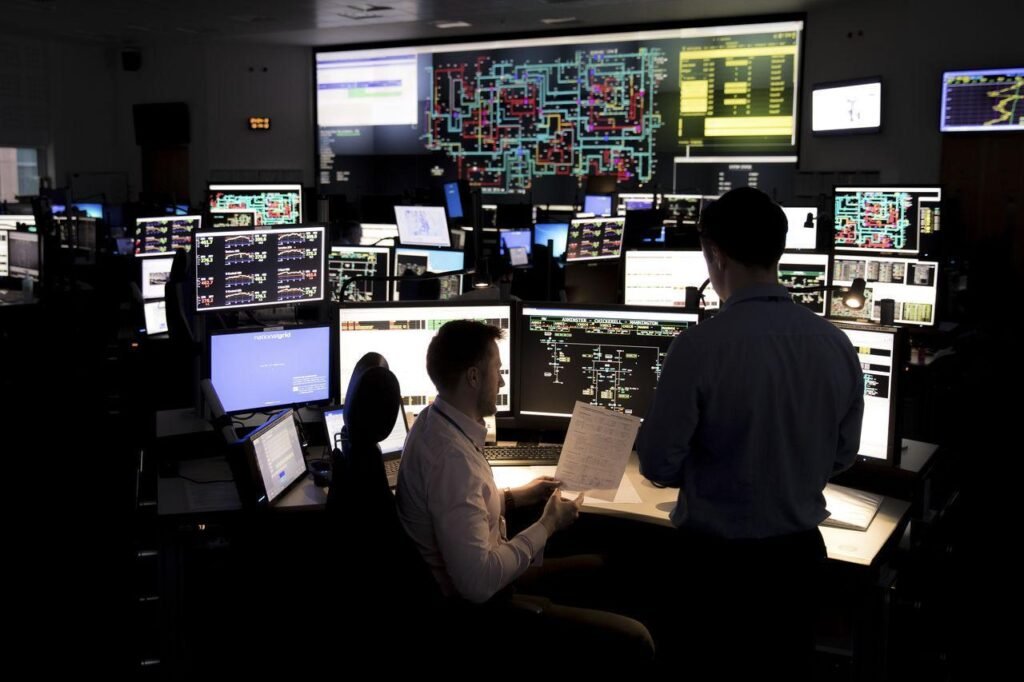
The UK government treats energy cyber security as a critical national security issue.
Energy operators are expected to maintain robust security measures and resilience plans.
Regular assessments, testing and incident response exercises help strengthen preparedness.
Collaboration Across Industry
Energy providers increasingly share threat intelligence through industry partnerships and government-led initiatives.
This allows organisations to:
- Identify emerging threats
- Share indicators of compromise
- Improve detection capabilities
- Coordinate responses
Collective defence is becoming increasingly important as nation-state threats evolve.

- [Fastest Charging in the Industry] – Fully recharge using an AC outlet in only 70 minutes with EcoFlow’s X-Stream fast c…
- [Power 80% of Your Appliances] – With an output of up to 1600W, run 80% off all your appliances, even high wattage ones….
- [LFP Long-Life Battery] – Using LFP battery cells, use and recharge RIVER 2 Pro more than 3000 times before hitting 80%….
Preparing for AI-Driven Threats
Questions raised in Is the UK Energy Sector Prepared for AI-Driven Cyber Attacks? highlight the growing importance of adapting defences to match emerging technologies.
Future security strategies will increasingly rely on:
- AI-powered monitoring
- Behavioural analytics
- Threat intelligence platforms
- Automated response systems
Future Geopolitical Challenges
Quantum Computing Risks
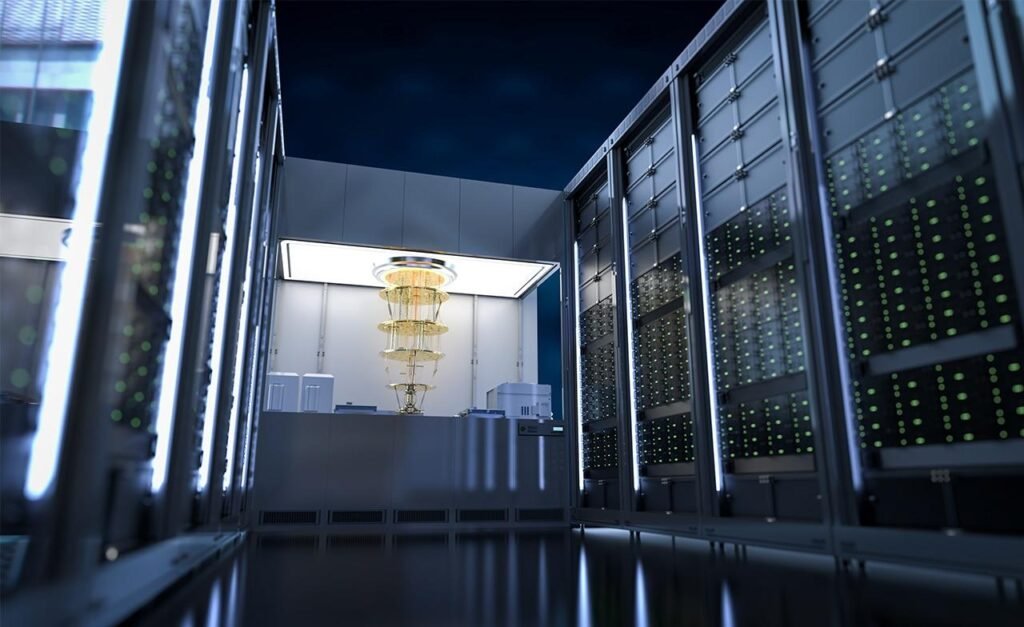
While still emerging, quantum technologies could eventually affect encryption systems used across energy infrastructure.
The long-term implications explored in Will Quantum Computing Threaten Energy Security? demonstrate why organisations are already beginning preparations for post-quantum security.
Increasing Global Competition
Competition over:
- Energy resources
- Technology leadership
- Semiconductor supply chains
- Artificial intelligence
- Strategic infrastructure
is likely to increase cyber tensions over the coming decade.
Energy companies will therefore remain attractive targets for both espionage and disruption activities.
Final Thoughts
Geopolitical tensions are reshaping the cyber security landscape facing the UK’s energy sector. While large-scale attacks causing nationwide blackouts remain difficult to achieve, nation-state actors possess the resources, patience and expertise to target critical infrastructure in increasingly sophisticated ways.
The greatest risks often come not from dramatic Hollywood-style scenarios, but from persistent intelligence gathering, supply chain compromises, ransomware partnerships, disinformation campaigns and long-term infiltration efforts designed to provide strategic advantages during future crises.
As the UK continues expanding renewable energy, smart grids, battery storage systems and EV charging infrastructure, maintaining strong cyber resilience will become increasingly important. The energy transition is creating a more connected and efficient system, but also one that must be protected against an evolving geopolitical threat environment.
In the modern era, cyber security and energy security are becoming inseparable. What happens in international politics can increasingly influence the resilience of the systems that keep Britain’s lights on.