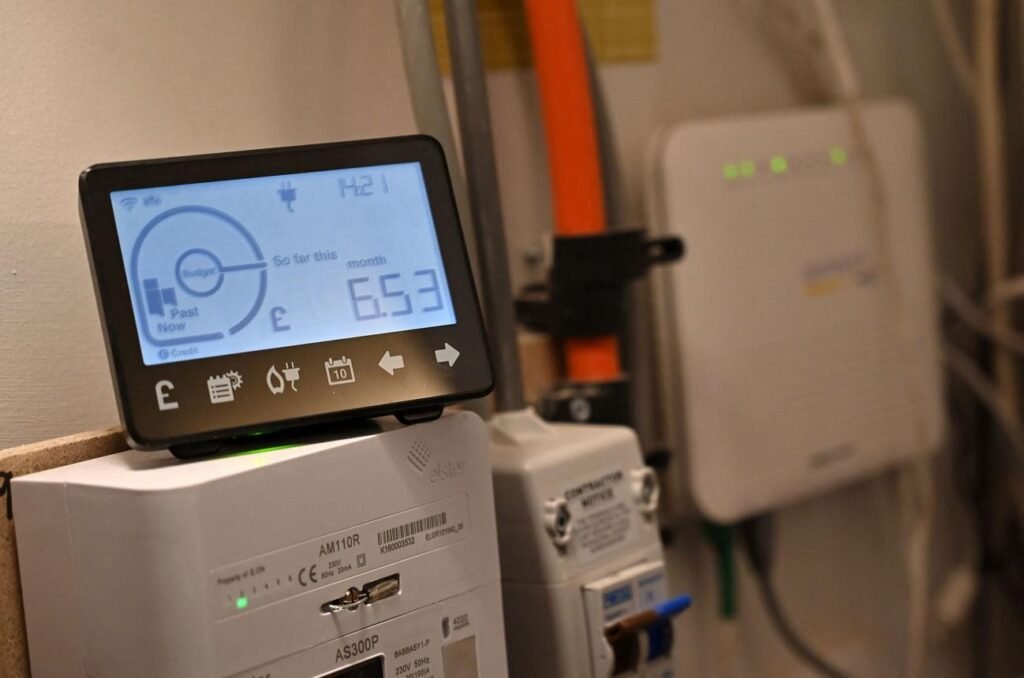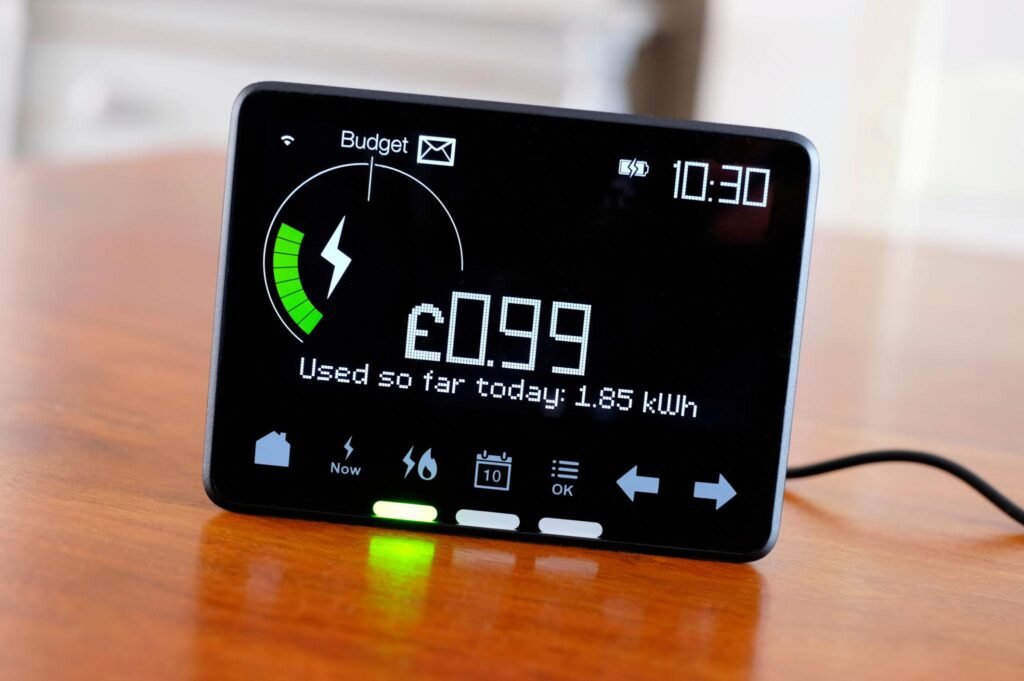
Smart meters have become a normal part of life across the UK, with millions installed in homes and businesses. They automatically send energy usage data to suppliers, eliminate the need for manual meter readings and support the UK’s move towards a smarter, more efficient energy grid.
However, whenever a device is connected to a network, cyber security concerns naturally follow. Smart meters are no exception.
The short answer is that smart meters do carry cyber security risks, but they are generally considered far more secure than many other connected devices found in UK homes. The real-world risk to consumers remains relatively low, although energy companies and national infrastructure operators must continuously defend against evolving cyber threats.
What Exactly Is a Smart Meter?
A smart meter is a digital device that records electricity and gas consumption and securely transmits that information to energy suppliers.
Unlike traditional meters, smart meters communicate through the UK’s dedicated energy communications network rather than through a household broadband connection.

The UK smart meter system includes:
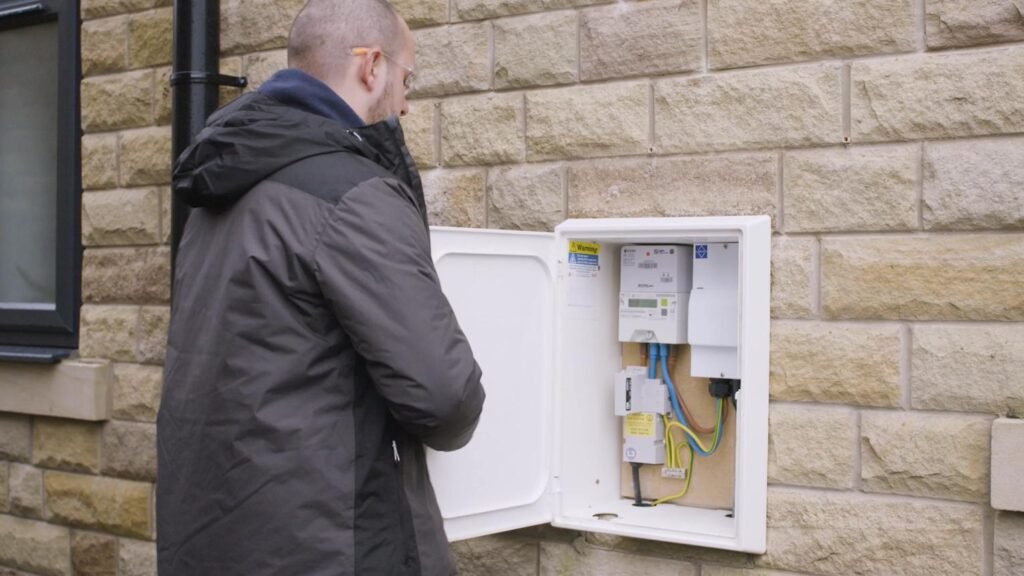
- Electricity meter
- Gas meter
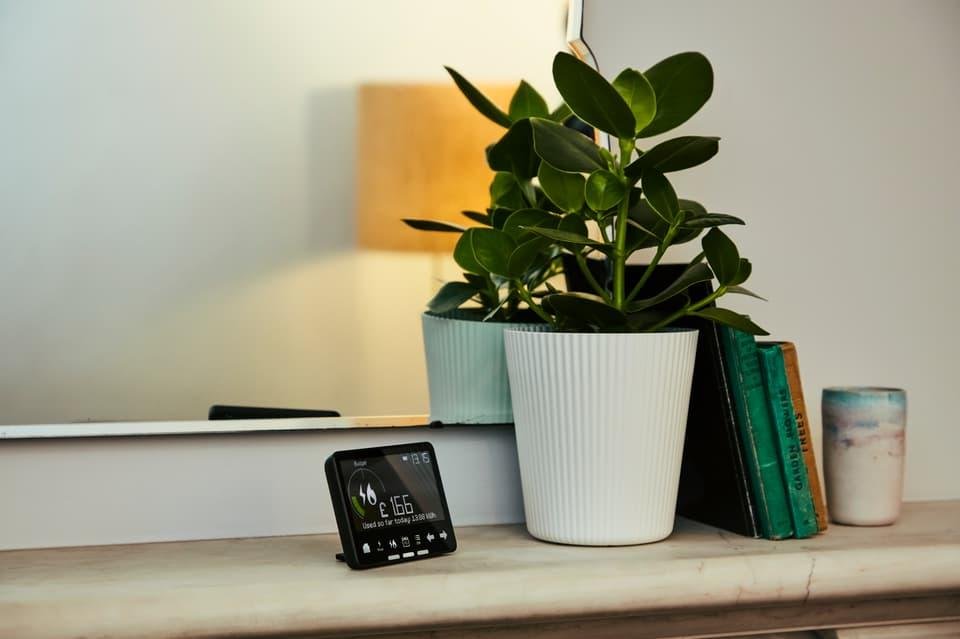
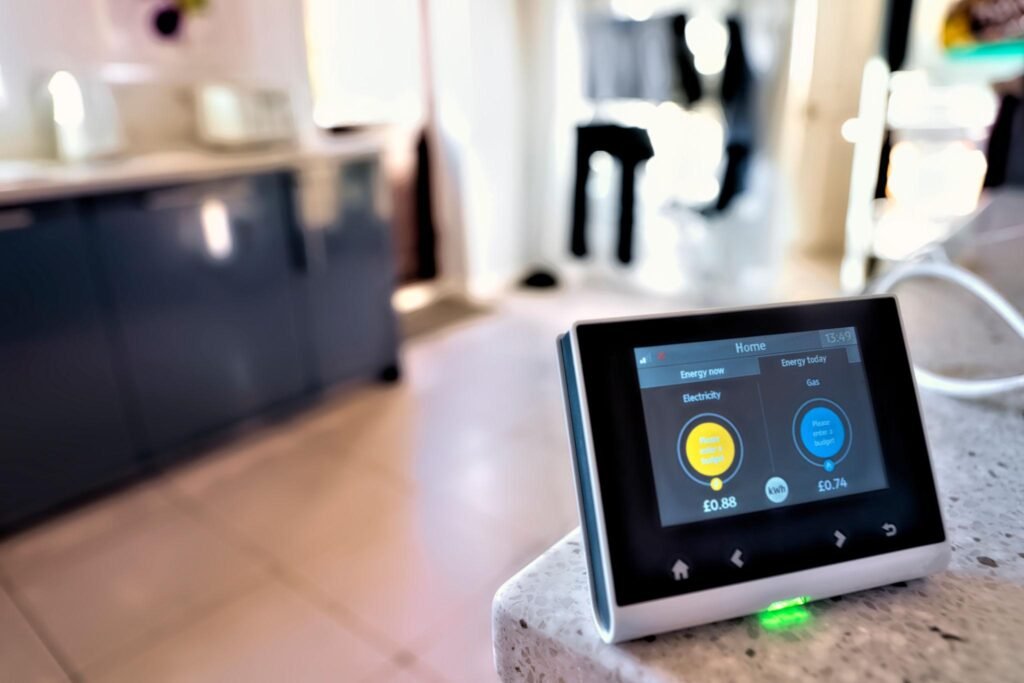
- In-home display (IHD)
- Communications hub
- National smart metering network
This nationwide infrastructure is managed through the UK’s smart metering ecosystem rather than individual suppliers operating their own isolated systems.
For a deeper look at the information collected by suppliers, see What Data Do Energy Suppliers Hold About Customers?
How Smart Meters Communicate
The Data Communications Company (DCC)
One major misconception is that smart meters simply use the internet.
In reality, UK smart meters communicate through the national smart metering network operated by Data Communications Company (DCC).
The DCC acts as a secure intermediary between:
- Energy suppliers
- Network operators
- Smart meters
This architecture reduces direct exposure to public internet threats.
Encryption and Authentication
Smart meter communications use:
- Strong encryption
- Digital certificates
- Device authentication
- Secure key management
These controls are designed to prevent:
- Data interception
- Meter spoofing
- Unauthorised access
- Remote tampering
In theory, these protections make attacking a UK smart meter considerably more difficult than attacking many consumer IoT devices.

- Multiple Display Modes – The external screen for laptop supports three display modes: Duplicated Mode, Extended Mode and…
- Plug and Play – The portable monitor for laptop does not require drivers and installation applications, and you only nee…
- Wide Compatibility – The laptop monitor extender is compatible with a wide range of laptops (14-17 inches) and supports …
What Cyber Risks Do Smart Meters Create?
No connected system is completely immune from attack.
Risk 1: Data Theft
One concern is that attackers could attempt to access energy consumption data.
Although smart meters do not store sensitive personal information such as bank details, energy usage patterns can reveal information about:
- Occupancy habits
- Working schedules
- Holiday periods
- Appliance usage
Criminals could theoretically use detailed consumption patterns to infer when properties are empty.
Fortunately, obtaining this information would require bypassing multiple layers of security.
Risk 2: Mass Network Attacks
The greatest concern from a national security perspective is not individual homes.
It is the possibility of a large-scale coordinated attack targeting thousands or millions of smart devices simultaneously.
Cyber security experts often focus on questions such as:
- Could attackers disable large numbers of meters?
- Could energy consumption data be manipulated?
- Could demand signals be altered?
- Could grid operations be disrupted?
These are concerns because smart meters form part of the UK’s critical national infrastructure.
For a wider view of infrastructure threats, see What Are the Biggest Cybersecurity Threats to UK Infrastructure?
Could Hackers Turn Off Your Electricity?
This is one of the most common fears.
The reality is more complicated.

Some smart meters support remote functions such as:
- Tariff updates
- Firmware updates
- Meter diagnostics
- Supplier switching
Certain meters can also support remote disconnection under specific regulated circumstances.
However:
- Multiple security controls exist
- Access is tightly restricted
- Actions are logged and monitored
- Suppliers face regulatory oversight
A criminal remotely disconnecting random homes would be extremely difficult under current security models.
Could Smart Meters Be Used to Cause Blackouts?
Theoretical possibility and real-world likelihood are very different things.
Researchers have demonstrated in laboratory environments that large numbers of compromised devices could potentially affect electricity networks.
However, causing a genuine nationwide blackout would require:
- Significant technical capability
- Access to protected systems
- Circumventing multiple security layers
- Avoiding detection by operators
The UK electricity system includes numerous safeguards designed specifically to prevent single points of failure.
For more on this topic, see Could a Cyber Attack Cause UK Blackouts?
- Full HD streaming: Logitech C922 provides two streaming qualities to choose from. Whether you’re after full HD 1080p at …
- Multiple mounting options including tripod: This HD streaming webcam comes equipped with a versatile tripod. Mount the U…
- Auto-lighting corrections: Alongside full HD streaming over wifi, this gaming webcam is equipped with autofocus and inst…
Have Smart Meters Ever Been Hacked?
Academic Research
Security researchers worldwide have identified vulnerabilities in some smart meter systems.
Examples have included:
- Weak encryption implementations
- Default passwords
- Firmware flaws
- Physical tampering weaknesses
Most of these findings occurred in controlled research environments rather than active criminal attacks.
Real-World Incidents
There have been isolated international examples of:
- Electricity theft
- Meter manipulation
- Utility fraud
However, there has been no widely reported UK incident involving hackers taking control of large numbers of smart meters and causing widespread disruption.
That does not mean the threat does not exist.
It means security controls have so far largely succeeded.
Further Reading: PowerGuardian.co.uk is a UK energy intelligence platform covering energy prices, supplier analysis, market forecasts and industry news.
Why Energy Companies Worry About Smart Meter Security
The concern is not usually the individual meter.
It is the scale.
A single compromised meter is a nuisance.
One million compromised meters become a national issue.
Energy companies therefore invest heavily in:
- Security monitoring
- Threat intelligence
- Penetration testing
- Incident response
- Supply chain security
This is one reason why cyber security spending across the sector continues to grow.
You can read more in How Much Do UK Energy Companies Spend on Cyber Security?
Smart Meters Versus Other Smart Home Devices
Interestingly, smart meters are often more secure than many devices already connected to home networks.
Consider:
| Device | Typical Security Level |
|---|---|
| Smart Meter | High |
| Smart Doorbell | Medium |
| Smart Camera | Medium |
| Smart TV | Medium |
| Budget IoT Devices | Low |
| Older Routers | Low |
Many consumer devices:
- Use default passwords
- Receive limited updates
- Depend on home Wi-Fi security
Smart meters operate within a dedicated and heavily regulated national infrastructure.
Ironically, the cheap internet-connected camera bought online may represent a greater cyber risk than the smart meter mounted on the wall.
Humanity continues to connect kettles, lightbulbs and pet feeders to the internet and then acts surprised when security professionals develop eye twitches.
How the UK Protects Smart Meter Security
Government Oversight
The UK smart metering programme incorporates security requirements developed with:
- Government agencies
- Energy regulators
- Cyber security specialists
National Cyber Security Centre (NCSC)
The UK’s National Cyber Security Centre plays an important role in protecting critical infrastructure and advising on cyber threats affecting essential services.
Continuous Monitoring
Security is not a one-time exercise.
The system undergoes:
- Regular assessments
- Threat reviews
- Software updates
- Security audits
As attackers evolve, defences must evolve too.
What Consumers Can Do
Although most security responsibility sits with suppliers, consumers can still help.
Protect Your Home Network
Use:
- Strong Wi-Fi passwords
- Updated routers
- Secure home networks

- 【OBSBOT × EWC 2025 Official Partnership】OBSBOT is thrilled to be the 2025 Esports World Cup (EWC) Official Camera & Webc…
- 【OBSBOT Tiny 2 – New Era of Webcam】Our 4K Webcam is equipped with 1/1.5″ CMOS Sensor, which is the largest and most adva…
- 【Superior AI-Tracking, Up 4 Tracking Modes】Our Tracking Webcam has fully upgraded the AI algorithm to make the auto-trac…
Be Alert to Scams
Many smart meter-related cyber incidents actually involve fraud rather than hacking.
Examples include:
- Fake supplier emails
- Phishing messages
- Bogus smart meter appointments
- Telephone scams
Always verify communications directly with your supplier.
For related guidance, see Could Hackers Access Smart Meter Data?
Final Verdict
Smart meters are not risk-free.
Every connected technology introduces potential cyber security vulnerabilities.
However, UK smart meters were designed with security as a core requirement and operate within one of the most heavily regulated and protected digital infrastructures in the country.
The biggest cyber risks generally relate to large-scale attacks against energy infrastructure rather than hackers targeting individual households.
For most consumers, smart meters are unlikely to be the weakest point in their cyber security posture. The ageing Wi-Fi router gathering dust in a cupboard and running firmware from a forgotten geological era is usually a much more realistic concern.
By maintaining strong industry security standards, investing in continuous monitoring and educating consumers about scams, the UK energy sector can continue to benefit from smart metering while keeping cyber risks manageable.
References
- UK National Cyber Security Centre (NCSC)
- UK Department for Energy Security and Net Zero
- Smart Energy GB
- Data Communications Company (DCC)
- Ofgem
- International Energy Agency (IEA)
- European Union Agency for Cybersecurity (ENISA)