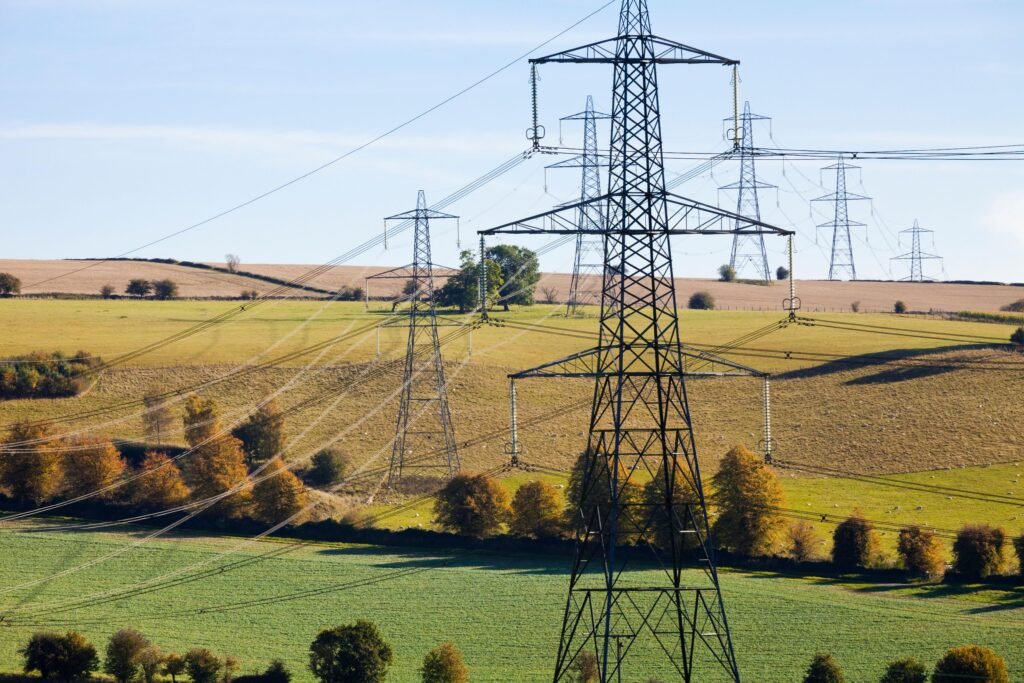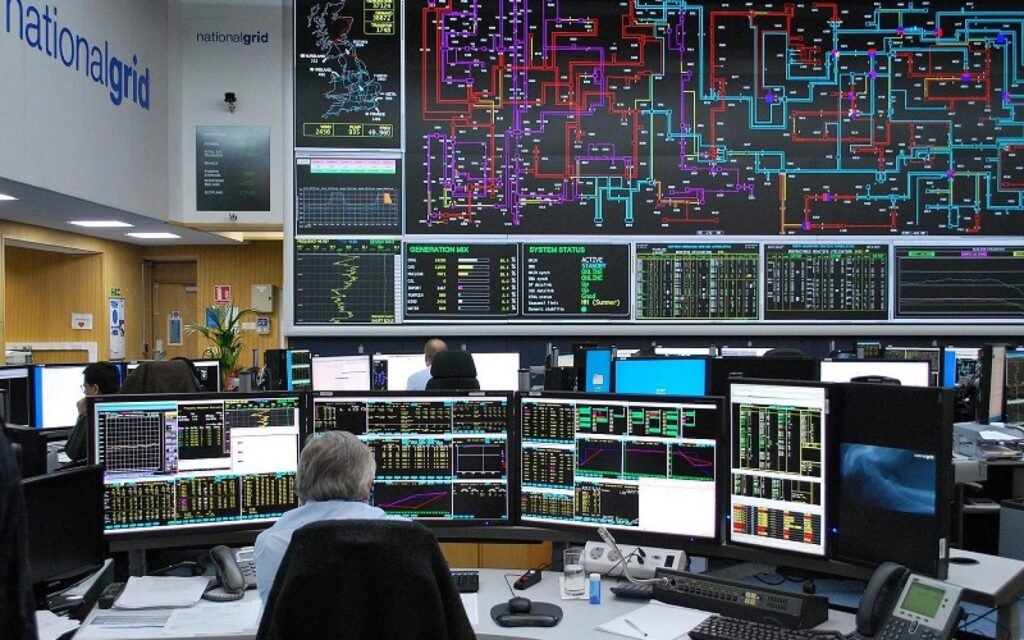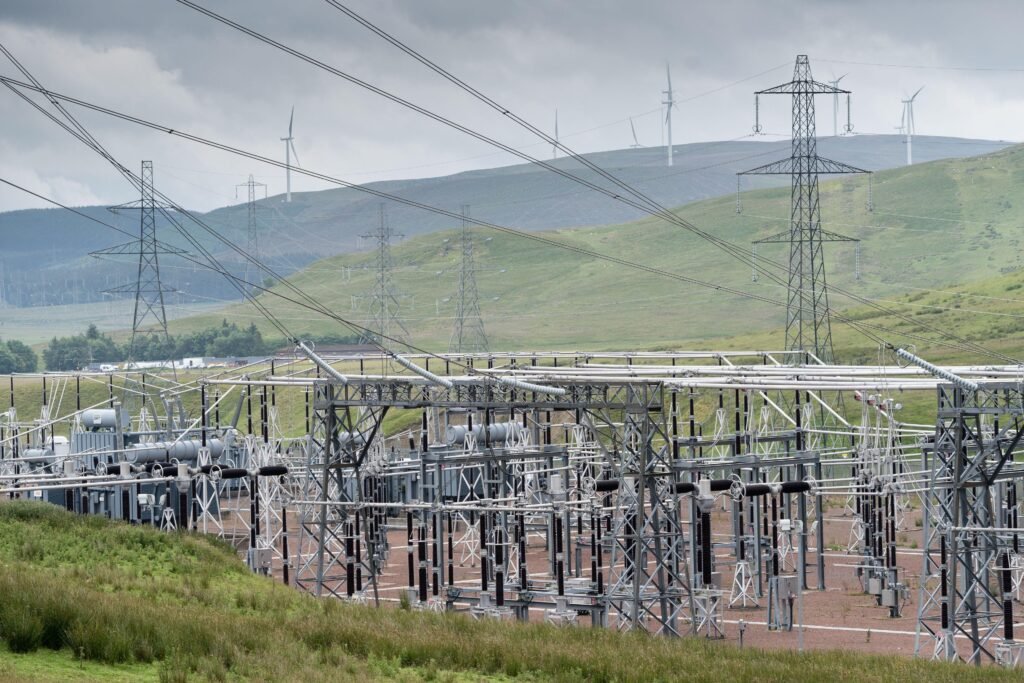
Britain’s energy system is becoming cleaner, smarter and more connected. Electricity networks increasingly depend on digital control systems. Renewable generators are monitored remotely. Batteries respond automatically to market signals. Smart meters communicate with suppliers, while software platforms help balance electricity supply and demand.
This transformation brings enormous benefits, but it also creates new opportunities for cyber criminals, hostile states and politically motivated attackers.
Published on 28 May 2026, the Government’s Energy Sector Cyber Security Strategy sets out a four-year roadmap for protecting the sector through to 2030. It was jointly developed by the Department for Energy Security and Net Zero, Ofgem, the National Cyber Security Centre and the National Energy System Operator.
What Are the Emerging Cyber Threats Facing UK Energy Infrastructure?
The strategy matters because cyber security is no longer being treated as an isolated IT problem. It is becoming a fundamental part of keeping Britain’s lights on, homes heated, businesses operating and essential services running.
Its central message is simple: cyber security must be built into Britain’s changing energy system from the beginning, rather than added after infrastructure has been designed and deployed.

Why Has the Government Published the Strategy?
Britain’s energy infrastructure was largely designed for a more centralised and predictable system.
Electricity was traditionally produced by a relatively small number of large power stations before being transported through transmission and distribution networks to homes and businesses. Digital technology was important, but the number of connected organisations, devices and control platforms was considerably smaller.
That model is changing rapidly.
The modern energy system includes:
- Offshore and onshore wind farms
- Solar farms and rooftop solar installations
- Grid-scale and domestic battery storage
- Electric vehicle charging networks
- Smart meters
- Heat pumps and connected heating controls
- Electricity interconnectors
- Demand-response services
- Virtual power plants
- Cloud-based energy management platforms
- Remotely maintained substations and generating equipment
Clean Power 2030 will require a major increase in renewable generation, storage and electricity network capacity. The strategy states that Britain may need to build twice as much transmission network in the five years to 2030 as it constructed during the previous decade.
Every new digital connection can provide operational benefits. It can also become an entry point, dependency or point of failure.
The Government therefore wants cyber security to progress at the same speed as energy transformation.
What Does the Strategy Actually Cover?
The strategy applies to the security and resilience of the wider energy system rather than focusing only on large electricity companies.
It covers risks affecting:
- Electricity generation
- Electricity transmission
- Local distribution networks
- Downstream gas networks
- Oil and upstream gas operations
- Renewable energy generation
- Energy storage
- System balancing and control
- Energy technology providers
- Critical equipment manufacturers
- Software and cloud suppliers
- Maintenance contractors
- Managed service providers
- Other organisations on which essential operators depend
This whole-system approach is important. A company does not need to generate or transport electricity to become critical to Britain’s energy security.
A software company providing remote monitoring to several wind farms, for example, could become an important concentration of risk. The same is true of a manufacturer supplying control equipment to multiple substations or a managed service provider administering the networks of several energy companies.
The Difference Between Cyber Security and Cyber Resilience
Cyber security attempts to prevent attackers from compromising systems. Cyber resilience accepts that prevention will never be perfect and prepares the organisation to continue operating, contain damage and recover safely.
For an ordinary business, recovery may mean restoring email, customer records and online services.
For an energy operator, recovery can be considerably more complicated. The company may have to:
- Keep electricity or gas flowing safely
- Separate infected business systems from operational equipment
- Verify that control data can still be trusted
- Move some processes to manual operation
- Maintain communications with network partners
- Preserve evidence for investigators
- Rebuild compromised systems
- Ensure that attackers have been removed before reconnecting equipment
Restarting an industrial control system is not always as simple as restoring a conventional office computer. Changes must be tested carefully because an incorrect command or unsafe operating state could damage equipment or endanger workers.
The strategy therefore emphasises prevention, detection, response and recovery rather than relying on perimeter defences alone.

- COMPATIBILITY: This is * Firewalla Purple SE*. The IPS functionality is limited to 500 Mbits. This device can be a route…
- COMPLETE CYBERSECURITY PROTECTION – Firewalla’s unique intrusion prevention system (IDS and IPS) protects all of your ho…
- PARENTAL CONTROL AND FAMILY PROTECT – The days of pulling the power cord from the dusty old router are behind you; with …
The Five Main Priorities
Understanding Threats, Vulnerabilities and Dependencies
The first priority is to develop a much clearer picture of how Britain’s energy system fits together.
The Government wants to identify:
- The most critical energy systems
- Dependencies between operators and suppliers
- High-impact points of failure
- Concentrations of risk
- Services used by multiple energy companies
- Technologies that could affect grid stability
- Suppliers whose failure could cause widespread disruption
This may sound like a straightforward task, but modern energy networks contain equipment from many manufacturers, multiple generations of technology and complex layers of contractors.
An electricity network operator might understand its own substations and control centres very well while having less visibility of the security arrangements inside a software supplier, equipment manufacturer or specialist maintenance company.
The strategy says that, by the end of 2026, the Government and its partners aim to have improved their understanding of cyber risks across the most critical parts of the system. They also intend to establish processes for identifying and prioritising important operators.
This work is about discovering where a relatively small compromise could produce a disproportionately large impact.
A single poorly protected solar installation is unlikely to destabilise the electricity system. A common control platform managing thousands of installations could present a very different level of risk.
Strengthening Energy Supply-Chain Security
Supply-chain security is one of the most important parts of the new strategy.
Energy companies depend on external organisations for:
- Software development
- Network management
- Cloud hosting
- Data processing
- Remote maintenance
- Control equipment
- Industrial components
- Communications
- Cyber security services
- Engineering support
Attackers may target these suppliers because they are less heavily protected than major energy operators. Compromising one trusted supplier can also provide access to several customers.
The Government plans to develop preliminary energy supply-chain security principles by the end of 2026. By the end of 2027, it aims to improve its ability to assess suppliers and help existing Operators of Essential Services manage their supply-chain risks.
By 2030, the strategy envisages the formal designation of critical suppliers and the creation of suitable cyber maturity targets for them.
In practice, energy operators should expect greater scrutiny of:
- Who can remotely access operational systems
- Where software is developed and maintained
- How security updates are delivered
- Whether suppliers use multi-factor authentication
- How quickly vulnerabilities are corrected
- Whether equipment remains supported
- What subcontractors can access
- How suppliers detect and report incidents
- Whether alternative suppliers or recovery arrangements exist
The question will no longer be merely, “Is our own network secure?” It will become, “Can every organisation with trusted access, software or equipment be relied upon?”
What It Means for Electricity Networks

Transmission and Distribution Operators
Electricity transmission and distribution networks are among the most important parts of Britain’s critical national infrastructure.
Transmission networks move high-voltage electricity over long distances. Distribution networks deliver it to homes and businesses. Both depend on operational technology to monitor equipment, operate switches, manage power flows and respond to faults.
A successful attack does not necessarily need to switch off the entire network to cause serious consequences. Attackers might attempt to:
- Disrupt control-room communications
- Disable monitoring systems
- Steal engineering credentials
- Manipulate operational information
- Prevent remote access to substations
- Encrypt corporate and support systems
- Interfere with maintenance activities
- Create uncertainty about whether data can be trusted
Network operators will be expected to identify their most critical systems, accelerate protection and demonstrate that effective recovery arrangements have been tested.
They must also understand connections between corporate IT and operational technology. An attack beginning with a phishing email should not be able to move easily into systems controlling physical equipment.
The NCSC’s guidance on secure operational technology connectivity recommends limiting exposure, protecting network boundaries and maintaining effective logging and monitoring. These principles are especially important as operators introduce remote diagnostics and digital substations.
National Energy System Operator
The National Energy System Operator has a central role in coordinating the whole energy system and maintaining the balance between electricity supply and demand.
Its role under the strategy includes:
- Whole-system coordination
- Analysis of system resilience
- Emergency preparation
- Assessing dependencies
- Supporting recommendations to improve cyber assurance
The strategy does not make NESO the cyber regulator. Instead, it places NESO at the centre of understanding how disruption in one part of the system could affect other parts.
That distinction matters. Cyber security is not only about whether an individual company can recover. It is also about whether simultaneous problems across several organisations could threaten the wider system.
What It Means for Gas, Oil and Fuel Infrastructure
Gas remains important to home heating, electricity generation and industrial activity. The strategy therefore extends beyond the electricity system.
Downstream gas includes the infrastructure used to transport and distribute gas to consumers. Oil and upstream gas cover different parts of production and supply, with regulatory responsibilities divided accordingly.
Cyber incidents could affect:
- Pipeline monitoring
- Compressor stations
- Storage facilities
- Terminal operations
- Safety and pressure-control systems
- Scheduling and logistics
- Customer and supplier communications
- Fuel distribution
Industrial systems often remain in service for many years. Some were designed before modern cyber threats and internet connectivity were major considerations.
Replacing every legacy system immediately would be unrealistic and, in some cases, operationally risky. Operators must therefore understand what equipment they have, isolate critical systems, control remote access and introduce compensating safeguards where older equipment cannot support modern security features.
The strategy sets different milestones for downstream gas and electricity and for oil and upstream gas, reflecting their different regulatory arrangements and operational environments.
What It Means for Renewable Energy

Wind, Solar and Battery Storage
Renewable generation changes both the physical structure of the energy system and its cyber attack surface.
Instead of depending mainly on a limited number of large generating stations, Britain increasingly relies on thousands of geographically distributed assets. Many are operated or maintained remotely.
Wind farms, solar installations and battery sites commonly use digital systems for:
- Performance monitoring
- Power forecasting
- Remote maintenance
- Inverter management
- Battery management
- Market participation
- Fault detection
- Grid-service delivery
- Firmware updates
This does not mean renewable energy is inherently insecure. It means cyber security must be designed around a distributed, automated and highly connected system.
The Government specifically refers to a December 2025 incident in Poland in which attackers targeted distributed energy resources. According to Poland’s national cyber incident response authority, the attack affected both IT systems and physical industrial equipment.
The incident demonstrates why Britain must consider the collective effect of distributed assets. Compromising one inverter may have little national impact. Coordinated interference with large numbers of remotely managed devices could be more serious.
What Happens If an Energy Supplier Is Hit by Ransomware?
This makes What Cyber Security Protections Do Renewable Energy Projects Use? and Are Battery Storage Sites Vulnerable to Cyber Threats? increasingly important questions for developers, operators and policymakers.

- MULTI-LAYERED SECURITY HARDWARE: Reputation filtering (IP/DNS/URL) and SecuReporter visibility included in Entry Defense…
- OFFLINE-CAPABLE SETUP AND UPDATES: Configure via Nebula portal wizard; update firmware offline via FTP on the local netw…
- COMPACT FANLESS DESIGN: with SPI 2,000 Mbps firewall throughput, 1,000 Mbps IPS, 500 Mbps VPN, the firewall supports up …
Security by Design
The strategy repeatedly stresses the need for security by design.
For a renewable energy project, this means considering security before procurement and construction, including:
- Whether equipment can be securely updated
- How long the manufacturer will provide support
- Whether default passwords can be removed
- How remote access will be controlled
- Where operational data will be stored
- Whether activity is logged
- How compromised equipment can be isolated
- Whether the site can continue operating without cloud services
- How the operator will recover from a destructive attack
- What happens if the manufacturer ceases trading
Waiting until a wind farm, solar installation or battery site is operational makes these problems more difficult and expensive to correct.
Stronger Regulation and Enforcement
The Existing NIS Regulations
The Network and Information Systems Regulations 2018 are currently the main regulatory mechanism governing cyber resilience across essential UK services.
Ofgem and the Department for Energy Security and Net Zero jointly regulate downstream gas and electricity operators in Great Britain under the NIS framework. DESNZ also has responsibilities for oil and upstream gas.
Ofgem can monitor compliance through:
- Regulatory guidance
- Reporting requirements
- Inspections
- Assurance activity
- Enforcement
- Financial penalties
However, the existing regulations primarily cover the most critical operators. They do not provide complete coverage of every organisation that could affect the modern energy system.
A smaller technology supplier, battery aggregator or remote service provider might become operationally important without meeting the present threshold for designation as an Operator of Essential Services.
The strategy seeks to close those gaps.
The Cyber Security and Resilience Bill
The Cyber Security and Resilience Bill is intended to update and expand the existing NIS regime.
Subject to Parliament and Royal Assent, its measures could give regulators stronger tools and allow cyber obligations to reach a broader selection of digital and essential-service providers.
For energy, this could mean:
- More organisations entering regulatory scope
- Stronger oversight of critical suppliers
- More timely incident reporting
- Greater information sharing
- Government-defined strategic priorities
- Improved regulatory enforcement
- Recovery of regulatory costs
- New requirements introduced as threats change
The strategy says that NIS thresholds will be reassessed by the end of 2027, including consideration of whether additional critical energy subsectors should be covered.
It also proposes exploring baseline cyber resilience requirements for all Ofgem licensees. Cyber Essentials is being considered as a possible starting point, although higher-risk operators would require substantially more advanced controls.
Cyber Essentials cannot by itself secure a national electricity network or industrial control environment. It can, however, reduce common weaknesses involving passwords, exposed services, malware protection, access control and outdated software.
Preparing for Attacks That Get Through
Detection Must Improve
The strategy acknowledges an uncomfortable reality: a sufficiently capable and determined attacker may eventually bypass preventive defences.
This is particularly relevant to hostile states that may quietly establish access to critical infrastructure and remain undetected until a future crisis.
Energy organisations therefore need to recognise unusual behaviour quickly. Effective detection may involve:
- Monitoring administrative access
- Identifying unexpected remote connections
- Recording changes to operational equipment
- Detecting unusual movement between networks
- Checking the integrity of software and configurations
- Sharing threat intelligence
- Investigating activity that falls below formal incident thresholds
By the end of 2026, the strategy intends to scope a shared capability to improve the sector’s detection of sophisticated adversaries. A pilot is planned for 2027, followed by fuller delivery in 2028.
Response Plans Must Be Exercised
A written incident response plan provides little reassurance if it has never been tested.
The strategy commits government and industry to a cross-sector exercise by the end of 2026. This is intended to test their collective response to a sophisticated attack on Great Britain’s energy system.
A meaningful exercise should test more than the cyber security team. It should involve:
- Board members
- Control-room operators
- Engineers
- Communications teams
- Legal advisers
- Government departments
- Regulators
- Suppliers
- Emergency planners
- Other energy operators
A realistic scenario might begin with a compromised maintenance provider, followed by suspicious access to several operational environments and uncertainty about the accuracy of monitoring data.
Participants would need to decide whether to disconnect systems, move to manual procedures, notify regulators and warn other operators. They would also need to communicate with the public without speculating or creating unnecessary alarm.
This is the practical difference between possessing a response document and being capable of managing a national-level incident.
Building the Right Workforce
Britain Needs People Who Understand Both Engineering and Cyber Security
One of the strategy’s most important admissions is that Britain lacks enough people with the combined cyber security and engineering knowledge required to protect energy infrastructure.
Traditional IT security specialists may understand identity systems, endpoints and corporate networks but have limited experience with turbines, substations, pipelines or industrial control systems.
Experienced engineers may understand the physical process extremely well but have less familiarity with modern attacker behaviour, digital forensics and network monitoring.
Energy cyber security needs people who can work across both disciplines.
The strategy therefore aims to:
- Increase the pool of cyber and engineering specialists
- Improve access to security clearances
- Strengthen collaboration with universities
- Share threat information more effectively
- Bridge the gap between operational technology and cyber teams
- Improve cyber understanding at executive level
- Develop a risk-driven rather than compliance-driven culture
By the end of 2027, the Government wants the sector to have developed a stronger culture based on risk, collaboration, capability and intelligence.
A CEO-level tabletop exercise is planned by the end of 2028.
Cyber Security Becomes a Board Responsibility
The strategy is explicit that boards and executives must treat cyber risk with the same seriousness as safety, reliability and operational resilience.
Boards should be asking:
- Which services must continue during an attack?
- What are our most critical operational assets?
- Which suppliers could interrupt those services?
- How quickly would we detect a sophisticated intruder?
- Can critical functions operate without corporate IT?
- When was our recovery plan last tested?
- How do we know backups have not been compromised?
- Who can remotely access operational equipment?
- What risks are being accepted and by whom?
- What investment is required to reach the expected level of resilience?
Cyber security cannot remain a technical subject discussed only after a breach. Decisions about procurement, staffing, investment, outsourcing and operational risk all affect resilience.
What the Strategy Means for Critical Suppliers
A critical supplier could be any organisation whose compromise would materially affect an essential energy function.
Possible examples include:
- Industrial control-system manufacturers
- Cloud service providers
- Managed IT and security companies
- Telecommunications providers
- Specialist engineering contractors
- Software platform operators
- Remote monitoring companies
- Equipment maintenance providers
- Data and forecasting services
- Suppliers of components used across multiple networks
Designation as a critical supplier could eventually bring maturity targets, assessments and direct regulatory attention.
Suppliers should not wait until 2030 to prepare. They should already be able to identify:
- Their most important energy customers
- Systems supporting essential services
- Privileged accounts and remote access routes
- Dependencies on their own subcontractors
- Incident-reporting responsibilities
- Recovery priorities
- Unsupported software or equipment
- Concentrations of customer risk
A supplier used by several major operators must understand that its security failure could become a systemic energy-sector incident.
What Consumers Would Notice During an Energy Cyber Attack
Most cyber incidents affecting an energy company would not immediately cause a power cut.
More likely consumer effects include:
- Supplier websites becoming unavailable
- Call centres losing access to accounts
- Delayed or incorrect bills
- Smart meter information not updating
- Switching requests being delayed
- Customer data being stolen
- Online payments being disrupted
- Engineers temporarily losing access to digital records
This is why What Happens If an Energy Supplier Is Hit by Ransomware? differs from an attack on an electricity network operator.
An energy supplier attack may seriously disrupt customer services and expose personal information without affecting the physical delivery of electricity or gas.
An attack on operational technology could have more direct physical consequences, but energy networks contain protective systems, operational procedures and engineering safeguards. A cyber incident would not automatically produce a nationwide blackout.
Articles such as How Prepared Is the UK for Cyber Attacks on Critical Infrastructure? must therefore distinguish between plausible risks and sensational claims.
The Strategy’s 2026–2030 Milestones
By the End of 2026
The Government and its partners intend to:
- Improve understanding of risks to the most critical energy systems
- Establish processes for identifying priority operators
- Develop preliminary supply-chain security principles
- Conduct a government and industry cyber exercise
- Scope an advanced sector-wide detection capability
- Strengthen access to assured cyber expertise
- Develop deeper assurance frameworks for downstream gas and electricity
By the End of 2027
Planned outcomes include:
- Improved capability to assess energy supply chains
- Support for essential operators managing supplier risks
- Review of NIS regulatory thresholds
- Identification of additional critical subsectors where necessary
- Wider promotion of security by design
- Proposals for baseline security across Ofgem licensees
- A pilot of the enhanced detection capability
- A stronger risk-based cyber culture
During 2028
The strategy aims to:
- Deliver the advanced detection capability more fully
- Advance maturity arrangements for oil and upstream gas
- Conduct a CEO-level cyber tabletop exercise
By the End of 2030
The intended outcomes include:
- Designated critical suppliers
- Appropriate cyber maturity targets
- Baseline resilience across the wider downstream gas and electricity system
- Access to advanced adversary-simulation testing
- Better-tested response and recovery arrangements
- A more secure clean-energy transition
These are targets and statements of intent rather than guarantees. Their success will depend on funding, regulatory implementation, industry participation, workforce capacity and transparent reporting of progress.
What Energy Organisations Should Do Now
The strategy is not an invitation to wait for detailed regulations.
Energy operators and suppliers should begin by:
- Identifying essential services and operational assets
- Mapping connections between IT and operational technology
- Recording all authorised remote access
- Assessing critical suppliers and subcontractors
- Removing unsupported and unnecessary internet-facing systems
- Introducing strong authentication for privileged accounts
- Testing offline and protected backups
- Exercising incident response and manual operating procedures
- Ensuring security requirements appear in procurement contracts
- Reporting serious incidents promptly
- Giving boards clear measures of resilience
- Using the NCSC Cyber Assessment Framework where appropriate
The NCSC’s Cyber Assessment Framework provides a structured way for organisations responsible for essential functions to assess how well they manage cyber risk, protect systems, detect attacks and minimise the effects of incidents.

- Installs in circuit panel of most small businesses with clamp-on sensors. Supports single phase, single-split phase, and…
Will the Strategy Make Britain’s Energy System Secure?
No strategy can eliminate cyber risk.
Britain’s energy system will continue to face ransomware groups, state-backed intrusions, hacktivist activity, supply-chain compromise and ordinary security failures. Increased digitalisation will create capabilities that defenders and attackers can both exploit.
The strategy’s value is that it recognises the scale and interconnected nature of the problem.
It moves the sector towards:
- Whole-system risk assessment
- Stronger supplier scrutiny
- Wider regulatory coverage
- Security by design
- Improved detection
- Exercised recovery arrangements
- Greater board accountability
- A workforce combining cyber and engineering expertise
Its success should ultimately be judged by practical evidence.
Are critical suppliers being identified? Are serious weaknesses being corrected? Are operators detecting attacks more quickly? Can essential functions continue when digital systems fail? Are recovery exercises exposing and resolving real gaps?
Those outcomes matter more than the publication of another policy document.
The Bottom Line
The UK Energy Sector Cyber Security Strategy represents an important change in how the Government approaches energy security.
It recognises that electricity networks, gas infrastructure, renewable generators, batteries, digital platforms and critical suppliers now form one interconnected system. Weakness in a contractor, cloud platform or remote maintenance service can become a risk to major infrastructure.
For energy companies, cyber security will mean more scrutiny, stronger supplier controls, better incident reporting and greater responsibility at board level.
For technology providers and contractors, it may mean becoming part of the regulated energy-security landscape.
For households and businesses, the strategy is intended to reduce the risk that a cyber incident disrupts essential services, compromises personal information or undermines confidence in Britain’s transition to cleaner energy.
The objective is not to create an energy system that can never be attacked. It is to create one that is difficult to compromise, quick to detect intrusions and capable of continuing and recovering when defences fail.
That is what cyber resilience means in practice.
Reference Material and Research
- Energy Sector Cyber Security Strategy – Department for Energy Security and Net Zero, Ofgem, NCSC and NESO
- Cybersecurity Regulation and Guidance – Ofgem
- Cyber Assessment Framework – National Cyber Security Centre
- Cyber Assessment Framework Version 4.0
- Defending the UK’s Critical National Infrastructure – NCSC Annual Review 2025
- Preparing for Severe Cyber Threat: Why Leaders Must Act Now – NCSC
- Designing Safer Links: Secure Connectivity for Operational Technology – NCSC
- Cyber Security and Resilience Bill – UK Parliament
- UK and Allies Urge Critical Sectors to Improve Defences Against Russian Intelligence Targeting – NCSC