Smart homes are convenient, impressive and increasingly common across the UK. Lights switch themselves on, heating systems learn routines, doorbells stream live video to phones and fridges apparently now need Wi-Fi because civilisation lost control somewhere around 2017.
But every connected device inside a smart home is also a potential entry point for cyber criminals.
The short answer is yes. Smart homes are vulnerable to hackers. Some risks are minor annoyances. Others can expose private conversations, unlock doors, disable alarms or provide a gateway into personal devices and home networks.
The good news is that most attacks rely on weak passwords, outdated software or poor setup decisions rather than advanced “Hollywood hacking”. The average cyber criminal is usually looking for easy targets, not deploying elite spy technology from a submarine beneath the North Sea.
Why Smart Homes Are Attractive Targets
Smart Homes Contain Huge Amounts of Personal Data
Modern smart homes collect significant amounts of information including:
- Daily routines
- Camera footage
- Voice recordings
- Wi-Fi passwords
- Device locations
- Occupancy patterns
- Energy usage
- Mobile phone connections
A hacker who gains access to a smart home system can learn when somebody is away, asleep or vulnerable.
Devices such as smart speakers, cameras and thermostats continuously exchange information with cloud services. If poorly secured, that data can sometimes be intercepted or abused.

Common Smart Home Devices That Can Be Hacked
Smart Cameras and Video Doorbells
Internet-connected cameras are among the most commonly targeted devices.
Hackers may attempt to:
- View live video feeds
- Access stored recordings
- Use microphones to listen in
- Speak through two-way audio systems
- Disable motion alerts
In some real-world cases globally, hackers gained access simply because users reused passwords leaked from unrelated data breaches.
The UK has seen increasing concerns over poorly secured consumer surveillance devices, especially low-cost imported models with weak default security settings.
See the Smart Meter Guide UK at powerguardian.co.uk – Everything you need to know about smart meters, estimated bills, real-time energy usage, Economy 7 tariffs, smart tariffs and potential savings.
Smart Locks
Smart locks provide convenience but introduce obvious risks.
If attackers gain access to:
- User accounts
- Mobile apps
- Bluetooth vulnerabilities
- Wi-Fi credentials
they may potentially unlock doors remotely.
Most reputable smart lock brands use strong encryption, but no connected system is entirely risk-free.
The UK’s National Cyber Security Centre (NCSC) has repeatedly advised consumers to buy connected products from trusted manufacturers and to apply software updates regularly.
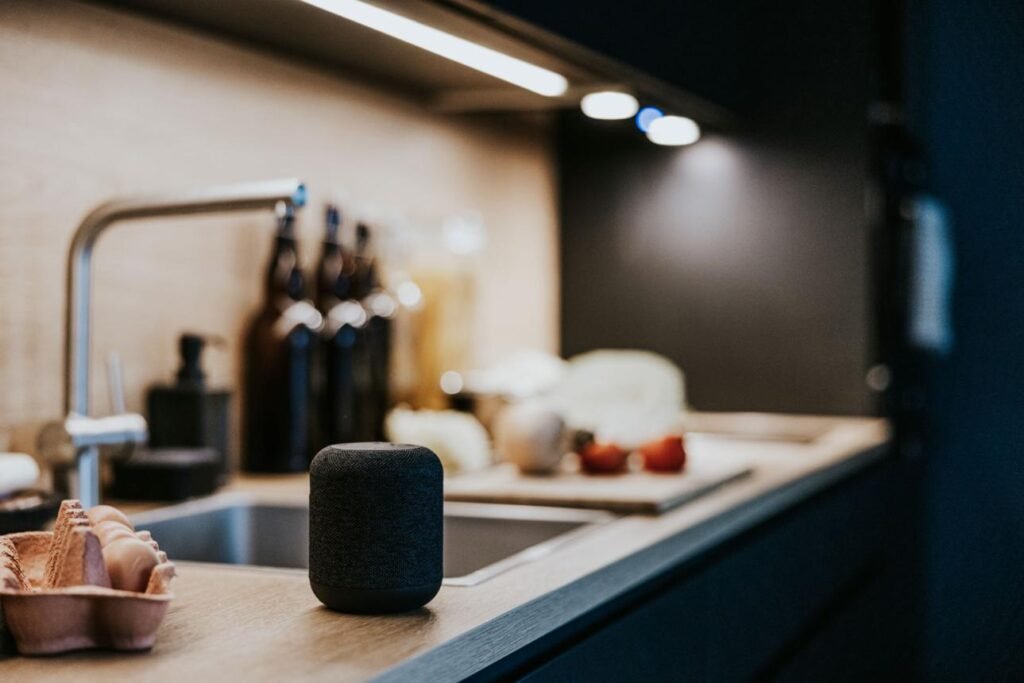
Smart Speakers
Devices like:
- Amazon Echo
- Google Nest Audio
- Apple HomePod
are always listening for activation phrases.
Manufacturers state they only process commands after wake words are detected, but vulnerabilities, accidental recordings and data handling concerns remain major privacy discussions.
A compromised account linked to a smart speaker ecosystem could expose calendars, shopping histories, contacts and voice interactions.
Smart TVs
Many people forget that modern televisions are effectively large internet-connected computers.
Compromised smart TVs may:
- Track viewing habits
- Display malicious popups
- Access microphones or cameras
- Become part of botnet attacks
Some older smart TVs stop receiving security updates entirely, yet remain connected to home networks for years.
Human beings happily replace phones every two years but keep unsupported televisions connected to the internet for a decade. A truly astonishing species.
Real-World Smart Home Hacking Examples
Ring Camera Incidents
Several high-profile cases involving compromised Ring accounts received major media attention internationally.
Attackers accessed cameras and spoke to homeowners and children through connected devices. In many situations, the issue stemmed from reused passwords rather than direct hacking of Ring’s infrastructure.
This highlighted a major cybersecurity truth:
A strong product can still become insecure through weak user security habits.
Mirai Botnet Attack
One of the most famous IoT attacks involved the Mirai malware botnet in 2016.
Mirai infected poorly secured internet-connected devices including:
- Cameras
- Routers
- DVR systems
The infected devices were then used to launch massive distributed denial-of-service (DDoS) attacks across the internet.
Many devices were compromised because users never changed factory default passwords.
Use our Smart Meter Security Checker – Quickly check how secure your UK smart meter setup is — supplier app, in-home display, passwords and shared household access.
Smart Thermostat Vulnerabilities
Researchers have demonstrated attacks against certain smart thermostats where vulnerabilities allowed remote control or manipulation.
While these attacks are often highly technical and less common in ordinary homes, they prove that any connected device can become a security risk if manufacturers fail to maintain proper security standards.

How Hackers Usually Get Into Smart Homes
Weak Passwords
This remains the biggest issue.
Examples still commonly found include:
- Password123
- Admin
- Qwerty
- Device serial numbers
- Reused passwords from other websites
Cyber criminals use automated tools that try thousands of leaked passwords against online accounts.
Outdated Software
Smart devices need updates just like laptops and phones.
Unpatched vulnerabilities can allow attackers to:
- Take control of devices
- Spy on users
- Install malware
- Access home networks
Many people never update smart home firmware because manufacturers hide update settings deep inside apps designed by people who apparently hate navigation menus.
Insecure Wi-Fi Networks
Weak Wi-Fi passwords or outdated encryption standards make attacks easier.
Older standards such as WEP are highly insecure and should never be used.
Modern homes should ideally use:
- WPA2
- WPA3
with strong unique passwords.
Fake Apps and Phishing
Hackers often target users rather than devices.
Examples include:
- Fake smart home apps
- Fraudulent login pages
- Phishing emails pretending to be manufacturers
- Scam QR codes
Once attackers steal account credentials, they may gain access to entire smart home ecosystems.

- Coverage up to 4,000 sq. ft. and for up to 100 devices. Extend coverage up to 2,000 sq. ft. with each additional satelli…
- Ultrafast AX6000 gigabit speed with WiFi 6 technology for uninterrupted streaming, HD video gaming, and web conferencing
- Compatible with any internet service provider up to 2.5Gbps including cable, satellite, fiber and DSL. Connects to your …
Are Cheap Smart Devices More Dangerous?
Lower-Cost Devices Can Carry Higher Risks
Some extremely cheap smart devices receive:
- Poor security testing
- Limited updates
- Weak encryption
- Minimal manufacturer support
Certain products disappear from the market within months, leaving devices permanently unsupported.
In some investigations, researchers found hardcoded passwords or insecure communication protocols inside low-cost IoT products.
This does not mean every budget device is dangerous, but reputable manufacturers generally provide better long-term security support.
Can Hackers Use Smart Devices to Access Computers?
Smart Devices Can Become Entry Points
Yes. In some scenarios, compromised smart devices can help attackers move across a network.
For example:
- Hacker compromises insecure smart camera
- Device sits on same Wi-Fi network as laptops
- Attacker scans network
- Additional vulnerabilities are exploited
This is why cybersecurity professionals often recommend separating smart devices onto a guest or dedicated network where possible.

How UK Homeowners Can Protect Smart Homes
Use Strong Unique Passwords
Every smart device account should have:
- A unique password
- Long passphrases
- No reused credentials
Password managers can help generate and store secure passwords.
Enable Multi-Factor Authentication
Where available, enable MFA or two-factor authentication.
This makes account compromise significantly harder even if passwords leak.
Update Devices Regularly
Install:
- Firmware updates
- App updates
- Router updates
Security patches often fix known vulnerabilities.
Buy From Reputable Manufacturers
Trusted brands generally provide:
- Longer support cycles
- Better encryption
- Faster vulnerability patching
- Security research programmes
Cheap unsupported devices can become liabilities surprisingly quickly.
Secure the Home Router
The router is one of the most important devices in the home.
Basic steps include:
- Change default admin credentials
- Disable unused remote access
- Use WPA2 or WPA3
- Update firmware
- Rename default network names if appropriate
Disable Features You Do Not Need
If a device does not require:
- Remote access
- Microphones
- Cloud storage
- Bluetooth
disable them.
Every active feature increases potential attack surfaces.
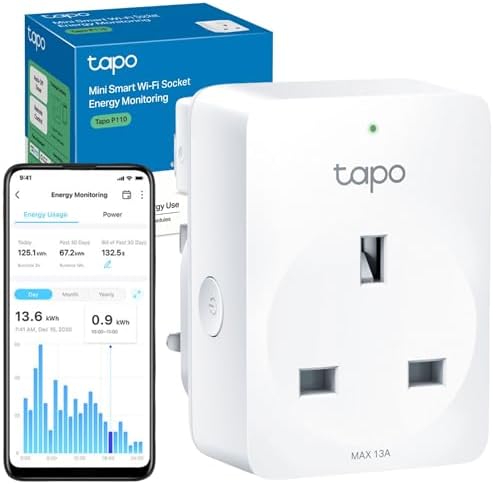
- Energy Monitoring – Monitor the average power consumption of the load for one hour via the Tapo App; Tapo P110 Alexa sma…
- Compatibility – Works with Amazon Alexa and Google Assistant for Voice Control; use your Alexa plug remotely; whenever a…
- Remote Access -Control devices connected to the smart plug wherever you use the free Tapo app on your phone
Are Smart Homes Becoming Safer?
Security Has Improved, But Risks Remain
The smart home industry has improved security significantly over the last decade.
The UK government introduced legislation such as the Product Security and Telecommunications Infrastructure Act, aimed at improving baseline security standards for connected consumer devices.
This includes measures against:
- Default universal passwords
- Undefined update support periods
- Weak vulnerability reporting processes
However, smart homes are still fundamentally dependent on internet connectivity, cloud services and user behaviour.
The more connected a home becomes, the larger its potential attack surface grows.
Final Thoughts
Smart homes are vulnerable to hackers, but most ordinary homeowners are not being individually targeted by elite cyber criminals sitting in dark rooms surrounded by green code like a low-budget science fiction film.
The real risks usually come from:
- Weak passwords
- Cheap insecure devices
- Poor updates
- Reused credentials
- Unsafe Wi-Fi setups
Most smart home attacks are opportunistic rather than personal.
A properly configured smart home using trusted devices, strong passwords, regular updates and multi-factor authentication is considerably safer than many people assume.
The uncomfortable reality is that convenience always introduces some degree of risk. Humans keep connecting kettles, lightbulbs and refrigerators to the internet because apparently pressing a normal switch became emotionally exhausting.
Cybersecurity is now part of ordinary home ownership in the UK, whether people realise it or not.