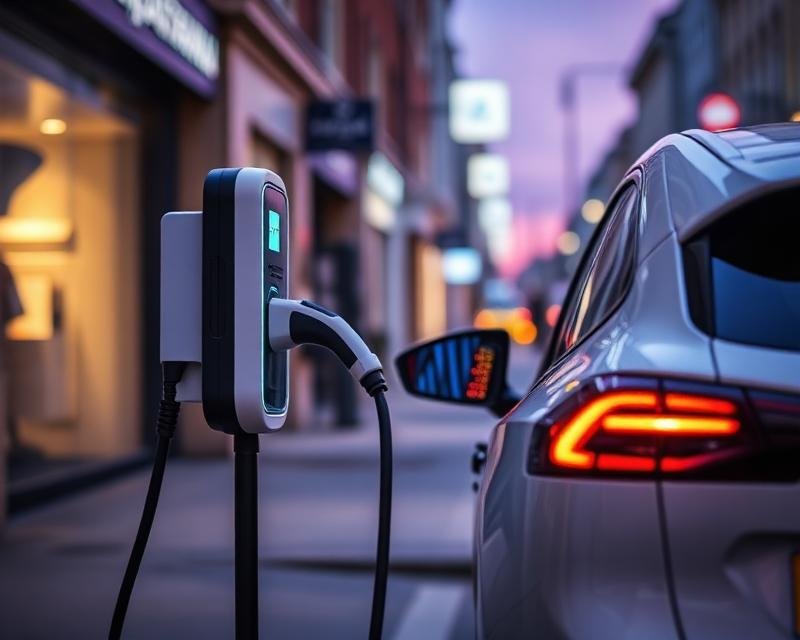
Electric vehicle charging networks are becoming a critical part of the UK’s transport and energy infrastructure. Thousands of public chargers now support millions of charging sessions every year, while businesses, local authorities and homeowners increasingly depend on connected charging systems.
This growing reliance raises an important question: could hackers disable EV charging infrastructure?
The short answer is yes. Like many modern connected systems, EV charging networks can be targeted by cyber criminals. However, successfully disabling large numbers of chargers is considerably more difficult than many headlines suggest.
Understanding the real risks helps explain why cyber security is becoming just as important as physical maintenance in the EV charging sector.
Why EV Charging Infrastructure Can Be Targeted
Modern EV chargers are not simply electrical sockets.
Most public charging stations are connected to:
- Cloud management platforms
- Payment systems
- Mobile applications
- Customer databases
- Remote monitoring systems
- Firmware update services
- Energy management platforms
Every connection creates a potential entry point for attackers.
The same connectivity that allows operators to monitor chargers remotely also creates opportunities for cyber criminals seeking to disrupt operations.
The risks explored in Can EV Chargers Be Hacked? demonstrate how internet-connected charging systems can become attractive targets.

How Hackers Could Disable Chargers
Attacking Central Management Systems
Many charging networks rely on centralised management platforms.
If attackers gain access to these systems, they may be able to:
- Disable chargers remotely
- Prevent charging sessions from starting
- Lock users out of accounts
- Interrupt payment processing
- Push malicious configurations
A successful compromise of a central platform could affect hundreds or thousands of charging points simultaneously.
Exploiting Software Vulnerabilities
Charging stations run software that requires regular updates.
Unpatched vulnerabilities may allow attackers to:
- Crash charging software
- Interrupt communications
- Disable charging functionality
- Trigger repeated system restarts
Cyber criminals actively search for systems running outdated software because they are often easier to exploit.
Distributed Denial-of-Service (DDoS) Attacks
Attackers may not need direct access to chargers.
A DDoS attack can overwhelm network infrastructure by flooding servers with traffic.
This may prevent:
- User authentication
- Mobile app access
- Charger availability checks
- Remote management functions
Although the chargers themselves remain physically operational, customers may be unable to use them effectively.
See the EV Charger Cyber Security Assessment – Assess cyber risks linked to your home or workplace EV charger — WiFi, app control, default passwords, firmware and shared access.
Could An Entire Charging Network Be Shut Down?
In theory, yes.
In practice, it is far more challenging.
Large charging operators usually implement:
- Network segmentation
- Redundant systems
- Backup communications
- Multi-factor authentication
- Continuous monitoring
- Incident response procedures
Disabling an entire national charging network would require a sophisticated and coordinated attack.
More realistic scenarios involve:
- Regional disruptions
- Temporary outages
- Specific operator compromises
- Payment platform failures
These attacks can still cause significant inconvenience without completely disabling national infrastructure.

- SAVES ENERGY AND HEATING COSTS: With the intelligent heater thermostat X from tado°, the experts for smart heating, user…
- EASY DIY INSTALLATION, EVEN OFFLINE: The included adapter allows the thermostat to be fitted to almost every radiator va…
- CONTROL VIA APP: The thermostat has numerous features for your heating system, such as smart scheduling, temperature con…
Real-World Consequences Of A Successful Attack
If charging infrastructure were disabled, the effects could extend beyond inconvenience.
Drivers Could Be Stranded
Many EV owners rely heavily on public charging.
If chargers become unavailable unexpectedly, drivers may:
- Delay journeys
- Miss appointments
- Experience range anxiety
- Face long queues at operational sites
Businesses Could Be Impacted
Commercial fleets increasingly depend on electric vehicles.
Charging outages could affect:
- Delivery companies
- Logistics operators
- Taxi services
- Public transport providers
- Emergency support fleets
Even short disruptions could create operational and financial challenges.

Could Attackers Manipulate Electricity Demand?
One emerging concern involves coordinated charger control.
If attackers gained access to large numbers of chargers, they could potentially:
- Start charging sessions simultaneously
- Stop charging sessions unexpectedly
- Create artificial demand spikes
- Disrupt local electricity balancing
National Grid operators already monitor demand fluctuations, making widespread manipulation difficult, but researchers continue to examine these potential risks.
This is one reason why cyber security increasingly overlaps with energy security.
The broader implications are explored in Could Cyber Attacks Slow the UK’s Net-Zero Plans?
How Charging Operators Protect Their Networks
Strong Authentication
Operators increasingly require:
- Multi-factor authentication
- Role-based access controls
- Secure administrative accounts
These measures reduce the likelihood of unauthorised access.
Continuous Monitoring
Security teams monitor networks around the clock for:
- Unusual activity
- Failed login attempts
- Malware indicators
- Suspicious network traffic
Many operators now use techniques similar to those described in How Do Energy Companies Use AI to Detect Threats?

- Full control over your heating with the tado° app from anywhere, reduce your energy consumption and save money with the …
- Heating Boost: heat up all rooms for 30 minutes with one click in the app
- Smart Schedules for the perfect temperature individually in each room, at any time; only active when someone’s home; can…
Secure Software Updates
Regular patching helps eliminate known vulnerabilities before attackers can exploit them.
Firmware updates are becoming a critical component of EV charger security programmes.
Network Segmentation
Separating charging systems from other business networks limits the impact of a breach.
If one system is compromised, attackers cannot automatically access everything else.
Are Public Charging Networks Safe To Use?
For most drivers, public charging remains very safe.
The greatest risk is typically service disruption rather than direct physical danger.
Operators invest heavily in:
- Cyber security testing
- Vulnerability assessments
- Security audits
- Infrastructure monitoring
- Incident response planning
The challenges are similar to those discussed in Are Public Charging Networks Secure?
While no connected system can ever be completely immune from cyber attacks, modern charging operators understand that reliability and security are essential to maintaining customer trust.
Also see: Best Energy Suppliers For EV Owners In The UK at powerguardian.co.uk
How The Threat Is Likely To Evolve
As EV adoption continues to grow across the UK, charging infrastructure will become increasingly attractive to cyber criminals, hacktivists and potentially state-sponsored threat actors.
Future threats may include:
- AI-assisted cyber attacks
- Supply chain compromises
- Connected vehicle targeting
- Coordinated infrastructure attacks
- Cloud platform exploitation
At the same time, security technologies continue to improve.
Lessons learned from protecting renewable energy systems, smart grids and industrial control environments are helping strengthen EV charging security across the sector.
Many of the same protections used in How Secure Are Renewable Energy Control Systems? are now influencing the design of next-generation charging networks.
Final Thoughts
Hackers could potentially disable parts of EV charging infrastructure through attacks on management platforms, software vulnerabilities or supporting services. However, shutting down an entire charging network remains significantly more difficult than disabling individual chargers or causing temporary disruption.
As electric vehicles become central to the UK’s transport future, cyber security is becoming just as important as cables, transformers and charging hardware. The organisations that operate charging networks increasingly recognise that keeping chargers online means defending both physical and digital infrastructure from evolving threats.
Humanity has spent a century perfecting ways to move electricity from power stations to vehicles, then immediately connected everything to the internet. Predictably, cyber security has now joined the charging cable as a required piece of equipment.