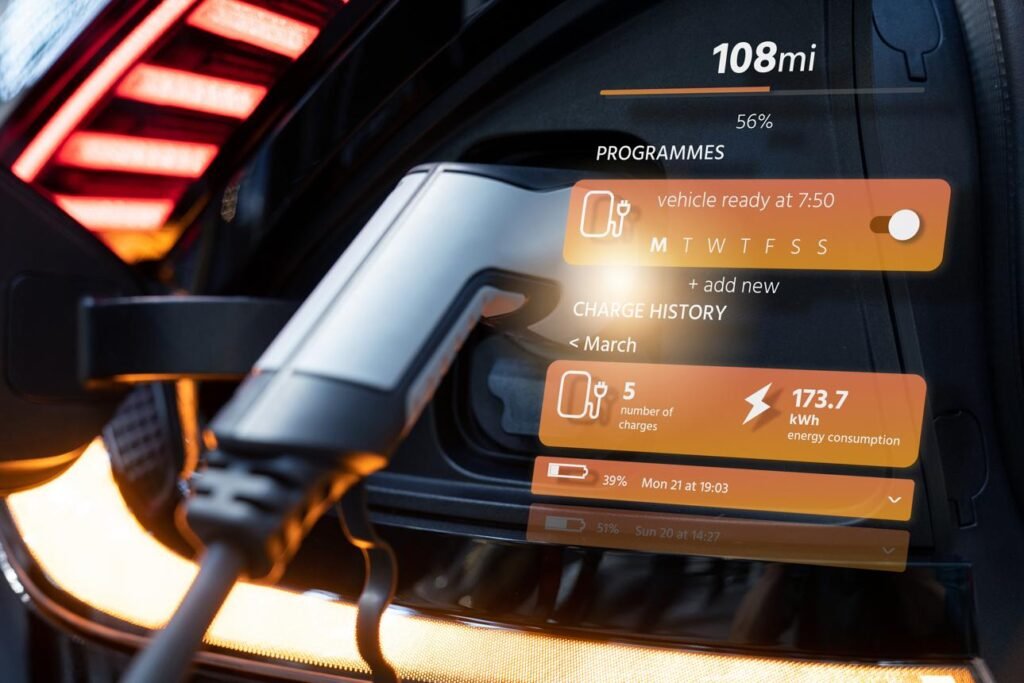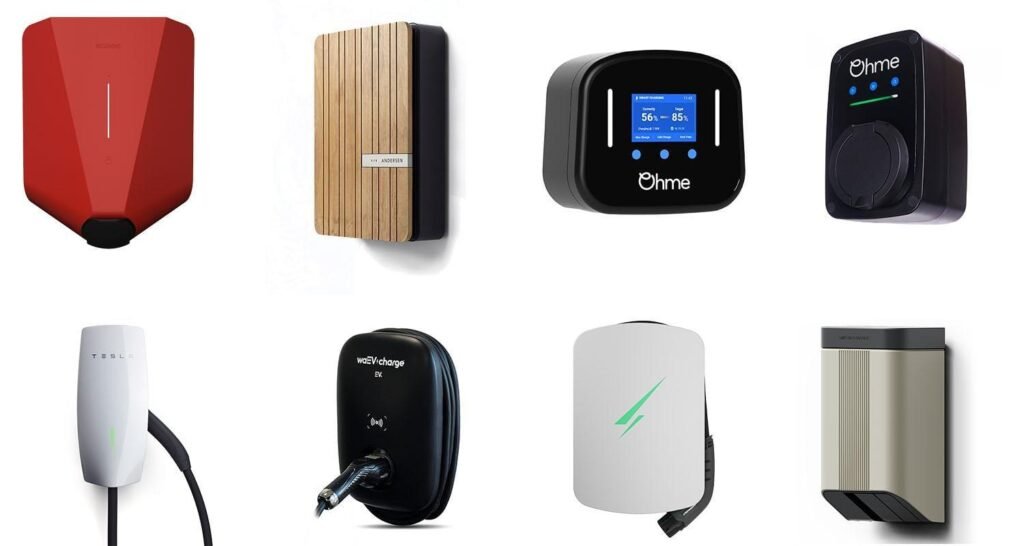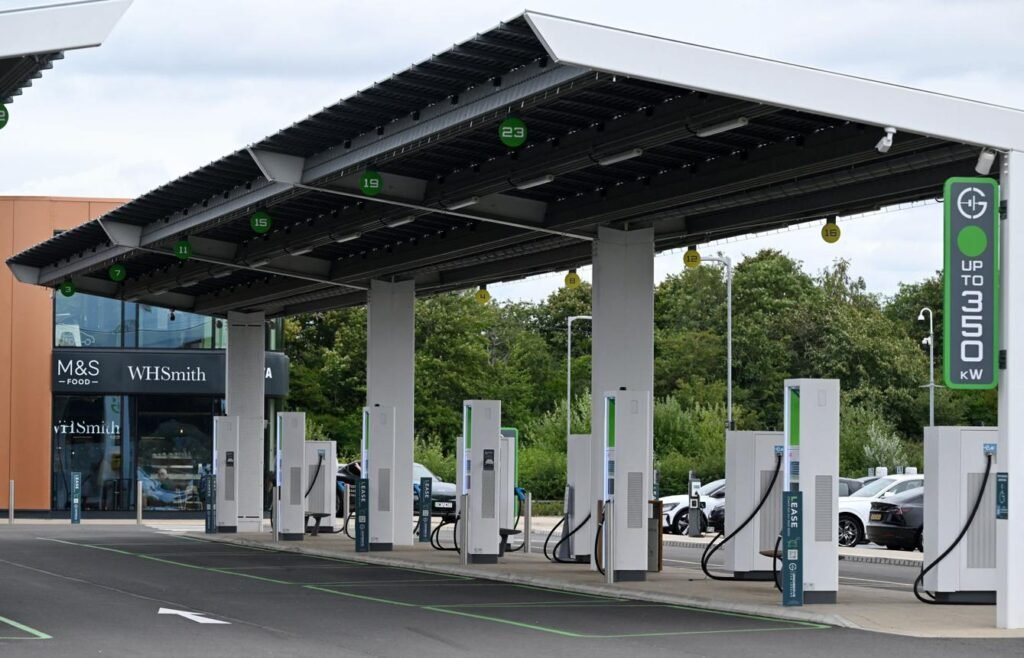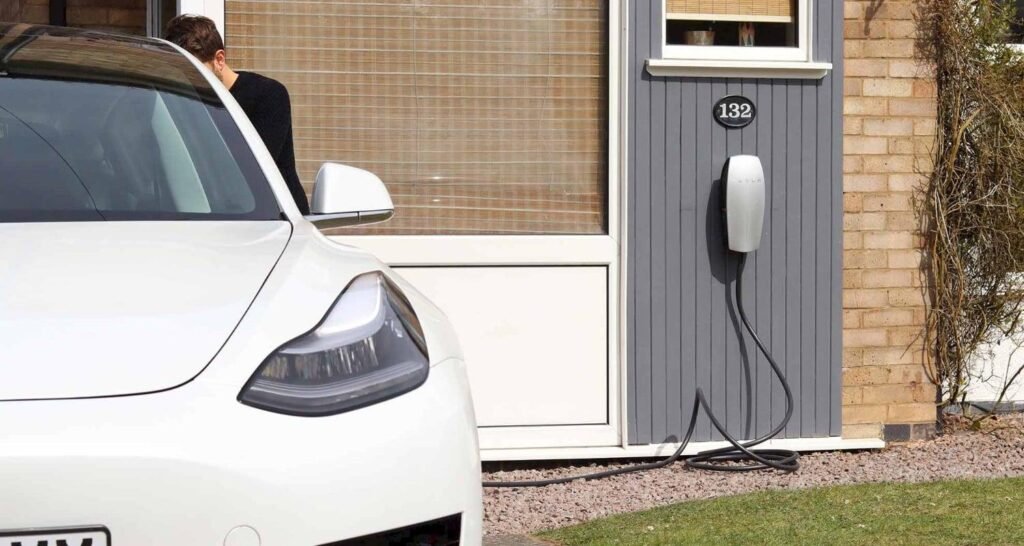
Smart charging is becoming a key part of the UK’s transition to electric vehicles. By allowing chargers to communicate with energy suppliers, grid operators and mobile apps, smart charging helps reduce pressure on the electricity network and can lower charging costs for consumers.
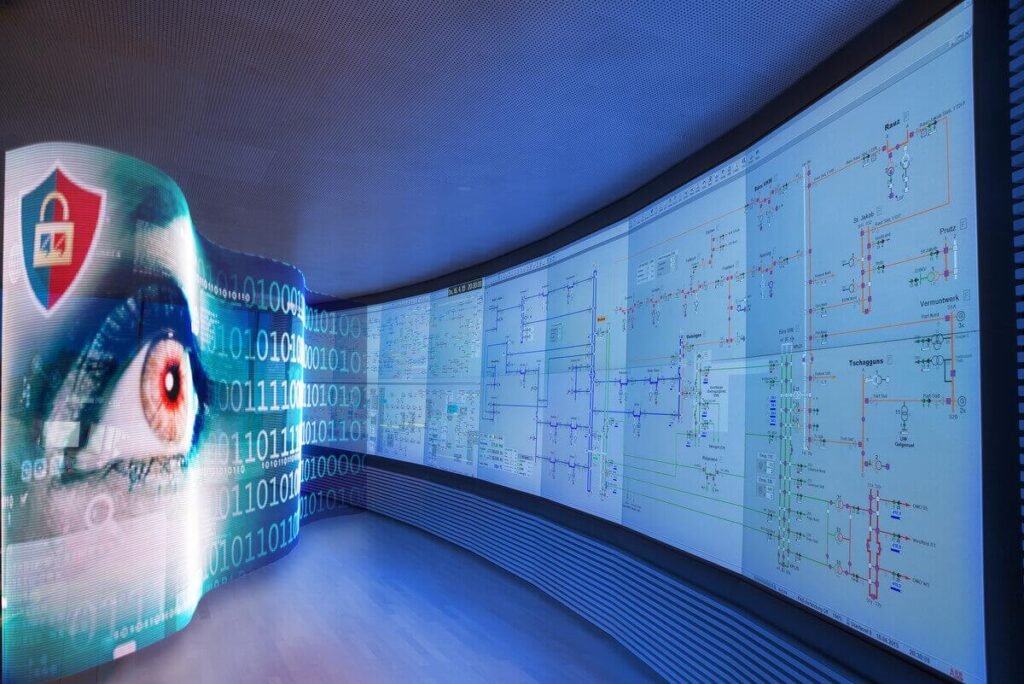
Unfortunately, every new connected device creates another potential cyber security risk.
The same technology that allows a charger to optimise charging schedules, monitor electricity prices and receive remote updates can also create opportunities for cyber criminals if systems are not properly secured.
As millions of smart chargers are installed across homes, workplaces and public locations, cyber security has become a critical part of the UK’s EV infrastructure.

Why Smart Charging Creates New Cyber Risks
Traditional electrical equipment operates largely in isolation.
Smart chargers are different because they connect to:
- Home Wi-Fi networks
- Mobile applications
- Cloud platforms
- Energy suppliers
- Vehicle systems
- Smart home devices
- Demand-response programmes
Every connection creates another potential attack surface.
While most smart charging platforms include security protections, cyber criminals continually look for weaknesses that can be exploited.
Unauthorised Access to Charging Systems
One of the most common risks involves attackers gaining access to charging accounts or management systems.
Weak Passwords
Many users still rely on simple passwords that can be guessed or stolen through data breaches.
If attackers gain access to a charging account they may be able to:
- View charging history
- Access personal information
- Change charging schedules
- Disable charging sessions
- Alter account settings
Poor Authentication Controls
Platforms without strong authentication measures are more vulnerable to credential theft and account takeover attacks.
Multi-factor authentication significantly reduces this risk.

- SAVES ENERGY AND HEATING COSTS: With the intelligent heater thermostat X from tado°, the experts for smart heating, user…
- EASY DIY INSTALLATION, EVEN OFFLINE: The included adapter allows the thermostat to be fitted to almost every radiator va…
- CONTROL VIA APP: The thermostat has numerous features for your heating system, such as smart scheduling, temperature con…
Remote Manipulation of Charging Sessions
Smart chargers often allow remote control through mobile apps or web portals.
If an attacker gains access to these systems they could:
- Start charging sessions
- Stop charging sessions
- Delay charging
- Change charging limits
- Disrupt vehicle availability
For individual users this may be inconvenient.
For commercial fleets, delivery operators or emergency services, widespread disruption could have significant operational consequences.
Data Privacy Risks
Smart charging systems collect large amounts of information.
What Data Is Collected?
Many platforms store:
- Vehicle charging times
- Home energy usage
- Location information
- Account details
- Payment information
- Device identifiers
This data helps optimise charging but can also become attractive to cyber criminals.
Data Breaches
A successful breach of a charging platform could expose sensitive customer information.
Attackers may use stolen data for:
- Identity theft
- Fraud
- Phishing attacks
- Social engineering campaigns
Human beings remain astonishingly willing to hand over personal information if an email contains enough urgency and a convincing logo.

Risks to Home Networks
Many smart chargers connect directly to domestic Wi-Fi networks.
Compromised Devices
If a charger contains security vulnerabilities, attackers may attempt to use it as an entry point into a wider network.
This is one reason why cyber security professionals recommend reading Can Electric Cars Be Used as a Route Into Home Networks? and Can Hackers Access Smart Home Energy Devices?
While successful attacks remain relatively uncommon, poorly secured Internet of Things devices have been exploited in the past.
Lateral Movement
Once inside a network, attackers may attempt to access:
- Smart thermostats
- Security cameras
- Computers
- Network storage devices
- Other connected systems
Network segmentation helps limit this risk.
Software Supply Chain Risks
Most smart chargers receive regular firmware and software updates.
Malicious Updates
If update mechanisms are compromised, attackers may attempt to distribute malicious code through trusted software channels.
Although rare, supply chain attacks have become a growing concern across many industries.
Third-Party Vulnerabilities
Charging platforms often rely on:
- Cloud providers
- Software vendors
- Mobile applications
- Payment processors
Weaknesses in any part of the ecosystem can potentially affect the overall service.

- 【OBSBOT × EWC 2025 Official Partnership】OBSBOT is thrilled to be the 2025 Esports World Cup (EWC) Official Camera & Webc…
- 【OBSBOT Tiny 2 – New Era of Webcam】Our 4K Webcam is equipped with 1/1.5″ CMOS Sensor, which is the largest and most adva…
- 【Superior AI-Tracking, Up 4 Tracking Modes】Our Tracking Webcam has fully upgraded the AI algorithm to make the auto-trac…
Large-Scale Grid Disruption
One of the most discussed theoretical threats involves coordinated attacks against large numbers of chargers.
Simultaneous Charging Events
If attackers gained control over thousands of chargers, they could potentially attempt to:
- Start charging simultaneously
- Increase electricity demand unexpectedly
- Create local network stress
- Affect distribution infrastructure
Modern grid operators have numerous safeguards designed to prevent such scenarios, but researchers continue to study these risks as EV adoption grows.
Smart Grid Manipulation
Future vehicle-to-grid and demand-response systems will involve even greater connectivity between vehicles and electricity networks.
Security must evolve alongside these technologies.
Risks at Public Charging Networks
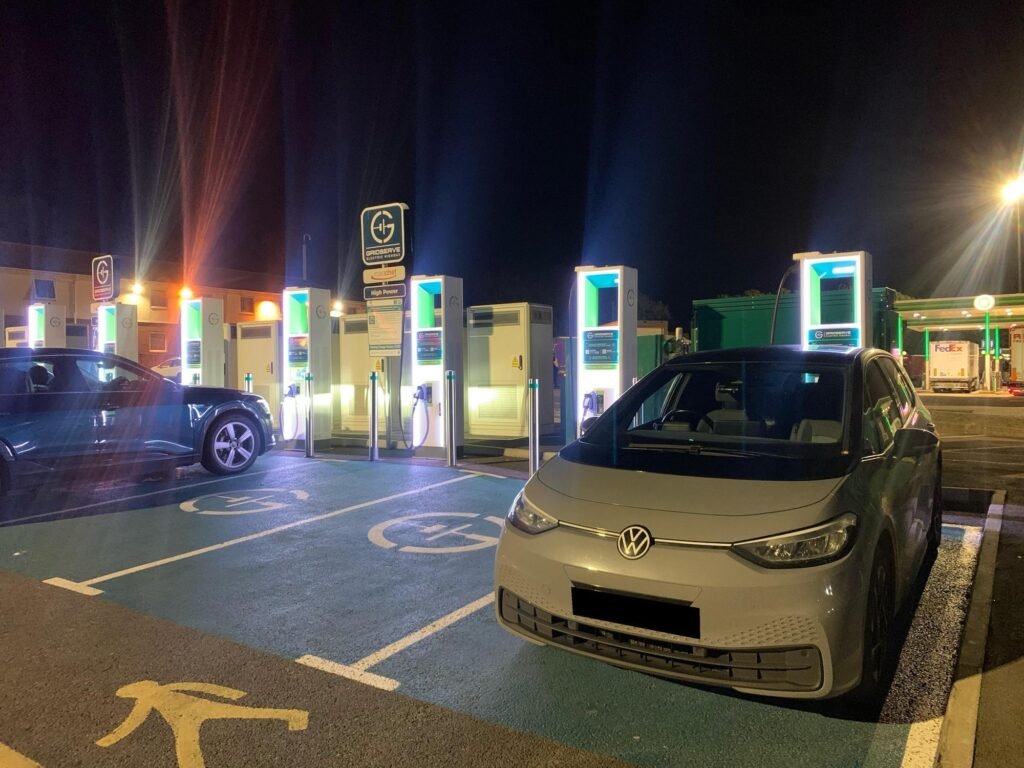
Public charging infrastructure faces additional challenges because it serves large numbers of users.
Payment Fraud
Attackers may attempt to:
- Steal account credentials
- Clone payment information
- Exploit payment systems
- Conduct fraudulent charging sessions
This is one reason why users should understand Are Public Charging Networks Secure?
Network Attacks
Public operators must protect:
- Customer databases
- Payment systems
- Charging management platforms
- Remote maintenance systems
Large charging networks are attractive targets due to the volume of customer data they handle.
Could Attackers Disable Charging Infrastructure?
Some cyber security experts are particularly concerned about service disruption attacks.
Denial-of-Service Attacks
Attackers may attempt to overwhelm systems with traffic, preventing legitimate users from accessing charging services.
Operational Disruption
In more advanced scenarios, attackers could target network management systems that coordinate charging infrastructure.
This concern is explored further in Could Hackers Disable EV Charging Infrastructure?
The likelihood of a successful nationwide attack remains low, but resilience planning is essential.

How Smart Charging Providers Reduce Risk
Manufacturers and operators use multiple security measures to protect systems.
Security Controls
Common protections include:
- Encryption
- Secure firmware updates
- Network monitoring
- Penetration testing
- Access controls
- Multi-factor authentication
- Security audits
Industry Standards
Many providers follow recognised cyber security frameworks and standards designed to improve resilience across critical infrastructure.
As EV charging becomes increasingly important to the UK energy system, regulatory oversight is also increasing.

- Special Edition Finish: The perfect companion to your Aurora Collection Logitech G headset, mouse and keyboard, Yeti mic…
- Exclusive Streamlabs Aurora Collection Themes: Download exclusive themes that match the look of your Yeti broadcast micr…
- Blue VO!CE Effects: Yeti USB condenser microphone improves your sound and stream with fun vocal effects, HD samples, and…
How EV Owners Can Stay Secure
Users play an important role in protecting smart charging systems.
Practical Security Tips
EV owners should:
- Use strong unique passwords
- Enable multi-factor authentication
- Keep charger firmware updated
- Secure home Wi-Fi networks
- Monitor account activity
- Download apps only from official stores
- Review privacy settings regularly
Choose Reputable Providers
Established manufacturers typically invest more heavily in cyber security, testing and long-term support.
When selecting a charger, security should be considered alongside charging speed, cost and features.
Also see: Best Energy Suppliers For EV Owners In The UK at powerguardian.co.uk
Final Thoughts
Smart charging offers significant benefits for EV owners, energy suppliers and the wider electricity grid. However, the increased connectivity that makes smart charging possible also creates new cyber security challenges.
The most significant risks include unauthorised access, data breaches, compromised home networks, software supply chain attacks and potential disruption of charging services.
While large-scale attacks remain unlikely, the UK’s growing reliance on connected charging infrastructure means cyber security must remain a priority for manufacturers, operators, regulators and users alike.
As the EV ecosystem expands, protecting smart charging systems will become just as important as protecting the vehicles themselves. After all, a charger that cannot be trusted becomes little more than a very expensive piece of street furniture.