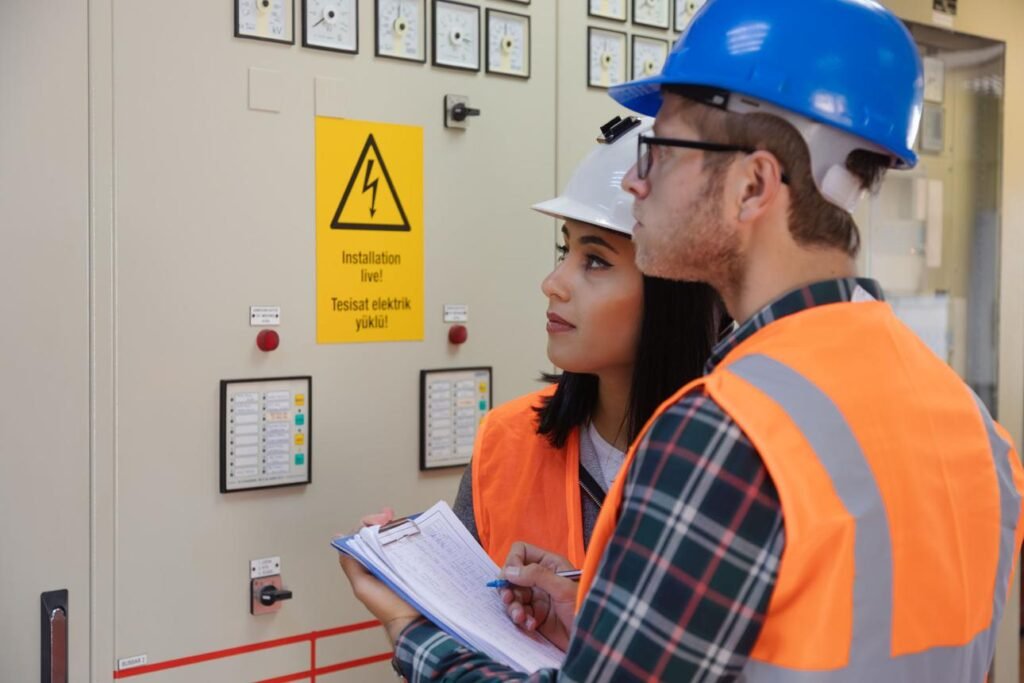
Renewable energy is often associated with sustainability, carbon reduction and energy independence. However, behind every wind farm, solar park and battery storage facility sits a complex network of digital control systems that keep operations running efficiently.
These systems allow operators to monitor equipment, manage power output, control grid connections and perform maintenance remotely. While this connectivity delivers enormous operational benefits, it also creates cyber security challenges.
As renewable energy becomes increasingly important to the UK’s electricity supply, the security of renewable energy control systems is becoming a critical national infrastructure concern.
Readers interested in wider renewable energy security may also find Can Wind Farms Be Hacked? useful.

What Are Renewable Energy Control Systems?
Renewable energy facilities rely on Operational Technology (OT) systems rather than traditional office IT systems.
These environments typically include:
- SCADA systems (Supervisory Control and Data Acquisition)
- Industrial Control Systems (ICS)
- Programmable Logic Controllers (PLCs)
- Remote Terminal Units (RTUs)
- Sensor networks
- Communications infrastructure
- Grid management software
These technologies allow operators to:
- Monitor performance
- Start and stop equipment
- Adjust power generation
- Manage battery charging and discharge cycles
- Respond to faults
- Connect with electricity networks
Without these systems, modern renewable energy projects would be far less efficient and significantly more expensive to operate.
Why Renewable Energy Control Systems Are Attractive Targets
Increasing Digital Connectivity
Historically, industrial systems operated in isolation.
Modern renewable facilities are very different.
Many systems now support:
- Remote access
- Cloud-based monitoring
- Vendor maintenance connections
- Mobile applications
- Automated reporting
Each connection potentially expands the attack surface available to cyber criminals.
- Full HD streaming: Logitech C922 provides two streaming qualities to choose from. Whether you’re after full HD 1080p at …
- Multiple mounting options including tripod: This HD streaming webcam comes equipped with a versatile tripod. Mount the U…
- Auto-lighting corrections: Alongside full HD streaming over wifi, this gaming webcam is equipped with autofocus and inst…
Growing Importance To National Infrastructure
Renewables now provide a significant proportion of UK electricity generation.
As more power comes from offshore wind, solar installations and battery storage facilities, attackers may view these assets as valuable targets capable of causing disruption or economic damage.
How Secure Are Modern Renewable Energy Systems?
The answer is complicated.
Many large-scale renewable operators have invested heavily in cyber security, while smaller operators often have fewer resources available.
Security levels vary depending on:
- System age
- Vendor quality
- Network design
- Security investment
- Regulatory requirements
- Staff training
The newest renewable facilities generally incorporate stronger cyber security controls than older installations.
However, even modern systems are not immune to attack.
Common Security Controls Used In Renewable Energy
Network Segmentation
One of the most important protections separates operational systems from business networks.
This prevents attackers who compromise office systems from automatically accessing industrial controls.
Multi-Factor Authentication
Remote access platforms increasingly require:
- Passwords
- Authentication apps
- Hardware security tokens
This makes unauthorised access significantly harder.
Continuous Monitoring
Security monitoring tools look for:
- Unusual traffic patterns
- Failed login attempts
- Unexpected system changes
- Suspicious remote connections
Early detection can prevent a small incident becoming a major operational problem.
Readers may also find What Cyber Security Protections Do Renewable Energy Projects Use? useful when exploring these defensive measures.

Are Wind Farm Control Systems Secure?
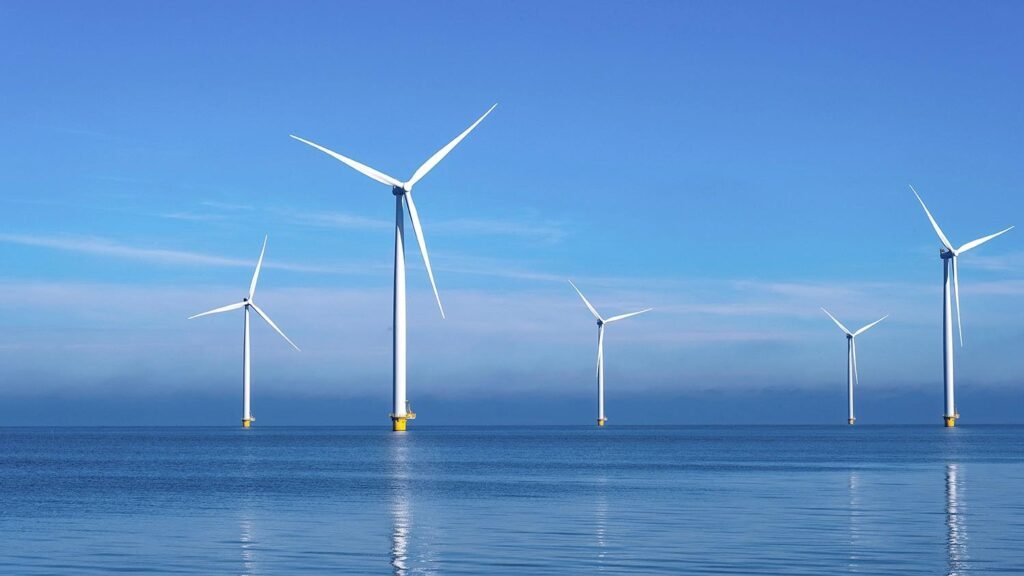
Modern wind farms contain hundreds of connected devices.
These include:
- Turbine controllers
- Weather sensors
- Substation equipment
- Grid connection systems
- Monitoring platforms
Most major operators deploy extensive security controls, but risks remain.
Potential attack scenarios include:
- Remote access compromise
- Supply chain attacks
- Malware infections
- Credential theft
- Communication system disruption
Fortunately, critical turbine safety systems are usually designed to operate independently from external networks, reducing the likelihood of catastrophic outcomes.
Readers wanting a deeper look can explore Can Wind Farms Be Hacked?
- SAVES ENERGY AND HEATING COSTS: With the intelligent heater thermostat X from tado°, the experts for smart heating, user…
- EASY DIY INSTALLATION, EVEN OFFLINE: The included adapter allows the thermostat to be fitted to almost every radiator va…
- CONTROL VIA APP: The thermostat has numerous features for your heating system, such as smart scheduling, temperature con…
Are Solar Farm Control Systems Secure?
Large solar farms rely heavily on centralised management systems.
Operators often monitor:
- Inverters
- Power output
- Environmental conditions
- Grid connections
- Maintenance schedules
Remote monitoring improves efficiency but introduces cyber risk.
Attackers who gain access could potentially:
- Alter settings
- Interrupt production
- Disable monitoring
- Create operational confusion
Modern solar operators increasingly deploy secure remote access solutions and segmented networks to reduce these risks.
Further reading is available in Are Solar Farms Vulnerable To Cyber Attacks?
Battery Storage Systems Present Unique Risks
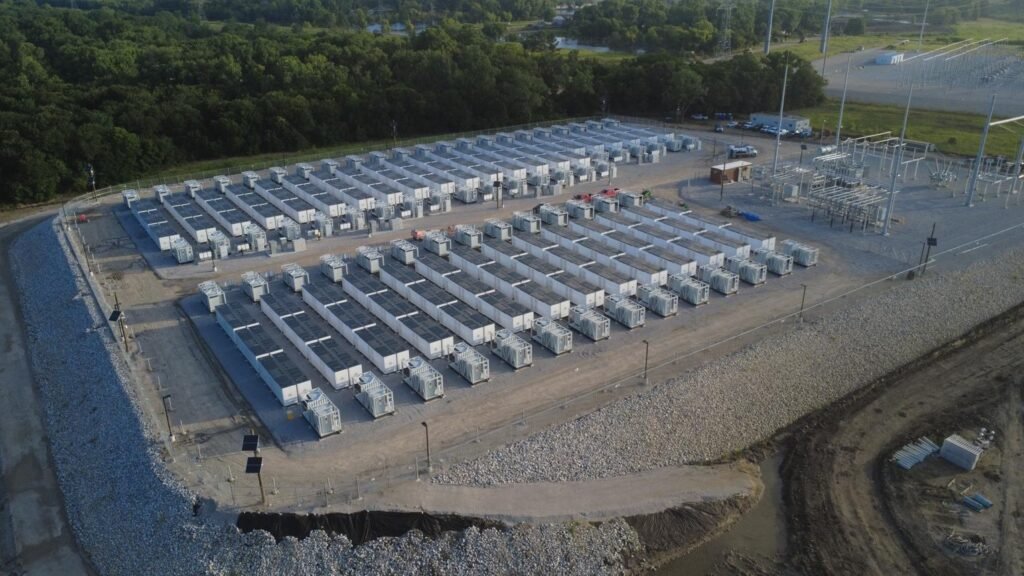
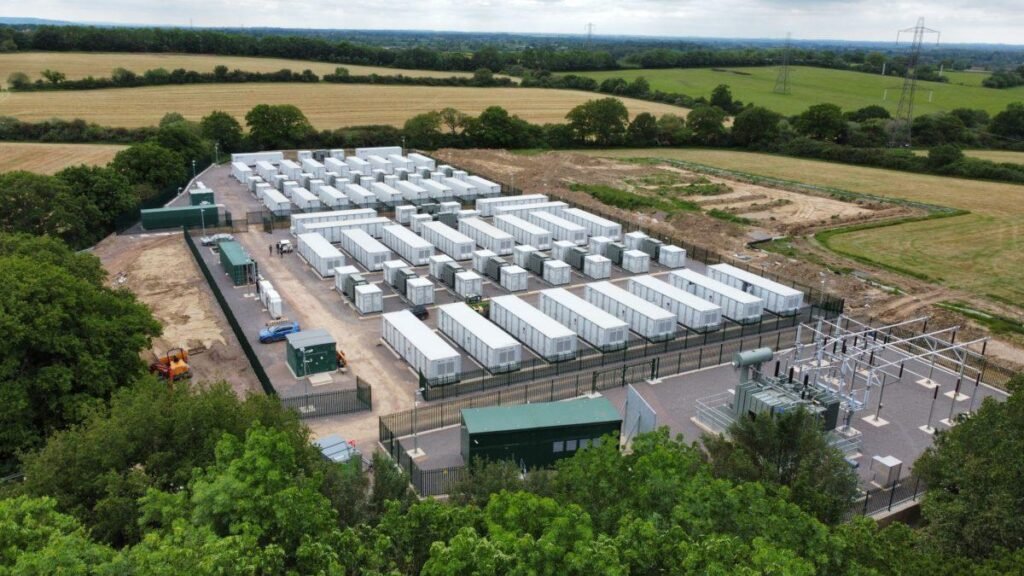
Battery Energy Storage Systems (BESS) are among the most digitally controlled assets in the renewable energy sector.
They depend on sophisticated software to manage:
- Charging cycles
- Temperature monitoring
- Power dispatch
- Safety controls
- Grid balancing
Because battery systems actively interact with electricity markets and grid operators, they often maintain multiple external connections.
This creates additional security considerations.
Operators typically use layered security controls to protect these environments.
Readers may also be interested in Are Battery Storage Sites Vulnerable To Cyber Threats?

Real-World Renewable Energy Cyber Incidents
Several incidents worldwide have demonstrated the risks facing energy infrastructure.
Examples include:
- Malware targeting industrial control systems
- Remote access compromises
- Supply chain attacks affecting energy organisations
- Ransomware attacks impacting operational environments
Although many incidents have affected conventional energy providers rather than renewable facilities specifically, the same technologies and attack methods often apply.
Cyber criminals generally target vulnerabilities rather than energy sources.
A poorly secured renewable facility can be just as attractive as a traditional power station.
Related Resource: Cyber threats increasingly affect the energy sector. For broader coverage of UK energy markets, pricing and industry developments, visit PowerGuardian.co.uk.
The Supply Chain Challenge
Third-Party Vendors
Renewable projects often depend on numerous suppliers.
These may include:
- Turbine manufacturers
- Solar inverter vendors
- Battery manufacturers
- Cloud platform providers
- Maintenance contractors
Each supplier potentially introduces cyber risk.
- Full control over your heating with the tado° app from anywhere, reduce your energy consumption and save money with the …
- Heating Boost: heat up all rooms for 30 minutes with one click in the app
- Smart Schedules for the perfect temperature individually in each room, at any time; only active when someone’s home; can…
Software Updates
Security updates are essential.
However, operators must ensure updates do not inadvertently affect operational performance.
Balancing security and reliability remains a major challenge across the sector.
UK Regulations Driving Better Security
Renewable operators increasingly fall within broader critical infrastructure security frameworks.
Relevant guidance may include:
- National Cyber Security Centre recommendations
- Network and Information Systems regulations
- Ofgem security expectations
- Industry best practice frameworks
- Supply chain security standards
These requirements are encouraging stronger cyber resilience throughout the sector.
The Future Of Renewable Energy Security
As renewable generation expands across the UK, cyber security will become even more important.
Future systems are expected to incorporate:
- AI-driven threat detection
- Zero-trust architectures
- Enhanced encryption
- Secure-by-design equipment
- Greater operational visibility
- Improved supply chain verification
The challenge is that attackers are evolving too.
Defenders must continuously improve security to stay ahead.
Final Thoughts
Renewable energy control systems are generally becoming more secure, particularly within large utility-scale projects. However, they are not invulnerable.
The combination of remote access, connected operational technology and growing national importance makes renewable energy infrastructure an attractive target for cyber criminals and hostile actors.
Strong cyber security programmes, robust network design, continuous monitoring and rigorous supplier management are essential to protecting these systems.
As the UK’s transition towards net-zero accelerates, securing renewable energy control systems will be just as important as building them.
For a broader understanding of the issue, readers should also explore Why Is Cyber Security Important For Renewable Energy? Human civilisation has managed to connect wind turbines, batteries, cloud platforms and industrial controllers together and then act surprised when cyber security becomes necessary. The technology is impressive. The surprise is less so.