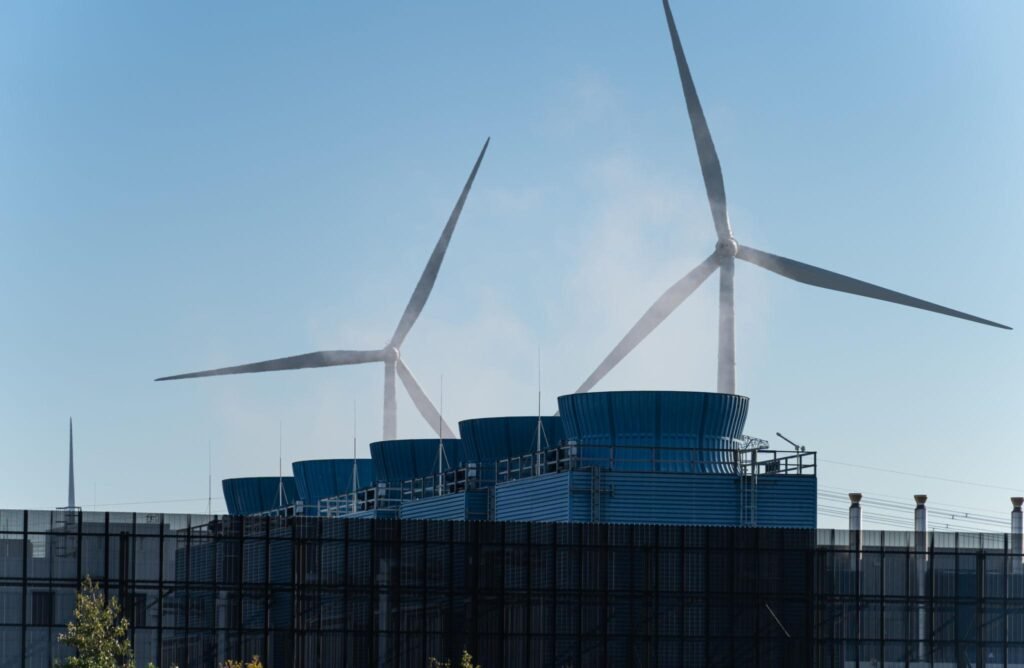
Renewable energy operators face a growing cyber security challenge. Wind farms, solar farms, battery storage sites and smart energy networks increasingly depend on digital technology to monitor performance, optimise generation and manage assets remotely. While these technologies improve efficiency, they also create potential attack surfaces for cyber criminals, nation-state actors and organised ransomware groups.
The good news is that most renewable energy operators understand these risks and invest heavily in cyber security programmes designed to protect both operational systems and business networks. As renewable energy becomes a larger part of the UK’s electricity supply, protecting these assets has become a national infrastructure priority.
Why Renewable Energy Assets Face Cyber Risks
Renewable energy sites are no longer isolated pieces of infrastructure.
Modern facilities use:
- Remote monitoring systems
- Internet-connected sensors
- SCADA platforms
- Cloud-based analytics
- Automated control systems
- Smart grid integrations
- Third-party maintenance access
These technologies allow operators to manage large numbers of assets efficiently but also introduce cyber risks that did not exist in traditional energy systems.
This is one reason why many industry experts emphasise the findings discussed in Why Is Cyber Security Important For Renewable Energy?
Increasing Connectivity Creates New Vulnerabilities
A modern wind farm may contain hundreds of connected devices communicating continuously with central management platforms.
Similarly, solar farms and battery storage sites often rely on remote communications links that allow operators to monitor output and diagnose faults without visiting the site.
If security controls are weak, attackers may attempt to exploit these connections.

- Back-UPS BX provides guaranteed power and surge protection for desktop computers, wireless networks, gaming consoles and…
- 700 VA/390 Watts – Automatic Voltage Regulation (AVR)
- PowerShute shutdown software – USB Connector
Segregating Operational Technology From IT Networks
One of the most important cyber risk management strategies is separating operational technology (OT) from traditional IT systems.
What Is Operational Technology?
Operational technology includes:
- Turbine controllers
- Solar inverter controls
- Battery management systems
- Grid interface equipment
- Substation controls
- Industrial sensors
These systems directly affect physical operations.
If attackers gain access to OT systems, they could potentially disrupt generation, damage equipment or interfere with grid operations.
To reduce this risk, operators typically separate OT networks from corporate networks through strict segmentation and firewalls.
Continuous Security Monitoring
Most large renewable energy operators now maintain around-the-clock monitoring capabilities.
Security Operations Centres
Security teams monitor:
- Network activity
- Login attempts
- Unusual behaviour
- Malware indicators
- System alerts
- Remote access sessions
Automated threat detection tools can identify suspicious behaviour before attackers achieve their objectives.
Many operators also work with specialist managed security providers that monitor systems 24 hours a day.

Protecting Wind Farms Against Cyber Threats
Wind farms contain numerous digital systems that require protection.
The risks and challenges outlined in Can Wind Farms Be Hacked? demonstrate why security controls are becoming increasingly sophisticated.
Common Security Measures
Wind farm operators typically implement:
- Multi-factor authentication
- Encrypted communications
- Secure remote access
- Network segmentation
- Continuous vulnerability assessments
- Intrusion detection systems
- Regular software updates
These measures help prevent attackers from accessing turbine management systems.
Securing Solar Energy Infrastructure
Solar farms rely heavily on connected technologies.
Inverters, monitoring systems and remote management platforms all require protection from cyber threats.
The broader threat landscape is explored in Are Solar Farms Vulnerable To Cyber Attacks?
Solar Farm Security Controls
Operators commonly deploy:
- Secure inverter configurations
- Access control systems
- Device authentication
- Secure firmware management
- Vulnerability scanning
- Supplier security assessments
Many operators also perform penetration testing to identify weaknesses before attackers discover them.
Managing Supply Chain Risks
One of the biggest concerns facing renewable energy operators is the supply chain.
Many energy systems contain components manufactured by multiple vendors across different countries.

- Installs in circuit panel of most small businesses with clamp-on sensors. Supports Single phase, Single-split phase, and…
- 24/7 Energy Management and Monitoring: Automate and monitor your business’ real power anywhere, anytime to prevent costl…
- Lower Your Electric Bill: Configure settings in the Emporia Energy App to automate energy management for time of use, pe…
Third-Party Security Assessments
Operators increasingly assess suppliers for:
- Security certifications
- Software development practices
- Vulnerability disclosure processes
- Incident response capabilities
- Patch management procedures
Supply chain attacks have become a significant concern across critical infrastructure sectors.
A weakness in a supplier’s software may affect hundreds of renewable energy sites simultaneously.
Battery Storage Security
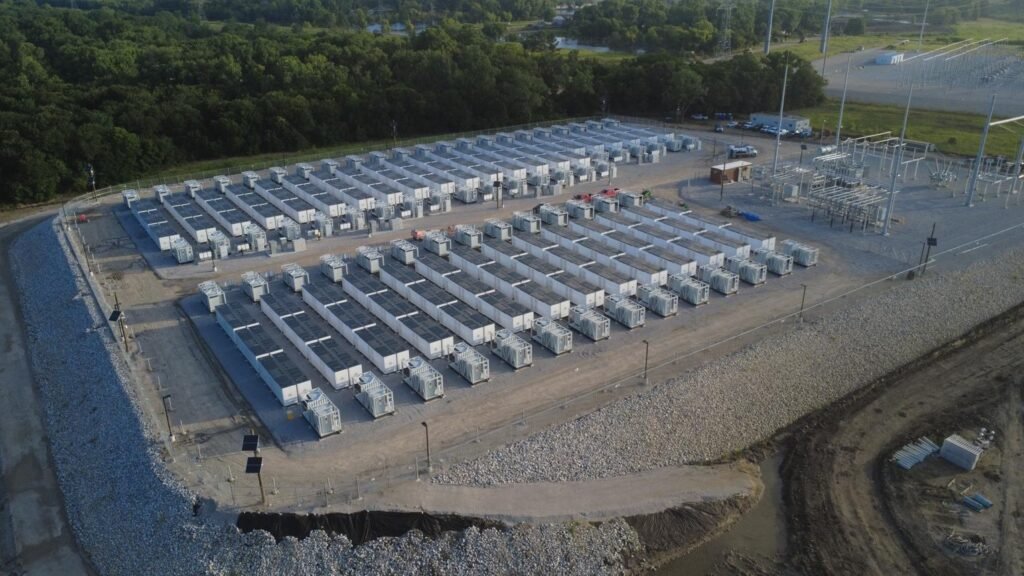
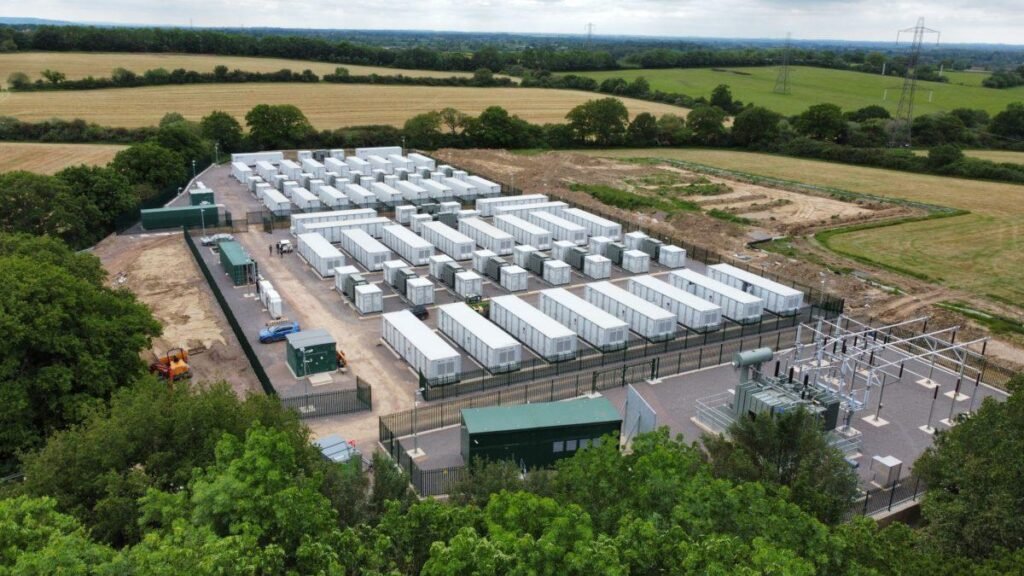
Battery energy storage systems are becoming critical components of modern electricity grids.
These facilities contain sophisticated software used to manage charging, discharging and grid balancing.
Protecting Battery Management Systems
Security measures often include:
- Secure remote access controls
- Network isolation
- Encryption
- Continuous monitoring
- Firmware verification
- Incident response procedures
Many of these risks are explored further in Are Battery Storage Sites Vulnerable To Cyber Threats?

Regular Security Audits And Testing
Cyber security is not a one-time exercise.
Renewable energy operators continuously evaluate their security posture through testing and audits.
Common Testing Activities
These may include:
- Penetration testing
- Red team exercises
- Vulnerability assessments
- Configuration reviews
- Access control audits
- Incident response simulations
Testing helps identify weaknesses before attackers exploit them.
Employee Awareness And Training
People remain one of the most common causes of cyber incidents.
Phishing emails, weak passwords and social engineering attacks continue to affect organisations across every sector.
Building A Security Culture
Operators often provide training covering:
- Phishing awareness
- Password security
- Remote access procedures
- Incident reporting
- Data protection
- Social engineering threats
Human vigilance remains one of the most effective defences against cyber attacks.
Related Resource: Cyber threats increasingly affect the energy sector. For broader coverage of UK energy markets, pricing and industry developments, visit PowerGuardian.co.uk.
Incident Response Planning
Even well-protected organisations assume that security incidents may occur.
Preparing For Cyber Incidents
Renewable energy operators typically maintain detailed response plans that define:
- Roles and responsibilities
- Communication procedures
- Technical recovery processes
- Regulatory reporting requirements
- Business continuity measures
These plans help minimise disruption if an incident occurs.
Regulatory Compliance And Industry Standards
The renewable energy sector increasingly falls within broader critical infrastructure security frameworks.
- Back-UPS BX provides guaranteed power and surge protection for desktop computers, wireless networks, gaming consoles and…
- 700 VA/390 Watts – Automatic Voltage Regulation (AVR)
- PowerShute shutdown software – USB Connector
Key Security Frameworks
Operators commonly align with standards such as:
- ISO 27001
- IEC 62443
- Cyber Assessment Framework (CAF)
- National Cyber Security Centre guidance
- NIS Regulations requirements
Compliance helps establish consistent security practices across the industry.
The broader defensive measures used throughout the sector are examined in What Cyber Security Protections Do Renewable Energy Projects Use?
The Future Of Renewable Energy Cyber Security
As renewable energy infrastructure expands across the UK, cyber security will continue to evolve.
Artificial intelligence, smart grids, battery storage, distributed generation and increased automation will create new opportunities as well as new risks.
Operators are increasingly adopting zero-trust architectures, advanced threat detection platforms and enhanced OT security technologies to stay ahead of emerging threats.
Final Thoughts
Renewable energy operators manage cyber risks through a combination of technology, people and processes. Network segmentation, continuous monitoring, supply chain security, employee training and incident response planning all play critical roles in protecting renewable energy infrastructure.
As the UK’s transition towards cleaner energy accelerates, cyber security is becoming just as important as physical security. The resilience of future energy systems will depend not only on generating electricity efficiently but also on defending the digital systems that keep renewable energy assets operating safely and reliably.
Humanity has built power stations that talk to cloud platforms, batteries that communicate with software dashboards and wind turbines that can be monitored from hundreds of miles away. Convenient, efficient and environmentally friendly. Also exactly the sort of thing that keeps cyber security professionals awake at night.