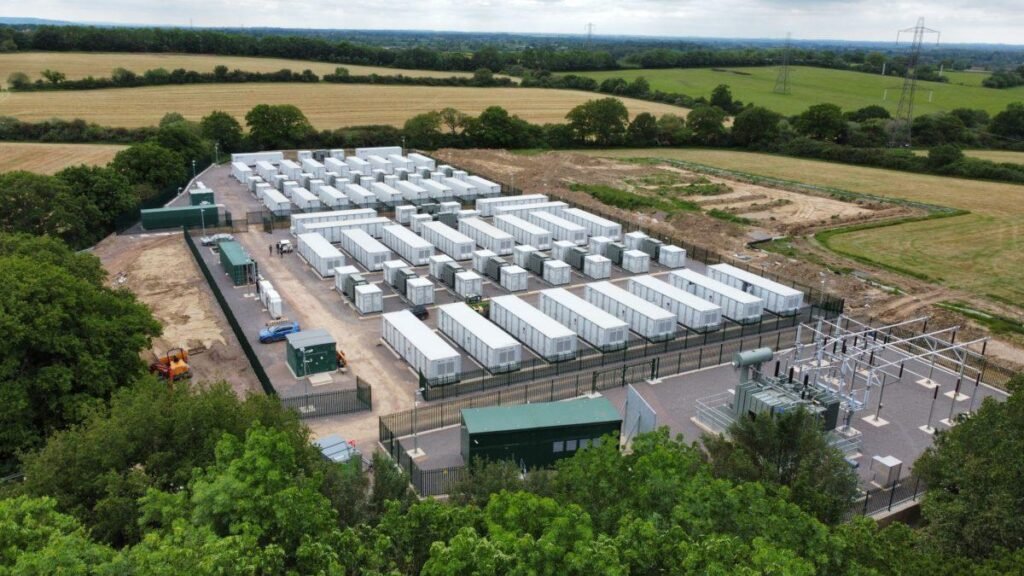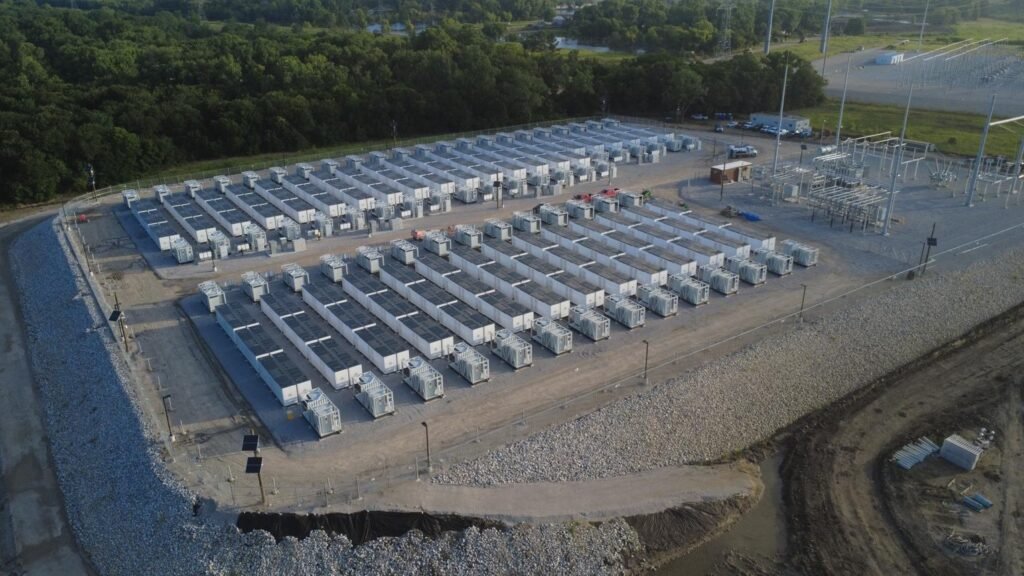
Battery Energy Storage Systems (BESS) are becoming a critical component of the UK’s energy infrastructure. As more renewable energy projects come online, battery storage sites help balance electricity supply and demand, store excess renewable generation and support grid stability.
However, these facilities are increasingly dependent on digital technologies, remote monitoring systems and internet-connected operational networks. While these technologies improve efficiency and performance, they also create cyber security risks that cannot be ignored.
The simple answer is yes. Battery storage sites are vulnerable to cyber threats, and the risks are becoming more significant as battery installations grow larger and more interconnected.
Why Battery Storage Sites Are Attractive Targets
Critical Infrastructure Importance
Large-scale battery storage facilities are now considered an essential part of modern electricity networks. They help manage fluctuations in renewable generation, support grid frequency control and provide backup capacity during periods of high demand.
Because of their role in maintaining grid stability, battery sites can become attractive targets for cyber criminals, ransomware groups and even hostile nation-state actors.
Attackers often focus on critical infrastructure because disruption can have wider economic and operational consequences.
See our Solar & Battery Cyber Security Checker Tool
How Modern Battery Storage Sites Operate
More Than Just Batteries
A battery storage site consists of far more than rows of batteries.
Modern facilities typically include:
- Battery Management Systems (BMS)
- Energy Management Systems (EMS)
- Supervisory Control and Data Acquisition (SCADA) platforms
- Remote monitoring systems
- Cloud-based analytics software
- Industrial control systems
- Grid communication equipment
These systems constantly exchange data with operators, grid managers and maintenance teams.
The greater the connectivity, the larger the potential attack surface.
Common Cyber Threats Facing Battery Storage Facilities
Ransomware Attacks
Ransomware remains one of the most significant cyber threats affecting energy infrastructure worldwide.
Attackers may attempt to:
- Encrypt operational systems
- Lock staff out of management platforms
- Disable monitoring tools
- Disrupt energy trading activities
Even if batteries themselves remain operational, the loss of visibility and control can force operators to shut down facilities temporarily.

- Installs in circuit panel of most small businesses with clamp-on sensors. Supports Single phase, Single-split phase, and…
- 24/7 Energy Management and Monitoring: Automate and monitor your business’ real power anywhere, anytime to prevent costl…
- Lower Your Electric Bill: Configure settings in the Emporia Energy App to automate energy management for time of use, pe…
Remote Access Exploitation
Many battery sites allow engineers and vendors to access systems remotely.
If these remote access services are poorly secured, attackers may gain entry through:
- Weak passwords
- Stolen credentials
- Unpatched software
- Misconfigured remote access gateways
This type of intrusion has been responsible for numerous industrial cyber incidents globally.

Operational Technology Risks
Attacks On Control Systems
Battery storage sites rely heavily on Operational Technology (OT).
Unlike conventional IT systems, OT directly controls physical equipment.
An attacker targeting operational technology could attempt to manipulate:
- Charging schedules
- Discharge rates
- Power output levels
- Voltage settings
- Grid response functions
Such interference could reduce efficiency, damage equipment or affect grid balancing operations.
Readers interested in broader renewable infrastructure risks may also find Can Wind Farms Be Hacked? and Could Hackers Disrupt Offshore Wind Farms? useful.
Supply Chain Vulnerabilities
Third-Party Access Risks
Battery storage operators often depend on multiple suppliers and contractors.
These can include:
- Battery manufacturers
- Software developers
- Maintenance providers
- Monitoring platform vendors
- Cloud service providers
If one supplier suffers a cyber breach, attackers may gain access to multiple battery sites through trusted connections.
Supply chain attacks have become one of the fastest-growing cyber risks across the energy sector.
Could A Cyber Attack Cause Physical Damage?
Potential Consequences
Most modern battery systems contain multiple safety controls designed to prevent dangerous conditions.
However, cyber attacks could still contribute to:
- Operational shutdowns
- Battery degradation
- Reduced lifespan
- Equipment damage
- Grid instability
- Significant financial losses
In severe scenarios, compromised control systems could interfere with safety mechanisms or emergency responses.
While safety layers make catastrophic incidents unlikely, the risk cannot be completely eliminated.

Real-World Lessons From The Energy Sector
Previous Infrastructure Attacks
Although publicly known attacks specifically targeting battery storage sites remain relatively uncommon, other energy infrastructure has been successfully targeted.
Examples include:
- The Colonial Pipeline ransomware attack
- Cyber attacks against Ukraine’s electricity grid
- Multiple utility-sector ransomware incidents across Europe and North America
These events demonstrate that energy infrastructure remains a high-priority target for cyber criminals.
Battery storage operators are learning from these incidents and strengthening their defences accordingly.

- Back-UPS BX provides guaranteed power and surge protection for desktop computers, wireless networks, gaming consoles and…
- 700 VA/390 Watts – Automatic Voltage Regulation (AVR)
- PowerShute shutdown software – USB Connector
How Operators Protect Battery Storage Sites
Layered Security Controls
Modern operators use multiple security measures to reduce risk.
Common protections include:
- Network segmentation
- Multi-factor authentication
- Continuous monitoring
- Security Operations Centres (SOCs)
- Threat intelligence feeds
- Intrusion detection systems
- Strict access controls
Security teams aim to prevent attackers from moving between business networks and operational systems.
Zero Trust Security
Many organisations are adopting Zero Trust security principles.
This approach assumes no user or device should be trusted automatically.
Every access request must be verified, monitored and restricted to the minimum permissions required.
Readers looking for a deeper understanding of renewable energy security should also explore What Cyber Security Protections Do Renewable Energy Projects Use?

Regulatory Expectations In The UK
Increasing Government Focus
As battery storage becomes more important to national energy resilience, cyber security expectations are increasing.
Operators may need to align with guidance from:
- The National Cyber Security Centre (NCSC)
- Network and Information Systems Regulations
- IEC 62443 industrial cyber security standards
- National infrastructure security frameworks
Future regulation is likely to place even greater emphasis on protecting battery storage assets from cyber threats.
Battery Storage And Renewable Energy Security
Battery storage rarely operates in isolation.
Many facilities are connected to:
- Solar farms
- Wind farms
- Smart grids
- Electricity distribution networks
This means cyber risks can potentially spread across interconnected systems.
For a broader understanding of these challenges, readers may also find Are Solar Farms Vulnerable To Cyber Attacks?helpful.
The Future Cyber Security Challenge
More Connected Assets Mean More Risk
The UK battery storage market is expanding rapidly as renewable energy generation increases.
New sites are being connected to cloud platforms, advanced analytics systems and automated grid services.
While these technologies improve efficiency, they also increase the number of potential entry points available to attackers.
Cyber security will become increasingly important as battery storage plays a larger role in supporting Britain’s electricity network.

Conclusion
Battery storage sites are vulnerable to cyber threats because they depend on complex networks of connected operational technology, remote management systems and digital infrastructure. Threats range from ransomware and supply chain compromises to sophisticated attacks targeting industrial control systems.
Fortunately, operators are investing heavily in cyber resilience, security monitoring and industrial cyber defences. However, as battery storage capacity expands across the UK, the cyber threat landscape will continue to evolve.
This growing challenge highlights exactly Why Is Cyber Security Important For Renewable Energy? As Britain’s energy system becomes smarter, more connected and increasingly dependent on digital technologies, cyber security is becoming just as important as physical security in protecting the nation’s energy future.
Further Reading: PowerGuardian.co.uk is a UK energy intelligence platform covering energy prices, supplier analysis, market forecasts and industry news.