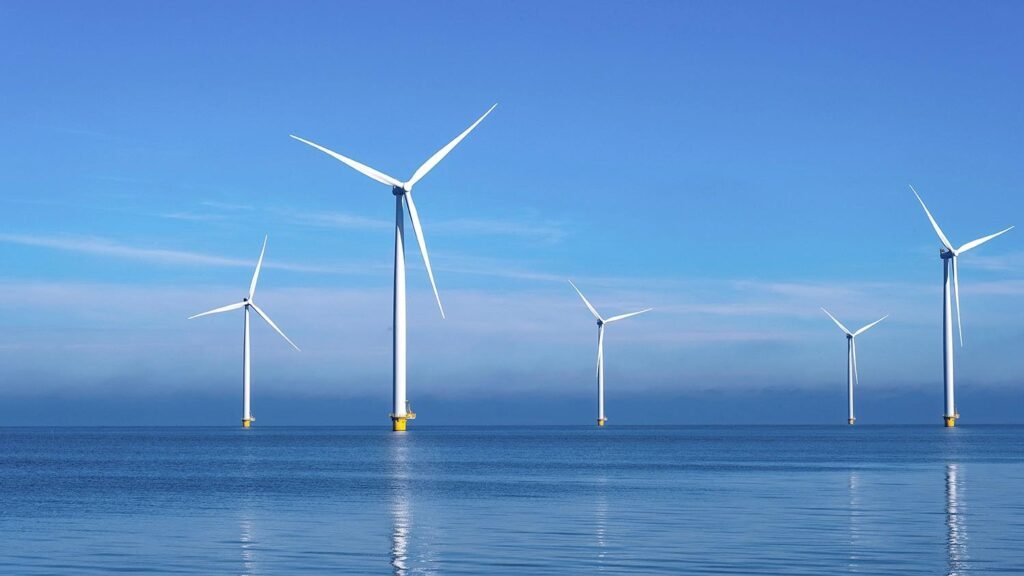
Offshore wind farms have become one of the most important parts of the UK’s energy infrastructure. Vast arrays of turbines located miles from shore now generate a significant proportion of Britain’s electricity, helping reduce reliance on fossil fuels and supporting the UK’s net-zero ambitions.
However, as offshore wind farms become increasingly digital, automated and connected, they also become potential targets for cyber criminals, hostile states and sophisticated threat actors.
The short answer is yes. Hackers could disrupt offshore wind farms. While physically taking control of hundreds of turbines remains extremely difficult, cyber attacks could interfere with operations, monitoring systems, communications networks and power generation processes.
Readers interested in the broader risks facing renewable energy infrastructure may also find Can Wind Farms Be Hacked? useful.

Why Offshore Wind Farms Are Attractive Targets
Offshore wind farms are classed as critical national infrastructure because they contribute directly to electricity generation and grid stability.
Disrupting a major offshore wind installation could potentially:
- Reduce electricity generation
- Increase energy market volatility
- Create operational safety risks
- Damage equipment
- Interrupt communications
- Affect grid balancing operations
- Undermine public confidence in renewable energy
Unlike traditional power stations, offshore wind farms rely heavily on remote management systems, making cyber security a key operational concern.
How Offshore Wind Farms Operate
Highly Connected Systems
Modern offshore wind farms are controlled through a combination of:
- SCADA systems
- Industrial control systems (ICS)
- Remote monitoring platforms
- Satellite communications
- Fibre-optic networks
- Grid connection systems
- Predictive maintenance software
These technologies allow operators to manage hundreds of turbines from control centres located onshore.
The efficiency benefits are enormous. Unfortunately, so is the attack surface. Humanity’s favourite hobby appears to be connecting everything to the internet and then acting surprised when security becomes important.
Related Resource: Cyber threats increasingly affect the energy sector. For broader coverage of UK energy markets, pricing and industry developments, visit PowerGuardian.co.uk.
What Could Hackers Target?
Turbine Control Systems
Individual turbines contain computers responsible for:
- Blade pitch adjustment
- Rotor speed control
- Braking systems
- Power output regulation
- Fault monitoring
A successful intrusion could potentially force turbines into safe shutdown modes or trigger operational faults.
Most modern turbines include multiple layers of safety systems designed to prevent dangerous commands from causing physical damage.

- SECURITY KEY: Protect your online accounts against unauthorized access by using 2 factor authentication with the Yubico …
- FIDO: The Yubico Security Key NFC is FIDO certified and works with Google Chrome and any FIDO-compliant application on W…
- FITS USB-A PORTS: Once registered, each service will request you to insert the Yubico PC Security Key into a USB-A port …
Offshore Substations
Offshore substations collect electricity generated by turbines and transmit it to shore.
These facilities contain:
- Power converters
- Protection relays
- Grid management equipment
- Communications systems
Compromising these systems could interrupt electricity transmission even if the turbines themselves remain operational.
Communications Networks
Wind farms depend on constant communication between:
- Turbines
- Offshore substations
- Maintenance vessels
- Onshore control centres
- National Grid operators
Attacks against communications infrastructure could prevent operators from monitoring or managing equipment effectively.
Could Hackers Shut Down An Entire Offshore Wind Farm?
Theoretical Possibility
In theory, a sophisticated attacker could cause significant disruption by targeting central control systems.
Potential outcomes might include:
- Turbine shutdowns
- Monitoring failures
- Communication outages
- Delayed maintenance responses
- Reduced electricity output
However, shutting down an entire offshore wind farm is considerably more difficult than many headlines suggest.
Most large wind farms contain multiple layers of redundancy and fail-safe mechanisms specifically designed to prevent single points of failure.
Readers interested in wider energy security concerns should also read Could A Cyber Attack Cause UK Blackouts?

Real-World Cyber Incidents In Renewable Energy
German Wind Energy Attack
In 2022, a satellite communications disruption linked to the conflict in Ukraine affected thousands of wind turbines across Germany.
The turbines themselves were not hacked directly.
Instead, communications networks used for remote management were disrupted, preventing operators from accessing systems remotely.
This incident demonstrated how indirect attacks can still affect renewable energy infrastructure.
Supply Chain Attacks
Energy operators increasingly depend on third-party software and equipment suppliers.
Attackers may target:
- Software vendors
- Maintenance contractors
- Cloud platforms
- Communications providers
Rather than attacking the wind farm directly, criminals often look for weaker partners within the supply chain.
Nation-State Threats
Strategic Infrastructure Targeting
Security agencies across Europe increasingly recognise that energy infrastructure could become a target during periods of geopolitical tension.
State-sponsored attackers often possess:
- Significant funding
- Advanced technical capabilities
- Long-term access strategies
- Intelligence gathering resources
Their objectives may include espionage, disruption or strategic pressure rather than financial gain.
This is one reason why What Are The Biggest Cyber Security Threats To UK Infrastructure? has become an increasingly important question for policymakers.
How Operators Protect Offshore Wind Farms
Network Segmentation
Critical operational technology systems are separated from corporate IT networks wherever possible.
This helps prevent attackers moving freely between systems.
Continuous Monitoring
Security teams monitor:
- Unusual network activity
- Unauthorised access attempts
- Configuration changes
- Suspicious communications
Many operators run dedicated security operations centres around the clock.
Access Controls
Strict controls limit who can access:
- Turbine management systems
- SCADA environments
- Remote maintenance platforms
Multi-factor authentication is increasingly standard across the sector.

- Custom three-capsule array: This professional microphone produces clear, powerful, broadcast-quality sound for YouTube v…
- Blue VO!CE software: Elevate your streamings and recordings with clear broadcast vocal sound and entertain your audience…
- Four pickup patterns: Flexible cardioid, omni, bidirectional, and stereo pickup patterns allow you to record in ways tha…
Security Testing
Regular assessments include:
- Penetration testing
- Vulnerability scanning
- Incident response exercises
- Supplier audits
Many of the protections discussed in What Cyber Security Protections Do Renewable Energy Projects Use? are now standard practice across large UK renewable projects.
Could Offshore Wind Attacks Affect UK Electricity Supplies?
Localised Disruption Is More Likely
A cyber attack against a single offshore wind farm would probably have limited impact on the UK’s overall electricity supply.
The national grid is designed with resilience and redundancy in mind.
However, simultaneous attacks against multiple sites or supporting infrastructure could create more significant challenges.
This is why energy companies, regulators and government agencies invest heavily in cyber resilience programmes.
Future Risks
Increasing Digitalisation
Offshore wind farms are becoming more connected every year.
Emerging technologies include:
- AI-driven maintenance systems
- Autonomous inspection drones
- Digital twins
- Cloud-based analytics
- Advanced remote operations
These innovations improve efficiency but also create additional cyber security considerations.
The same trend is visible across renewable energy, as explored in Are Solar Farms Vulnerable To Cyber Attacks?
Final Thoughts
Hackers could disrupt offshore wind farms, but causing widespread physical damage or long-term shutdowns would be extremely difficult.
The more realistic threat involves attacks against communications systems, operational technology networks, software suppliers or monitoring platforms that temporarily reduce efficiency or interrupt operations.
As offshore wind becomes an increasingly important part of the UK’s energy mix, cyber security will remain a critical component of keeping turbines spinning and electricity flowing.
The turbines may be standing in the North Sea, battered by storms and saltwater, but increasingly their biggest vulnerabilities are not the waves below them. They’re the computers quietly managing everything from miles away, which is a very modern sentence that would have sounded ridiculous twenty years ago.