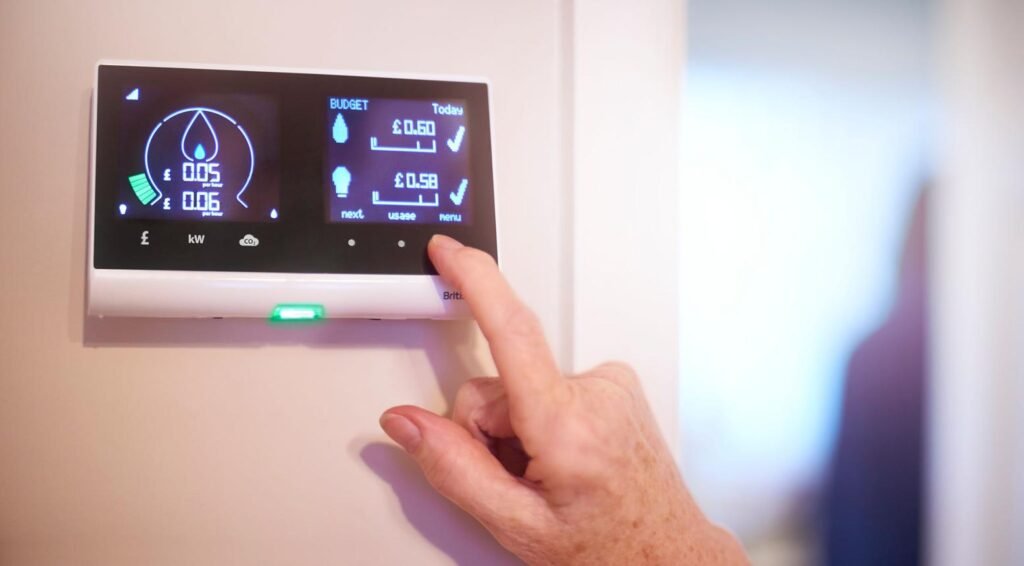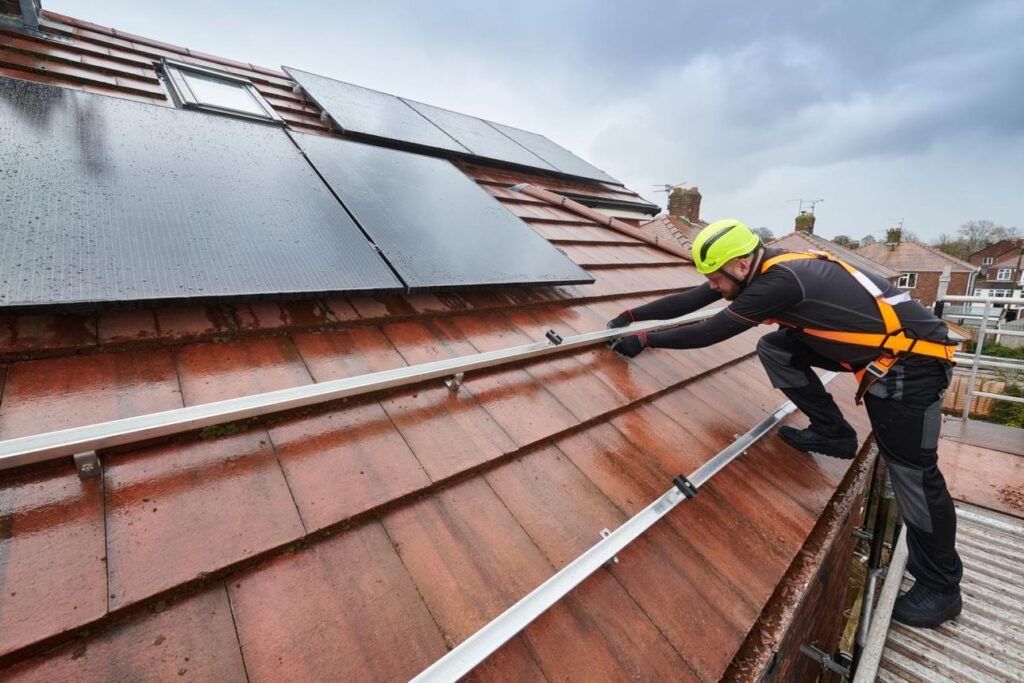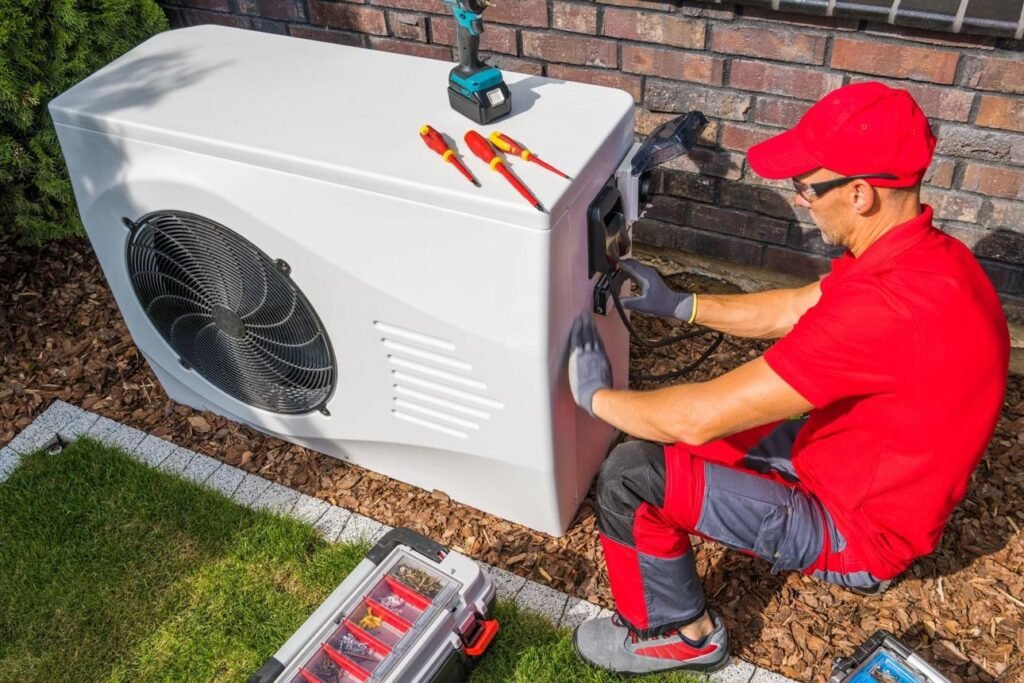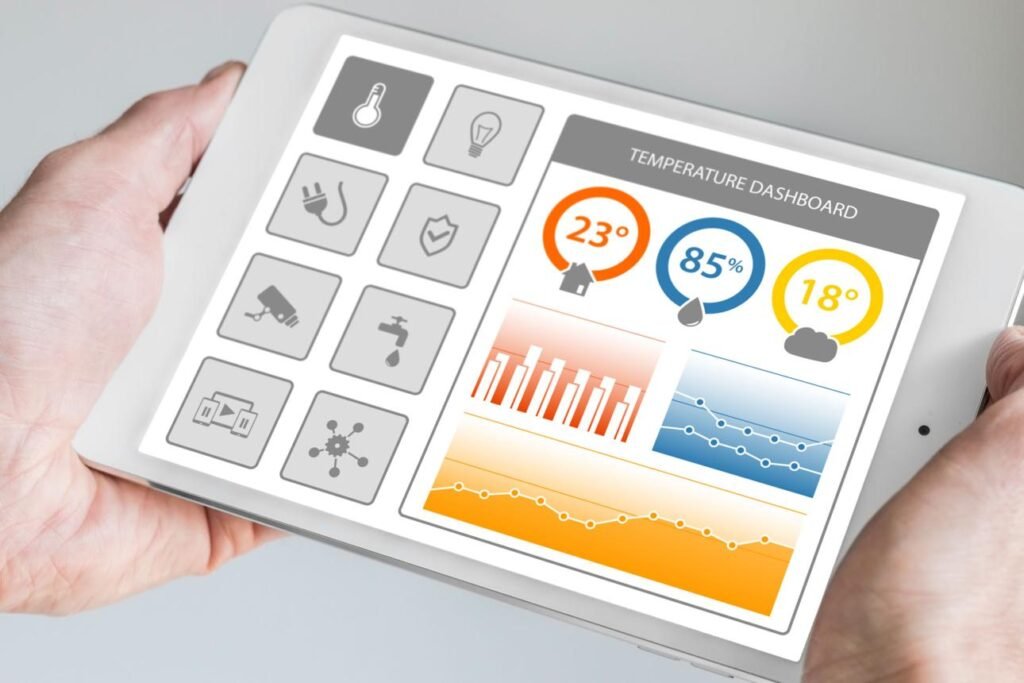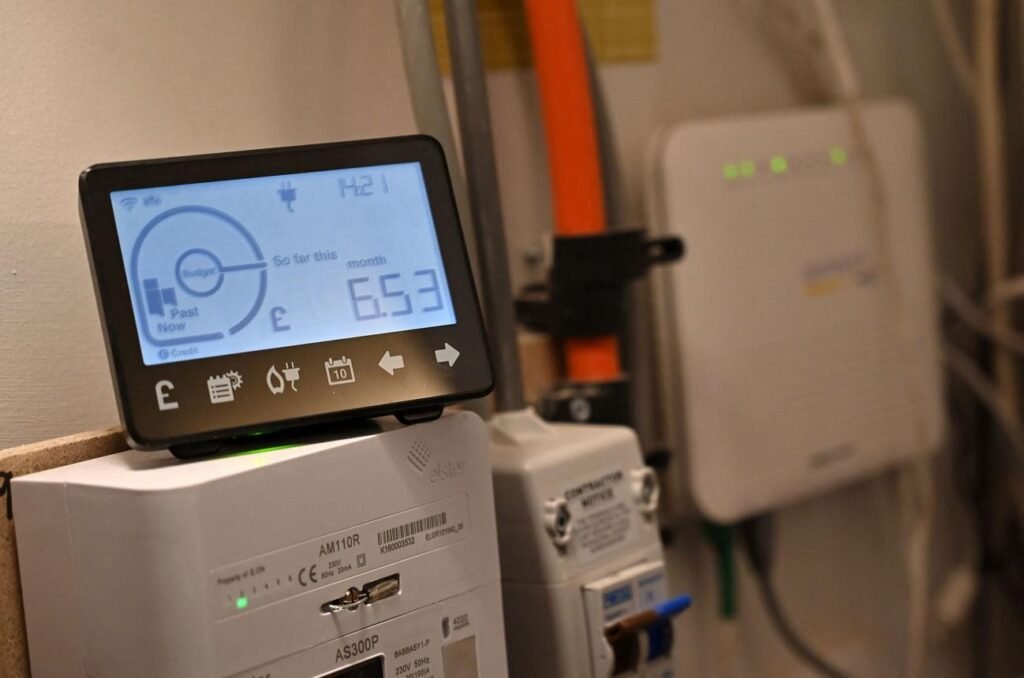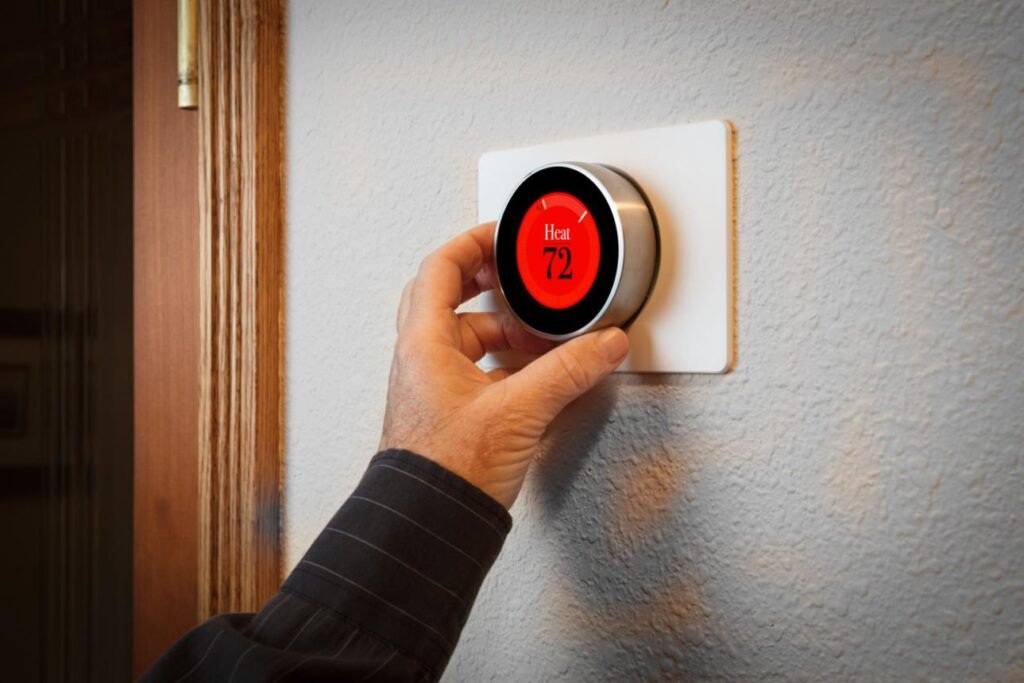
Smart energy systems are becoming increasingly common in UK homes. Smart meters, connected thermostats, EV chargers, solar panel monitoring systems, battery storage units and energy management apps all promise lower bills and greater convenience.
Unfortunately, anything connected to the internet can become a target for cyber criminals. While the UK’s energy infrastructure includes significant security protections, many risks emerge inside the home itself. Weak passwords, outdated software and insecure Wi-Fi networks can create opportunities for attackers.
The good news is that homeowners can dramatically reduce their risk by following a few practical security measures.
Why Smart Energy Systems Need Protection
Smart energy devices constantly communicate with suppliers, cloud services and mobile applications. This connectivity creates convenience but also expands the potential attack surface.
Devices commonly found in UK homes include:
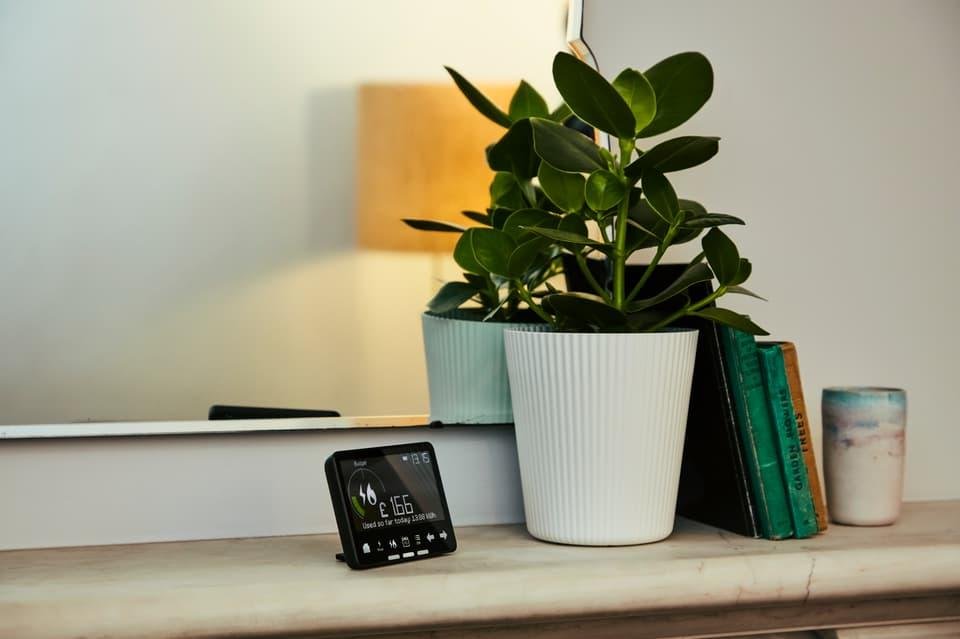
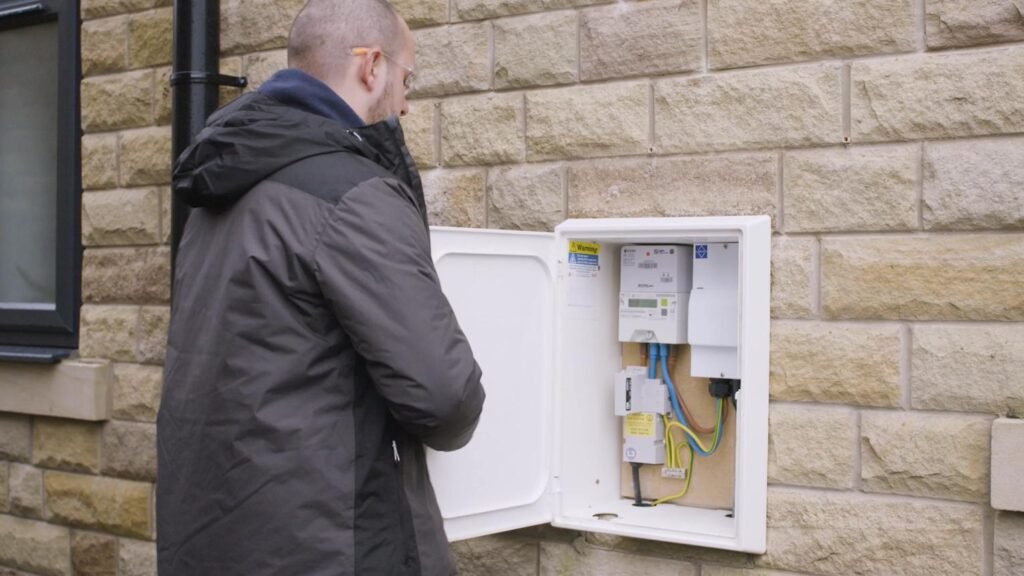
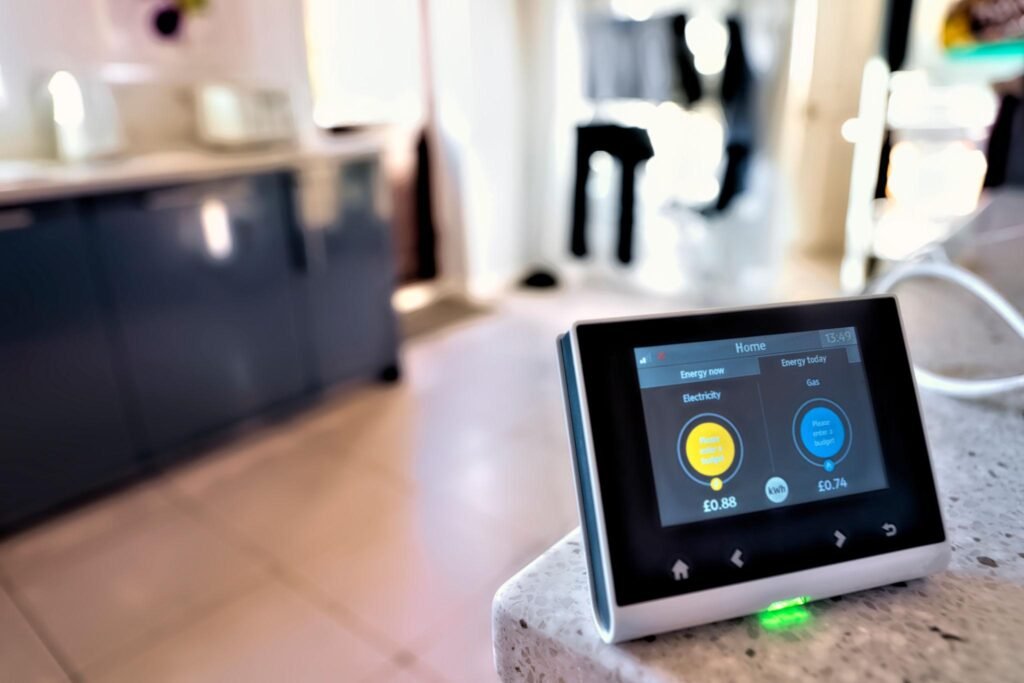
- Smart meters
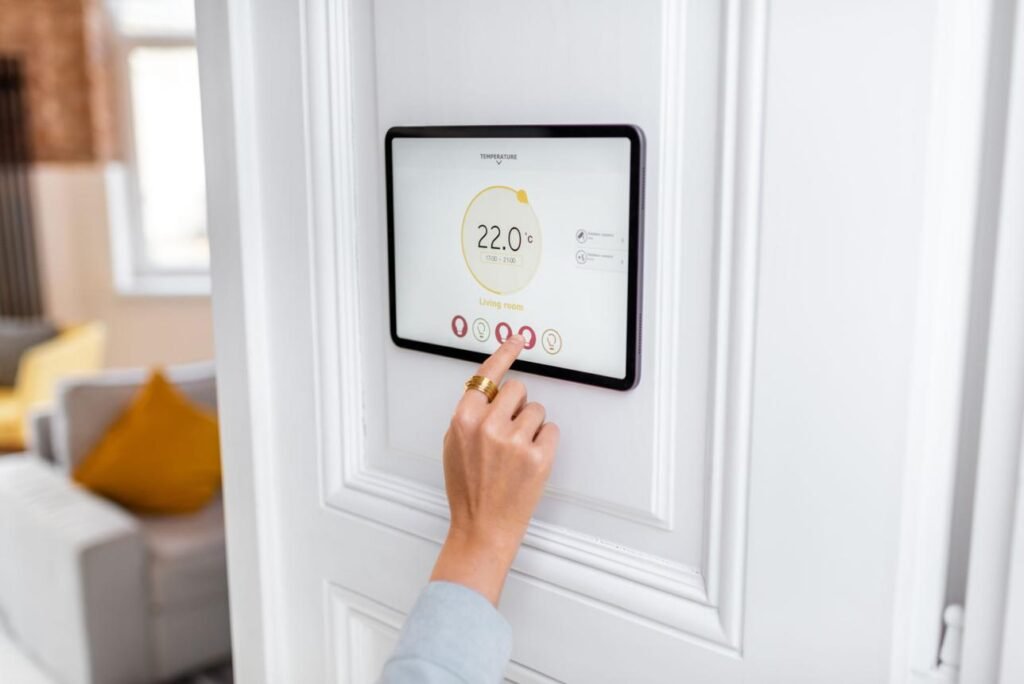
- Smart thermostats
- Solar panel monitoring systems
- Home battery storage systems
- EV charging points
- Smart plugs and energy monitors
- Home energy management platforms
Each connected device becomes another entry point that attackers may attempt to exploit.
Readers interested in device compromise risks should also read Can Hackers Access Smart Home Energy Devices?
Secure Your Home Wi-Fi Network First
Your Router Is The Front Door
Most smart energy devices rely on your home internet connection. If attackers gain access to your router, they may be able to monitor or interfere with connected devices.
Homeowners should:
- Change default router passwords immediately
- Use strong unique passwords
- Enable WPA3 encryption where available
- Disable unnecessary remote administration features
- Keep router firmware updated
Many cyber attacks succeed not because devices are insecure but because the network protecting them is weak.

- Installs in circuit panel of most small businesses with clamp-on sensors. Supports Single phase, Single-split phase, and…
- 24/7 Energy Management and Monitoring: Automate and monitor your business’ real power anywhere, anytime to prevent costl…
- Lower Your Electric Bill: Configure settings in the Emporia Energy App to automate energy management for time of use, pe…
Separate Smart Devices From Personal Devices
Many modern routers allow users to create guest networks.
Placing smart energy devices on a separate network can help prevent attackers from moving between devices if one becomes compromised.
This approach is particularly useful for homes with:
- EV chargers
- Smart thermostats
- Solar monitoring systems
- Smart appliances
Use Strong Passwords For Every Energy Device
One of the most common mistakes homeowners make is reusing passwords.
Attackers frequently use stolen credentials from previous data breaches to gain access to connected devices.
Good password practices include:
- Using a unique password for every account
- Enabling password managers
- Avoiding personal information
- Using long passphrases rather than short passwords
A compromised energy management account could reveal significant information about household behaviour and occupancy patterns.
Enable Multi-Factor Authentication
One Of The Most Effective Security Measures
If available, multi-factor authentication (MFA) should always be enabled.
MFA requires a second form of verification beyond a password, such as:
- Authentication apps
- Text messages
- Security keys
Even if criminals obtain login credentials, MFA can often prevent unauthorised access.
Keep Software Updated
Updates Often Fix Security Vulnerabilities
Manufacturers regularly release software updates that patch newly discovered weaknesses.
Ignoring updates leaves devices exposed to vulnerabilities that may already be known to attackers.
Homeowners should:
- Enable automatic updates where possible
- Check apps regularly for updates
- Review manufacturer security notices
- Replace unsupported devices
Many large-scale cyber incidents exploit vulnerabilities that were patched months or even years earlier.
Use our Smart Meter Security Checker – Quickly check how secure your UK smart meter setup is — supplier app, in-home display, passwords and shared household access.
Protect Smart Thermostats

Smart thermostats often connect to cloud services and mobile applications.
Potential risks include:
- Unauthorised remote control
- Data collection
- Occupancy monitoring
- Account compromise
To improve security:
- Use strong account passwords
- Enable MFA
- Remove unused users
- Review privacy settings regularly
For more detail, homeowners should read Are Smart Thermostats Vulnerable To Hackers?
- Custom three-capsule array: This professional microphone produces clear, powerful, broadcast-quality sound for YouTube v…
- Blue VO!CE software: Elevate your streamings and recordings with clear broadcast vocal sound and entertain your audience…
- Four pickup patterns: Flexible cardioid, omni, bidirectional, and stereo pickup patterns allow you to record in ways tha…
Protect Smart Meters
Understanding The Real Risk
Smart meters receive significant media attention regarding cyber security.
In reality, UK smart meters operate within a dedicated communications infrastructure that includes multiple layers of protection.
However, homeowners should still:
- Monitor supplier communications
- Report unusual activity
- Protect associated online accounts
- Be cautious of phishing emails claiming to be from energy providers
Readers interested in the technical protections behind the national system should see How Secure Is The UK’s Smart Meter Network?
Those wanting a detailed breakdown of realistic attack scenarios should also read Can Smart Meters Be Hacked?
Secure EV Chargers And Home Batteries
As electric vehicles become more common, home charging systems increasingly connect to mobile apps and cloud platforms.
Security recommendations include:
- Updating charger firmware
- Securing associated apps
- Using strong passwords
- Restricting remote access where unnecessary
- Monitoring account activity
Battery storage systems often share similar security requirements.
While cyber attacks against individual residential systems remain relatively uncommon, connected energy infrastructure is attracting growing attention from researchers and attackers alike.
Related Resource: Cyber threats increasingly affect the energy sector. For broader coverage of UK energy markets, pricing and industry developments, visit PowerGuardian.co.uk.
Watch For Phishing And Social Engineering
Humans Remain The Weakest Link
Many cyber incidents begin with deception rather than technical hacking.
Common scams include:
- Fake energy supplier emails
- Bogus smart meter upgrade offers
- Fraudulent account verification requests
- Fake energy rebate schemes
Homeowners should:
- Verify requests directly with suppliers
- Avoid clicking unexpected links
- Check email addresses carefully
- Never share passwords
Cyber criminals often find it easier to trick people than defeat security technology.
Understand What Data Your Devices Collect

Many smart energy systems collect information such as:
- Energy consumption patterns
- Device usage schedules
- Occupancy indicators
- Location information
- User account details
Reviewing privacy settings can reduce unnecessary data sharing.
Homeowners concerned about privacy should read What Personal Data Do Smart Energy Devices Collect?
Create A Home Cyber Security Checklist
Practical Actions Every Homeowner Should Take
A simple checklist includes:
- Change default passwords
- Enable multi-factor authentication
- Update firmware regularly
- Secure Wi-Fi networks
- Use separate networks for smart devices
- Monitor accounts for suspicious activity
- Review privacy settings
- Replace unsupported devices
- Be alert to phishing attempts
- Back up important configuration settings
These basic steps eliminate many of the risks most commonly exploited by attackers.
See the Smart Meter Guide UK at powerguardian.co.uk – Everything you need to know about smart meters, estimated bills, real-time energy usage, Economy 7 tariffs, smart tariffs and potential savings.
Final Thoughts
Smart energy systems can help households reduce energy costs, improve efficiency and support the transition to a more flexible energy network. Yet convenience always comes with responsibility. The average homeowner does not need to become a cyber security expert, despite the internet’s endless ability to convince people that every gadget is one firmware update away from catastrophe.
Most successful attacks exploit simple weaknesses such as poor passwords, outdated software or phishing scams. By securing home networks, keeping devices updated and practising good cyber hygiene, homeowners can significantly reduce the likelihood of becoming a victim while continuing to benefit from modern smart energy technology.