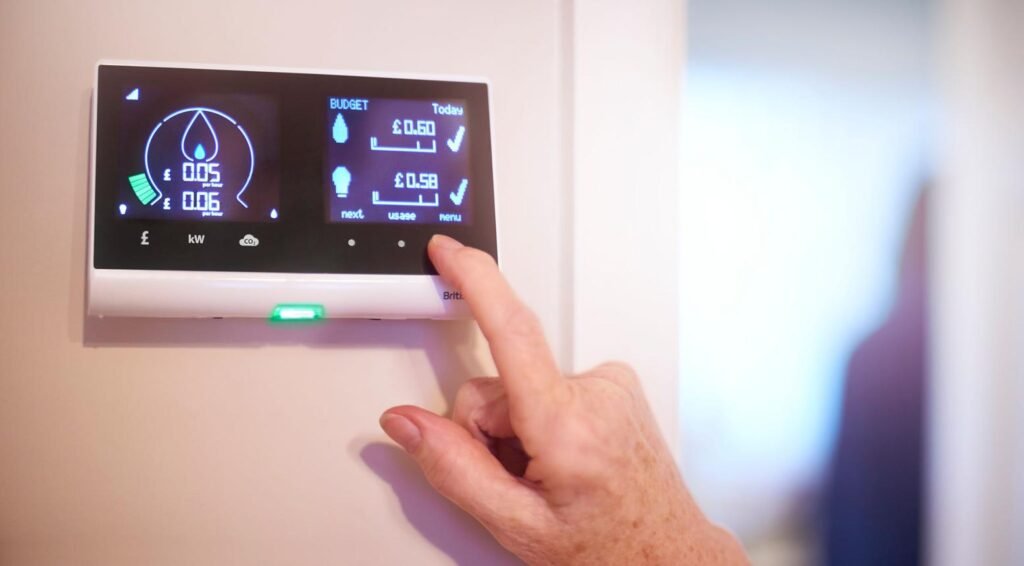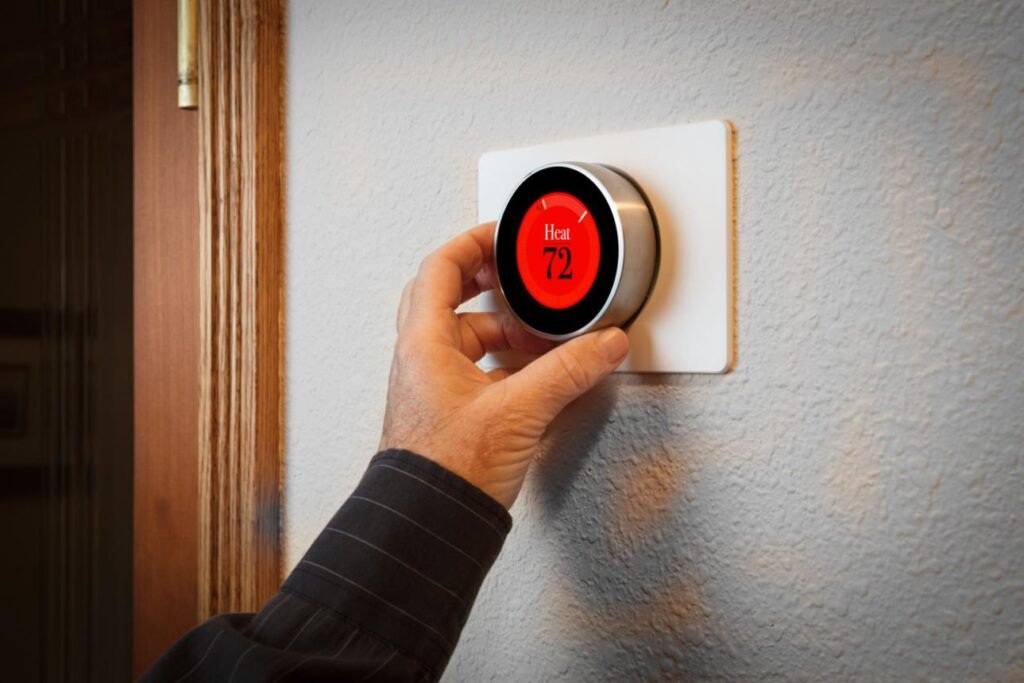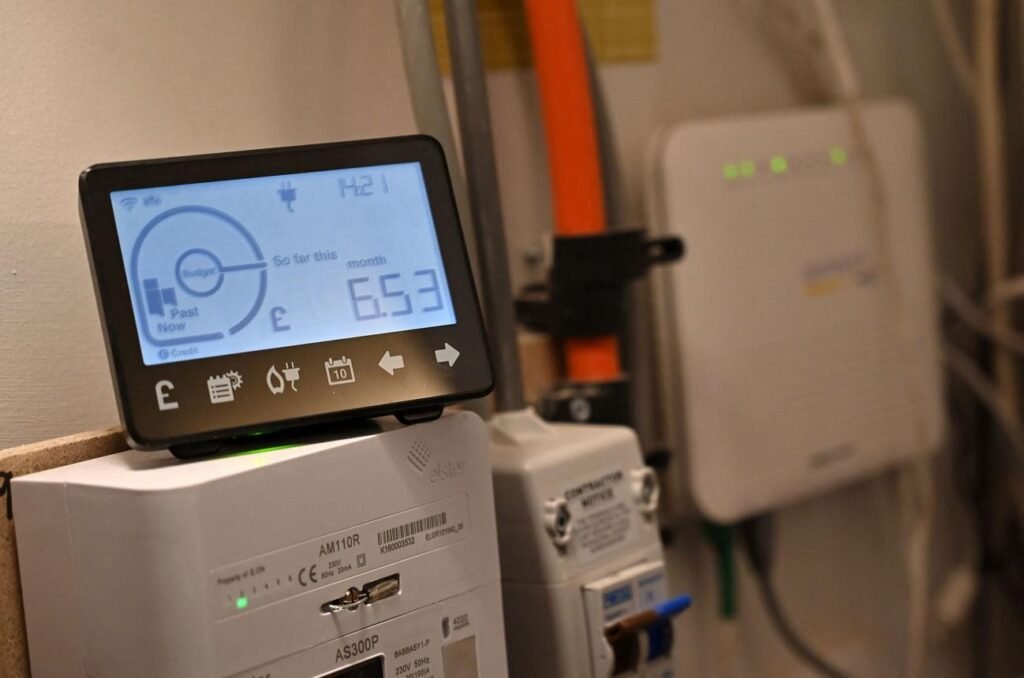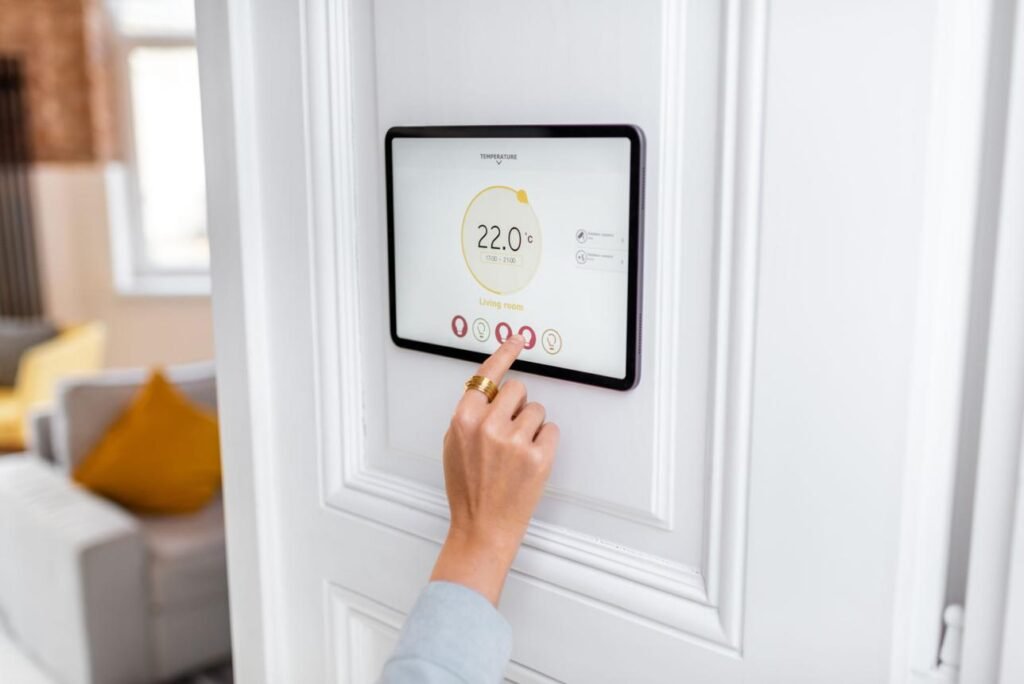
Smart home energy devices have become increasingly common in UK households. Smart meters, smart thermostats, EV chargers, solar monitoring systems, battery storage units and connected heating controls all promise greater convenience and energy efficiency.
Unfortunately, convenience often attracts cyber criminals.
The good news is that most smart home energy devices are not easy targets for hackers. The bad news is that they are not impossible targets either. Like any internet-connected technology, they can contain vulnerabilities that criminals may attempt to exploit.
Understanding the real risks helps separate genuine cyber threats from sensational headlines.

What Are Smart Home Energy Devices?
Common Devices Found In UK Homes
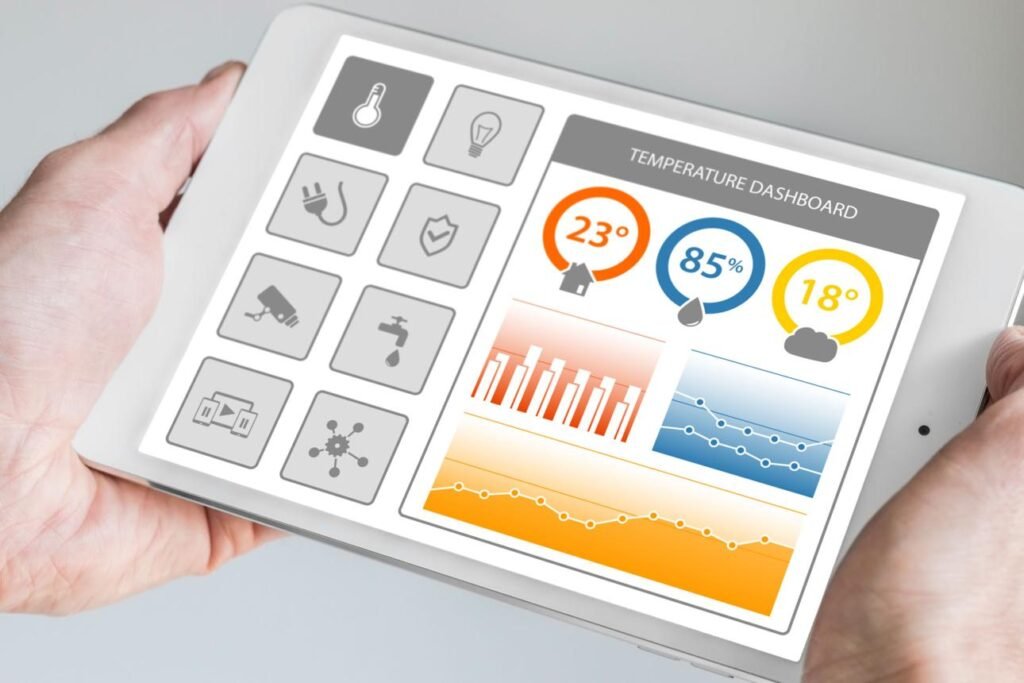
Smart home energy devices include:
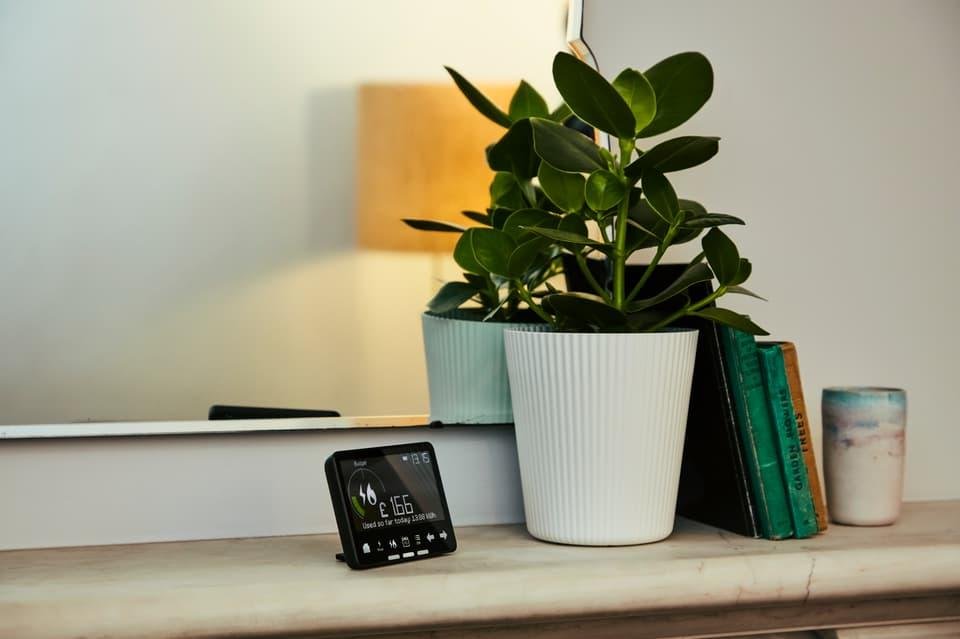
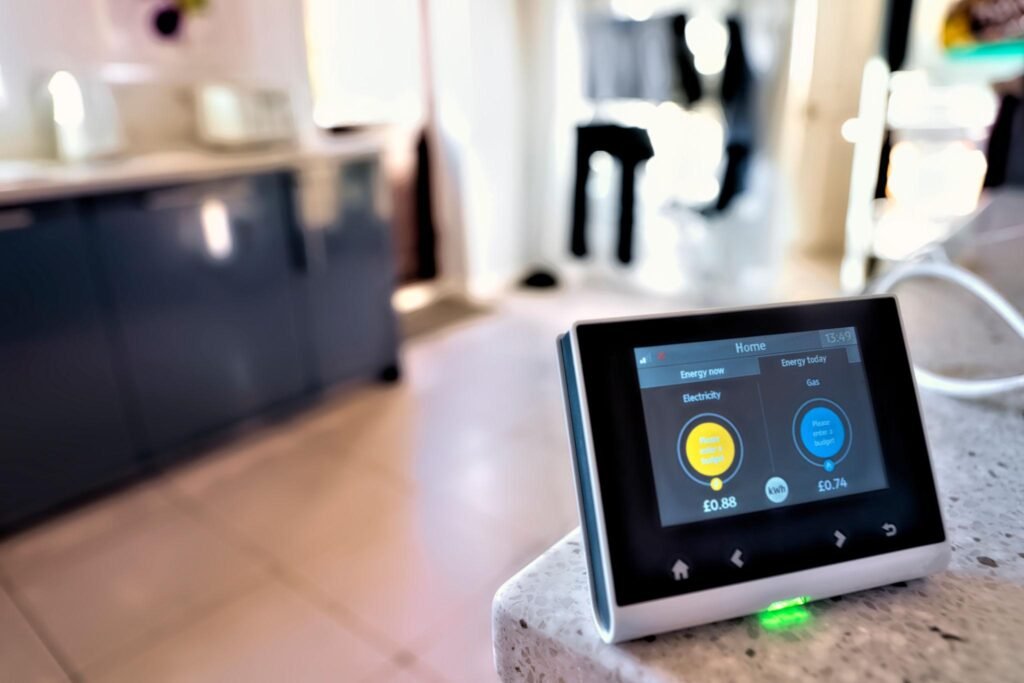
- Smart meters
- Smart thermostats
- EV charging points
- Solar panel monitoring systems
- Home battery storage systems
- Smart plugs
- Smart heating controls
- Home energy management systems
Many communicate through Wi-Fi, mobile networks or dedicated energy communication systems.
Their purpose is simple: help households monitor and manage energy consumption more effectively.
Can Hackers Actually Access These Devices?
The Short Answer
Yes, under certain circumstances.
If a device contains a software vulnerability, uses weak passwords, has outdated firmware or is connected to an insecure home network, it may become a target.
However, accessing a smart energy device is often far more difficult than breaking into a poorly secured laptop, phone or home router.
Cyber criminals generally focus on easier targets that provide direct financial rewards.
What Could A Hacker Do If They Gained Access?
Manipulate Device Settings
The most likely outcome is interference with settings rather than dramatic attacks.
For example, a compromised thermostat could:
- Change temperature schedules
- Increase heating costs
- Switch heating systems on and off
- Reduce household comfort
While annoying, this is usually more disruptive than dangerous.
Use our Smart Meter Security Checker – Quickly check how secure your UK smart meter setup is — supplier app, in-home display, passwords and shared household access.
Access Usage Information
Some devices collect detailed energy consumption data.
Readers interested in privacy concerns should also read Could Hackers Access Smart Meter Data?
Usage patterns could potentially reveal:
- When occupants are at home
- When a property is vacant
- Daily routines
- Appliance usage patterns
This type of information may have value to criminals if combined with other stolen data.
Use Devices As Part Of Larger Attacks
Many cyber attacks involve networks of compromised devices known as botnets.
A vulnerable smart device might be recruited into:
- Distributed Denial of Service (DDoS) attacks
- Spam campaigns
- Wider cyber crime operations
The homeowner may not even realise it is happening.

Are Smart Thermostats Vulnerable?
Real-World Risks
Smart thermostats are among the most common connected energy devices in UK homes.
Potential weaknesses include:
- Weak account passwords
- Outdated firmware
- Unsecured mobile apps
- Poor Wi-Fi security
Researchers have occasionally discovered vulnerabilities in popular smart home products, although manufacturers generally release updates quickly once issues are identified.
Most attacks would require significant effort and provide relatively little reward to criminals.
What About EV Chargers?
Increasingly Attractive Targets
As EV ownership grows, connected chargers are becoming more interesting to cyber researchers.
Modern chargers often connect to:
- Home Wi-Fi
- Manufacturer cloud platforms
- Mobile apps
- Smart tariff systems
Researchers have demonstrated vulnerabilities in some charger models worldwide.
Possible consequences could include:
- Remote switching
- Charging schedule disruption
- Energy monitoring interference
- Access to user account information
Large-scale attacks remain highly unlikely but security remains an active area of concern.
Could Smart Meters Be Hacked?
The UK’s System Is Different
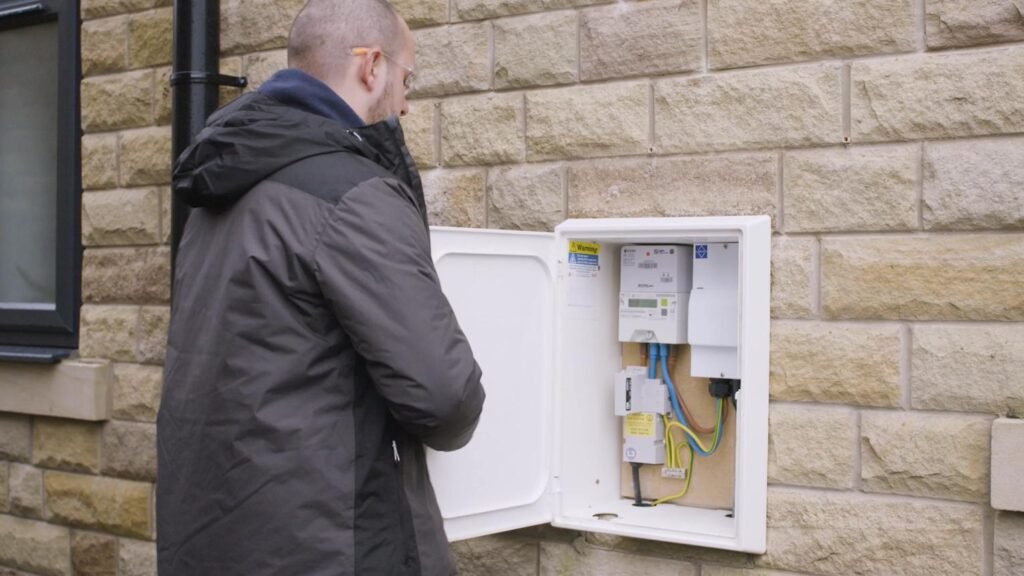
The UK smart meter network is not simply connected directly to the public internet.
Instead, it uses a dedicated communications infrastructure managed through the UK’s Data Communications Company (DCC).
This architecture provides additional security controls that make attacks significantly harder.
For a deeper examination, see Can Smart Meters Be Hacked? and How Secure Is The UK’s Smart Meter Network?
Despite media speculation, there has never been a publicly confirmed cyber attack causing widespread disruption to the UK’s smart meter infrastructure.
See the Smart Meter Guide UK at powerguardian.co.uk – Everything you need to know about smart meters, estimated bills, real-time energy usage, Economy 7 tariffs, smart tariffs and potential savings.
Could Hackers Turn Off Power To Homes?
The Hollywood Version Versus Reality
Films often portray hackers switching off entire neighbourhoods with a few keyboard strokes.
Reality is considerably less dramatic.
Most household smart energy devices cannot directly disconnect electricity supplies.
Even where remote management functions exist, multiple layers of authentication and security controls are typically involved.
Readers interested in this scenario should also see Can Hackers Disconnect Smart Meters Remotely?
How Do Most Smart Home Energy Attacks Happen?
Weak Passwords Remain The Biggest Problem
The majority of successful attacks exploit basic security weaknesses rather than sophisticated hacking techniques.
Common causes include:
- Reused passwords
- Default manufacturer passwords
- Unpatched software
- Weak Wi-Fi security
- Phishing attacks
Human behaviour continues to be one of the biggest cyber security vulnerabilities. An impressive achievement considering the amount of technology available to help people avoid exactly these mistakes.

How Can Homeowners Protect Themselves?
Use Strong Unique Passwords
Every energy-related account should have its own password.
Password managers make this far easier than trying to remember dozens of complex credentials.
Enable Multi-Factor Authentication
Where available, multi-factor authentication adds another layer of protection.
Even if a password is stolen, criminals may still be unable to access the account.
Keep Devices Updated
Manufacturers frequently release security updates.
Installing firmware updates promptly reduces exposure to known vulnerabilities.

- Back-UPS BX provides guaranteed power and surge protection for desktop computers, wireless networks, gaming consoles and…
- 700 VA/390 Watts – Automatic Voltage Regulation (AVR)
- PowerShute shutdown software – USB Connector
Secure Your Home Wi-Fi
A secure home network protects every connected device.
Best practices include:
- WPA3 encryption where available
- Strong router passwords
- Regular router updates
- Disabling unused services
Buy Reputable Products
Established manufacturers generally invest more heavily in cyber security testing and support.
Extremely cheap unknown brands may not receive regular security updates.
What Is The Biggest Risk Today?
Data Privacy Rather Than Catastrophic Hacking
For most UK households, the greatest realistic concern is data exposure rather than a cyber criminal taking control of the home’s energy systems.
Modern devices collect substantial information about household behaviour, energy use and routines.
Protecting accounts, securing home networks and choosing trusted products dramatically reduces risk.
Final Thoughts
Hackers can potentially access smart home energy devices, but the threat is often exaggerated. Most modern devices include multiple security protections, and large-scale attacks against UK households remain rare.
The biggest dangers usually come from weak passwords, poor home network security and neglected software updates rather than highly sophisticated cyber criminals targeting thermostats and smart plugs.
As more homes adopt smart meters, EV chargers, batteries and connected heating systems, cyber security will become an increasingly important part of energy management. Fortunately, a few sensible precautions go a long way towards keeping both your data and your devices secure.