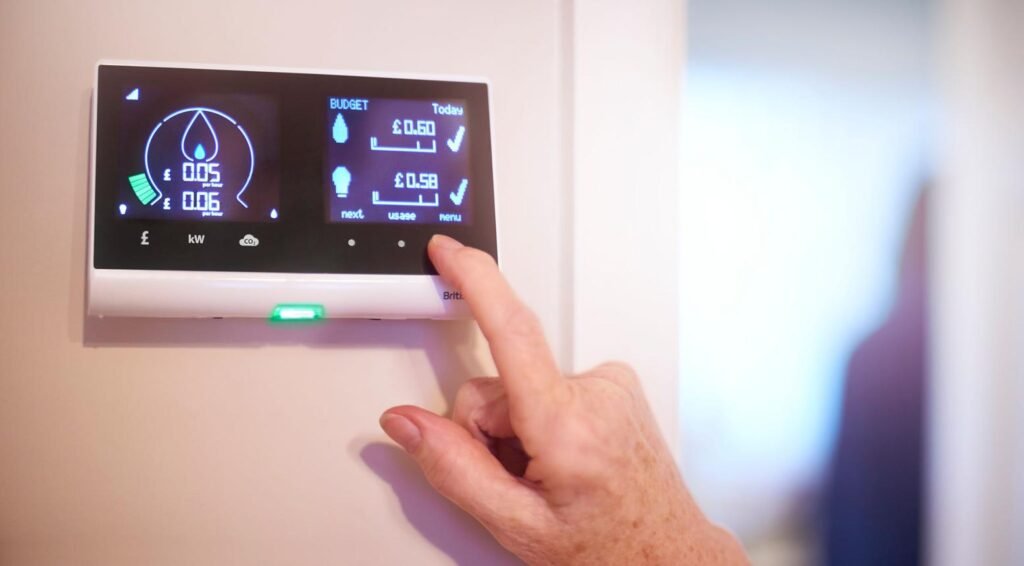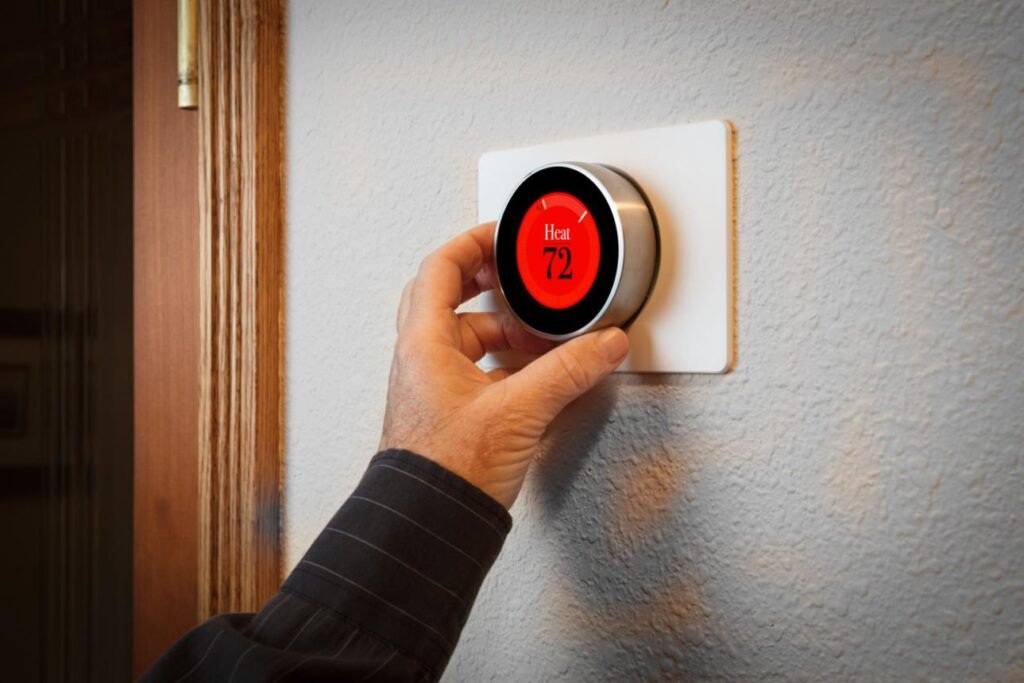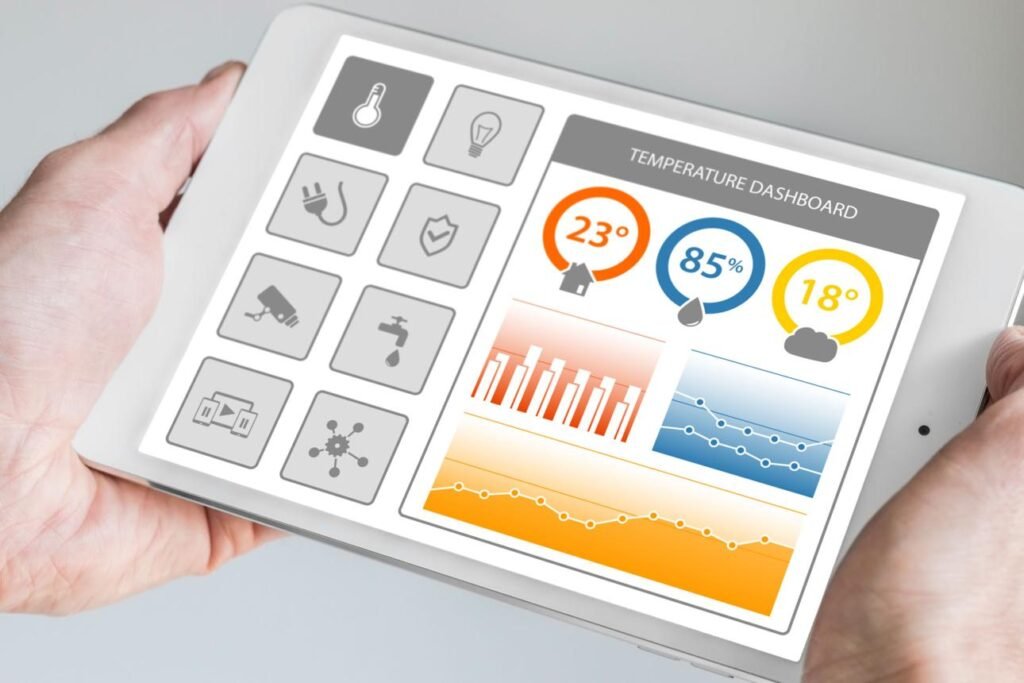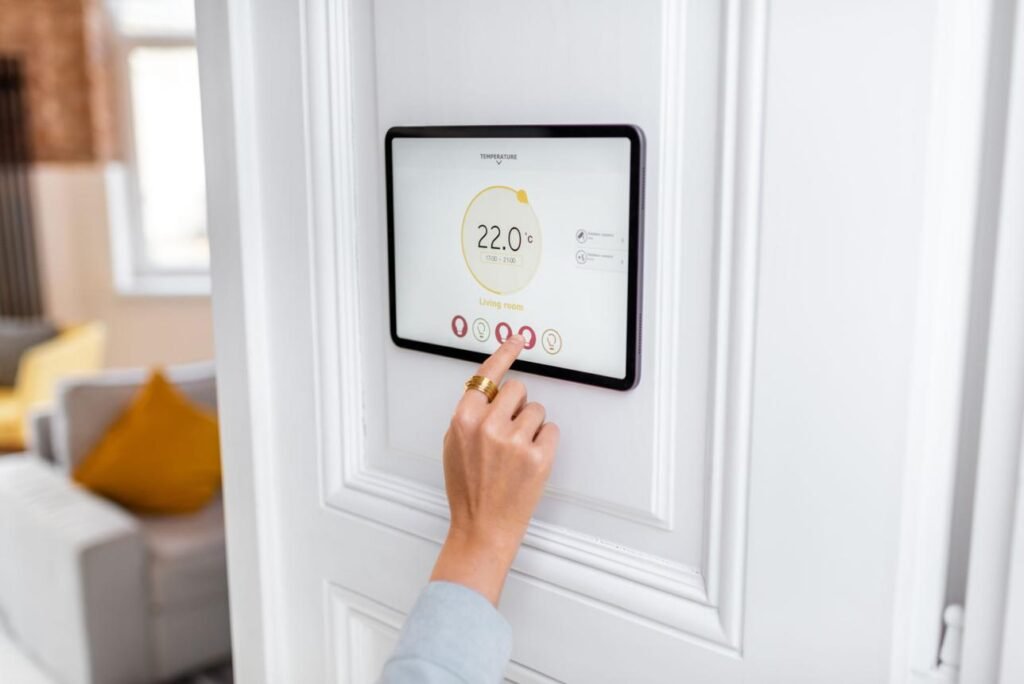
Smart thermostats have become increasingly popular in UK homes, promising lower energy bills, improved comfort and greater control over heating systems. Devices such as Nest, Hive, Tado and Honeywell allow homeowners to adjust temperatures remotely using smartphones, create heating schedules and monitor energy usage in real time.
However, because these devices are connected to the internet, many people ask a sensible question: are smart thermostats vulnerable to hackers?
The short answer is yes, smart thermostats can potentially be hacked. However, the level of risk depends on the device, the security measures in place and how well homeowners protect their home networks.

Why Smart Thermostats Attract Cyber Security Attention
A smart thermostat may seem like an unlikely target for cyber criminals. After all, it controls heating rather than handling bank accounts or sensitive business systems.
The concern comes from the fact that every internet-connected device potentially creates another entry point into a home network.
Many smart thermostats can:
- Connect to Wi-Fi
- Communicate with cloud services
- Store user preferences
- Collect usage data
- Integrate with smart home ecosystems
- Connect to voice assistants
Each connection introduces potential security considerations.
What Could Hackers Actually Do?
The realistic risks are often less dramatic than Hollywood-style hacking scenarios.
Change Heating Settings
The simplest attack would involve gaining access to the thermostat itself.
An attacker could potentially:
- Change temperatures
- Disable heating schedules
- Turn heating on or off
- Increase energy consumption
While inconvenient, this is generally not a catastrophic threat.
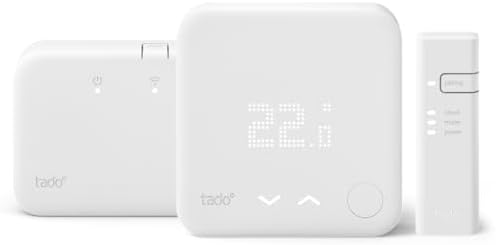
- Full control over your heating with the tado° app from anywhere, reduce your energy consumption and save money with the …
- Heating Boost: heat up all rooms for 30 minutes with one click in the app
- Smart Schedules for the perfect temperature individually in each room, at any time; only active when someone’s home; can…
Gather Household Information
Many consumers concerned about privacy also ask questions similar to Could Hackers Access Smart Meter Data?
Smart thermostats can reveal patterns about when people are home, asleep, away on holiday or at work.
Although reputable manufacturers take significant steps to protect this information, any connected device collecting behavioural data deserves careful consideration.
Access Other Devices
In some cases, attackers are less interested in the thermostat itself and more interested in using it as a stepping stone.
Poorly secured smart devices can sometimes provide access to wider home networks where more valuable targets exist, such as laptops, smartphones or home servers.
Have Smart Thermostats Ever Been Hacked?
Yes.
Security researchers have demonstrated vulnerabilities in various smart home products over the years, including thermostats.

Research Demonstrations
Several security studies have shown how weaknesses in device software, mobile applications or cloud platforms could potentially be exploited.
In most cases, these discoveries were made by ethical researchers who reported the vulnerabilities so manufacturers could fix them.
Weak Password Attacks
One of the most common risks remains poor password security.
If users choose weak passwords or reuse passwords from other websites, attackers may gain access without needing sophisticated hacking techniques.
This is why manufacturers increasingly encourage two-factor authentication.
Which Smart Thermostats Are Most Secure?
The major brands operating in the UK generally invest heavily in cyber security.
These include:
- Google Nest
- Hive
- Tado
- Honeywell Home
- Drayton Wiser
Security features commonly include:
- Encrypted communications
- Secure cloud platforms
- Automatic updates
- Two-factor authentication
- Account monitoring
However, no manufacturer can eliminate risk entirely.
Use our Smart Meter Security Checker – Quickly check how secure your UK smart meter setup is — supplier app, in-home display, passwords and shared household access.
The Importance Of Software Updates
One of the biggest advantages of modern smart thermostats is that manufacturers can release security updates remotely.
Why Updates Matter
Cyber threats constantly evolve.
A device that was secure when purchased may require future updates to address newly discovered vulnerabilities.
Failing to install updates can leave devices exposed unnecessarily.
Smart Thermostats Versus Smart Meters
People often compare thermostats with smart meters because both are connected energy technologies.
The reality is that smart meters and thermostats operate very differently.
Readers who have wondered Can Smart Meters Be Hacked? should understand that smart meters generally operate within dedicated communications infrastructures, whereas thermostats typically rely on ordinary household internet connections.
Similarly, the question Are Smart Meters a Cyber Security Risk? is often viewed differently by experts because smart meters are subject to extensive national regulation and security oversight.

How To Protect Your Smart Thermostat
Fortunately, most security risks can be significantly reduced through good cyber hygiene.
Use Strong Passwords
Create unique passwords that are difficult to guess and not used elsewhere.
Password managers can help generate and store secure credentials.
Enable Two-Factor Authentication
If available, enable two-factor authentication on your thermostat account.
This provides an additional layer of protection even if a password becomes compromised.
Secure Your Home Wi-Fi
Your thermostat is only as secure as the network it connects to.
Ensure your router:
- Uses WPA2 or WPA3 encryption
- Has a strong administrator password
- Receives firmware updates
- Does not use default settings
Install Updates Promptly
Allow automatic updates where possible and install security patches when released.

- Installs in circuit panel of most small businesses with clamp-on sensors. Supports Single phase, Single-split phase, and…
- 24/7 Energy Management and Monitoring: Automate and monitor your business’ real power anywhere, anytime to prevent costl…
- Lower Your Electric Bill: Configure settings in the Emporia Energy App to automate energy management for time of use, pe…
Are Smart Thermostats A Threat To National Infrastructure?
No.
While individual smart thermostats can potentially be compromised, they do not represent the same type of risk as critical national infrastructure.
When discussing major cyber threats, it is more relevant to consider topics such as What Are The Biggest Cyber Security Threats To UK Infrastructure?
National infrastructure systems involve electricity grids, water supplies, telecommunications and transport networks, which operate on a completely different scale.
The Verdict
Smart thermostats are vulnerable to hackers in the same way that virtually any internet-connected device is vulnerable to hackers.
However, for most UK households, the risk remains relatively low when devices are properly configured and maintained.
The biggest dangers typically come from:
- Weak passwords
- Unsecured Wi-Fi networks
- Outdated software
- Poor account security
Modern smart thermostats from reputable manufacturers include extensive security protections, and serious attacks remain relatively uncommon.
While concerns about cyber security are justified, homeowners should view smart thermostats as manageable risks rather than major threats. They are far more likely to encounter phishing scams, password theft or compromised online accounts than a sophisticated attack specifically targeting their heating controls.
It is also important to remember that concerns about Could a Cyber Attack Cause UK Blackouts? involve entirely different types of systems and infrastructure than the smart thermostat sitting on the wall of a typical British home.
Further Reading: PowerGuardian.co.uk is a UK energy intelligence platform covering energy prices, supplier analysis, market forecasts and industry news.