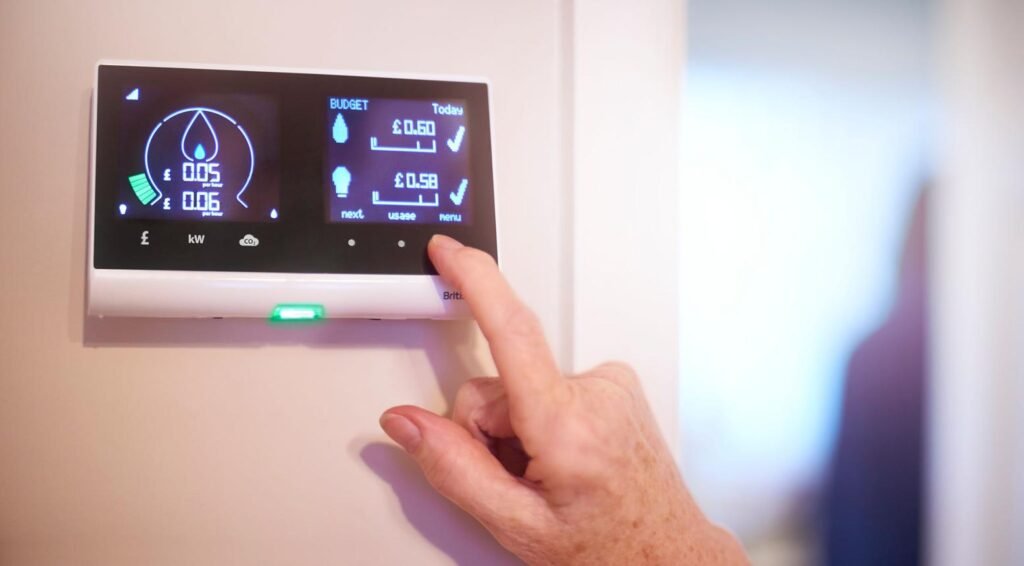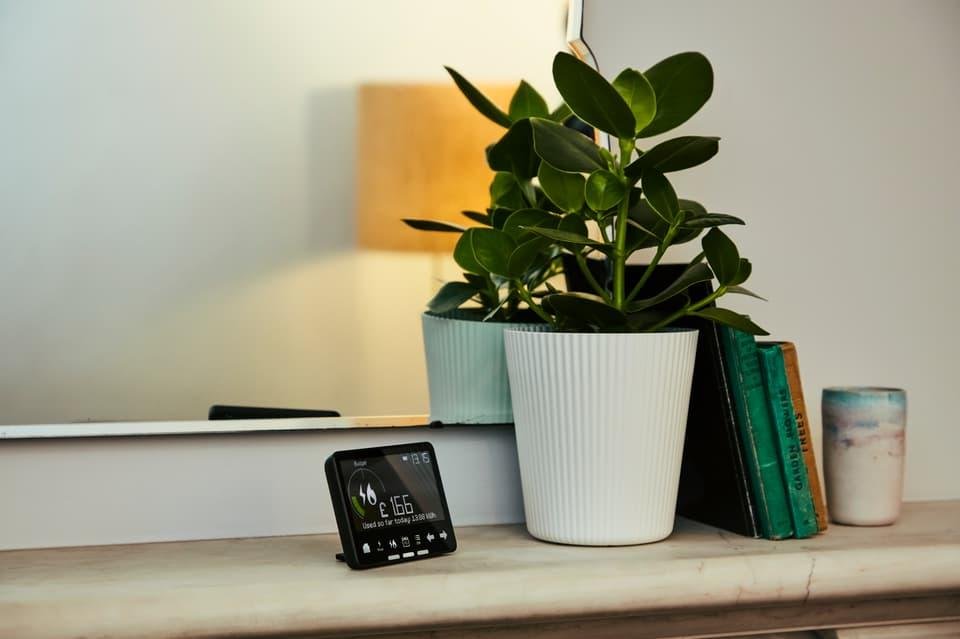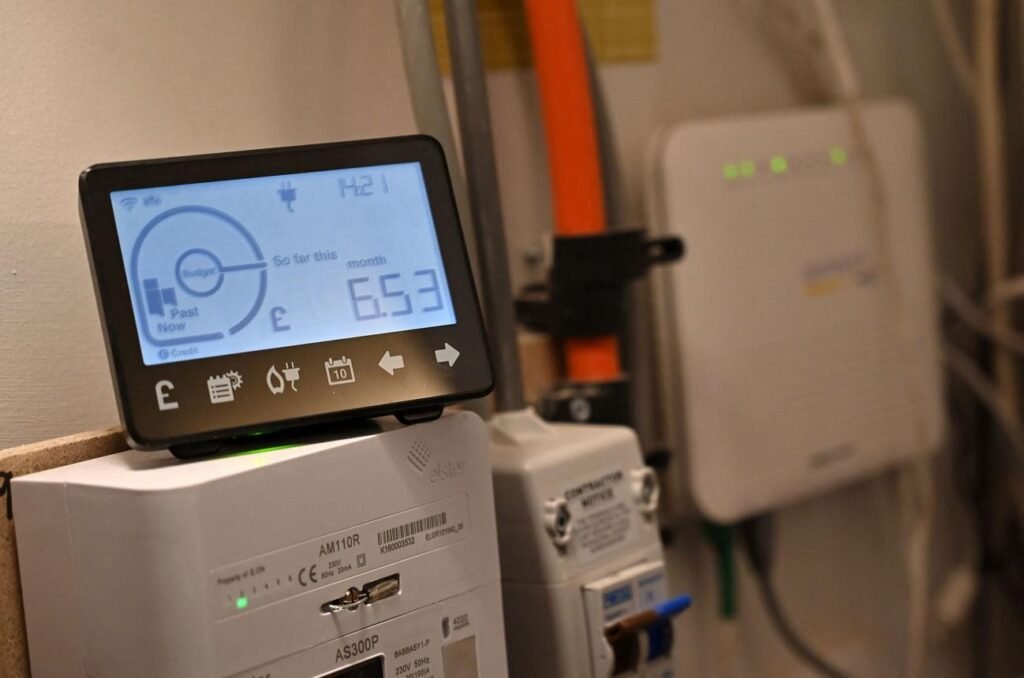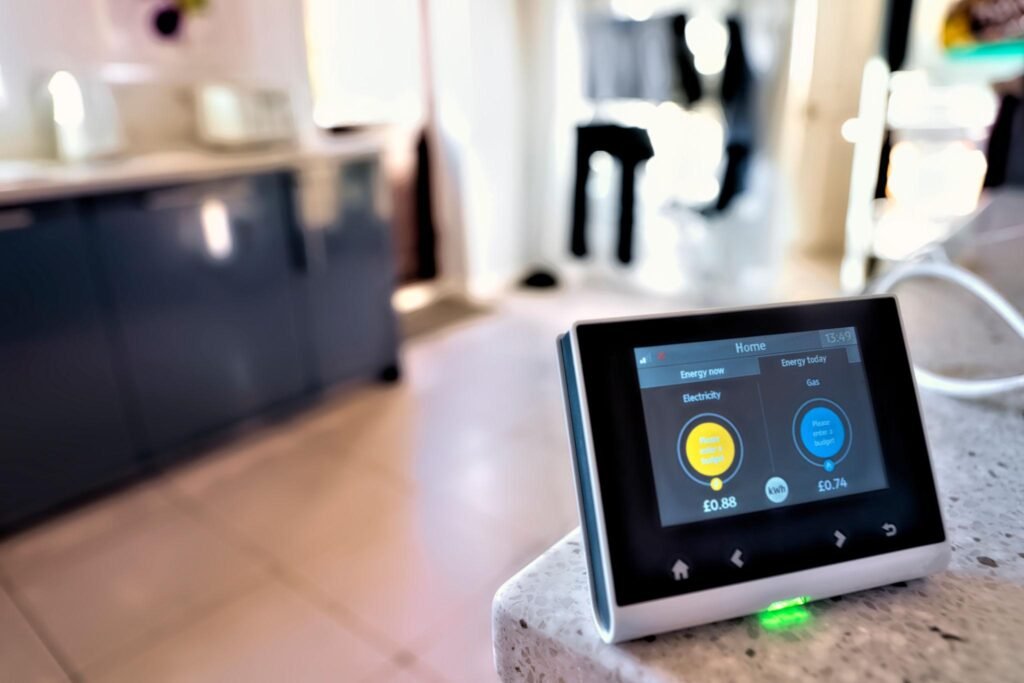
Smart meters are now installed in millions of homes across the UK, providing automatic meter readings, improved billing accuracy and access to more detailed energy consumption information. As smart meters communicate remotely with energy suppliers, many consumers naturally wonder whether hackers could exploit this technology and disconnect electricity or gas supplies.
The answer is more complicated than a simple yes or no. While remote disconnection is technically possible within some smart metering systems, UK smart meters are protected by extensive cyber security controls designed specifically to prevent unauthorised access.
For the average household, the likelihood of a hacker remotely disconnecting a smart meter is extremely low. However, understanding the risks helps explain why cyber security remains a major priority for the energy sector.
How Smart Meters Communicate
Smart Meters Use A Dedicated Communications Network
One of the biggest misconceptions is that smart meters are connected directly to the internet like a laptop or smartphone.
In Great Britain, smart meters communicate through a dedicated national infrastructure operated by the Data Communications Company (DCC). This secure network sits between energy suppliers and individual smart meters, helping protect communications from unauthorised access.
Unlike many consumer devices, smart meters are not openly visible on the internet. Many of the wider concerns surrounding connected energy technology are explored in Are Smart Meters A Cyber Security Risk?, which examines how smart technologies can create both opportunities and security challenges.
Why Remote Functions Exist
Remote communication allows suppliers to:
- Collect meter readings automatically
- Apply software updates
- Change tariffs
- Switch payment methods
- Diagnose faults
- Reconnect services
Without these capabilities, suppliers would need far more engineer visits and operational costs would increase significantly.
Can Energy Suppliers Disconnect Smart Meters Remotely?
The Capability Exists
Some smart meters include remote disconnect and reconnect functionality.
This is a legitimate feature used by authorised suppliers under regulated circumstances. For example, it may be used after maintenance work, account resolution or technical investigations.
Because the capability exists, consumers often question whether hackers could abuse it.
Multiple Layers Of Approval
Remote commands are not simply sent at the press of a button.
Commands must pass through:
- Authentication systems
- Security certificates
- Encrypted communications
- Access controls
- Audit logging
These controls are specifically designed to prevent unauthorised commands from reaching meters.

Could Hackers Disconnect A Single Smart Meter?
Theoretical Possibility
Cyber security experts rarely describe anything as impossible.
If attackers somehow gained sufficient access to the systems responsible for managing smart meter communications, they could theoretically attempt to issue commands to an individual device.
This is precisely why energy companies invest heavily in cyber security.
Real-World Difficulty
In practice, remotely disconnecting a UK smart meter would be extremely difficult.
Attackers would likely need to overcome:
- Strong encryption
- Authentication mechanisms
- Supplier security controls
- Monitoring systems
- Network protections
- Security certificates
Most cyber criminals focus on easier targets that provide faster financial rewards. For most households, concerns relating to privacy and information theft are generally more realistic, which is why many readers also explore Could Hackers Access Smart Meter Data?
See the Smart Meter Guide UK at powerguardian.co.uk – Everything you need to know about smart meters, estimated bills, real-time energy usage, Economy 7 tariffs, smart tariffs and potential savings.
What Security Protects UK Smart Meters?
Encryption
Communications between smart meters and authorised systems are encrypted.
Without the correct cryptographic keys, intercepted communications would be extremely difficult to understand or modify.
Encryption forms one of the most important layers of defence within the smart metering ecosystem.
Authentication
Every command sent to a smart meter must be authenticated.
Meters verify that instructions originate from approved systems before carrying out any action.
This helps prevent unauthorised devices from impersonating legitimate suppliers.
Continuous Monitoring
Energy companies continuously monitor their systems for suspicious behaviour.
Security teams watch for:
- Failed login attempts
- Unusual communications
- Unexpected command activity
- Potential indicators of compromise
These measures help identify threats before they cause significant disruption.

Could Hackers Disconnect Thousands Of Smart Meters?
This Is The Bigger Concern
Cyber security specialists are generally more concerned about attacks against central infrastructure than attacks against individual households.
If attackers successfully compromised supplier systems or operational technology environments, they could potentially attempt to affect large numbers of devices.
Such an attack would require:
- Advanced expertise
- Significant resources
- Long-term planning
- Access to protected systems
This type of threat is more commonly associated with sophisticated criminal groups or nation-state actors.
Lessons From Ukraine
The cyber attacks against Ukrainian energy infrastructure in 2015 and 2016 remain some of the most significant energy-sector cyber incidents ever recorded.
Attackers gained access to utility systems and caused widespread power outages affecting hundreds of thousands of people.
Importantly, these attacks targeted operational infrastructure rather than individual smart meters.These incidents continue to shape discussions around <Could A Cyber Attack Cause UK Blackouts? and how resilient national energy networks may be against future threats.

What Is The Real Risk For Households?
Supply Disconnection Is Unlikely
For the average household, the chance of a hacker remotely disconnecting a smart meter remains extremely low.
The complexity involved makes it a poor target compared with phishing scams, ransomware attacks and other forms of cyber crime.
Data Privacy Is A More Relevant Concern
Smart meters generate information about:
- Energy consumption
- Occupancy patterns
- Daily routines
- Peak usage periods
Protecting this information remains an important part of the UK’s smart metering framework. Readers interested in broader national security risks may also find What Are The Biggest Cyber Security Threats To UK Infrastructure?
What Are Energy Companies Doing To Prevent This?
Continuous Investment In Cyber Security
The UK energy sector invests heavily in cyber security measures.
These include:
- Penetration testing
- Vulnerability assessments
- Security monitoring
- Incident response planning
- Staff awareness training
- Software updates
Could Future Technology Increase The Risk?
The Smart Grid Challenge
As the UK’s energy system becomes increasingly digital, the number of connected devices will continue to grow.
Artificial intelligence, smart appliances, battery storage systems and electric vehicle charging infrastructure all create new opportunities but also introduce new cyber security challenges. Many of these future concerns overlap with discussions in Are UK Energy Suppliers Prepared For Cyber Attacks?, particularly as the energy sector becomes more reliant on digital technologies.
Final Verdict
Can hackers disconnect smart meters remotely?
Technically, yes. If attackers gained access to highly protected systems responsible for smart meter communications, they could theoretically attempt to issue unauthorised commands.
However, the reality is that UK smart meters operate within a highly secure infrastructure protected by encryption, authentication, monitoring systems and regulatory oversight.
For the average household, the risk of a hacker remotely disconnecting a smart meter remains extremely low. The more realistic cyber security concerns involve attacks against wider energy infrastructure, supplier systems and customer data rather than individual smart meters themselves.
References
- Ofgem Smart Metering Guidance
- National Cyber Security Centre (NCSC)
- Department for Energy Security and Net Zero (DESNZ)
- Data Communications Company (DCC)
- UK Smart Energy Code
- UK Parliament Smart Metering Research Briefings
- European Union Agency for Cybersecurity (ENISA)
- National Grid Cyber Security Publications
Energy Price Check: Want to see how UK energy prices are changing? Visit PowerGuardian.co.uk for energy price analysis, supplier insights and market forecasts.