Why small businesses obsess over “the right tools”
UK small and medium-sized business owners don’t wake up thinking about “endpoint detection strategy frameworks.” They think:
- “Are we protected?”
- “Are we wasting money?”
- “Will this actually stop anything?”
Most are trying to navigate a market full of vendors promising “complete protection,” which is about as believable as a used car salesman saying “one careful owner.”
According to the National Cyber Security Centre, the majority of attacks exploit basic weaknesses, not advanced espionage.
“Most cyber attacks are opportunistic and exploit common vulnerabilities.”
https://www.ncsc.gov.uk
So the real question SMEs are asking isn’t “what’s the best tool?”
It’s “what actually works without bankrupting us?”
The most common questions UK SMEs ask about cyber tools
1. “Do I really need a firewall, antivirus, and endpoint protection… or is that overkill?”

What they mean
“Can I get away with just one thing instead of three?”
The reality
You need layers.
- Firewall → protects your network
- Antivirus / endpoint protection → protects devices
- Email filtering → protects users
Skipping layers is like locking your front door but leaving the windows open.
The National Cyber Security Centre promotes a “defence in depth” approach.
“No single security measure is sufficient on its own.”
https://www.ncsc.gov.uk/collection/small-business-guide
Why SMEs ask this
Because every extra tool means:
- More cost
- More complexity
- More things to manage
2. “What’s the simplest setup that actually protects us?”
What they mean
“Give me something that works without needing a full IT department.”
The reality
The most effective baseline for SMEs is:
- Business-grade firewall
- Managed endpoint protection
- Multi-factor authentication (MFA)
- Cloud backup
- Email security
The National Cyber Security Centre and Cyber Essentials scheme focus heavily on these basics.
“Implementing basic controls can prevent the vast majority of attacks.”
https://www.ncsc.gov.uk/cyberessentials
Why SMEs ask this
Because complexity kills adoption. If it’s too complicated, it won’t be used properly.
3. “Do I need expensive enterprise tools, or are cheaper options good enough?”
What they mean
“Are we under-protected or just being upsold?”
The reality
Many SME-grade tools are perfectly adequate if:
- Configured correctly
- Regularly updated
- Properly monitored
The Federation of Small Businesses emphasises affordability as a key barrier.
“Cost remains one of the biggest barriers to effective cyber security for small firms.”
https://www.fsb.org.uk
Why SMEs ask this
Because overspending hurts… but underspending can be fatal.
4. “Is cloud security safer than keeping everything on-site?”
What they mean
“Are we safer moving to Microsoft 365 or Google Workspace?”
The reality
Cloud platforms are generally more secure than poorly managed on-site systems, but:
- Misconfiguration is a major risk
- Accounts must be protected (MFA is critical)
- Data still needs backing up
The Information Commissioner’s Office stresses responsibility remains with the business.
“Using cloud services does not remove your data protection responsibilities.”
https://ico.org.uk
Why SMEs ask this
Because cloud sounds safer… but also feels like giving control away.
5. “Do we really need 24/7 monitoring?”

What they mean
“Can we skip this expensive sounding thing?”
The reality
Attacks often go unnoticed for days or weeks.
Monitoring helps:
- Detect suspicious behaviour
- Respond quickly
- Limit damage
The National Cyber Security Centre highlights detection and response as critical.
Why SMEs ask this
Because monitoring feels invisible… until you need it.
6. “Is cyber insurance worth it, or just another cost?”

What they mean
“Will this actually help us when things go wrong?”
The reality
Cyber insurance can cover:
- Incident response costs
- Legal fees
- Business interruption
But insurers increasingly require:
- MFA
- Backups
- Basic controls
Why SMEs ask this
Because insurance feels like paying for something you hope never to use.
7. “What’s the single biggest thing we can do to stop attacks?”
What they mean
“Just tell me the one thing that matters most.”
The reality
There isn’t one… but if forced:
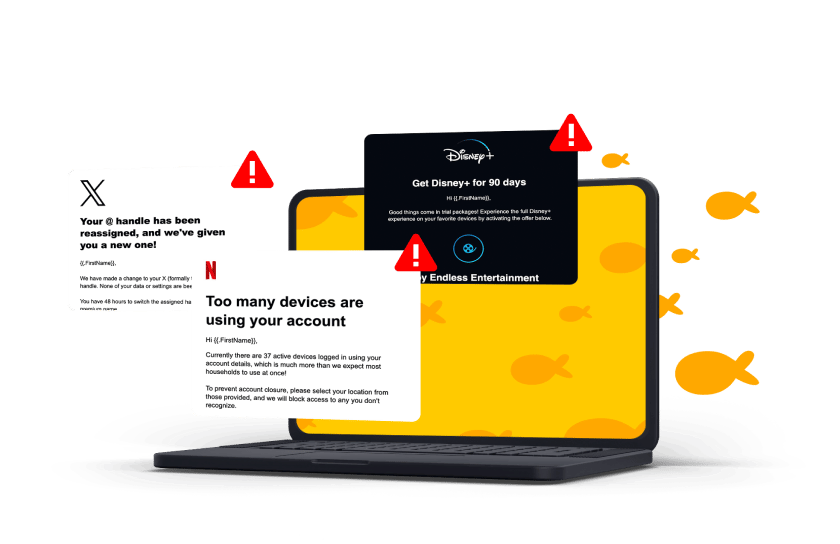
Multi-factor authentication (MFA) and staff awareness training are the highest impact.
The UK Government consistently highlights phishing as the most common attack vector.
“User awareness and access controls are critical in preventing breaches.”
https://www.gov.uk/government/statistics/cyber-security-breaches-survey-2024
Why SMEs ask this
Because they want maximum protection for minimum effort.
Fair enough.
8. “Are we too small to be targeted?”
What they mean
“Will attackers even bother with us?”
The reality
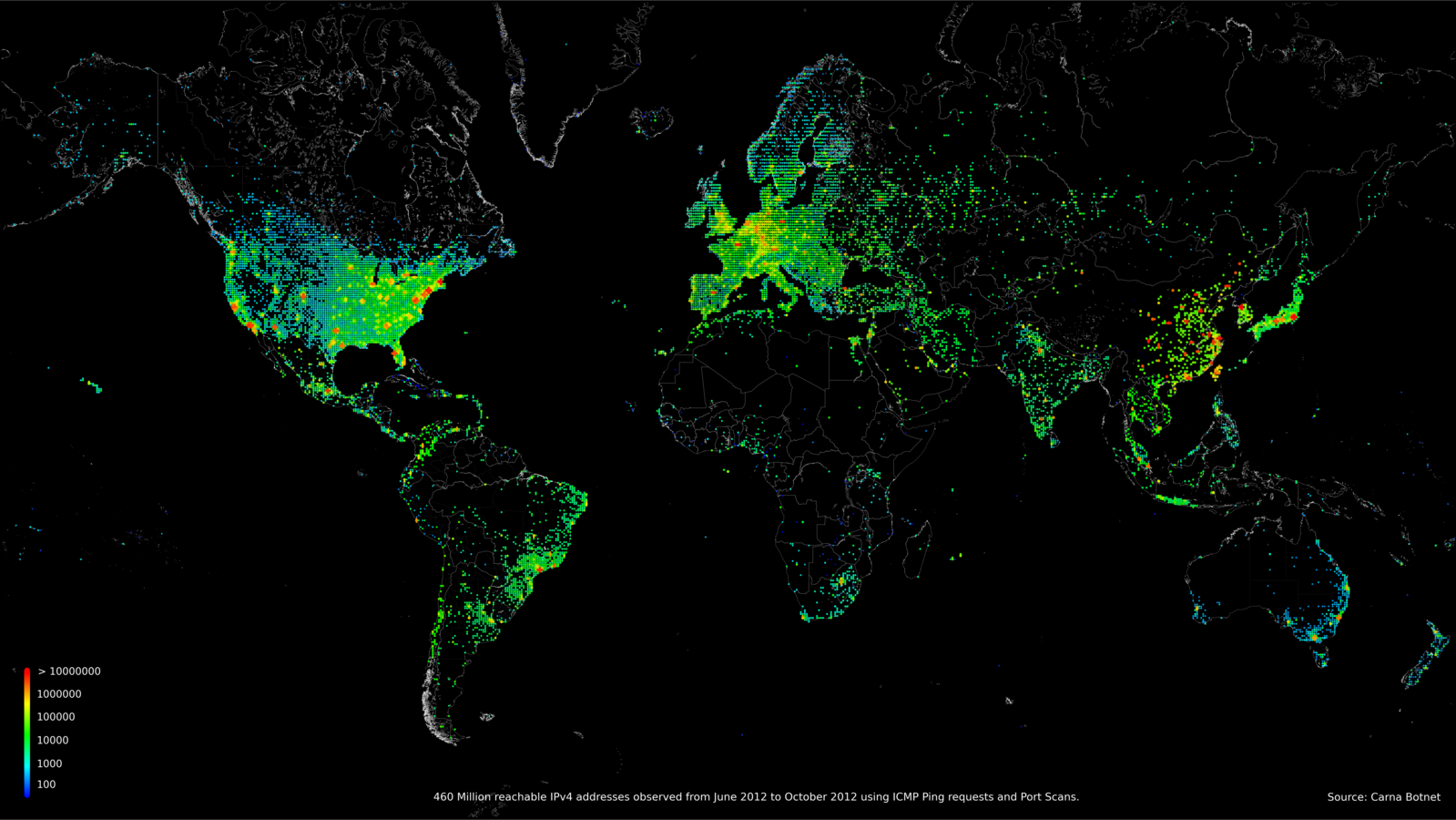
SMEs are often preferred targets.
Why?
- Weaker defences
- Less monitoring
- Valuable data
The British Chambers of Commerce notes increasing concern among SMEs about being targeted.
https://www.britishchambers.org.uk
Why SMEs ask this
Because believing you’re too small feels reassuring.
Unfortunately, it’s wrong.
9. “Should we outsource cyber security or handle it ourselves?”

What they mean
“Can we realistically manage this in-house?”
The reality
Most SMEs benefit from:
- Managed security providers (MSPs/MSSPs)
- External expertise
- Ongoing support
Because internal resources are limited.
Why SMEs ask this
Because hiring full-time cyber staff is expensive… and rare.
Advertisement

- PRE-PAID SUBSCRIPTION WITH SIGN UP AND ACTIVATION ONLINE: A payment method (credit card or PayPal) must be saved in your Norton account to activate and use. No charge occurs before the billing date for the subscription renewal
- SUBSCRIPTION WITH AUTOMATIC RENEWAL: No service disruption since this subscription automatically renews annually. If you do not wish to renew, you can cancel the subscription renewal in your Norton account at any time before the day on whic…
- Protect multiple devices, including PCs, Mac, smartphones and tablets, against malware, phishing and ransomware with additional device protection (up to 10 devices)
10. “How do we know if our tools are actually working?”
What they mean
“Are we secure or just feeling secure?”
The reality
You need:
- Regular audits
- Vulnerability scans
- Penetration testing
Without testing, security is guesswork.
Why these questions keep coming up
Across all of them, the same themes appear:
- Limited budget
- Limited expertise
- Too many tool options
- Fear of getting it wrong
SMEs are not confused because they’re careless.
They’re confused because the market is complicated and often deliberately so.
Expert insight
National Cyber Security Centre
“Most attacks can be prevented by implementing basic cyber security measures.”
Federation of Small Businesses
“Small firms face a growing cyber threat but often lack the resources to respond effectively.”
Information Commissioner’s Office
“Security is an ongoing responsibility, not a one-time solution.”
Advertisement
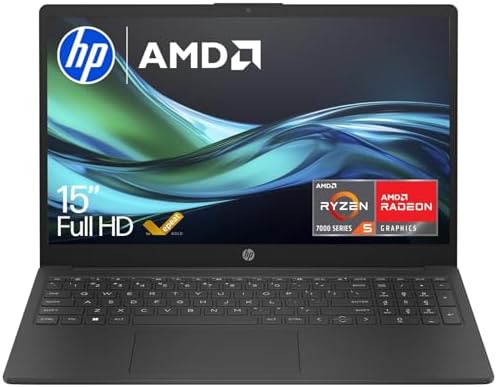
- STAY CONNECTED ON YOUR TERMS: Be seen and heard clearly and securely with a HP True Vision camera and background noise-r…
- YOUR ALL-DAY, ANYWHERE PRODUCTIVITY POWERHOUSE: Face the day with an AMD Processor , long battery life, ample storage, a…
- AMD RYZEN 5 PROCESSOR: Tap into truly impressive notebook performance. A revolutionary new architecture with amazing bat…

- 【Processor】 AMD Ryzen 5 7530U (6 Cores, 12 Threads, 16MB L3 Cache, 3MB L2 Cache, Base Frequency at 2.0GHz, Up to 4.5GHz …
- 【Display】 15.6 inch Non-Touch Display, FHD (1920 x 1080), IPS, narrow bezel, anti-glare, 250 nits, 45% NTSC.
- 【RAM and Storage】 Up to 64GB DDR4 RAM. Up to 4TB PCIe M.2 SSD.
Final judgement
Here’s the slightly inconvenient truth.
UK SMEs are not asking the wrong questions.
They’re asking the right questions in a very noisy market.
But the answers are rarely what they want:
- There is no single tool that fixes everything
- Cheap tools can work… if managed properly
- Complexity is unavoidable, but it can be controlled
- Human behaviour is still the biggest risk
And the biggest misunderstanding?
Thinking cyber security is about buying tools.
It isn’t.
It’s about:
- Using them properly
- Maintaining them consistently
- Training people not to undo all your good work with one click
Which, admittedly, is less exciting than buying another shiny dashboard.
Accelerate Your Learning
We have created Professional High Quality Downloadable PDF’s at great prices for UK Businesses provided to you from our main website. Which include various helpful Cyber related documents and real world scenarios your business might experience, showing what to do and how to protect your business. Find them here.