A cyber breach does not usually begin with dramatic hacker movie scenes and glowing green text. It normally starts with a tired employee clicking a fake Microsoft 365 email at 08:14 on a Tuesday while trying to drink cold coffee and survive another spreadsheet. Twenty minutes later, criminals may already be inside the business network.
For many UK businesses, especially SMEs, the real shock is not the breach itself. It is what happens afterwards.
The recovery process can involve:
- legal reporting requirements
- customers losing trust
- insurance claims
- operational downtime
- staff panic
- regulator involvement
- forensic investigations
- large financial losses
- supplier disruption
- reputational damage that lasts years
According to the UK Government’s Cyber Security Breaches Survey, a significant percentage of UK businesses experience cyber incidents every year, with phishing remaining the most common entry method. Smaller businesses are heavily targeted because attackers know security is often weaker and recovery budgets are smaller.
The First Few Hours After a Breach
What Usually Happens First
Most businesses do not instantly realise they have been breached.
Common early signs include:
- staff locked out of systems
- suspicious Microsoft 365 login alerts
- bank payment irregularities
- ransomware messages
- antivirus warnings
- customers receiving strange emails
- websites suddenly redirecting
- files disappearing or encrypting
- suppliers reporting suspicious messages
In many UK SME breaches, attackers have already spent days or weeks inside systems before detection.
Attackers commonly:
- steal passwords
- create hidden admin accounts
- access email mailboxes
- export customer databases
- move laterally across devices
- disable backups
- monitor invoices and payment activity
Immediate Panic and Confusion
The first few hours are usually chaotic.
Staff often:
- unplug random equipment
- reboot servers repeatedly
- delete suspicious emails
- accidentally destroy evidence
- continue using infected devices
- message each other through compromised email systems
This is why incident response planning matters. Under pressure, humans become astonishingly creative in making bad situations worse. Evolution gave people opposable thumbs but apparently not “do not restart the ransomware server” instincts.
Typical Emergency Actions
Disconnect Infected Systems
Affected devices should usually be isolated from the network quickly.
That may involve:
- disconnecting ethernet cables
- disabling Wi-Fi
- blocking VPN access
- disabling compromised accounts
- stopping remote access systems
However, blindly shutting everything down can also damage forensic investigations.
Many businesses now call cyber incident response specialists immediately before taking drastic actions.

The Financial Damage Starts Immediately
Downtime Becomes Extremely Expensive
The biggest cost is often not the hackers themselves.
It is business interruption.
For example:
- staff cannot access systems
- phones stop working
- orders cannot be processed
- invoices cannot be sent
- production stops
- bookings disappear
- payment systems fail
A small English business losing access to Microsoft 365 for three days can easily lose:
- sales revenue
- customer confidence
- supplier trust
- staff productivity
Real World Example: Royal Mail Ransomware Incident
In 2023, Royal Mail suffered major disruption linked to ransomware activity affecting international services.
International exports were heavily disrupted, causing operational delays and major recovery efforts.
Large organisations absorb these events better than SMEs. A smaller company can become insolvent after a serious breach.
Cyber Insurance Complications
Businesses often assume cyber insurance instantly solves everything.
Reality is messier.
Insurers may ask:
- Were systems patched?
- Was MFA enabled?
- Were backups tested?
- Was staff training completed?
- Were security policies followed?
If security requirements were ignored, insurers may reduce payouts.
Some UK businesses discover after a breach that:
- policies excluded ransomware
- supplier attacks were excluded
- phishing losses were not fully covered
- claims caps were far lower than expected
Legal and Regulatory Consequences
GDPR Reporting Obligations
If personal data is exposed, UK GDPR obligations may apply.
Businesses may need to:
- assess breach severity
- document the incident
- notify the ICO
- notify affected individuals
The UK Information Commissioner’s Office (ICO) states certain breaches must be reported within 72 hours where there is risk to individuals.
This timeline becomes extremely stressful during a live cyber incident.
Many SMEs discover:
- they do not know what data they hold
- they lack breach reporting procedures
- they cannot determine what was stolen
- logging systems are incomplete
Customer Trust Damage
This is often the hardest part to recover from.
Customers may wonder:
- Was my payment information stolen?
- Are my passwords exposed?
- Is this company competent?
- Can I trust them again?
In sectors like:
- legal services
- healthcare
- finance
- recruitment
- property
- ecommerce
trust damage can last years.
Real World Example: British Airways
British Airways suffered a major breach affecting customer data in 2018.
The ICO later issued a substantial fine and the reputational impact lasted long after technical recovery.

The Technical Investigation Phase
Digital Forensics Begins
Cyber security investigators will typically:
- analyse logs
- identify entry points
- examine email activity
- trace attacker movement
- recover deleted evidence
- identify stolen data
- determine attacker persistence
This process can take:
- days
- weeks
- sometimes months
Especially if:
- logging was poor
- backups failed
- systems were outdated
- attackers covered their tracks
Common Entry Methods
Phishing Emails
Still the biggest problem for UK businesses.
Typical examples:
- fake Microsoft login pages
- fake parcel delivery notices
- fake invoices
- fake payroll requests
One stolen Microsoft 365 password can lead to:
- mailbox compromise
- invoice fraud
- credential theft
- ransomware deployment
Weak Passwords
Many breaches still involve:
- reused passwords
- shared admin accounts
- no MFA
- old accounts never removed
Attackers buy leaked credentials cheaply online and automate login attempts.
Humans continue using “Welcome123!” while storing company payroll data. Truly magnificent species design.

- Advanced protection for today’s digital threats Norton 360 Platinum helps protect you and your family with award-winning…
- Safe SMS: AI-powered scam protection for every text message Safe SMS detects scams in text messages, giving you advanced…
- PRE-PAID SUBSCRIPTION WITH AUTOMATIC RENEWAL¹: To activate and use, a credit card or PayPal account must be saved in you…
Unpatched Systems
Attackers routinely scan the internet for:
- outdated firewalls
- vulnerable VPNs
- old Windows servers
- exposed Remote Desktop services
A delayed patch cycle can create huge exposure.
Recovery Is Slower Than Most Businesses Expect
Restoring Backups
Businesses often assume backups mean instant recovery.
Reality:
- backups may be corrupted
- backups may be encrypted
- backup credentials may be compromised
- restores may fail
- recovery testing may never have happened
Restoring even small business systems can take:
- several days
- multiple rebuilds
- extensive validation testing
Staff Burnout
Cyber breaches are exhausting.
Business owners often:
- work around the clock
- sleep poorly
- panic about finances
- worry about reputational collapse
- fear losing customers
IT staff can become completely overwhelmed.
In SMEs especially, recovery is often handled by:
- one IT manager
- an outsourced MSP
- stressed directors with limited cyber knowledge

What SMEs in England Can Learn From Breaches
The Cheapest Security Controls Usually Matter Most
Many breaches could have been dramatically reduced by:
- MFA everywhere
- proper backups
- patch management
- staff phishing awareness
- least-privilege access
- endpoint protection
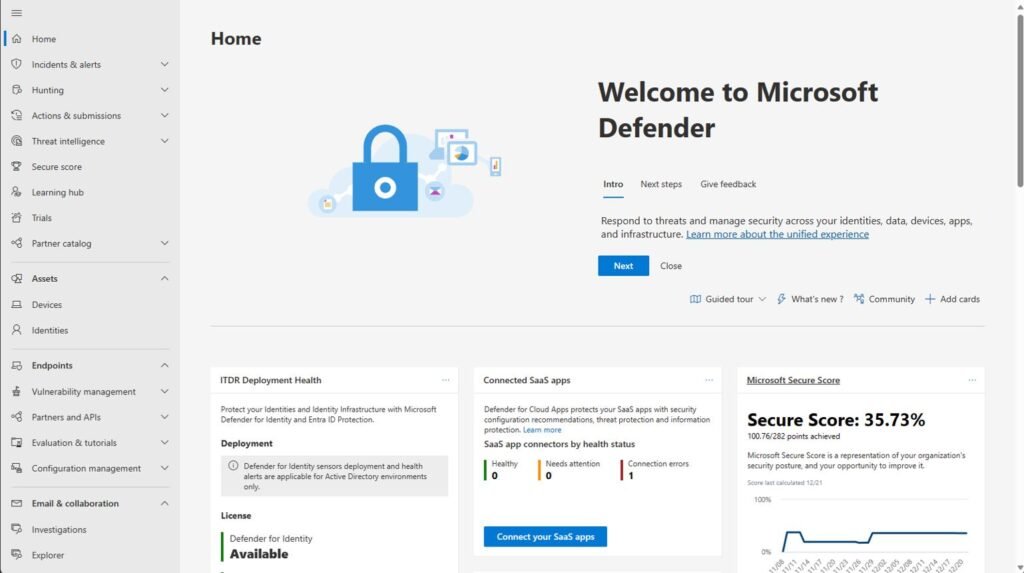
- monitored Microsoft 365 security
- tested disaster recovery plans
Not glamorous. Not “AI blockchain quantum cyber resilience platform” nonsense. Just boring security basics done consistently.
And boring security prevents catastrophes surprisingly well.
Cyber Essentials Helps More Than Many SMEs Realise
The UK Government-backed National Cyber Security Centre and Cyber Essentials framework focuses heavily on the exact controls that stop many SME attacks.
It covers:
- secure configuration
- access control
- malware protection
- software updates
- firewalls
It will not make a business invincible.
But it significantly reduces common attack exposure.
Backups Must Be Tested
A backup that has never been restored is basically optimism wearing a hard drive costume.
Businesses should:
- test restores regularly
- keep offline backups
- separate backup credentials
- document recovery procedures
The Long-Term Impact
Some Businesses Never Fully Recover
After major breaches, businesses may experience:
- customer losses
- contract cancellations
- higher insurance costs
- legal claims
- reputational decline
- reduced staff morale
For smaller firms, even a week of downtime can become financially dangerous.
Others Become Much Stronger
Ironically, some organisations emerge with:
- better security maturity
- improved processes
- stronger monitoring
- realistic incident planning
- better executive awareness
Many directors only take cyber seriously after a real incident.
Humans remain committed to treating preventative spending like an optional luxury until catastrophe arrives carrying a ransomware note and an invoice.
What English Businesses Should Do Before a Breach Happens
Minimum Practical Cyber Security Checklist
Essential Controls
- Enable MFA on everything
- Use password managers
- Patch systems rapidly
- Remove unused accounts
- Secure Microsoft 365 properly
- Train staff against phishing
- Restrict admin privileges
Backup Protection
- Maintain offline backups
- Test restores monthly
- Separate backup credentials
- Protect cloud backups
Incident Preparation
- Create an incident response plan
- Know who to call
- Keep cyber insurance details accessible
- Document key systems
- Maintain emergency communication methods
Compliance and Governance
- Understand UK GDPR obligations
- Maintain asset inventories
- Log security events properly
- Review supplier security risks
Final Thoughts
A cyber breach is rarely just an IT issue.
It becomes:
- a business continuity issue
- a financial issue
- a legal issue
- a customer trust issue
- a leadership issue
For UK SMEs, the difference between survival and collapse is often preparation before the attack ever happens.
The uncomfortable truth is this:
Most successful cyber attacks against small businesses are not especially sophisticated.
Attackers usually win because:
- systems were unpatched
- MFA was missing
- backups failed
- phishing succeeded
- nobody monitored suspicious activity
The good news is that practical, affordable security controls genuinely reduce risk substantially.
Not perfectly. Nothing is perfect. Humans invented the internet and then connected payroll systems to it. But sensible preparation still matters enormously.