Electric vehicles are becoming a common sight across the UK, with millions of drivers relying on home charging units and public charging networks every day. As EV charging infrastructure becomes increasingly connected to the internet, mobile apps and energy management systems, cyber security is becoming an important concern.
The short answer is yes, EV chargers can be hacked. However, the reality is more nuanced than many headlines suggest. Most attacks target the software, network connections or user accounts associated with charging systems rather than the charging hardware itself.
As with many modern technologies, the biggest risks often arise from convenience features designed to make life easier. Humans have an extraordinary talent for connecting everything to the internet and then acting surprised when someone tries to break into it.
How EV Chargers Connect to the Internet
Modern EV chargers are no longer simple electrical devices.
Many include:
- Wi-Fi connectivity
- Mobile app control
- Cloud-based management platforms
- Remote firmware updates
- Smart energy scheduling
- Solar panel integration
- Smart home connectivity
These features allow owners to monitor charging remotely, reduce energy costs and optimise charging times. They also create potential entry points for attackers.
Every connected feature adds convenience, but it also expands the potential attack surface.

- Installs in circuit panel of most small businesses with clamp-on sensors. Supports Single phase, Single-split phase, and…
- 24/7 Energy Management and Monitoring: Automate and monitor your business’ real power anywhere, anytime to prevent costl…
- Lower Your Electric Bill: Configure settings in the Emporia Energy App to automate energy management for time of use, pe…
What Could Hackers Actually Do?
Access User Accounts
Many charging systems rely on online accounts and mobile apps.
If attackers obtain login credentials through phishing emails, password reuse or data breaches, they may gain access to:
- Charging schedules
- Energy usage information
- Personal details
- Payment information
- Device settings
This is similar to attacks targeting smart home systems and is one reason why articles such as Are Smart Home Energy Devices Vulnerable to Cyber Attacks? are becoming increasingly relevant.
Disrupt Charging Operations
Researchers have demonstrated that poorly secured charging systems can sometimes be manipulated to:
- Start charging sessions
- Stop charging sessions
- Change charging schedules
- Disable charger functionality
Such attacks would generally create inconvenience rather than immediate physical danger, but large-scale disruptions could affect public charging availability.

Steal Customer Information
Public charging operators collect significant amounts of information.
This may include:
- Names
- Addresses
- Payment details
- Vehicle information
- Charging histories
- Location data
Cyber criminals often view this information as more valuable than the charging hardware itself.
Target Charging Networks
Large charging providers manage thousands of charging points through centralised platforms.
If attackers successfully compromise these management systems, they could potentially affect multiple charging stations simultaneously.
This type of risk resembles threats seen across wider energy infrastructure, including those explored in How Secure Are Renewable Energy Control Systems?
Could EV Chargers Damage Vehicles?
This is one of the most common concerns among EV owners.
Current evidence suggests that damaging vehicles through charger hacking would be extremely difficult.
Modern electric vehicles include multiple layers of protection, including:
- Battery management systems
- Charging safety controls
- Voltage monitoring
- Communication validation protocols
These protections help prevent unsafe charging conditions even if a charger behaves unexpectedly.
Manufacturers design these systems specifically because electrical failures can be costly and dangerous.
Also see: Best Energy Suppliers For EV Owners In The UK at powerguardian.co.uk
Are Home EV Chargers at Risk?
Home chargers can be vulnerable if:
- Default passwords remain unchanged
- Firmware is outdated
- Wi-Fi networks are poorly secured
- Remote access features are exposed
- Mobile apps use weak authentication
Most successful attacks would likely focus on the homeowner’s network rather than the charger itself.
The risk is similar to other connected devices such as smart thermostats, security cameras or smart meters.
Readers interested in connected energy technologies may also find Can Smart Meters Be Hacked? useful.
Public Charging Networks Face Different Threats
Public charging operators must protect large-scale infrastructure.
Their security challenges include:
Payment System Attacks
Charging networks process thousands of transactions daily.
Criminals may attempt to:
- Steal payment card details
- Exploit billing systems
- Commit fraud
- Manipulate charging records

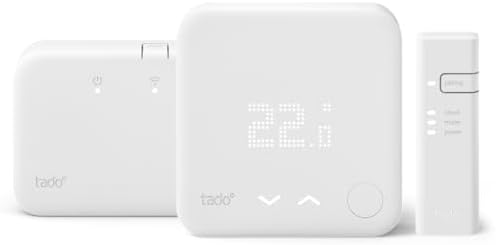
- SAVES ENERGY AND HEATING COSTS: With the intelligent heater thermostat X from tado°, the experts for smart heating, user…
- EASY DIY INSTALLATION, EVEN OFFLINE: The included adapter allows the thermostat to be fitted to almost every radiator va…
- CONTROL VIA APP: The thermostat has numerous features for your heating system, such as smart scheduling, temperature con…
Supply Chain Risks
Charging stations often contain components supplied by multiple manufacturers.
A vulnerability in one component can potentially affect large numbers of devices.
Supply chain attacks have become a growing concern across the energy sector.
Remote Management Vulnerabilities
Centralised management platforms offer efficiency but create attractive targets.
If compromised, attackers may gain visibility across an entire charging network.
These risks mirror concerns discussed in Could Hackers Disrupt Offshore Wind Farms? where centralised control systems play a critical role.
What Security Measures Protect EV Chargers?
Encryption
Most reputable charging systems encrypt communications between:
- Charger and cloud platform
- Mobile app and charger
- Payment systems and servers
Firmware Updates
Manufacturers regularly release updates to address vulnerabilities.
Keeping software current remains one of the most effective security measures.
Authentication Controls
Modern systems increasingly use:
- Multi-factor authentication
- Secure account management
- Device verification
- Role-based access controls
Network Monitoring
Large operators often employ continuous monitoring to detect unusual activity.
This approach is similar to the cyber security protections used throughout critical energy infrastructure.
Further examples can be found in What Cyber Security Protections Do Renewable Energy Projects Use?
How EV Owners Can Reduce Risk
Drivers can improve security by:
- Using strong unique passwords
- Enabling multi-factor authentication
- Updating charger firmware promptly
- Securing home Wi-Fi networks
- Monitoring charging accounts regularly
- Purchasing chargers from reputable manufacturers
- Avoiding unofficial mobile applications
These simple steps significantly reduce the likelihood of compromise.
- Full control over your heating with the tado° app from anywhere, reduce your energy consumption and save money with the …
- Heating Boost: heat up all rooms for 30 minutes with one click in the app
- Smart Schedules for the perfect temperature individually in each room, at any time; only active when someone’s home; can…
The Future of EV Charging Cyber Security
As EV adoption continues to grow across the UK, cyber security will become increasingly important.
Future charging systems will likely become more integrated with:
- Smart grids
- Renewable energy systems
- Home energy management platforms
- Vehicle-to-grid technologies
- Battery storage systems
While these innovations offer substantial benefits, they also increase cyber security complexity.
The industry is responding by developing stronger standards, better monitoring tools and more secure software architectures.
See the EV Charger Cyber Security Assessment – Assess cyber risks linked to your home or workplace EV charger — WiFi, app control, default passwords, firmware and shared access.
Final Thoughts
EV chargers can be hacked, but the risks are often misunderstood. Most realistic threats involve account compromise, payment fraud, data theft or service disruption rather than dramatic scenarios involving exploding batteries or widespread vehicle damage.
As charging infrastructure becomes a critical part of the UK’s energy ecosystem, operators, manufacturers and consumers all have a role in maintaining security.
The good news is that modern EV charging systems generally include multiple layers of protection, and the industry continues to strengthen cyber defences as adoption grows. The less good news is that every new connected device creates another opportunity for someone, somewhere, to spend their evening trying to break it. Humanity remains wonderfully consistent in that regard.
Do you want to know more about EV Charger Cyber Security?