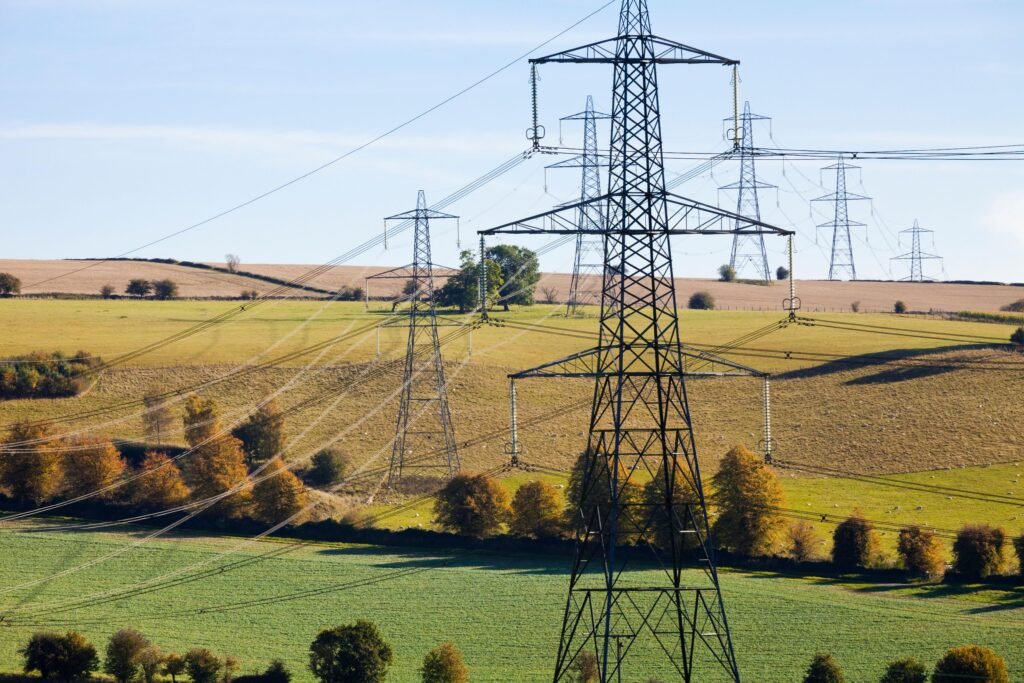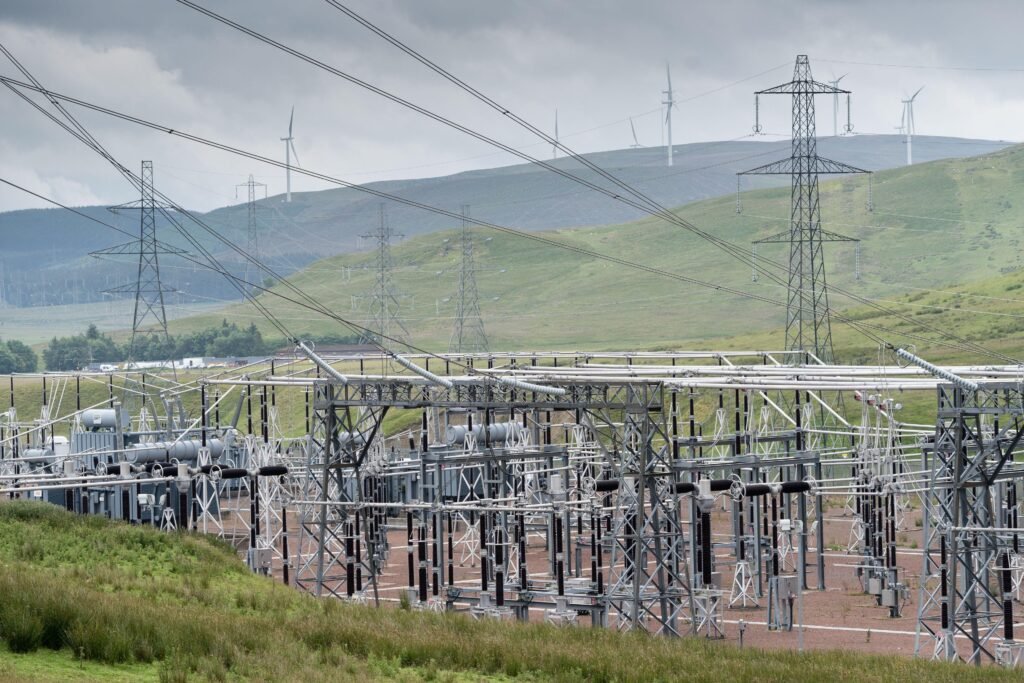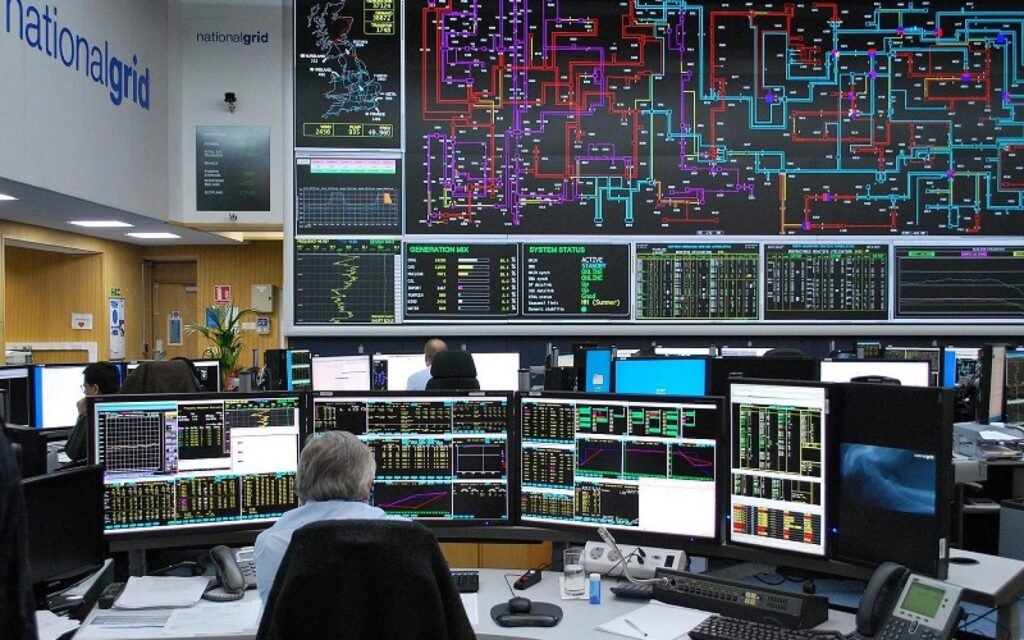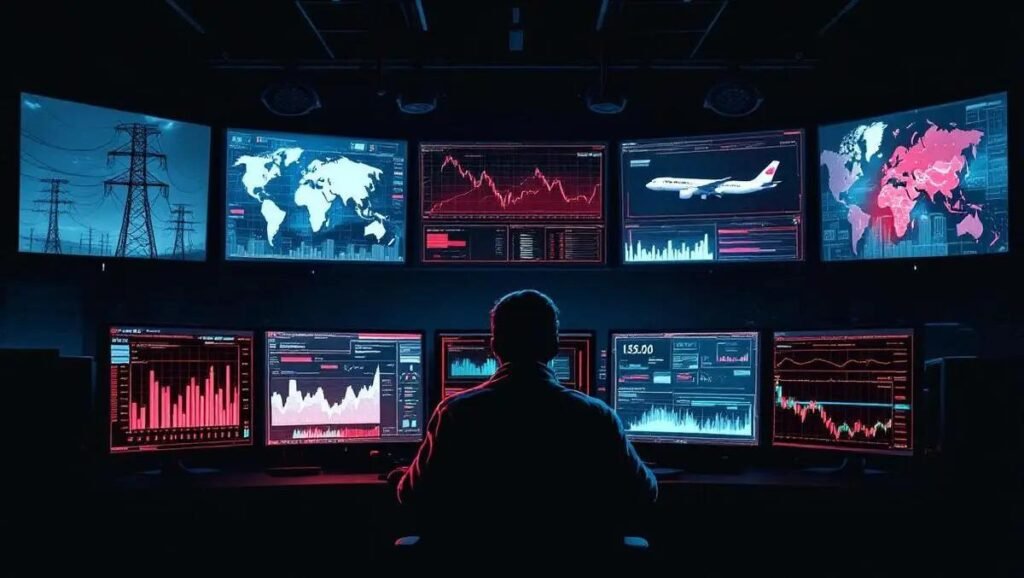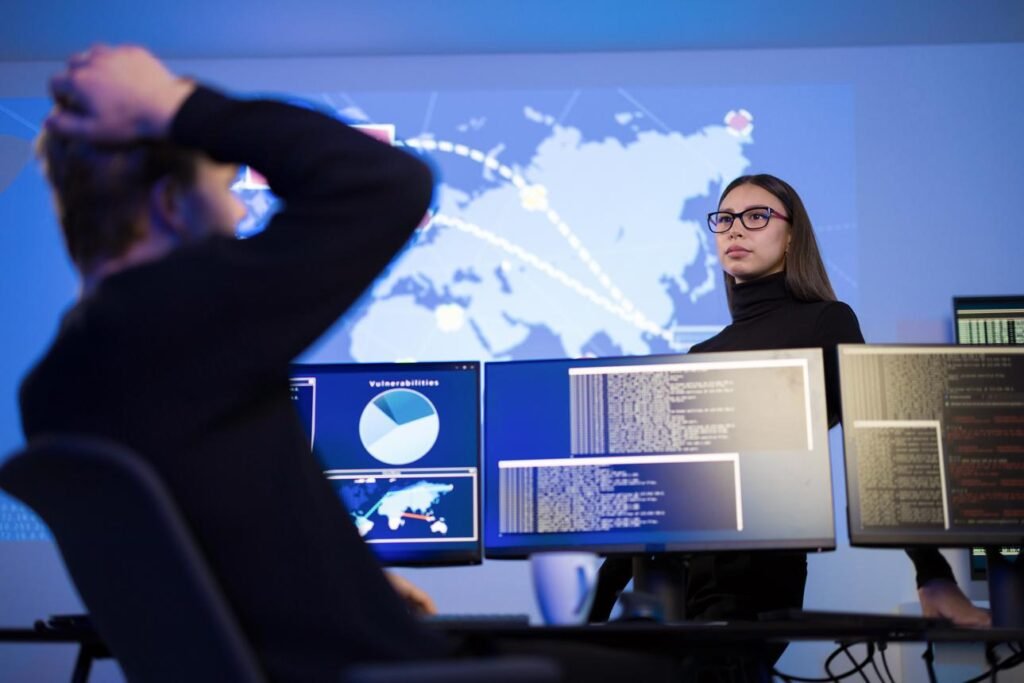
The UK’s energy sector has become one of the most attractive targets for cyber criminals. Energy suppliers, renewable energy operators, electricity distribution networks and critical infrastructure providers all hold valuable data and operate systems that millions of people depend upon every day.
Artificial intelligence is now making cyber attacks faster, cheaper and far more sophisticated. While AI itself is not creating entirely new forms of cyber crime, it is helping attackers automate tasks that previously required significant expertise and manpower.
For English energy firms, this means the threat landscape is evolving rapidly.
Why Energy Companies Are Attractive Targets
Energy firms possess several assets that cyber criminals value highly:
- Customer personal information
- Payment and billing data
- Smart meter information
- Operational technology (OT) systems
- Industrial control systems
- Supplier and contractor networks
- Critical national infrastructure connections
Disrupting energy services can cause widespread economic and social impacts, making the sector attractive not only to criminal gangs but also to hostile nation states.

- Multiple Display Modes – The external screen for laptop supports three display modes: Duplicated Mode, Extended Mode and…
- Plug and Play – The portable monitor for laptop does not require drivers and installation applications, and you only nee…
- Wide Compatibility – The laptop monitor extender is compatible with a wide range of laptops (14-17 inches) and supports …
AI Is Making Phishing Attacks More Convincing
Highly Personalised Emails
One of the most common uses of AI by cyber criminals is creating convincing phishing campaigns.
Traditional phishing emails often contained poor grammar and obvious warning signs. Modern AI tools can generate professional messages that closely mimic legitimate communications from:
- Energy suppliers
- Regulators
- Contractors
- Government departments
- Senior executives
Attackers can use publicly available information from company websites, social media profiles and business reports to create targeted messages that appear authentic.

Spear Phishing Against Executives
AI enables attackers to rapidly produce hundreds of personalised messages aimed at specific individuals.
Senior managers in energy firms may receive emails appearing to come from colleagues, suppliers or regulators. These messages can be tailored using information gathered from public sources, increasing the likelihood of success.
This growing threat helps explain why articles such as How Often Are Energy Companies Targeted By Cyber Criminals? are becoming increasingly relevant to the sector.
AI-Powered Voice Cloning Is Creating New Risks
Impersonating Senior Executives
Voice cloning technology has advanced dramatically.
Cyber criminals can now generate realistic voice recordings using only short audio samples obtained from:
- Conference presentations
- Podcasts
- Interviews
- Social media videos
Attackers may impersonate executives and instruct employees to:
- Transfer funds
- Share sensitive information
- Approve system access
- Bypass security procedures
For organisations handling critical infrastructure, even a single successful impersonation attack could have significant consequences.
AI Helps Hackers Find Vulnerabilities Faster
Automated Reconnaissance
Before launching attacks, criminals need information about their targets.
AI can automate the collection and analysis of:
- Publicly accessible systems
- Corporate websites
- Employee information
- Technical documentation
- Supplier relationships
Tasks that once took days or weeks can now be completed in hours.
Faster Vulnerability Discovery
Attackers increasingly use AI-assisted tools to identify weaknesses in software, networks and connected devices.
This is particularly concerning for operators managing:
- Smart grid technologies
- Renewable energy assets
- Remote monitoring systems
- Smart meter infrastructure
Readers interested in connected energy technology may also find Can Smart Meters Be Hacked? useful for understanding how these systems are protected.

AI Is Being Used To Generate Malware
Lowering The Technical Barrier
Cyber criminals have traditionally needed programming skills to create sophisticated malware.
AI coding tools can assist attackers by:
- Writing code faster
- Modifying existing malware
- Creating phishing websites
- Automating attack scripts
Although AI does not replace skilled hackers, it significantly lowers the barrier to entry for less experienced criminals.
Rapid Adaptation
Malware developers can use AI to alter code more frequently, helping malicious software evade traditional detection systems.
This creates additional challenges for security teams tasked with defending energy networks.
AI Can Support Attacks On Operational Technology
Targeting Industrial Systems
Many English energy firms operate industrial control systems that manage physical processes.
Examples include:
- Electricity distribution equipment
- Wind farm control systems
- Solar farm management systems
- Battery storage facilities
- Gas infrastructure
AI can help attackers analyse system documentation and identify potential weaknesses within these environments.
Increased Blackout Risks
While causing a widespread blackout remains extremely difficult, experts remain concerned that AI-assisted attacks could increase the effectiveness of campaigns targeting operational technology.
This concern is explored further in Could A Cyber Attack Cause UK Blackouts?
Nation States Are Also Using AI
Strategic Threats
Government agencies increasingly warn that nation-state actors are incorporating AI into cyber operations.
Potential uses include:
- Intelligence gathering
- Vulnerability research
- Disinformation campaigns
- Credential theft
- Network mapping
The UK’s energy infrastructure remains a high-priority target because of its importance to national security and economic stability.

- Full HD streaming: Logitech C922 provides two streaming qualities to choose from. Whether you’re after full HD 1080p at …
- Multiple mounting options including tripod: This HD streaming webcam comes equipped with a versatile tripod. Mount the U…
- Auto-lighting corrections: Alongside full HD streaming over wifi, this gaming webcam is equipped with autofocus and inst…
AI Improves Social Engineering Campaigns
Understanding Human Behaviour
The most successful cyber attacks often target people rather than technology.
AI can analyse large amounts of information and help criminals identify:
- Key decision-makers
- Organisational structures
- Trusted suppliers
- Common communication styles
This allows attackers to craft highly believable scenarios designed to manipulate employees.
Business Email Compromise
Business Email Compromise (BEC) attacks are becoming increasingly sophisticated.
Attackers may use AI-generated messages to:
- Redirect payments
- Change supplier bank details
- Steal credentials
- Access internal systems
Energy companies with large supplier ecosystems are particularly vulnerable to these tactics.
How English Energy Firms Are Responding
Advanced Threat Detection
Many energy organisations are deploying AI-powered defensive technologies to identify suspicious activity more quickly.
These systems can:
- Detect unusual network behaviour
- Monitor user activity
- Identify emerging threats
- Analyse large volumes of security data
Employee Awareness Training
Since many attacks still rely on human error, organisations are investing heavily in:
- Phishing simulations
- Security awareness programmes
- Incident response exercises
- Executive protection measures
Zero Trust Security
Increasing numbers of energy firms are adopting Zero Trust approaches, where users and devices must continually verify their identity before accessing systems.
This reduces opportunities for attackers who successfully obtain credentials.
The Future Threat Landscape
AI is unlikely to replace traditional hacking techniques, but it is dramatically increasing their scale and effectiveness.
The greatest danger for English energy firms is not necessarily a single catastrophic AI attack. Instead, it is the combination of:
- Faster phishing campaigns
- More convincing impersonation attempts
- Automated vulnerability discovery
- Enhanced malware development
- More sophisticated social engineering
As AI capabilities continue to evolve, energy organisations will need to strengthen both their technical defences and human resilience.
The wider challenge facing the sector is ensuring that defensive AI develops at least as quickly as offensive AI. As explored in What Are The Biggest Cyber Security Threats To UK Infrastructure? and Is The UK Energy Sector Prepared For AI-Driven Cyber Attacks?, the organisations responsible for keeping Britain’s lights on are now engaged in a technological arms race where both defenders and attackers increasingly have access to powerful artificial intelligence tools.
In the energy sector, that race is no longer a future concern. It is already underway. Human beings, naturally, decided to give both the security team and the criminals access to the same powerful technology and then seemed surprised when things became complicated.
Related Resource: Cyber threats increasingly affect the energy sector. For broader coverage of UK energy markets, pricing and industry developments, visit PowerGuardian.co.uk.