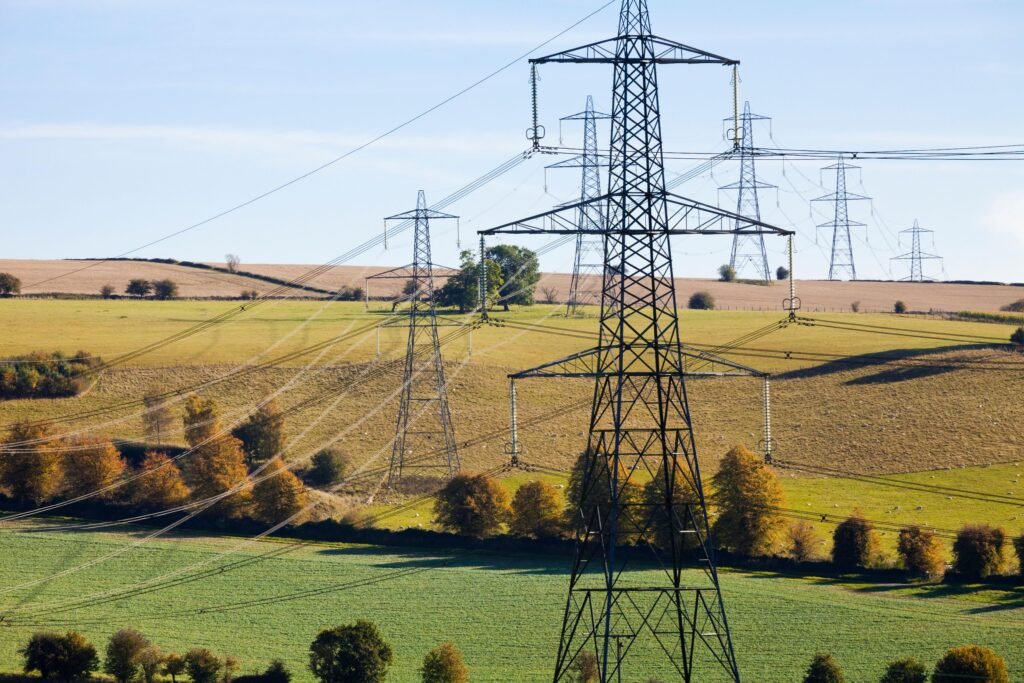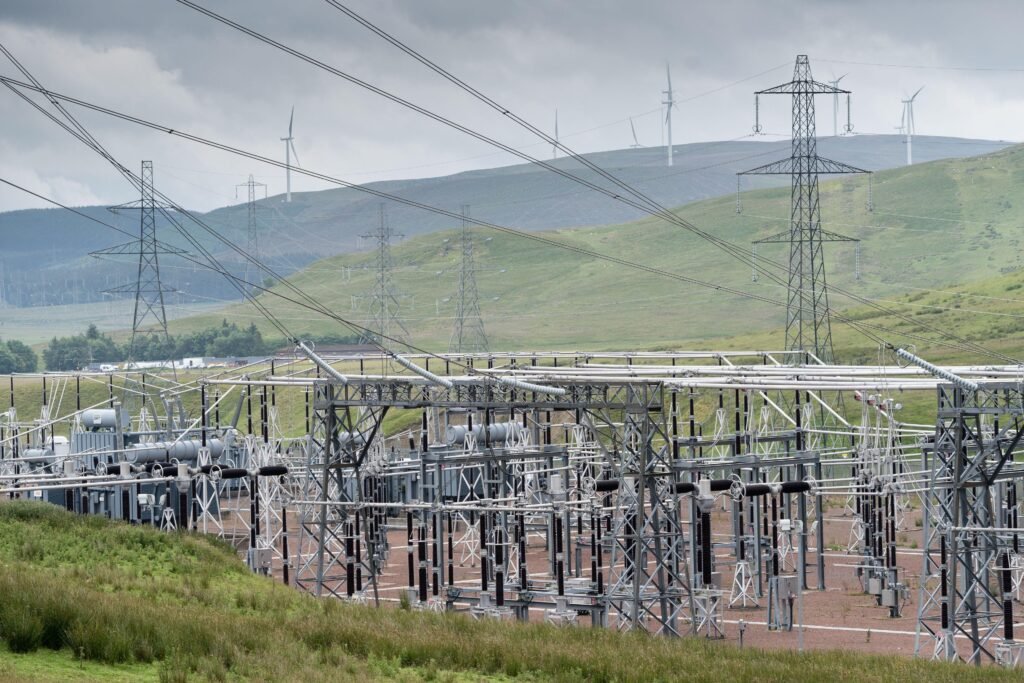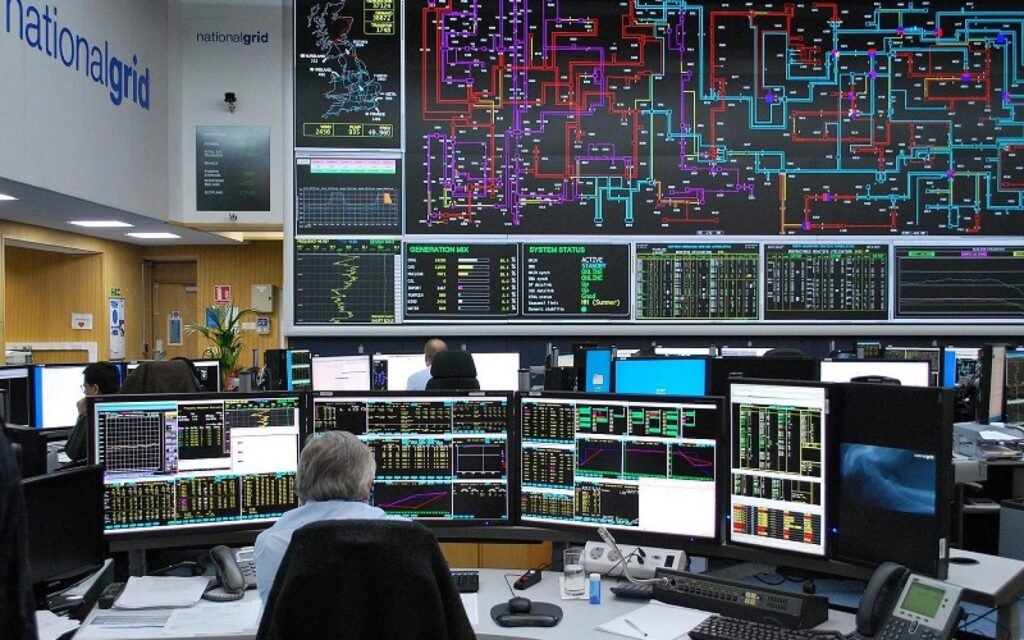
The energy sector has always been an attractive target for cyber criminals, hostile states and hacktivist groups. Electricity networks, renewable energy facilities, oil and gas infrastructure, and energy suppliers provide essential services that societies depend upon every day.
Artificial intelligence is now changing the cyber threat landscape. While AI offers powerful new defensive capabilities, it is also giving attackers faster, cheaper and more sophisticated ways to target energy companies.
The result is a growing cyber arms race where both attackers and defenders are using AI to gain an advantage.
Why Energy Companies Are Attractive Targets
Energy organisations occupy a unique position in national infrastructure.
A successful attack can potentially affect:
- Electricity generation
- Grid stability
- Fuel distribution
- Customer services
- Smart meter systems
- Renewable energy operations
- Energy trading platforms
- Critical industrial control systems
Nation states recognise that disrupting energy supplies can create economic damage, public concern and political pressure.
Criminal groups see opportunities for ransomware payments, data theft and extortion.
AI is making many of these attacks easier to plan and execute.
How AI Is Helping Cyber Criminals
Faster Reconnaissance
Before launching an attack, criminals typically spend weeks researching their target.
AI tools can now rapidly analyse:
- Public company information
- Employee profiles
- Technical documentation
- Supplier relationships
- Social media activity
- Infrastructure data
Tasks that once required teams of analysts can now be completed in hours.
This allows attackers to identify vulnerabilities more quickly and target energy organisations with greater precision.

- [Fastest Charging in the Industry] – Fully recharge using an AC outlet in only 70 minutes with EcoFlow’s X-Stream fast c…
- [Power 80% of Your Appliances] – With an output of up to 1600W, run 80% off all your appliances, even high wattage ones….
- [LFP Long-Life Battery] – Using LFP battery cells, use and recharge RIVER 2 Pro more than 3000 times before hitting 80%….
AI-Powered Phishing Attacks
Phishing remains one of the most successful attack methods against critical infrastructure.
Traditional phishing emails were often easy to spot because of poor grammar or obvious mistakes.
Modern AI systems can generate highly convincing messages that appear professionally written and tailored to specific individuals.
An attacker could use AI to create emails appearing to come from:
- Senior executives
- Grid operators
- Energy regulators
- Equipment suppliers
- Government departments
- Technology vendors
Employees are far more likely to trust communications that look authentic.
AI Voice Cloning Creates New Risks
Voice cloning technology has improved dramatically.
Attackers can create realistic audio impersonations using only a short sample of someone’s voice.
For energy companies, this creates significant risks.
An operations manager could receive what appears to be an urgent call from a senior executive authorising access changes, financial transfers or operational actions.
Without proper verification procedures, staff may follow fraudulent instructions.
AI Makes Malware More Sophisticated
Historically, malware development required significant technical expertise.
AI tools can assist attackers by:
- Generating malicious code
- Modifying existing malware
- Identifying weaknesses
- Testing attack methods
- Automating exploitation attempts
While AI does not magically create advanced cyber weapons, it lowers barriers for less-skilled attackers.
This increases the number of potential threats facing energy organisations.
Industrial Control Systems Face Growing AI Threats

Energy companies rely heavily on industrial control systems (ICS), operational technology (OT) networks and supervisory control and data acquisition (SCADA) systems.
These environments manage:
- Power generation
- Substations
- Wind turbines
- Solar farms
- Battery storage systems
- Grid balancing operations
As discussed in How Secure Are Renewable Energy Control Systems?, these systems were often designed for reliability rather than modern cyber security.
AI-assisted attackers may identify configuration weaknesses and attack paths far more efficiently than traditional methods.
Renewable Energy Infrastructure Is Increasingly Connected
Modern renewable energy projects rely on extensive connectivity.
Remote monitoring enables operators to manage thousands of assets spread across large geographical areas.
Examples include:
- Offshore wind farms
- Solar installations
- Battery storage sites
- Smart inverters
- EV charging networks
The growing number of connected devices expands the potential attack surface.
This is one reason why Could Hackers Disrupt Offshore Wind Farms? has become an increasingly important question for infrastructure operators.
AI Can Accelerate Vulnerability Discovery
Cyber attackers constantly search for software weaknesses.
AI can assist by analysing large volumes of code and identifying potential vulnerabilities much faster than manual reviews.
This creates a race between attackers and defenders.
If criminals discover flaws before vendors issue patches, energy companies may face increased exposure to cyber attacks.

- Back-UPS BX provides guaranteed power and surge protection for desktop computers, wireless networks, gaming consoles and…
- 700 VA/390 Watts – Automatic Voltage Regulation (AVR)
- PowerShute shutdown software – USB Connector
Supply Chain Attacks Become More Dangerous
Energy firms depend on numerous suppliers and contractors.
These include:
- Software vendors
- Equipment manufacturers
- Cloud providers
- Maintenance contractors
- Telecommunications providers
AI can help attackers map complex supply chains and identify weaker entry points.
Rather than attacking a major utility directly, criminals may compromise a smaller supplier and use that access to reach their ultimate target.
Nation-State Threats Are Growing

Many intelligence agencies have warned that hostile states are increasingly targeting critical infrastructure.
AI provides additional capabilities for:
- Information gathering
- Automated attack planning
- Social engineering
- Malware development
- Network mapping
For energy operators, this means sophisticated adversaries may become even more capable over the coming years.
AI Is Also Strengthening Defences
Fortunately, AI is not only helping attackers.
Energy companies are increasingly using AI-driven security tools to improve protection.
These systems can:
- Detect unusual network behaviour
- Identify suspicious logins
- Monitor industrial systems
- Analyse security alerts
- Prioritise threats
- Respond more quickly to incidents
Many organisations are finding that AI helps security teams manage enormous volumes of data that would otherwise overwhelm human analysts.
Human Error Remains The Biggest Risk
Despite rapid advances in artificial intelligence, most successful cyber attacks still involve people.
Common issues include:
- Weak passwords
- Phishing attacks
- Misconfigured systems
- Poor patch management
- Excessive user privileges
- Inadequate security awareness
AI may improve attack techniques, but human mistakes continue to provide the easiest route into many organisations.
Building Resilience Against AI-Driven Threats
Strong Security Foundations
Energy companies should focus on proven cyber security practices:
- Multi-factor authentication
- Network segmentation
- Regular patching
- Continuous monitoring
- Incident response planning
- Security awareness training
- Third-party risk management
The fundamentals remain highly effective even as AI changes the threat landscape.
Modern Detection Capabilities
As explained in What Cyber Security Protections Do Renewable Energy Projects Use?, modern security programmes increasingly combine traditional controls with AI-enhanced monitoring tools.
The goal is to detect malicious activity before it affects critical operations.
Sector-Wide Collaboration
The energy sector benefits from strong information-sharing initiatives.
Operators, regulators, government agencies and cyber security specialists regularly exchange threat intelligence.
This collaborative approach helps organisations prepare for emerging AI-driven threats more effectively.
Could AI Slow The UK’s Energy Transition?
The increasing sophistication of cyber attacks presents genuine challenges for energy infrastructure.
A major cyber incident affecting renewable generation, grid operations or energy suppliers could potentially delay projects, increase costs and reduce public confidence.
These concerns are explored further in Could Cyber Attacks Slow The UK’s Net-Zero Plans?
However, AI is not creating an unstoppable threat.
The same technology that assists attackers is also helping defenders identify risks, monitor infrastructure and respond faster to incidents.
Final Thoughts
AI is unquestionably making cyber attacks on energy companies more dangerous. Attackers can conduct reconnaissance faster, create more convincing phishing campaigns, automate aspects of malware development and identify vulnerabilities more efficiently than ever before.
However, the energy sector is not standing still. Utilities, renewable operators and infrastructure providers are increasingly deploying AI-powered defensive technologies alongside traditional cyber security controls.
The future will likely be defined by an ongoing contest between AI-enhanced attackers and AI-enhanced defenders. For energy companies, maintaining strong cyber security fundamentals while embracing advanced detection technologies will be essential to protecting the infrastructure that powers modern society.
In a development that surprises absolutely nobody who has watched technology for more than five minutes, the same tool being marketed as the solution to every problem is also creating several new ones. The good news is that preparation, investment and vigilance still matter far more than science-fiction headlines about AI taking over the grid.