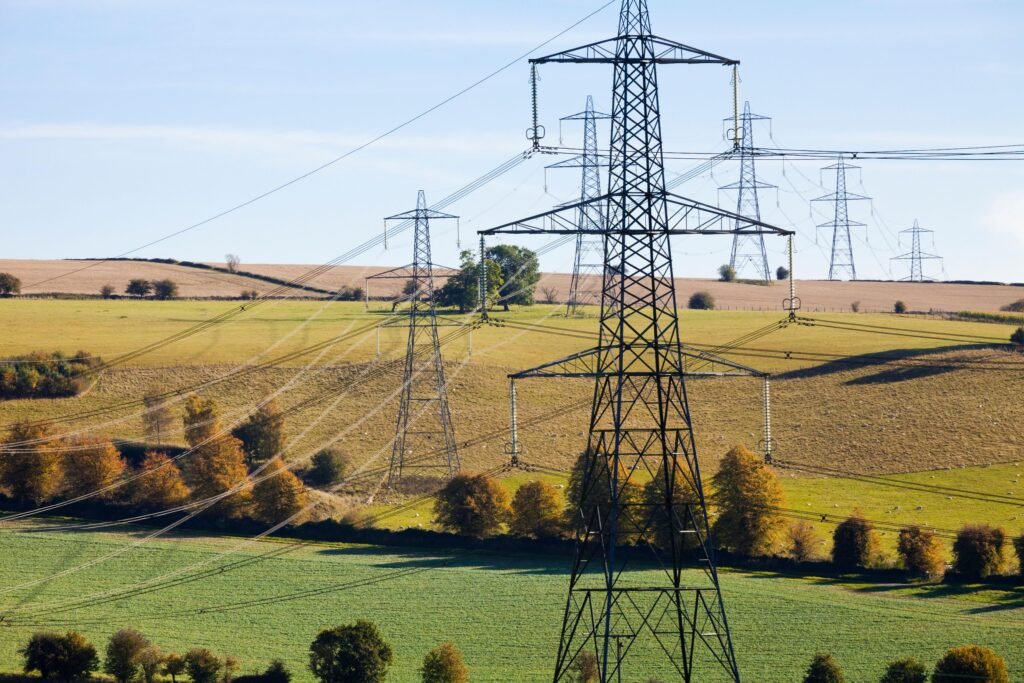
England depends heavily on digital infrastructure. Electricity grids, water treatment plants, hospitals, transport systems, mobile networks, banking platforms and supermarket supply chains are now deeply connected to online systems. That connectivity improves efficiency and convenience, but it also creates serious cybersecurity risks.
Cyber attacks against England’s infrastructure are no longer theoretical. They are happening constantly across both public and private sectors. Some are stopped quietly behind the scenes, while others cause major disruption, financial damage and public concern. We connected power stations, hospitals and transport systems to networks, then collectively acted surprised when criminals noticed. An astonishing long-term strategy.
The biggest issue today is not just hackers acting alone. The real concern is the combination of ageing infrastructure, international political tension, AI-assisted attacks, supply chain weaknesses and critical systems being connected online faster than they are being secured.
Why England’s Infrastructure Is Such A Major Target
Critical infrastructure is attractive to attackers because disruption creates panic, financial loss and political pressure. Criminals and hostile states understand that shutting down a hospital network or disrupting electricity systems creates far greater impact than targeting ordinary organisations.
England is particularly exposed because it has:
- Highly digitised public services
- Large financial and energy sectors
- Extensive legacy infrastructure
- Increasing use of smart technology
- Heavy reliance on outsourced IT providers
- Growing geopolitical tensions
According to the UK Government’s National Cyber Security Centre (NCSC), cyber attacks against critical national infrastructure are becoming more aggressive, sophisticated and frequent.

The Biggest Cybersecurity Threats Facing UK Infrastructure
Ransomware Attacks
Ransomware remains one of the most dangerous threats to English infrastructure.
This type of attack encrypts systems and demands payment to restore access. In many cases, attackers also steal sensitive data before locking systems.
UK organisations are frequently targeted because many cannot afford extended downtime.
Real-world examples include:
- NHS disruption during the WannaCry attack in 2017
- English councils suffering service outages
- Logistics and transport firms being paralysed
- Manufacturing facilities halting operations
The WannaCry incident alone caused widespread disruption across the NHS, cancelling appointments and affecting hospitals across England.
Attackers now specifically target operational downtime. Hospitals, utilities and transport providers cannot simply stop operating for weeks while systems are rebuilt.
Why Ransomware Is Becoming Worse
Modern ransomware groups operate like professional businesses. Many now have:
- Negotiators
- Customer support portals
- Affiliate programmes
- Automated attack kits
- Cryptocurrency payment systems
Some ransomware groups are also linked to hostile states or operate from countries unwilling to prosecute them.
Artificial intelligence is now accelerating phishing emails, malware development and vulnerability scanning, making attacks faster and harder to detect.
State-Sponsored Cyber Attacks
One of the England’s greatest cybersecurity concerns is hostile nation-state activity.
Countries including Russia, China, Iran and North Korea have all been linked by Western intelligence agencies to cyber operations targeting infrastructure, espionage and strategic systems.
These attacks are not always designed to cause immediate damage. In many cases, the goal is:
- Long-term espionage
- Intelligence gathering
- Infrastructure mapping
- Positioning malware for future conflict
- Economic disruption
Energy Infrastructure Risks
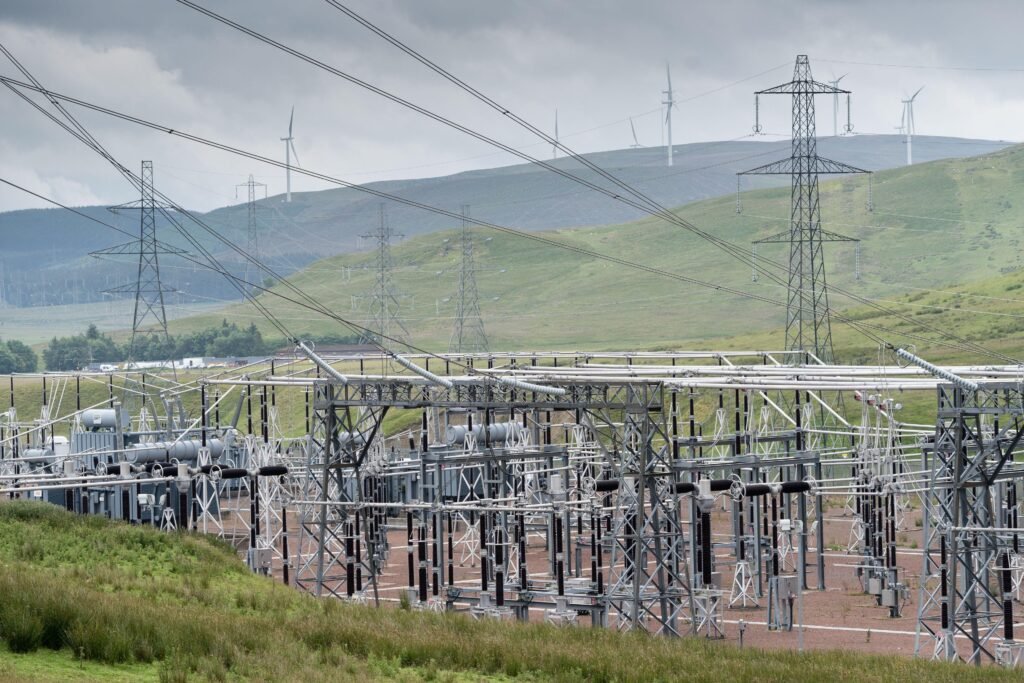
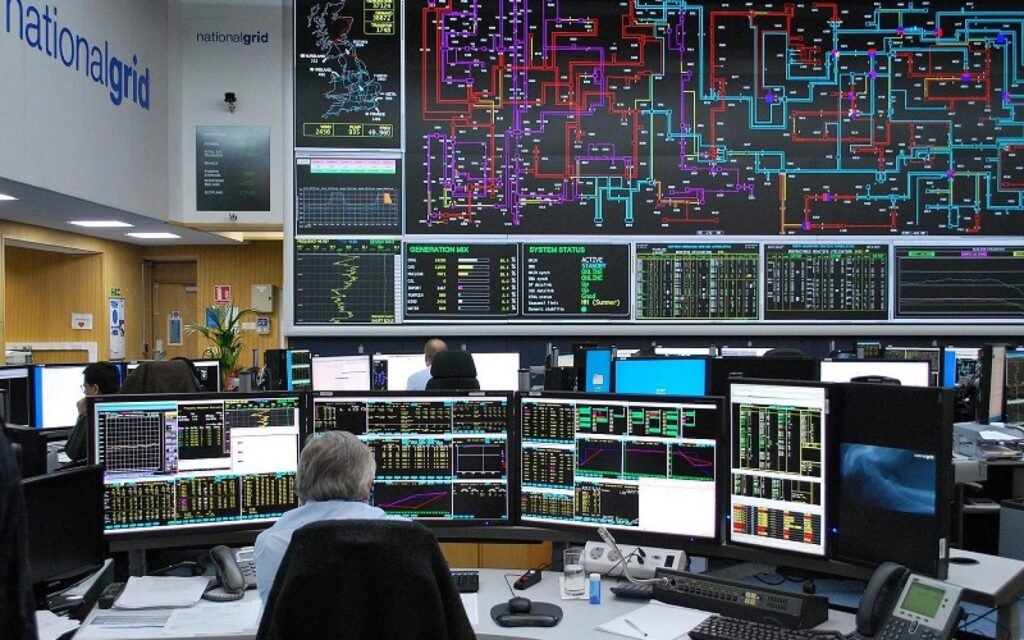
Energy infrastructure is especially vulnerable because modern electricity grids rely heavily on digital control systems.
Attackers targeting energy infrastructure could potentially:
- Interrupt regional power supplies
- Damage operational technology systems
- Disrupt smart grid management
- Affect fuel supply logistics
- Create cascading failures across transport and communications
The cyber attack against Ukraine’s power grid in 2015 demonstrated that real-world electricity disruption through hacking is possible.
British security experts regularly reference that incident when discussing UK preparedness.

Attacks Against Operational Technology (OT)
Many infrastructure systems use Operational Technology, often known as OT.
These systems control physical operations such as:
- Water pumps
- Traffic systems
- Industrial machinery
- Rail signalling
- Energy distribution
- Manufacturing facilities
The problem is that many OT systems were never originally designed for internet connectivity.
Legacy Infrastructure Problems
A major challenge in the UK is ageing technology.
Some infrastructure still operates using:
- Outdated operating systems
- Unsupported software
- Old industrial controllers
- Weak authentication systems
Many organisations upgraded these systems gradually over decades rather than rebuilding securely from scratch because replacing national infrastructure is extremely expensive.
This creates significant vulnerabilities for attackers to exploit.
Supply Chain Cyber Attacks
One of the fastest-growing cybersecurity threats is supply chain compromise.
Instead of attacking the main target directly, attackers infiltrate suppliers or software providers first.
This approach is highly effective because trusted vendors often have privileged access into infrastructure systems.
Real-World Concerns In England
Supply chain attacks can affect:
- NHS software providers
- Energy contractors
- Cloud hosting providers
- Telecoms suppliers
- Government IT contractors
The SolarWinds breach in the United States demonstrated how devastating supply chain attacks can become globally.
A single compromised software update can spread malware into thousands of organisations simultaneously.
The UK’s increasing reliance on outsourced digital services increases this risk considerably.
Phishing And Human Error
Despite advances in cybersecurity technology, human error remains one of the biggest security vulnerabilities. Entire national systems protected by multi-million-pound security platforms, then undone because somebody clicked a fake invoice email while drinking tea at 8:07am. The digital age remains deeply committed to chaos.
Phishing attacks trick staff into:
- Clicking malicious links
- Opening infected attachments
- Sharing passwords
- Approving fraudulent payments
Infrastructure organisations are particularly attractive targets because even one compromised employee account can provide access to sensitive systems.
AI-Powered Phishing
Artificial intelligence is making phishing dramatically more convincing.
Modern phishing campaigns can now include:
- Perfect grammar
- Voice cloning
- Personalised messages
- Realistic login pages
- AI-generated phone scams
Traditional advice about spotting spelling mistakes in phishing emails is becoming increasingly outdated.

Threats To England’s Healthcare Systems
Healthcare remains one of the most vulnerable sectors.
The NHS handles enormous amounts of sensitive data while operating under pressure with mixed legacy systems.
Cyber attacks against healthcare can have direct physical consequences.
Why Healthcare Is Targeted
Hospitals are attractive to attackers because they often:
- Cannot tolerate downtime
- Use older systems
- Have large user bases
- Share data across organisations
- Depend on rapid access to records
A serious cyber attack could affect:
- Emergency care
- Appointment systems
- Ambulance coordination
- Prescription services
- Diagnostic equipment
The healthcare sector has become a prime ransomware target globally.

Attacks On UK Transport Infrastructure
Transport systems are increasingly digital.
Rail networks, airports, traffic systems and logistics operators now rely heavily on connected platforms.
Potential cyber risks include:
- Rail signalling disruption
- Airport operational failures
- Smart motorway interference
- Fuel distribution problems
- Shipping logistics attacks
The UK transport network is deeply interconnected, meaning disruption in one area can quickly affect others.
Aviation Concerns
Airports face particular cybersecurity challenges because they depend on:
- Passenger databases
- Air traffic systems
- Baggage automation
- Border systems
- Third-party software providers
A major cyber outage could cause nationwide disruption within hours.

- Centralized Data Storage – Consolidate all your data for complete data ownership and multi-platform access
- Sharing and Syncing Across Systems – Access, share, and sync data across different systems and devices using intuitive c…
- Powerful Backup and Restoration – Back up and restore critical devices and data using a host of intuitive backup tools
Internet Of Things (IoT) Vulnerabilities
The rise of connected devices is creating enormous new attack surfaces.
Infrastructure increasingly uses:
- Smart sensors
- Remote monitoring devices
- CCTV systems
- Smart meters
- Connected industrial equipment
Many IoT devices suffer from:
- Weak passwords
- Poor firmware security
- Lack of updates
- Insecure communications
Compromised devices can be used for espionage, botnets or access into wider infrastructure systems.
Cloud Infrastructure Risks
The UK’s migration to cloud computing has improved flexibility but introduced new cybersecurity concerns.
A single cloud provider outage or compromise could affect multiple sectors simultaneously.
Key Cloud Risks Include
- Misconfigured storage
- Weak identity management
- Insider threats
- Shared platform vulnerabilities
- Data sovereignty concerns
Many organisations incorrectly assume cloud providers automatically handle all security responsibilities.
In reality, cloud security is usually a shared responsibility model.

Artificial Intelligence And Automated Cyber Attacks
Artificial intelligence is rapidly changing cyber warfare.
Attackers now use AI to:
- Automate vulnerability scanning
- Generate phishing campaigns
- Analyse stolen data
- Create deepfakes
- Bypass detection systems
Defenders are also using AI, but attackers often move faster because they do not face the same regulatory or operational restrictions.
Deepfake Risks
One growing concern is AI-generated impersonation.
Attackers can now create fake:
- Executive phone calls
- Video messages
- Voice recordings
- Internal communications
This could potentially be used to manipulate infrastructure staff or bypass security checks.

How Prepared Is England?
England is significantly more prepared than many countries, but major challenges remain.
The NCSC, intelligence agencies and private sector security teams have invested heavily in cyber defence capabilities.
Important protections now include:
- Cyber Essentials schemes
- National infrastructure monitoring
- Threat intelligence sharing
- Incident response planning
- Infrastructure resilience exercises
However, preparation levels vary significantly between sectors.
Smaller Suppliers Remain Vulnerable
Large national operators may have strong defences, but smaller suppliers often do not.
Attackers increasingly target weaker third parties because they provide indirect access into larger systems.
This remains one of the biggest unresolved cybersecurity problems in the UK today.
What Would A Major Cyber Attack On English Infrastructure Look Like?
A serious coordinated attack could involve multiple sectors simultaneously.
Possible consequences might include:
- Regional power disruption
- Fuel shortages
- Mobile network outages
- NHS delays
- Transport disruption
- Payment processing failures
- Water supply interruptions
The greatest risk is not always permanent damage but cascading disruption.
Modern infrastructure systems are deeply interconnected. A cyber attack affecting one area can rapidly impact others.
What Needs To Improve?
Better Infrastructure Investment
Many systems require full modernisation rather than temporary fixes.
Improved Staff Training
Cyber awareness must improve across all infrastructure sectors.
Stronger Supply Chain Security
Suppliers need stricter security standards and auditing.
Faster Incident Response
Rapid detection and containment remain essential.
Greater Public-Private Cooperation
Infrastructure protection increasingly depends on intelligence sharing between government and private companies.

- Keep your online accounts safe from hackers with the YubiKey. Trustworthy and easy-to-use, it’s your key to a safer digi…
- CONVENIENT & PORTABLE: Convenient to carry and use wherever you go, ensuring secure access to your accounts at all times…
- VERSATILE COMPATIBILITY: Supported by Google and Microsoft accounts, password managers and hundreds of other popular ser…
Final Thoughts
The biggest cybersecurity threats to English infrastructure are no longer isolated hacker incidents. They are strategic, large-scale risks involving organised crime groups, hostile states and increasingly sophisticated technologies.
Ransomware, supply chain attacks, operational technology vulnerabilities and AI-driven threats are all growing rapidly.
The UK has strong cyber expertise and some of the world’s leading intelligence capabilities, but infrastructure security remains a constant race between defenders trying to modernise systems and attackers searching for weaknesses.
Most people only notice infrastructure when it fails. Cybersecurity professionals spend their time trying to ensure that never happens. Usually while organisations debate whether security upgrades can wait until next year. Historically, that tends to become a very expensive decision.
Accelerate Your Learning
We have created Professional High Quality Downloadable PDF’s at great prices for UK Businesses provided to you from our main website. Which include various helpful Cyber related documents and real world scenarios your business might experience, showing what to do and how to protect your business. Find them here.