A global perspective on cyber defence capability

Cybercrime has become a global industry targeting governments, businesses, and individuals across borders. Assessing how well a country prevents attacks and disrupts cybercriminals is difficult because different countries publish different data and measure success differently.
However, several international benchmarks and operational statistics provide a clear picture: the United Kingdom consistently ranks among the most capable cyber-defence nations in the world, though it is also one of the most heavily targeted because of its economic importance.
Global Rankings: Where the UK Stands
International Telecommunication Union – Global Cybersecurity Index
The Global Cybersecurity Index (GCI) from the International Telecommunication Union evaluates 193 countries across five pillars:
- Legal measures
- Technical measures
- Organisational structures
- Capacity building
- International cooperation
The 2024 edition classifies 46 countries in the highest tier (Tier-1), representing the most advanced cyber-security frameworks globally. The United Kingdom is part of this top tier, demonstrating strong commitment across all five pillars.
The UK has historically scored extremely highly in this index. Earlier editions even placed it among the top five globallyfor cybersecurity readiness.
Global cyber-safety comparisons
Several independent cybersecurity studies also place the UK near the top of global cyber-defence capability.
One analysis combining multiple cybersecurity indicators (resilience, exposure, and readiness) ranked the United Kingdom among the top five safest countries for cyber defence, with a cyber-safety score of roughly 89.75.
These rankings highlight that the UK performs strongly across multiple indicators of cyber-security capability.

Why the UK Scores Highly
The National Cyber Security Centre (NCSC)
The National Cyber Security Centre (NCSC), part of the UK’s intelligence agency GCHQ, is widely considered one of the most influential national cyber-security agencies.
Its core responsibilities include:
- Monitoring national cyber threats
- Responding to major cyber incidents
- Coordinating with industry and government
- Running national protection programmes
The centre’s integration with the Five Eyes intelligence alliance (UK, US, Canada, Australia, New Zealand) significantly strengthens the UK’s intelligence-sharing capabilities against global cyber threats.
Measured Success: Preventing and Disrupting Cybercrime
National-scale protection programmes
One of the UK’s most distinctive cyber-defence initiatives is Active Cyber Defence (ACD).
This programme attempts to reduce the success rate of cybercrime at scale by:
- identifying malicious domains
- removing phishing websites
- alerting organisations to vulnerabilities
- blocking malicious email campaigns
These programmes operate nationally rather than at individual company level, which allows them to disrupt large numbers of attacks before victims even see them.
Early detection and threat intelligence
The UK’s cyber-defence model emphasises early detection.
This includes:
- analysing malicious infrastructure worldwide
- sharing intelligence with allied governments
- notifying organisations when suspicious activity is detected
Such early-warning systems allow companies to fix vulnerabilities before attacks escalate into major breaches.
Why the UK Is Frequently Targeted
A high-value digital economy

Ironically, strong cyber defences often coincide with high levels of attack attempts.
The UK is consistently targeted because it is:
- one of the world’s largest financial centres
- home to global banking and insurance firms
- a hub for international technology companies
- a major intelligence and defence partner in Western alliances
Cybercrime threat analysis suggests the UK is among the top ten countries most frequently targeted by cybercriminals, largely due to these economic and strategic factors.
Strengths of the UK’s Cyber-Defence Strategy
1. Strong national coordination
Unlike many countries with fragmented cyber agencies, the UK centralised cyber defence through the NCSC, giving it a clear national authority.
2. International intelligence cooperation
Membership in alliances such as Five Eyes allows the UK to access global threat intelligence and detect attacks earlier.
3. Public-private collaboration
Government agencies share threat intelligence with:
- financial institutions
- telecom providers
- technology companies
- critical infrastructure operators
This cooperation improves collective resilience.
4. Academic and research leadership
British universities and research centres contribute significantly to:
- cryptography research
- artificial-intelligence security
- cyber-threat analysis

Areas Where the UK Still Faces Challenges
Even highly ranked cyber-defence countries face significant difficulties.
Increasing sophistication of attackers
Cybercriminal groups now use:
- artificial intelligence
- automated hacking tools
- ransomware-as-a-service platforms
This lowers the skill barrier for attackers and increases attack volume globally.
Supply-chain attacks
Modern cyberattacks often target third-party software suppliers, allowing attackers to compromise multiple organisations simultaneously.
Human factors
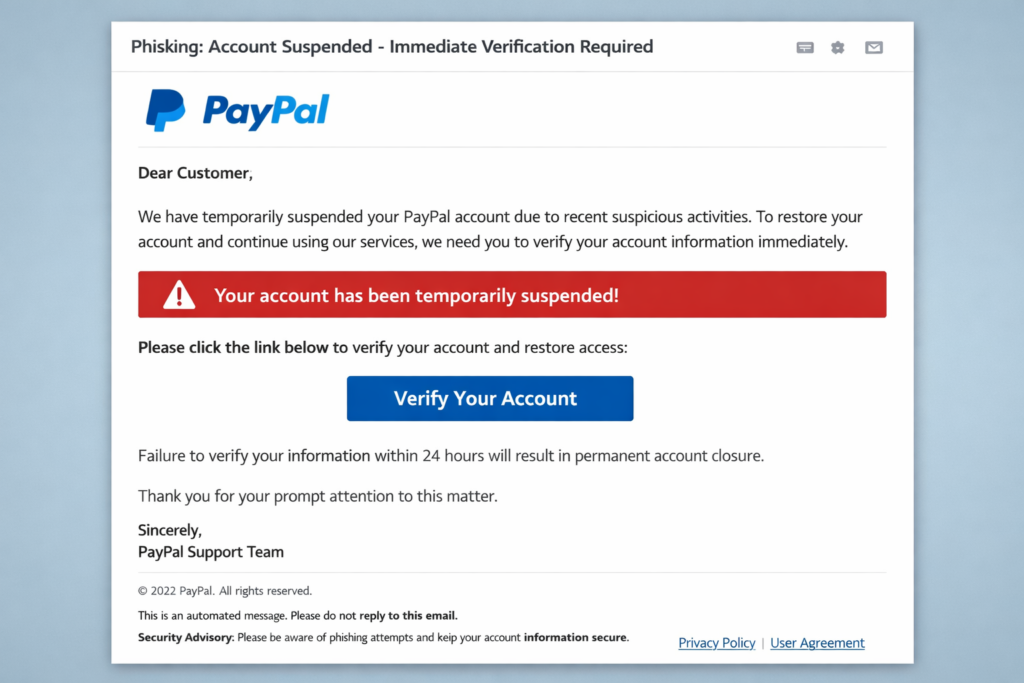
Phishing and social-engineering attacks still succeed because they exploit human behaviour rather than technical vulnerabilities.
Advertisement

- PRE-PAID SUBSCRIPTION WITH SIGN UP AND ACTIVATION ONLINE: A payment method (credit card or PayPal) must be saved in your Norton account to activate and use. No charge occurs before the billing date for the subscription renewal
- SUBSCRIPTION WITH AUTOMATIC RENEWAL: No service disruption since this subscription automatically renews annually. If you do not wish to renew, you can cancel the subscription renewal in your Norton account at any time before the day on whic…
- Protect multiple devices, including PCs, Mac, smartphones and tablets, against malware, phishing and ransomware with additional device protection (up to 10 devices)
Expert Perspective: What the Rankings Really Mean
Cybersecurity rankings should be interpreted carefully.
They measure preparedness and capability, not the total number of attacks stopped.
In reality:
- Countries with strong economies and advanced digital infrastructure tend to be both well-defended and heavily targeted.
- Cyber-defence success is often invisible because prevented attacks rarely make headlines.
Final Verdict: The UK’s Position in Global Cyber Defence
Taking multiple global indicators together:
- The United Kingdom is widely regarded as a top-tier cyber-security nation.
- It is classified among the highest-performing countries in global cybersecurity frameworks such as the ITU Global Cybersecurity Index.
- Independent analyses consistently place the UK within the world’s leading cyber-defence countries.
In practical terms, the UK is generally considered:
- Top-tier globally for cybersecurity readiness
- Among the world leaders in national-level cyber-attack prevention
- A frequent target because of its economic and strategic importance
So the uncomfortable reality is this:
the UK is one of the best-defended digital economies in the world, but also one of the most attractive targets for global cybercriminals.
That combination tends to keep the country permanently busy in cyberspace.
Accelerate Your Learning
We have created Professional High Quality Downloadable PDF’s at great prices for UK Businesses provided to you from our main website. Which include various helpful Cyber related documents and real world scenarios your business might experience, showing what to do and how to protect your business. Find them here.