Electric vehicles (EVs) are becoming an increasingly common sight on British roads. Government policy, manufacturer investment and consumer demand are all driving the transition away from petrol and diesel vehicles. However, as EVs become more connected, digitally managed and dependent on charging infrastructure, cyber security is emerging as a significant factor that could influence public confidence and adoption rates.
While cyber attacks are unlikely to stop the EV revolution entirely, they could slow adoption if consumers lose trust in charging networks, vehicle software or the wider ecosystem that supports electric transport.
Why Cyber Security Matters for EV Adoption
Unlike traditional petrol stations, EV charging relies heavily on connected technology.
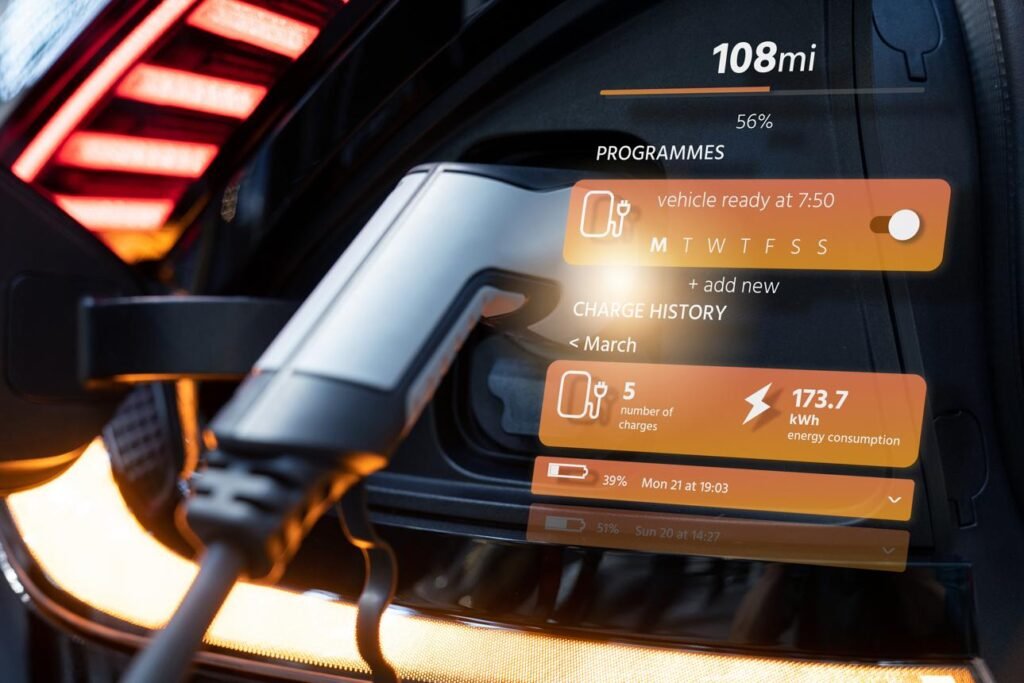
Drivers increasingly depend on:
- Mobile apps
- Online payment systems
- Smart charging schedules
- Vehicle software updates
- Cloud-based management platforms
- Public charging networks
If these systems fail or are compromised, drivers may find themselves unable to charge, access accounts or trust the reliability of the infrastructure.
For many consumers already uncertain about switching to EVs, reports of cyber incidents could reinforce concerns about reliability and convenience.
Consumer Confidence Drives Adoption
Perception Can Be More Important Than Reality
One successful cyber attack can generate national headlines.
Even if the actual impact is limited, public perception can create lasting damage.
Consumers often ask:
- Can hackers disable chargers?
- Is my payment information safe?
- Could someone access my vehicle remotely?
- What happens if charging networks go offline?
These concerns influence purchasing decisions.
The technology does not necessarily need to be insecure. It simply needs to appear insecure for confidence to decline.
Cyber Attacks on Charging Infrastructure
Disruption of Public Charging Networks
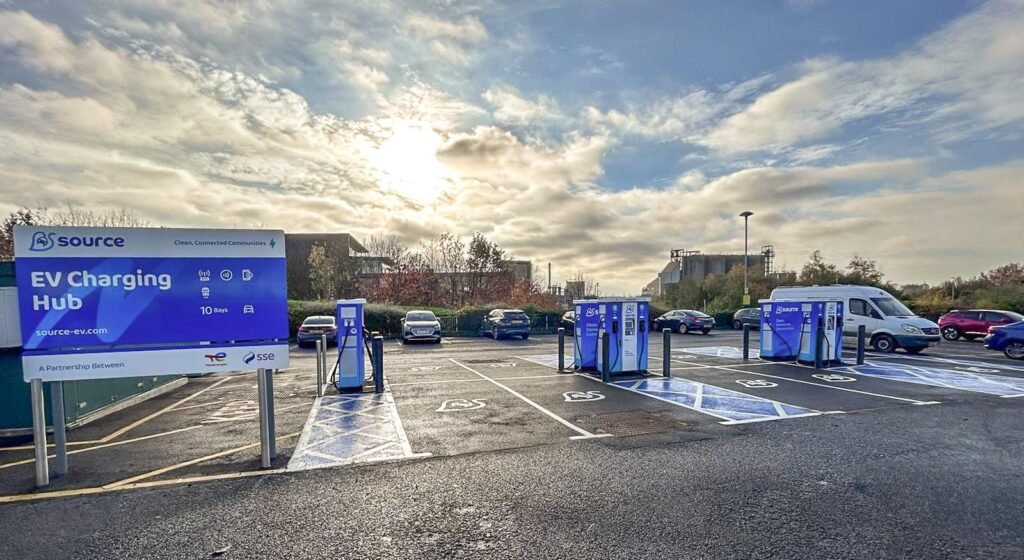
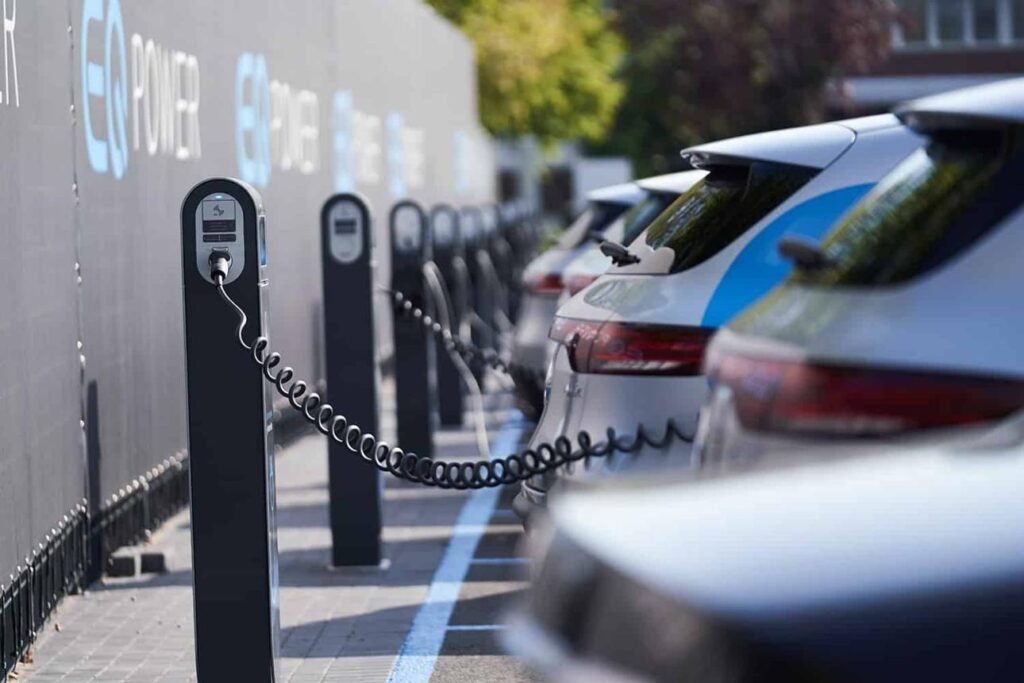
A coordinated cyber attack against a charging network operator could potentially:
- Disable charging stations
- Prevent user authentication
- Block payments
- Disrupt charger availability data
- Cause widespread service outages
Drivers arriving at chargers only to find them unavailable would quickly lose confidence in the network.
This concern is explored further in the article Could Hackers Disable EV Charging Infrastructure?

Real-World Warning Signs
Although large-scale EV charging attacks remain relatively rare, security researchers have repeatedly identified vulnerabilities in charging platforms worldwide.
Researchers have demonstrated weaknesses involving:
- Remote charger management systems
- Insecure APIs
- Weak authentication controls
- Poorly protected communications protocols
Most vulnerabilities are fixed responsibly before exploitation, but they highlight the importance of security by design.
Smart Charging Creates New Risks
Convenience Versus Security
Smart charging allows vehicles to:
- Charge during cheaper tariff periods
- Respond to grid demand
- Integrate with renewable energy systems
- Support vehicle-to-grid services
These features offer major benefits but also increase digital complexity.
Every connected component creates another potential attack surface.
The risks discussed in What Cyber Risks Are Associated With Smart Charging? demonstrate how attackers may target connected energy systems in ways that were impossible with traditional fuel infrastructure.

- SECURITY KEY: Protect your online accounts against unauthorized access by using 2 factor authentication with the Yubico …
- FIDO: The Yubico Security Key NFC is FIDO certified and works with Google Chrome and any FIDO-compliant application on W…
- FITS USB-A PORTS: Once registered, each service will request you to insert the Yubico PC Security Key into a USB-A port …
Grid-Level Implications
Security experts have warned that if large numbers of chargers were compromised simultaneously, attackers could theoretically create sudden shifts in electricity demand.
Such attacks would require considerable sophistication and remain largely theoretical, but they illustrate why governments and energy providers take EV cyber security seriously.
Data Breaches Could Damage Trust
EV Ecosystems Hold Valuable Data
Charging providers collect significant amounts of information.
This may include:
- Names
- Email addresses
- Payment details
- Vehicle identifiers
- Charging histories
- Location data
A major breach could expose sensitive information and reduce trust in EV platforms.
Consumers increasingly expect organisations to protect their personal data, particularly when location information is involved.
Several industries have already experienced reputational damage following high-profile data breaches, and EV providers are unlikely to be treated differently.
Vehicle Software Security
Modern EVs Are Computers on Wheels
Many EVs receive software updates remotely.
This functionality improves:
- Performance
- Battery management
- Safety systems
- Navigation features
However, it also creates cyber security responsibilities for manufacturers.
If vulnerabilities exist within vehicle software, attackers could potentially exploit them.
Manufacturers invest heavily in cyber security testing, secure update mechanisms and vulnerability management programmes to minimise these risks.
Media Coverage Can Influence Adoption
Headlines Shape Public Opinion
A cyber incident affecting thousands of drivers could receive widespread media attention.
Human behaviour follows a predictable pattern:
- One cyber incident occurs
- Media coverage expands rapidly
- Social media amplifies concerns
- Consumers question technology adoption
The actual likelihood of being affected becomes less important than public perception.
The EV industry therefore has a strong incentive to prevent incidents and communicate transparently when issues arise.

Regulation Helps Protect Adoption
Government Action Is Increasing
The UK has introduced specific security requirements for smart charging devices.
The article What Cyber Regulations Apply to EV Chargers in England? explains how legislation now requires manufacturers and operators to implement security measures designed to reduce cyber risks.
Requirements include:
- Unique device credentials
- Protection against unauthorised access
- Secure communications
- Software update capabilities
These regulations help strengthen public confidence by ensuring minimum security standards.
Are Public Charging Networks Secure Enough?
The Current Position
Most major charging operators recognise cyber security as a business-critical issue.
Operators increasingly deploy:
- Encryption
- Multi-factor authentication
- Continuous monitoring
- Vulnerability assessments
- Incident response planning
The article Are Public Charging Networks Secure? explores the measures currently being implemented across the sector.
While no system can ever be completely risk-free, security standards are improving rapidly.

- SAVES ENERGY AND HEATING COSTS: With the intelligent heater thermostat X from tado°, the experts for smart heating, user…
- EASY DIY INSTALLATION, EVEN OFFLINE: The included adapter allows the thermostat to be fitted to almost every radiator va…
- CONTROL VIA APP: The thermostat has numerous features for your heating system, such as smart scheduling, temperature con…
Could Cyber Attacks Significantly Slow EV Adoption?
The Most Likely Scenario
Cyber attacks are unlikely to stop EV adoption.
The environmental, economic and regulatory drivers behind electrification remain strong.
However, cyber incidents could slow adoption by:
- Reducing consumer confidence
- Increasing negative media coverage
- Raising infrastructure costs
- Delaying charging network expansion
- Creating regulatory uncertainty
Trust is a critical factor in technology adoption, and trust depends heavily on security.
The Long-Term Outlook
The good news is that the EV sector is learning lessons from other industries that have already faced cyber challenges.
Banks, telecommunications providers and cloud service companies all experienced security growing pains during digital transformation.
The EV industry is following a similar path, implementing stronger protections before cyber attacks become widespread.
Final Thoughts
Cyber attacks represent a genuine risk to electric vehicle ecosystems, but they are unlikely to derail the UK’s transition to electric transport. The greater threat lies in the impact on public confidence rather than the direct technical consequences of individual attacks.
If charging networks, manufacturers and regulators continue investing in cyber security, most consumers will never notice the countless attacks being blocked behind the scenes. Like many aspects of modern cyber security, success often looks boring. Systems simply keep working, drivers keep charging, and the public never sees the digital firefighting happening in the background. An outcome that disappoints hackers and journalists alike, which is generally a good sign.