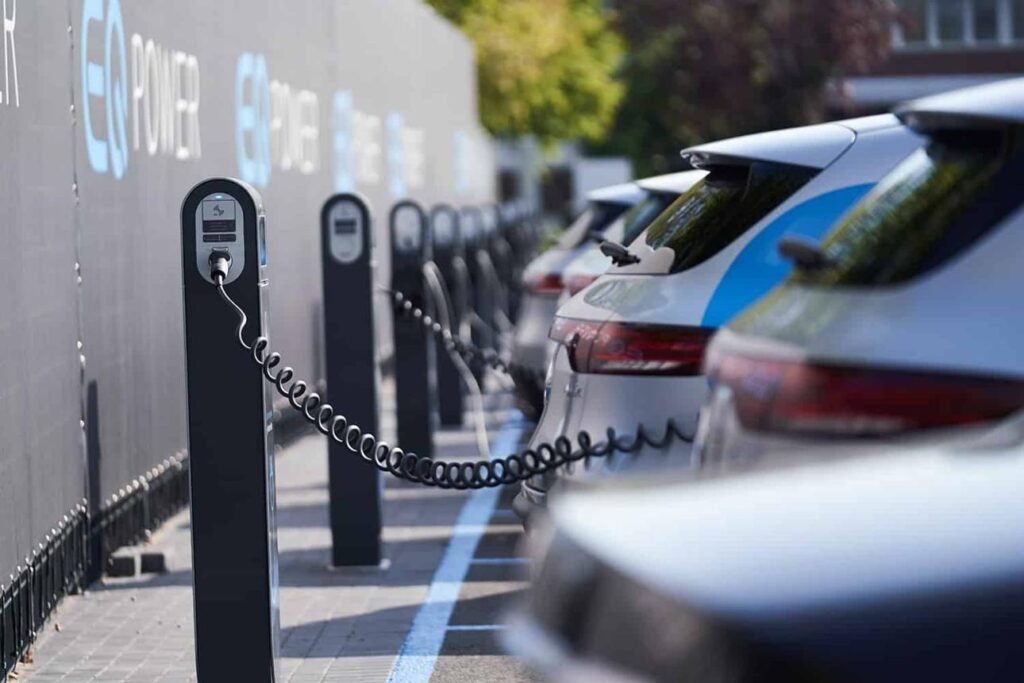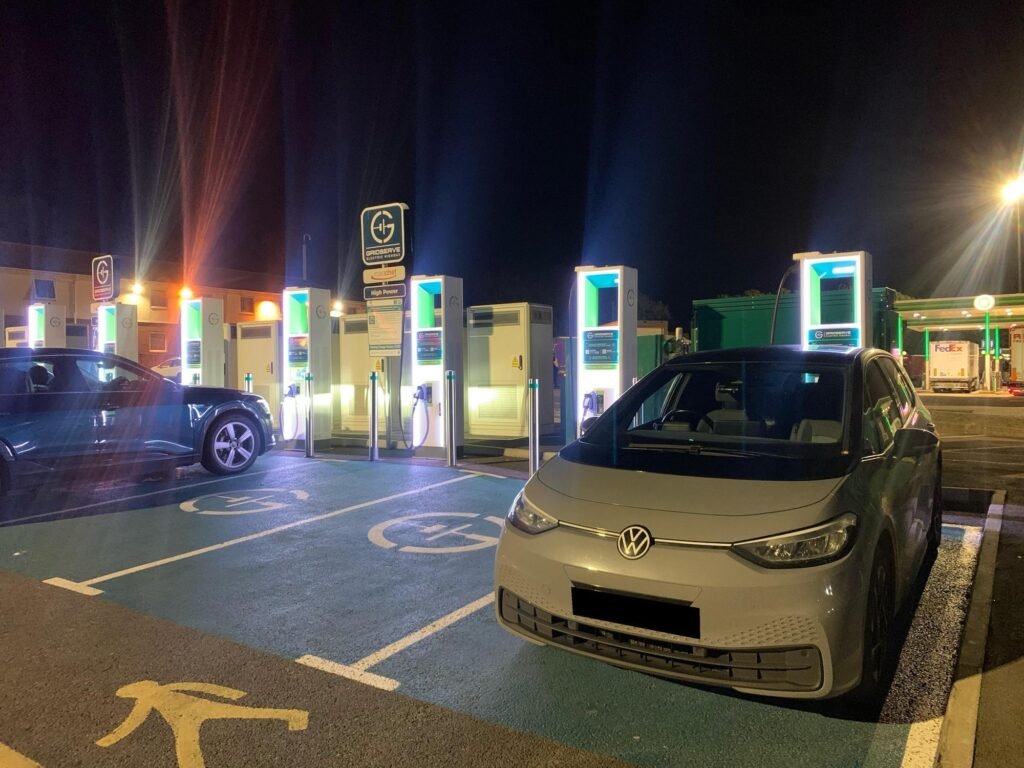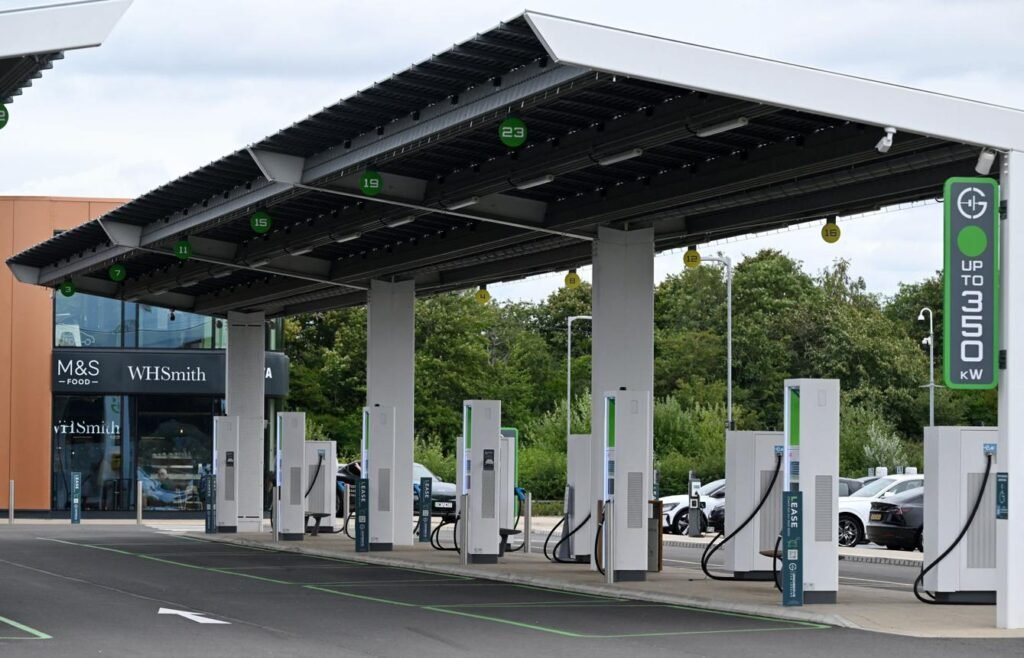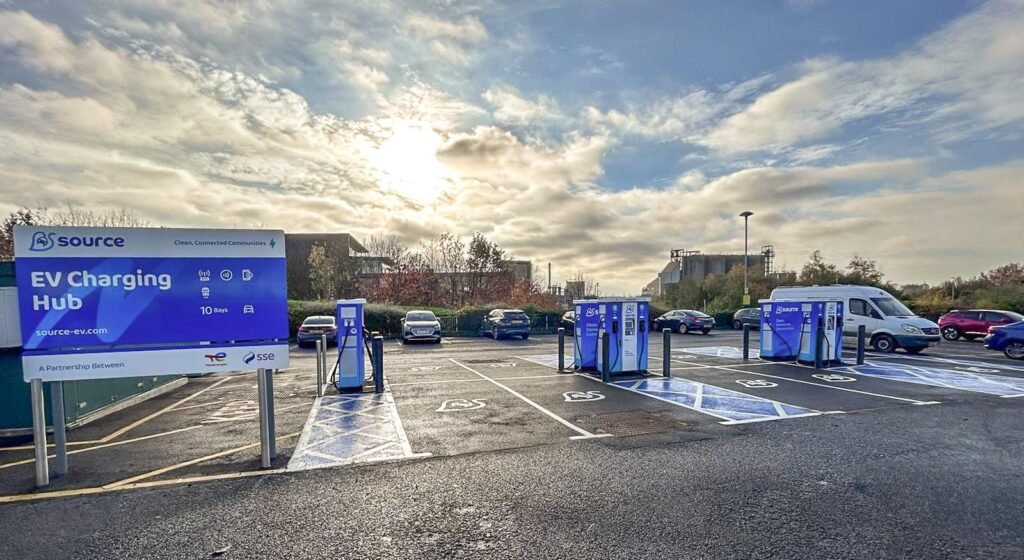
Rapid charging networks have become a critical part of the UK’s electric vehicle infrastructure. Drivers increasingly rely on high-power charging stations at motorway services, retail parks and public charging hubs to keep vehicles moving. As charging speeds increase and networks become more connected, cyber security has become just as important as electrical safety.
The good news is that most major rapid charging providers invest heavily in cyber security. The less reassuring news is that rapid charging networks remain attractive targets for cyber criminals because they combine payment systems, customer data, internet-connected devices and critical infrastructure in one location. Humans have somehow managed to build computers into almost everything, including giant electricity dispensers connected to national infrastructure. Predictably, attackers have noticed.
Why Rapid Charging Networks Need Cyber Security
Rapid charging stations are no longer simple electrical devices.
Modern chargers are connected to:
- Payment processing systems
- Mobile applications
- Cloud management platforms
- Energy management systems
- Vehicle communication interfaces
- Remote monitoring networks
- Software update services
Every connection creates a potential attack surface.
A successful cyber attack could target customer data, disrupt charging services or interfere with charger management systems.

- SAVES ENERGY AND HEATING COSTS: With the intelligent heater thermostat X from tado°, the experts for smart heating, user…
- EASY DIY INSTALLATION, EVEN OFFLINE: The included adapter allows the thermostat to be fitted to almost every radiator va…
- CONTROL VIA APP: The thermostat has numerous features for your heating system, such as smart scheduling, temperature con…
How Rapid Charging Networks Are Protected
Secure Communications
Most reputable charging operators encrypt communications between chargers, cloud platforms and mobile applications.
Encryption helps prevent attackers from intercepting:
- Customer account information
- Payment details
- Charging session data
- Network commands
Strong encryption is considered a basic requirement for modern charging infrastructure.

Authentication Controls
Charging operators typically require authentication before administrative access is granted.
Security measures often include:
- Multi-factor authentication
- Role-based permissions
- Access logging
- Remote access restrictions
These controls reduce the risk of attackers gaining control of charger management systems.
Continuous Monitoring
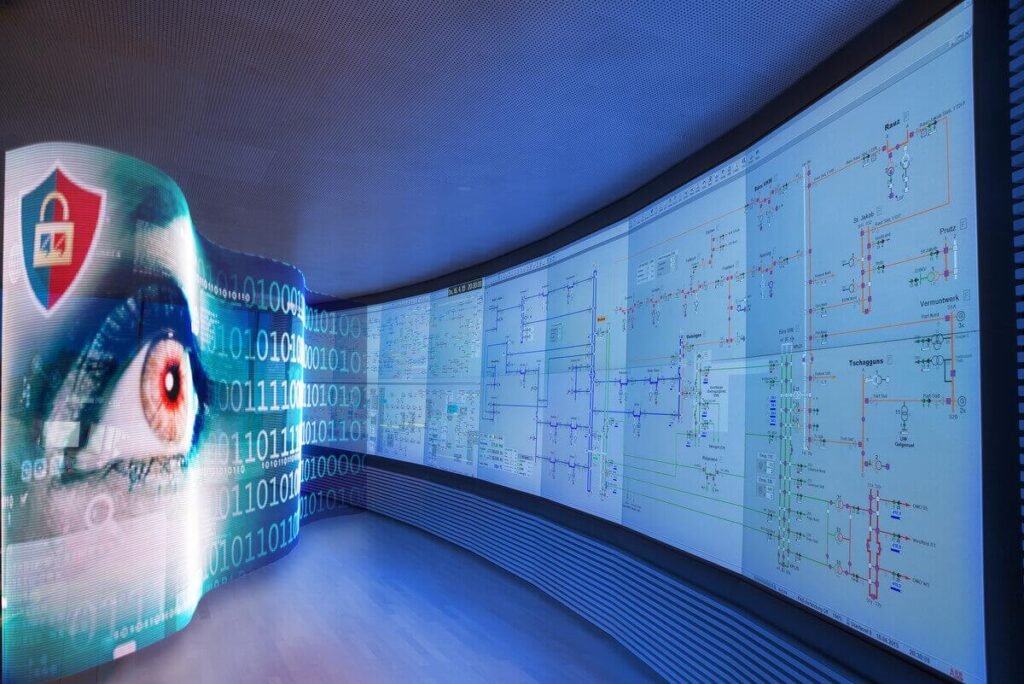
Many networks operate around-the-clock monitoring systems.
Security teams look for:
- Unusual network activity
- Failed login attempts
- Malware indicators
- Suspicious software changes
- Unexpected charger behaviour
Early detection significantly reduces the impact of cyber incidents.
Can Rapid Chargers Be Hacked?
The Short Answer
Yes.
Like any connected technology, rapid chargers can potentially be compromised.
However, hacking a commercial charging network is usually far more difficult than compromising an unsecured consumer device.
Attackers would need to overcome multiple security layers including network protections, authentication controls and cloud security systems.
Realistic Attack Scenarios
Cyber criminals are more likely to target supporting systems than attempt direct control of power delivery.
Potential targets include:
- Customer accounts
- Mobile apps
- Payment platforms
- Operator websites
- Back-office management systems
This is one reason articles such as Can EV Chargers Be Hacked? and Are Public Charging Networks Secure? have become increasingly relevant as charging infrastructure expands across the UK.
Could Attackers Disrupt Charging Services?
Denial-of-Service Attacks
One possible threat involves overwhelming network systems with traffic.
If successful, attackers could:
- Prevent users starting charging sessions
- Disable payment processing
- Interrupt communication between chargers and operators
While such attacks may not physically damage equipment, they could create significant disruption.

- Special Edition Finish: The perfect companion to your Aurora Collection Logitech G headset, mouse and keyboard, Yeti mic…
- Exclusive Streamlabs Aurora Collection Themes: Download exclusive themes that match the look of your Yeti broadcast micr…
- Blue VO!CE Effects: Yeti USB condenser microphone improves your sound and stream with fun vocal effects, HD samples, and…
Ransomware Risks
Rapid charging operators maintain extensive IT environments.
A ransomware attack against business systems could potentially affect:
- Customer support
- Billing platforms
- Network management
- Maintenance scheduling
Several critical infrastructure sectors have already experienced ransomware incidents, making this a realistic concern.

Are Customer Payments Secure?
Payment Card Security
Most major charging providers use established payment security standards.
Protections typically include:
- Tokenised transactions
- Encrypted payment processing
- PCI-compliant payment systems
- Fraud monitoring
In many cases, payment providers handle card information directly, reducing the amount of sensitive data stored by charging operators.
Mobile App Security
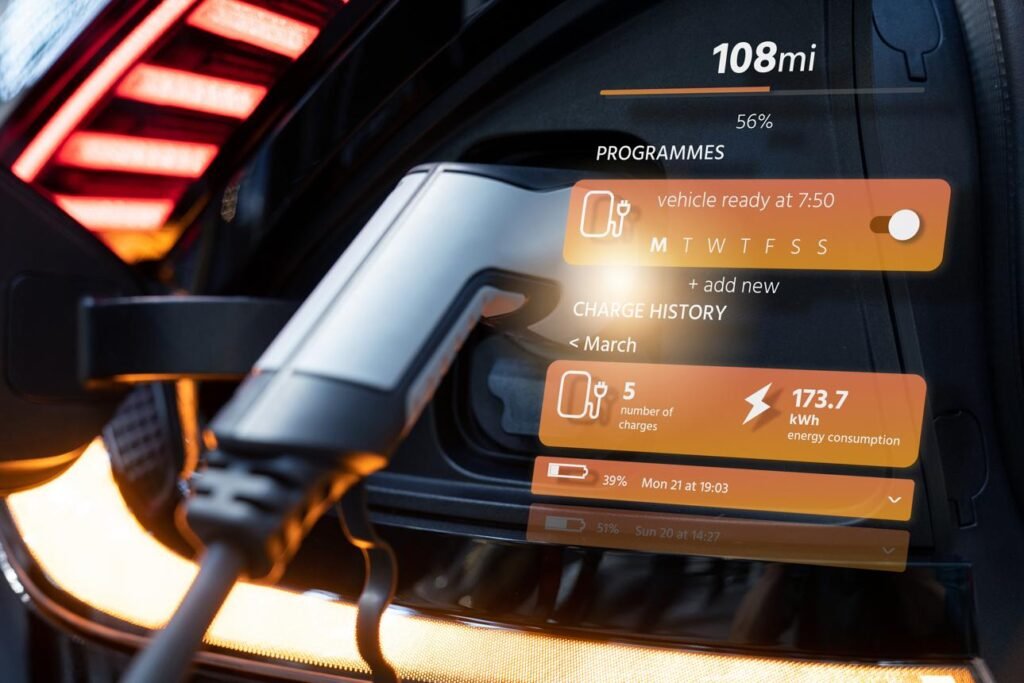
Many charging networks rely on mobile applications.
If poorly secured, mobile apps could expose:
- Personal information
- Vehicle details
- Charging histories
- Payment methods
This is closely related to concerns raised in Can Hackers Steal Data from EV Charging Stations?

- Coverage up to 2,000 sq. ft. and 20 devices
- Fast AX2400 Gigabit speed with WiFi 6 technology for uninterrupted streaming, HD video gaming and web conferencing
- Compatible with any internet service provider up to 1Gbps including cable, satellite, fiber and DSL
What About Smart Charging Features?
Increased Connectivity Means Increased Risk
Modern charging networks increasingly use:
- Smart charging
- Load balancing
- Dynamic pricing
- Vehicle-to-grid integration
- Energy optimisation systems
These technologies deliver efficiency benefits but also increase complexity.
The more systems communicate automatically, the larger the potential attack surface becomes.
This is one reason What Cyber Risks Are Associated with Smart Charging? is becoming a major topic across the energy sector.
Could a Cyber Attack Cause Physical Damage?
Highly Unlikely but Not Impossible
Modern rapid chargers include multiple safety systems designed to prevent dangerous behaviour.
Electrical protections operate independently from many network functions.
As a result, a successful cyber attack would typically need to bypass:
- Software controls
- Hardware protections
- Safety interlocks
- Electrical monitoring systems
While researchers have demonstrated theoretical vulnerabilities in laboratory environments, causing widespread physical damage through a cyber attack remains extremely difficult.
How Operators Improve Security
Regular Software Updates
Charging providers routinely update:
- Charger firmware
- Mobile applications
- Cloud platforms
- Security tools
Updates help close vulnerabilities before they can be exploited.
Security Testing
Many operators perform:
- Penetration testing
- Vulnerability assessments
- Code reviews
- Third-party security audits
These practices help identify weaknesses before attackers find them.
Incident Response Planning
Leading charging providers maintain dedicated response plans for cyber incidents.
These plans cover:
- Threat detection
- Containment procedures
- Service recovery
- Customer communications
- Regulatory reporting
What Drivers Can Do to Stay Safe
Use Trusted Charging Networks
Choose recognised operators with established reputations and visible security practices.

- Installs in circuit panel of most small businesses with clamp-on sensors. Supports Single phase, Single-split phase, and…
- 24/7 Energy Management and Monitoring: Automate and monitor your business’ real power anywhere, anytime to prevent costl…
- Lower Your Electric Bill: Configure settings in the Emporia Energy App to automate energy management for time of use, pe…
Protect Mobile Accounts
Use:
- Strong passwords
- Multi-factor authentication
- Unique login credentials
Keep Apps Updated
Install updates promptly to ensure security fixes are applied.
Monitor Payment Activity
Review charging transactions regularly and report suspicious activity immediately.
Final Thoughts
Rapid charging networks are generally secure, and the largest operators invest heavily in protecting their infrastructure. Encryption, authentication controls, monitoring systems and regular security testing make successful attacks difficult.
However, no connected system is completely immune from cyber threats. As charging networks become larger, smarter and more integrated with energy infrastructure, they will continue to attract attention from cyber criminals.
The greatest risks today are typically service disruption, account compromise and data theft rather than dramatic scenarios involving chargers suddenly turning into electrical supervillains. Attackers usually follow the easiest path to profit, which tends to involve customer accounts and business systems rather than attempting to wage war against a charging cable.
For operators, maintaining strong cyber security will remain essential as the UK’s rapid charging network continues to expand and support the transition to electric transport.
See the EV Charger Cyber Security Assessment – Assess cyber risks linked to your home or workplace EV charger — WiFi, app control, default passwords, firmware and shared access.