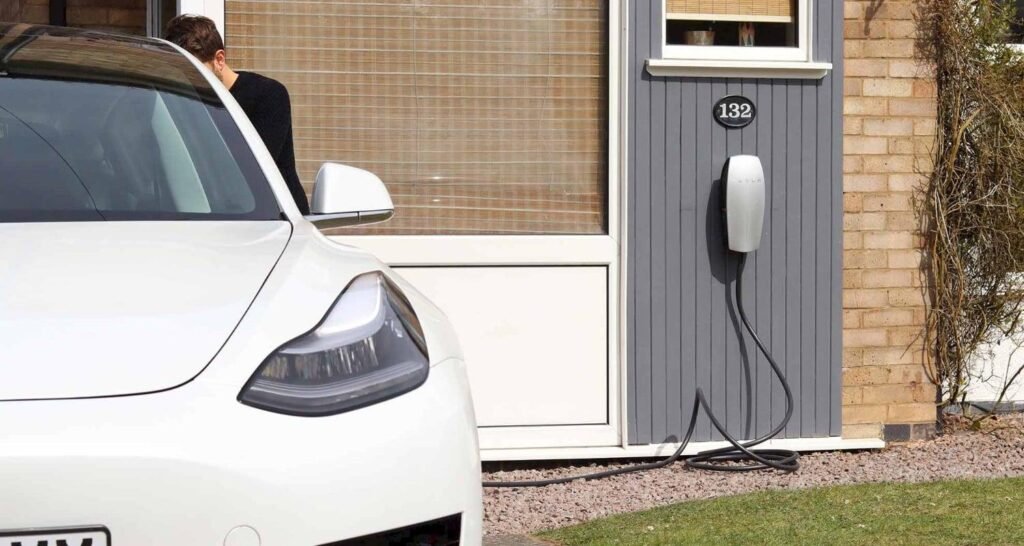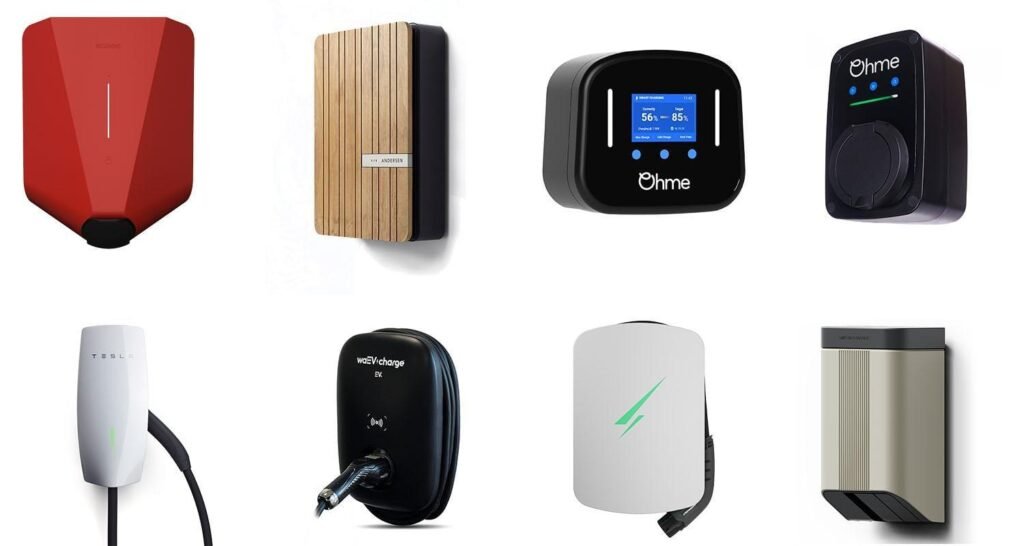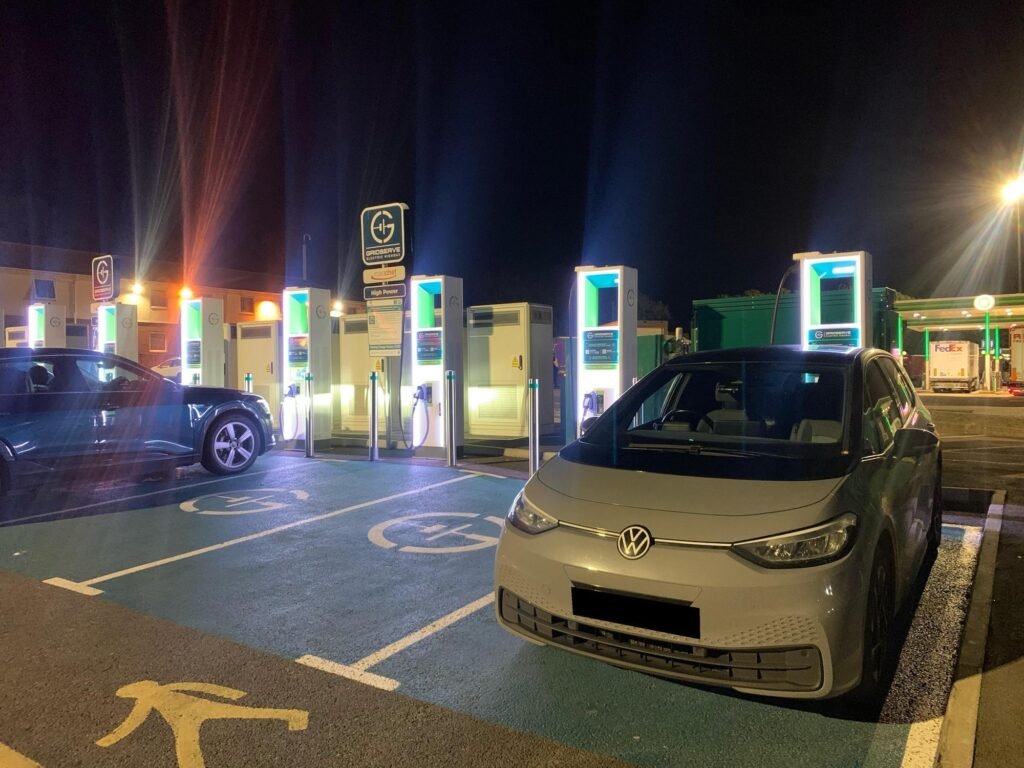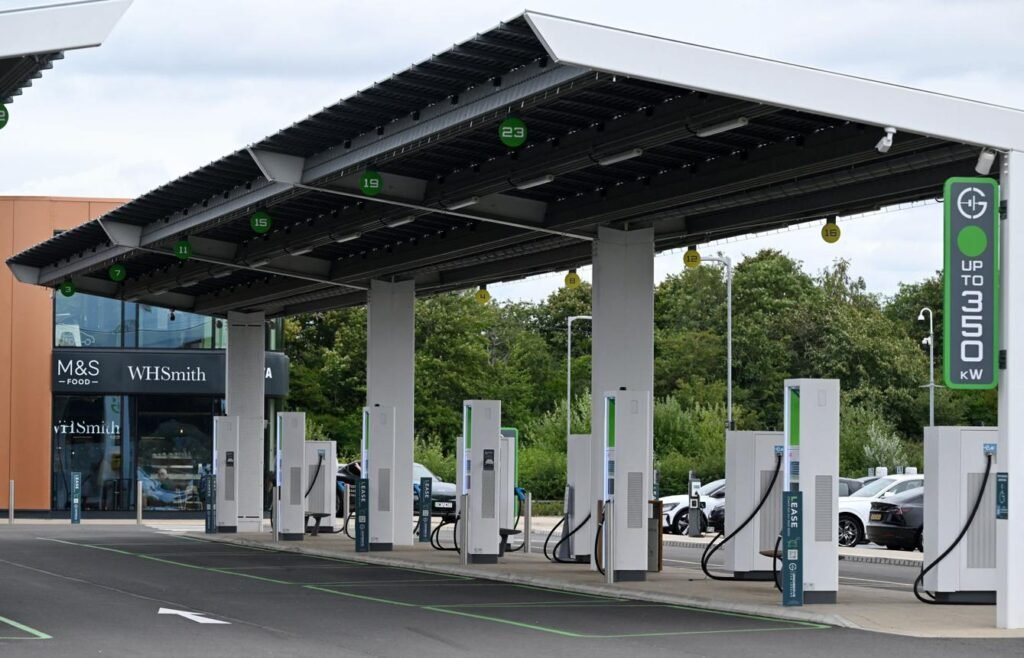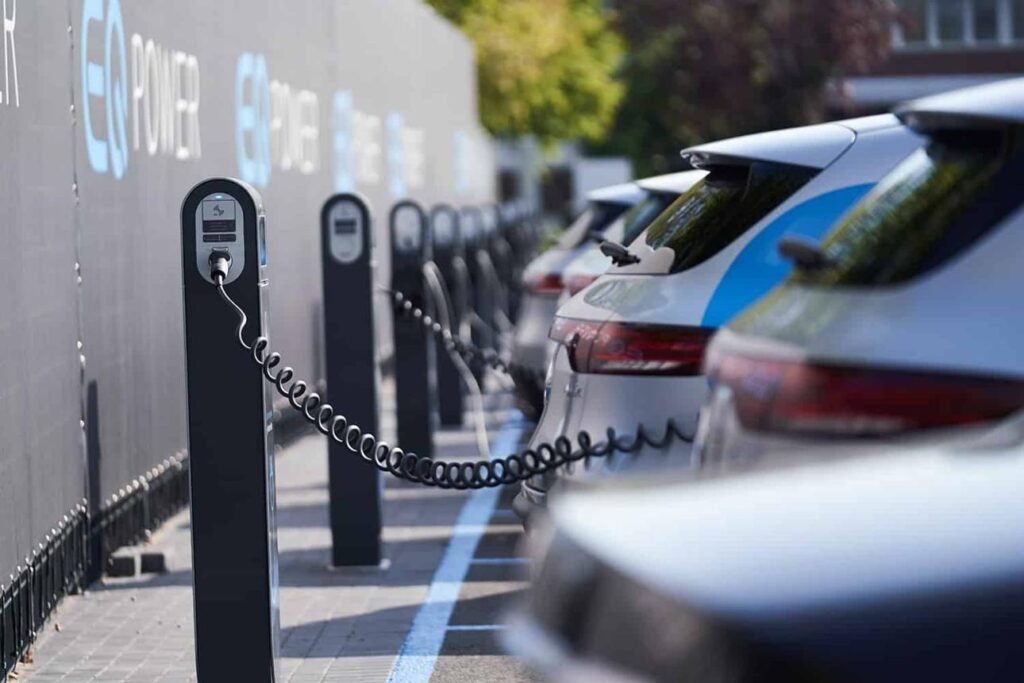
Electric vehicle charging stations are becoming a vital part of the UK’s transport infrastructure. Millions of charging sessions take place every month through public charging networks, workplace chargers and home charging systems.
Most drivers think about battery range, charging speeds and electricity costs. Few think about the amount of personal data being collected every time they plug in. Unfortunately, cyber criminals do think about it. Rather a lot.
While modern charging networks include security protections, EV charging stations and the systems behind them can hold valuable information that attackers may attempt to steal.Can Hackers Steal Data From EV Charging Stations?
Electric vehicle charging stations are becoming a vital part of the UK’s transport infrastructure. Millions of charging sessions take place every month through public charging networks, workplace chargers and home charging systems.
Most drivers think about battery range, charging speeds and electricity costs. Few think about the amount of personal data being collected every time they plug in. Unfortunately, cyber criminals do think about it. Rather a lot.
While modern charging networks include security protections, EV charging stations and the systems behind them can hold valuable information that attackers may attempt to steal.

What Information Do EV Charging Stations Collect?
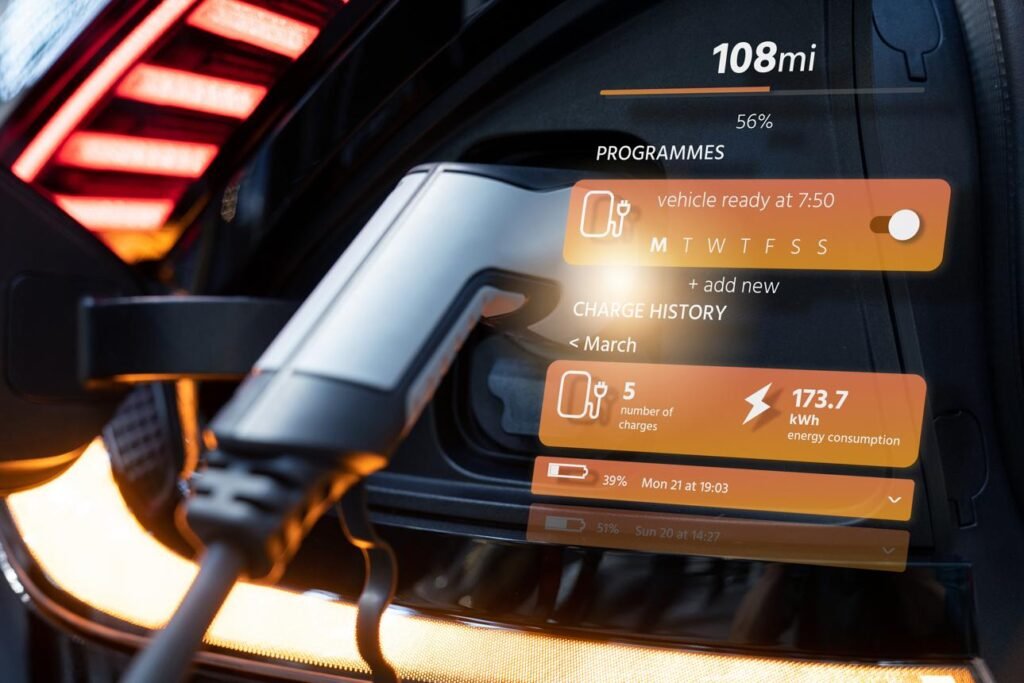
Many charging networks collect more than simple electricity usage data.
Depending on the provider and how the charging session is initiated, information may include:
- Customer names
- Email addresses
- Mobile phone numbers
- Vehicle registration numbers
- Charging histories
- Account credentials
- Payment details
- Charging locations
- Energy consumption records
- Mobile app data
Drivers using subscription services and charging apps typically provide far more information than those making one-off contactless payments.
Why Is Charging Data Valuable To Criminals?
Cyber criminals increasingly target organisations that store large amounts of customer information.
A charging network operator may possess thousands or even millions of records containing:
- Personal details
- Billing information
- Vehicle usage patterns
- Location histories
- Login credentials
This information can be used for identity theft, phishing attacks, account takeovers and fraud.
Location data can be particularly valuable. Charging records may reveal commuting routes, workplace locations and travel habits, providing useful intelligence for criminals conducting wider social engineering attacks.
How Could Hackers Access Charging Data?
Attacking Central Management Systems
Most charging stations are connected to cloud-based management platforms.
Rather than targeting individual chargers, attackers often focus on backend systems that manage:
- Customer databases
- Payment processing
- User accounts
- Charger management
- Operational monitoring
A successful compromise of a central platform could expose data from thousands of charging stations simultaneously.

Exploiting Software Vulnerabilities
Like any connected technology, charging infrastructure relies on software.
If vulnerabilities exist within:
- Charger firmware
- Web portals
- Mobile applications
- Cloud platforms
Attackers may exploit them to gain unauthorised access to systems and data.
Regular software updates are essential for reducing these risks.
Credential Theft
Many cyber attacks begin with stolen usernames and passwords.
Weak passwords, reused credentials or successful phishing campaigns can provide attackers with access to customer accounts and administrative systems.
In many cases, criminals do not need sophisticated hacking tools. They simply wait for somebody to use the same password they have already used on seventeen other websites. Humanity remains remarkably committed to helping attackers wherever possible.
Are Public Charging Networks At Risk?
Public charging infrastructure presents a larger attack surface because multiple systems work together behind the scenes.
This is one reason why the article Are Public Charging Networks Secure? examines the growing cyber security challenges facing public charging providers.
Public networks often involve:
- Mobile applications
- Payment processors
- Customer portals
- Third-party service providers
- Cloud management systems
Each connection creates another potential route for attackers.
Could Payment Details Be Stolen?
Direct Payment Systems
Most modern charging providers use secure payment technologies similar to those used throughout the retail sector.
Payment card information is usually encrypted and protected through established financial security standards.
However, attackers may focus on associated systems rather than the payment terminal itself.
Stored Customer Information
Greater risks often arise when customers save:
- Payment cards
- Billing details
- Account credentials
Within charging network accounts.
If the provider experiences a breach, stored information could potentially be exposed.
Smart Charging Increases Data Collection
The growth of smart charging introduces additional data flows between vehicles, charging stations and energy providers.
Smart charging platforms may collect information regarding:
- Charging schedules
- Electricity tariffs
- Vehicle battery status
- User preferences
- Energy demand patterns
As discussed in What Cyber Risks Are Associated With Smart Charging?, every new connected feature creates additional security considerations.
Smart charging offers major benefits, but those benefits must be balanced with strong cyber security controls.

- Multiple Display Modes – The external screen for laptop supports three display modes: Duplicated Mode, Extended Mode and…
- Plug and Play – The portable monitor for laptop does not require drivers and installation applications, and you only nee…
- Wide Compatibility – The laptop monitor extender is compatible with a wide range of laptops (14-17 inches) and supports …
What About Home EV Chargers?
Home charging systems are often connected to:
- Home Wi-Fi networks
- Cloud management platforms
- Smartphone applications
- Smart home devices
This creates potential opportunities for attackers if vulnerabilities exist.
The risks are explored further in Can Electric Cars Be Used as a Route Into Home Networks?, where interconnected systems can create unexpected security challenges.
Fortunately, reputable manufacturers increasingly build security protections into modern home chargers.
How Do Charging Operators Protect Customer Data?
Encryption
Most established charging providers use encryption to secure communications between:
- Charging stations
- Mobile apps
- Backend platforms
- Payment processors
Encryption helps prevent data being intercepted while it is transmitted.
Security Monitoring
Many operators deploy:
- Threat detection systems
- Security monitoring platforms
- Vulnerability management programmes
- Incident response teams
These measures help identify suspicious activity before it develops into a major breach.
Software Maintenance
Keeping systems updated remains one of the most effective defences against cyber attacks.
Regular security patches help close vulnerabilities before criminals can exploit them.

How Drivers Can Protect Their Own Information
Drivers can take several practical steps to reduce risk.
Use Strong Passwords
Create unique passwords for charging accounts and avoid reusing credentials from other services.
Enable Multi-Factor Authentication
Where available, multi-factor authentication adds an additional layer of security.
Keep Applications Updated
Install updates promptly to benefit from the latest security improvements.
Monitor Accounts Regularly
Review charging activity and payment records for signs of suspicious behaviour.
Stay Alert For Phishing Attempts
Attackers may use stolen information to send convincing emails or messages that appear to come from legitimate charging providers.
See the EV Charger Cyber Security Assessment – Assess cyber risks linked to your home or workplace EV charger — WiFi, app control, default passwords, firmware and shared access.
Could Large-Scale Data Breaches Happen?
Like any organisation that stores customer information, charging network operators remain potential targets.
A large-scale breach could expose:
- Customer records
- Charging histories
- Contact information
- Payment-related data
- Operational information
This is why cyber security has become a major focus throughout the EV sector and why articles such as Can EV Chargers Be Hacked? and Could Hackers Disable EV Charging Infrastructure? are becoming increasingly relevant.

Final Thoughts
Yes, hackers can potentially steal data from EV charging stations and the networks that support them. In most cases, the greatest risk comes not from the physical charger itself but from the cloud platforms, customer databases, mobile apps and payment systems connected to it.
The good news is that reputable charging providers invest heavily in encryption, monitoring and security controls. As EV adoption continues to grow across the UK, protecting customer data is becoming just as important as delivering reliable charging services.
The challenge for operators is keeping security measures evolving as quickly as the technology itself. History suggests attackers rarely take a day off simply because a company has installed more charging points.
What Information Do EV Charging Stations Collect?
Many charging networks collect more than simple electricity usage data.
Depending on the provider and how the charging session is initiated, information may include:
- Customer names
- Email addresses
- Mobile phone numbers
- Vehicle registration numbers
- Charging histories
- Account credentials
- Payment details
- Charging locations
- Energy consumption records
- Mobile app data
Drivers using subscription services and charging apps typically provide far more information than those making one-off contactless payments.

- Custom three-capsule array: This professional microphone produces clear, powerful, broadcast-quality sound for YouTube v…
- Blue VO!CE software: Elevate your streamings and recordings with clear broadcast vocal sound and entertain your audience…
- Four pickup patterns: Flexible cardioid, omni, bidirectional, and stereo pickup patterns allow you to record in ways tha…
Why Is Charging Data Valuable To Criminals?
Cyber criminals increasingly target organisations that store large amounts of customer information.
A charging network operator may possess thousands or even millions of records containing:
- Personal details
- Billing information
- Vehicle usage patterns
- Location histories
- Login credentials
This information can be used for identity theft, phishing attacks, account takeovers and fraud.
Location data can be particularly valuable. Charging records may reveal commuting routes, workplace locations and travel habits, providing useful intelligence for criminals conducting wider social engineering attacks.
Do you want to know more about EV Charger Cyber Security?
How Could Hackers Access Charging Data?
Attacking Central Management Systems
Most charging stations are connected to cloud-based management platforms.
Rather than targeting individual chargers, attackers often focus on backend systems that manage:
- Customer databases
- Payment processing
- User accounts
- Charger management
- Operational monitoring
A successful compromise of a central platform could expose data from thousands of charging stations simultaneously.
5
Exploiting Software Vulnerabilities
Like any connected technology, charging infrastructure relies on software.
If vulnerabilities exist within:
- Charger firmware
- Web portals
- Mobile applications
- Cloud platforms
Attackers may exploit them to gain unauthorised access to systems and data.
Regular software updates are essential for reducing these risks.
Credential Theft
Many cyber attacks begin with stolen usernames and passwords.
Weak passwords, reused credentials or successful phishing campaigns can provide attackers with access to customer accounts and administrative systems.
In many cases, criminals do not need sophisticated hacking tools. They simply wait for somebody to use the same password they have already used on seventeen other websites. Humanity remains remarkably committed to helping attackers wherever possible.
Are Public Charging Networks At Risk?
Public charging infrastructure presents a larger attack surface because multiple systems work together behind the scenes.
This is one reason why the article Are Public Charging Networks Secure? examines the growing cyber security challenges facing public charging providers.
Public networks often involve:
- Mobile applications
- Payment processors
- Customer portals
- Third-party service providers
- Cloud management systems
Each connection creates another potential route for attackers.

- Back-UPS BX provides guaranteed power and surge protection for desktop computers, wireless networks, gaming consoles and…
- 700 VA/390 Watts – Automatic Voltage Regulation (AVR)
- PowerShute shutdown software – USB Connector
Could Payment Details Be Stolen?
Direct Payment Systems
Most modern charging providers use secure payment technologies similar to those used throughout the retail sector.
Payment card information is usually encrypted and protected through established financial security standards.
However, attackers may focus on associated systems rather than the payment terminal itself.
Stored Customer Information
Greater risks often arise when customers save:
- Payment cards
- Billing details
- Account credentials
Within charging network accounts.
If the provider experiences a breach, stored information could potentially be exposed.
Smart Charging Increases Data Collection
The growth of smart charging introduces additional data flows between vehicles, charging stations and energy providers.
Smart charging platforms may collect information regarding:
- Charging schedules
- Electricity tariffs
- Vehicle battery status
- User preferences
- Energy demand patterns
As discussed in What Cyber Risks Are Associated With Smart Charging?, every new connected feature creates additional security considerations.
Smart charging offers major benefits, but those benefits must be balanced with strong cyber security controls.

What About Home EV Chargers?
Home charging systems are often connected to:
- Home Wi-Fi networks
- Cloud management platforms
- Smartphone applications
- Smart home devices
This creates potential opportunities for attackers if vulnerabilities exist.
The risks are explored further in Can Electric Cars Be Used as a Route Into Home Networks?, where interconnected systems can create unexpected security challenges.
Fortunately, reputable manufacturers increasingly build security protections into modern home chargers.
How Do Charging Operators Protect Customer Data?
Encryption
Most established charging providers use encryption to secure communications between:
- Charging stations
- Mobile apps
- Backend platforms
- Payment processors
Encryption helps prevent data being intercepted while it is transmitted.
Security Monitoring
Many operators deploy:
- Threat detection systems
- Security monitoring platforms
- Vulnerability management programmes
- Incident response teams
These measures help identify suspicious activity before it develops into a major breach.
Software Maintenance
Keeping systems updated remains one of the most effective defences against cyber attacks.
Regular security patches help close vulnerabilities before criminals can exploit them.
How Drivers Can Protect Their Own Information
Drivers can take several practical steps to reduce risk.
Use Strong Passwords
Create unique passwords for charging accounts and avoid reusing credentials from other services.
Enable Multi-Factor Authentication
Where available, multi-factor authentication adds an additional layer of security.

- Installs in circuit panel of most small businesses with clamp-on sensors. Supports Single phase, Single-split phase, and…
- 24/7 Energy Management and Monitoring: Automate and monitor your business’ real power anywhere, anytime to prevent costl…
- Lower Your Electric Bill: Configure settings in the Emporia Energy App to automate energy management for time of use, pe…
Keep Applications Updated
Install updates promptly to benefit from the latest security improvements.
Monitor Accounts Regularly
Review charging activity and payment records for signs of suspicious behaviour.
Stay Alert For Phishing Attempts
Attackers may use stolen information to send convincing emails or messages that appear to come from legitimate charging providers.
Could Large-Scale Data Breaches Happen?
Like any organisation that stores customer information, charging network operators remain potential targets.
A large-scale breach could expose:
- Customer records
- Charging histories
- Contact information
- Payment-related data
- Operational information
This is why cyber security has become a major focus throughout the EV sector and why articles such as Can EV Chargers Be Hacked? and Could Hackers Disable EV Charging Infrastructure? are becoming increasingly relevant.
Final Thoughts
Yes, hackers can potentially steal data from EV charging stations and the networks that support them. In most cases, the greatest risk comes not from the physical charger itself but from the cloud platforms, customer databases, mobile apps and payment systems connected to it.
The good news is that reputable charging providers invest heavily in encryption, monitoring and security controls. As EV adoption continues to grow across the UK, protecting customer data is becoming just as important as delivering reliable charging services.
The challenge for operators is keeping security measures evolving as quickly as the technology itself. History suggests attackers rarely take a day off simply because a company has installed more charging points.
Also see: Best Energy Suppliers For EV Owners In The UK at powerguardian.co.uk