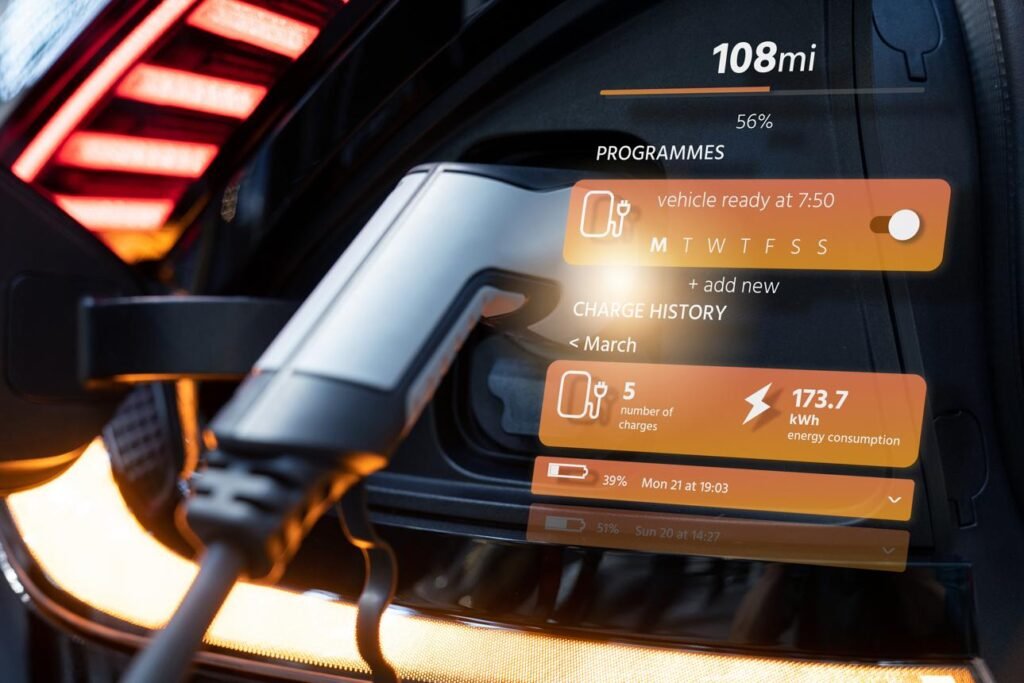
Electric vehicles are no longer just cars. Modern EVs are effectively rolling computers containing dozens of processors, wireless connections, mobile apps, cloud services and software updates.
That raises an important cyber security question: can an electric car provide a route into a home’s network?
The short answer is that it is theoretically possible, but significantly harder than many headlines suggest. Most modern EVs are designed with multiple layers of separation between vehicle systems, charging equipment and home networks. However, any connected device can introduce cyber risks if it is poorly configured or compromised.
As more UK households install smart chargers, vehicle-to-home technology and connected energy management systems, understanding these risks becomes increasingly important.
Why Electric Cars Are Connected Devices
Modern EVs communicate with multiple external systems simultaneously.
Typical EV Connections Include
- Manufacturer cloud platforms
- Smartphone applications
- Home Wi-Fi networks
- Bluetooth devices
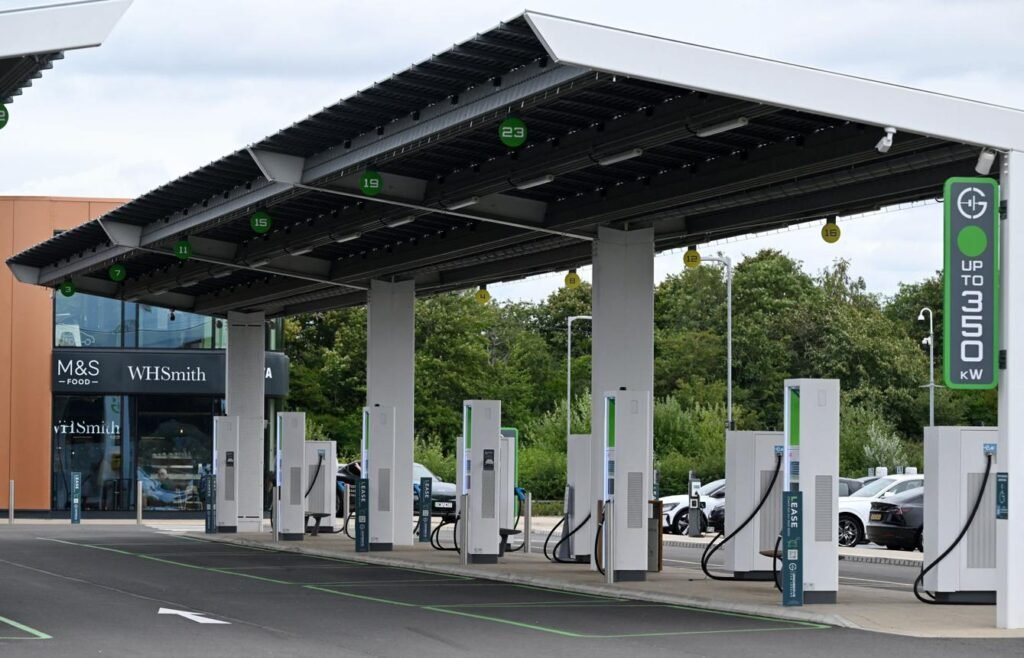
- Charging stations
- Navigation services
- Vehicle diagnostics systems
- Over-the-air software updates
Each connection creates convenience for drivers, but also increases the overall attack surface that cyber criminals could potentially target.
This is one reason why questions such as Can EV Chargers Be Hacked? are becoming more important as EV adoption grows across the UK.

- Installs in circuit panel of most small businesses with clamp-on sensors. Supports Single phase, Single-split phase, and…
- 24/7 Energy Management and Monitoring: Automate and monitor your business’ real power anywhere, anytime to prevent costl…
- Lower Your Electric Bill: Configure settings in the Emporia Energy App to automate energy management for time of use, pe…
Could Hackers Reach a Home Network Through an EV?
In theory, yes.
In practice, it is difficult and would require several vulnerabilities to be exploited successfully.
Most vehicles do not provide direct unrestricted access to a home’s network. However, researchers have demonstrated scenarios where weaknesses in connected vehicle systems could potentially be used as part of a wider attack chain.
See the EV Charger Cyber Security Assessment – Assess cyber risks linked to your home or workplace EV charger — WiFi, app control, default passwords, firmware and shared access.
Possible Attack Pathways
A sophisticated attacker might attempt to compromise:
- The vehicle’s mobile application
- The charging station
- Vehicle telematics services
- Connected home energy systems
- Wireless communication channels
Rather than attacking the vehicle itself, criminals are often more interested in exploiting connected devices surrounding the vehicle.
The smart charger is frequently viewed as the more realistic target because it sits between the vehicle and the home network.
Smart Chargers Often Present Greater Risks

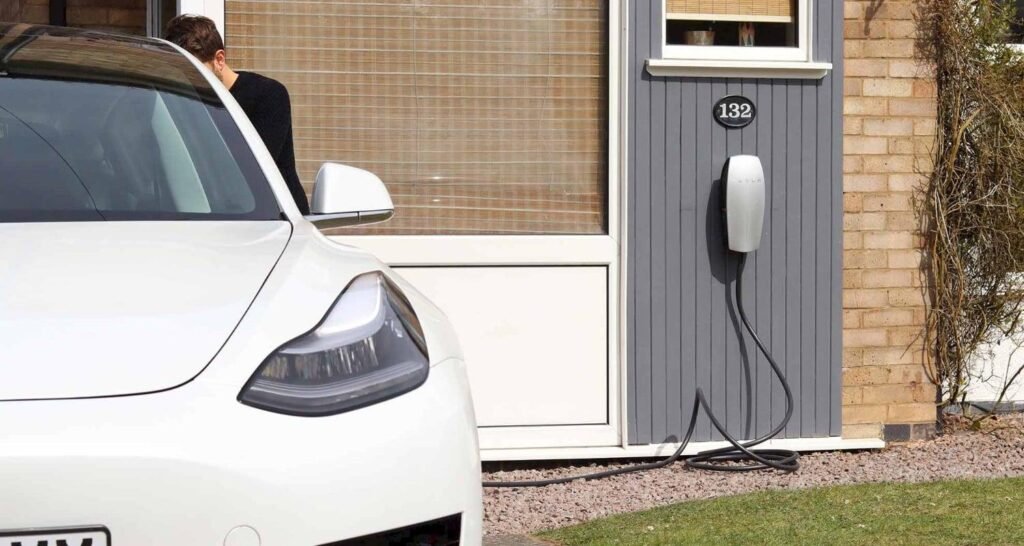
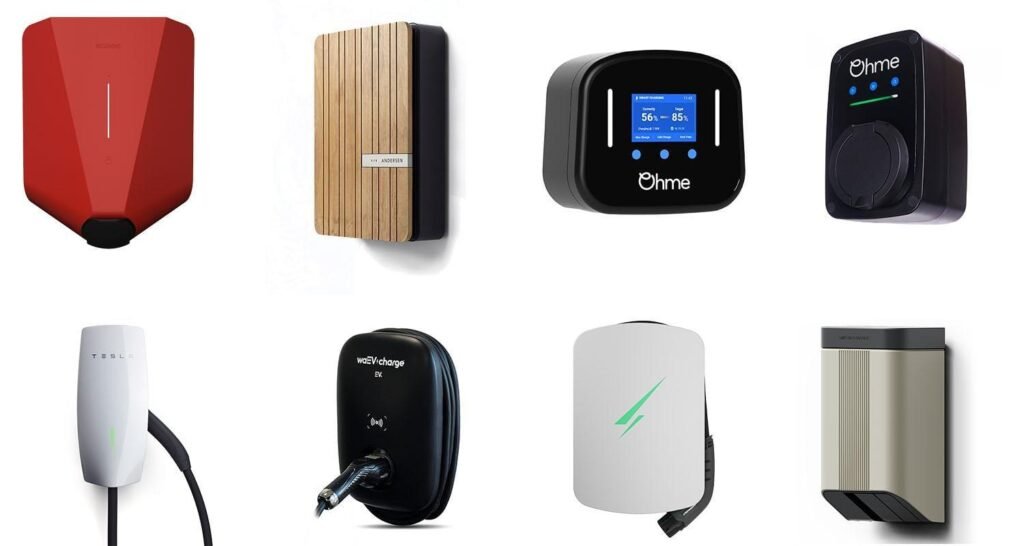
Many home EV chargers connect directly to household Wi-Fi networks.
These devices often feature:
Internet Connectivity
Smart chargers communicate with manufacturers’ cloud platforms for monitoring, billing and remote control.
Mobile App Management
Owners can schedule charging sessions and monitor electricity usage remotely.
Energy Optimisation
Some chargers integrate with solar panels, batteries and smart home systems.
See our Solar & Battery Cyber Security Checker Tool
While these features are useful, they also create additional cyber security considerations.
A vulnerable charger could theoretically become an entry point into a wider network, particularly if poor passwords or outdated firmware are used.
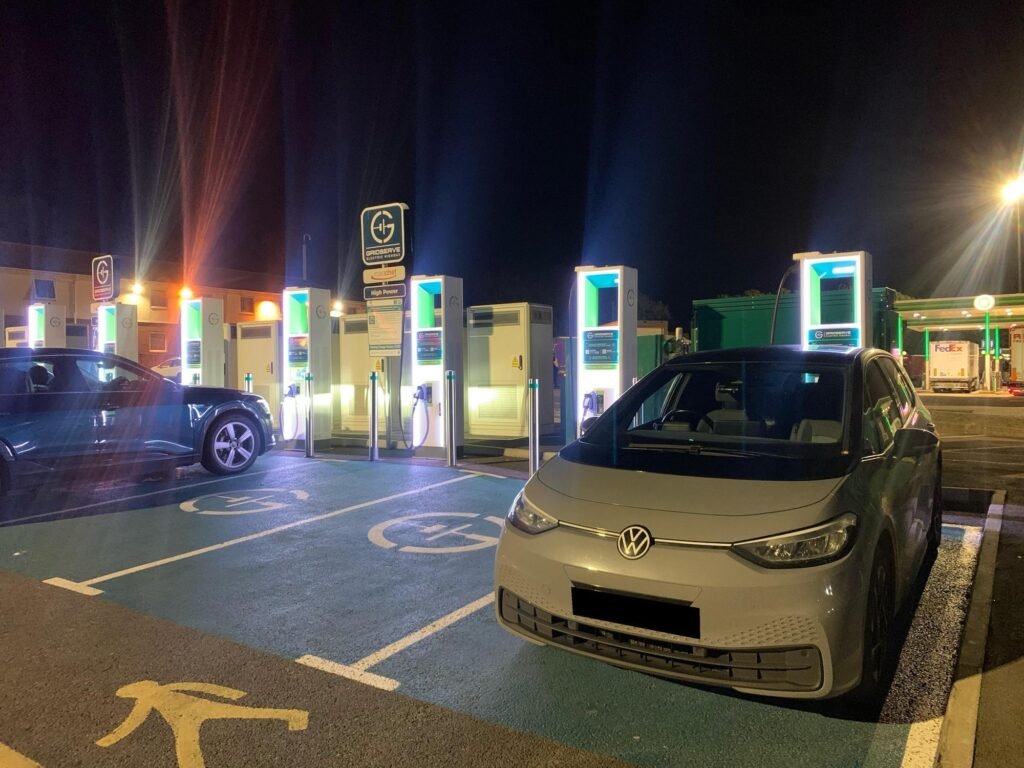
This links closely to concerns raised in Are Public Charging Networks Secure? because many charging platforms rely on the same underlying technologies.
Vehicle-to-Home Technology Creates New Considerations
Vehicle-to-home (V2H) systems allow EV batteries to power household appliances during outages or periods of expensive electricity.
Vehicle-to-grid (V2G) technology goes even further by allowing vehicles to exchange electricity with the wider power grid.
More Connectivity Means More Complexity
These systems often connect:
- Electric vehicles
- Smart chargers
- Home energy management platforms
- Solar inverters
- Battery storage systems
- Utility providers
Each additional connection increases the importance of strong cyber security controls.
The technology itself is not inherently unsafe, but larger interconnected systems require careful protection.
What Have Security Researchers Found?
Researchers worldwide have identified vulnerabilities in:
- Vehicle mobile apps
- Charging management software
- Fleet management platforms
- Third-party connected services
Most discovered flaws have been patched before being widely exploited.
Importantly, there are very few publicly known incidents where hackers successfully used an EV as a gateway into a domestic network and then conducted broader attacks.
That does not mean the risk is zero.
It means manufacturers have generally been effective at addressing vulnerabilities before large-scale exploitation occurs.
Connected Homes Create Larger Ecosystems

Many EV owners also use:
- Smart thermostats
- Smart meters
- Solar monitoring systems
- Home batteries
- Security cameras
- Voice assistants
The combined ecosystem can become extensive.
A cyber criminal may not care whether the entry point is an EV, charger, camera or smart thermostat. Their goal is usually to find the weakest connected device.
This is why understanding Can Hackers Access Smart Home Energy Devices? and Are Smart Meters a Cyber Security Risk? is increasingly relevant for modern households.
How Manufacturers Reduce EV Cyber Risks
Vehicle manufacturers invest heavily in cyber security.
Security Controls Commonly Used
- Secure software development
- Encrypted communications
- Digital certificate validation
- Secure boot processes
- Intrusion detection systems
- Regular software updates
- Network segmentation
Many vehicle systems are isolated from safety-critical functions, making remote compromise significantly more difficult.
This separation helps prevent an attacker from moving freely through the vehicle’s internal networks.
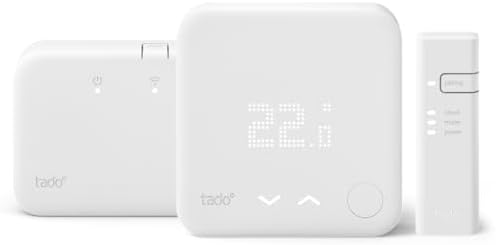
- Full control over your heating with the tado° app from anywhere, reduce your energy consumption and save money with the …
- Heating Boost: heat up all rooms for 30 minutes with one click in the app
- Smart Schedules for the perfect temperature individually in each room, at any time; only active when someone’s home; can…
How Homeowners Can Reduce Risks
The good news is that most risks can be reduced through simple security measures.
Keep Software Updated
Install updates for:
- Vehicles
- Charging stations
- Mobile applications
- Home routers
Manufacturers frequently release security patches.
Also see: Best Energy Suppliers For EV Owners In The UK at powerguardian.co.uk
Use Strong Passwords
Avoid default credentials on chargers and connected devices.
Use unique passwords and a password manager where possible.
Enable Multi-Factor Authentication
If your charger or vehicle app supports MFA, enable it.
Separate Smart Devices
Consider placing smart home and IoT devices on a guest network or separate VLAN.
This limits potential movement if one device is compromised.
Secure Your Home Router
A secure router often provides the strongest protection for every connected device in the home.
More guidance can be found in How Can Homeowners Secure Smart Energy Systems?
The Reality of EV Cyber Security Risks
Electric cars can theoretically be used as part of an attack path into connected home environments, but they are not currently viewed as a major entry point for cyber criminals.
In many cases, smart chargers, poorly secured IoT devices or weak home network configurations present greater risks than the vehicle itself.
As EVs become increasingly integrated with smart homes, renewable energy systems and the electricity grid, cyber security will remain an important consideration. The technology is generally secure when maintained properly, but like every internet-connected device, it benefits from regular updates, strong authentication and sensible network security practices.
The real lesson is simple: your electric car is not just a vehicle anymore. It is another computer on your network. Humanity finally built cars that receive software patches while parked on the driveway. Somehow that sounded less ridiculous than fixing potholes.