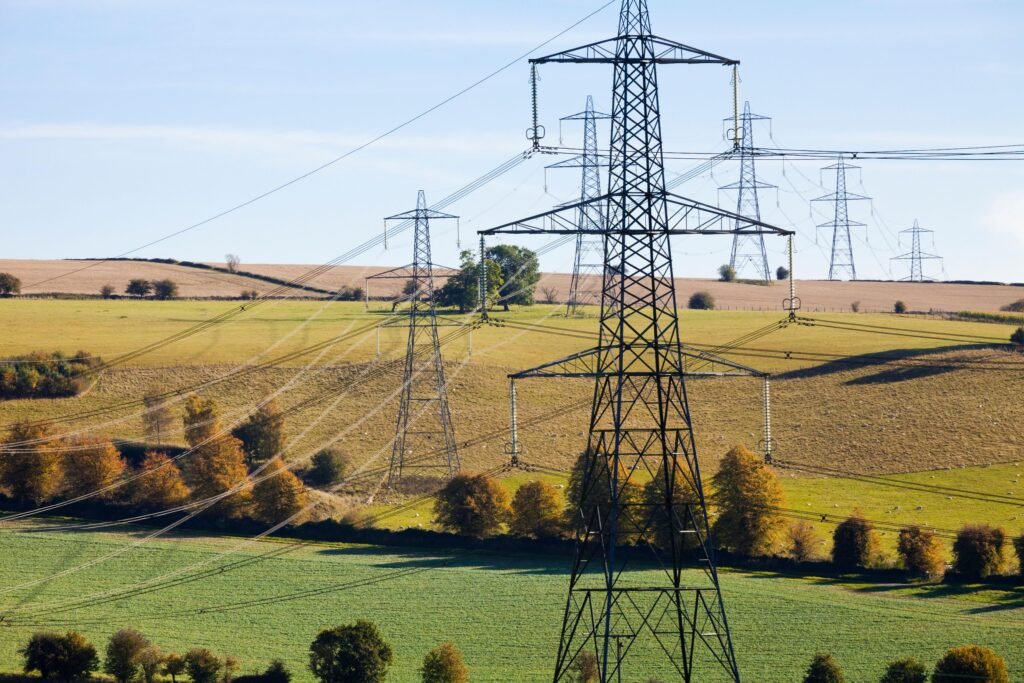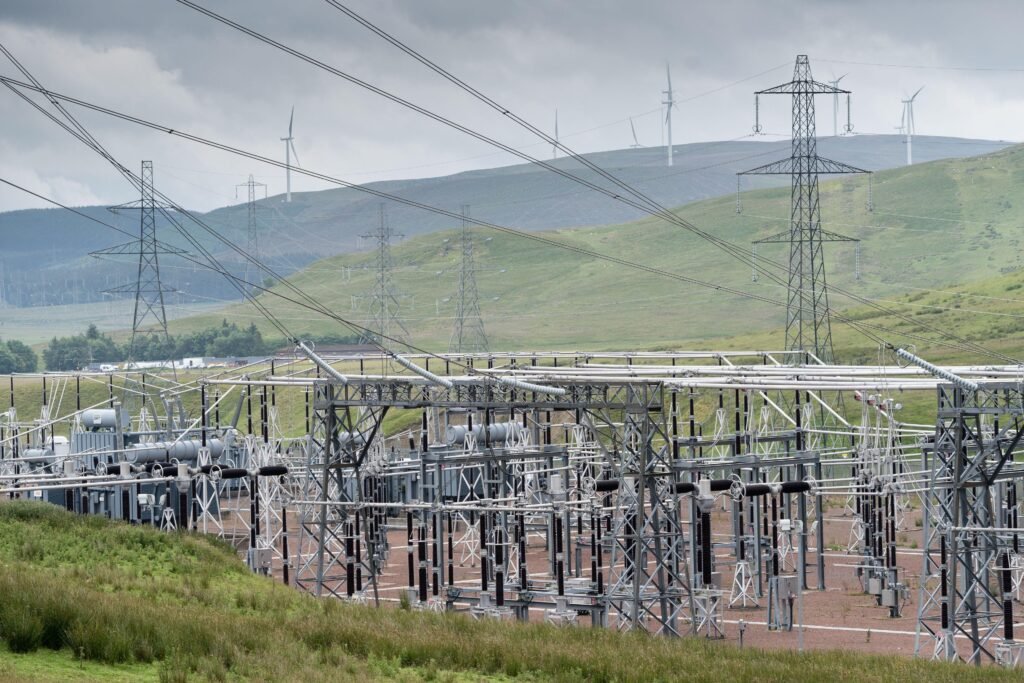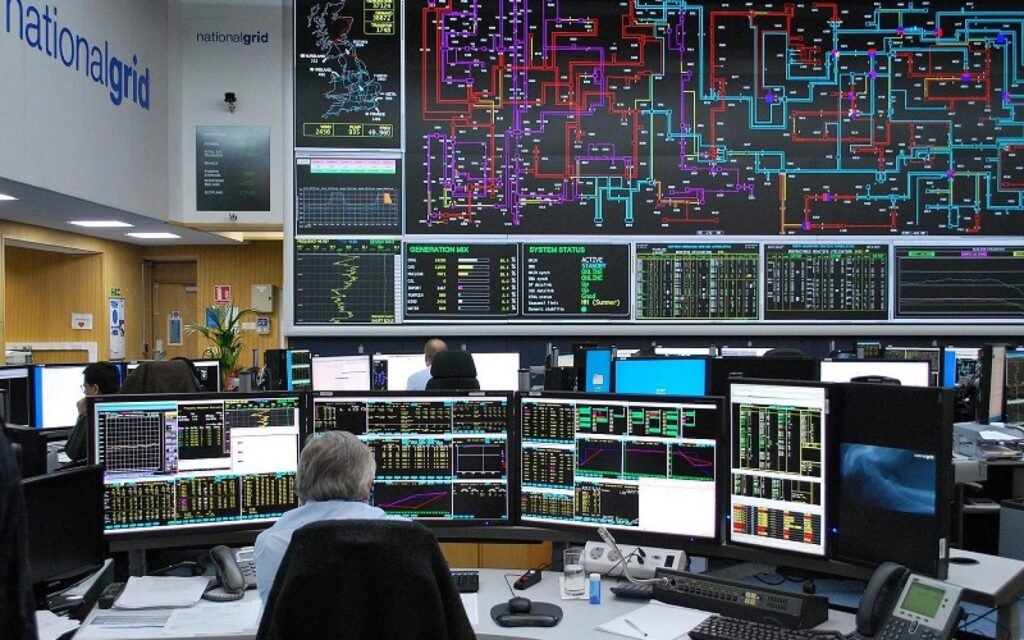
The UK’s energy system is no longer just pipes, wires and power stations. It is now a heavily connected digital network made up of smart meters, cloud systems, remote monitoring platforms, AI forecasting tools, EV charging infrastructure and automated control systems. Which means a cyber attack can now disrupt electricity, gas, fuel distribution or renewable generation without a single physical intruder stepping inside a building. Humanity really did decide to connect the national power supply to the internet and then acted surprised when criminals noticed.
Cyber security has become one of the most important parts of UK energy security. Without it, the country faces risks ranging from fuel shortages and power outages to rising household bills and national infrastructure disruption.
Why The UK Energy Sector Is A Major Cyber Target
The UK energy industry controls critical national infrastructure. That means cyber criminals, hostile states and organised ransomware groups see it as a high-value target.
Modern energy infrastructure now relies on:
- Industrial control systems (ICS)
- Operational technology (OT)
- Smart grids
- Remote access systems
- Cloud management platforms
- Smart meters
- Automated substations
- Connected EV charging networks
- AI-based energy balancing systems
Every connected device increases efficiency, but also increases attack surfaces.
The UK Government classifies energy as Critical National Infrastructure (CNI). According to the UK National Cyber Security Centre, attacks against infrastructure operators have continued to rise in sophistication, especially following geopolitical tensions involving Russia and growing global cyber warfare concerns.
The reality is simple:
- No electricity means major economic disruption
- No fuel distribution affects transport and supply chains
- No operational gas systems can impact heating and industry
- No trust in energy infrastructure damages investment and public confidence
Cyber security is therefore no longer just an IT department issue. It is part of national resilience.

- COMPATIBILITY: This is * Firewalla Purple SE*. The IPS functionality is limited to 500 Mbits. This device can be a route…
- COMPLETE CYBERSECURITY PROTECTION – Firewalla’s unique intrusion prevention system (IDS and IPS) protects all of your ho…
- PARENTAL CONTROL AND FAMILY PROTECT – The days of pulling the power cord from the dusty old router are behind you; with …
How Cyber Attacks Could Impact UK Energy Supplies
Attacks On Electricity Networks
The UK electricity grid depends on thousands of interconnected digital systems.
If attackers gained access to grid management systems, they could potentially:
- Disrupt regional power distribution
- Cause voltage instability
- Interrupt balancing systems
- Disable monitoring platforms
- Delay fault response times
Large-scale national blackouts remain unlikely because of multiple safeguards, but regional disruption is entirely plausible.
The most worrying issue is that attackers do not necessarily need to destroy infrastructure. Even temporary disruption can create major economic consequences.
A short outage affecting transport, hospitals, businesses and communications can cost millions of pounds.
Ransomware Against Energy Companies
Ransomware has become one of the largest cyber threats facing utilities and energy suppliers.
Attackers encrypt systems and demand payment to restore operations.
In practice, this could affect:
- Billing systems
- Customer portals
- Smart meter management
- Operational scheduling
- Fuel logistics
- Maintenance systems

Several international energy firms have already suffered major incidents over recent years.
The Colonial Pipeline ransomware attack in 2021 caused fuel shortages and panic buying across parts of the United States after operational systems were shut down. The event became a global warning about the vulnerability of fuel infrastructure.
The UK watched closely because similar logistics-based disruption could affect British fuel supplies.
Smart Meter Vulnerabilities
Britain’s rollout of smart meters has modernised energy monitoring, but it has also massively expanded the number of connected devices linked to energy infrastructure.
Millions of endpoints now communicate with suppliers and network systems.
The good news is that UK smart meter infrastructure includes encryption and security standards. The bad news is that large connected ecosystems always attract attackers because even minor weaknesses can scale quickly.
Potential risks include:
- Data interception
- Device manipulation
- Fraud attempts
- Denial-of-service attacks
- Network overload attacks
In reality, widespread smart meter sabotage is unlikely, but security maintenance is critical as systems age.
The Growing Risk From State-Sponsored Cyber Activity
Energy infrastructure is considered a strategic target during geopolitical conflict.
Hostile states often probe Western infrastructure looking for vulnerabilities long before any actual conflict occurs.
According to the UK Government Cyber Security Strategy and the NCSC Critical Infrastructure Guidance, nation-state cyber threats remain one of the most serious risks facing infrastructure operators.

- Works with 1000+ Accounts: Compatible with Google, Microsoft, and Apple. A single Security Key NFC secures 100 of your f…
- Fast & Convenient Login: Plug in your Security Key NFC via USB and tap it, or tap it against your phone (NFC) to authent…
- Trusted Passkey Technology: Uses the latest passkey standards (FIDO2/WebAuthn & FIDO U2F) but does not support One-Time …
Why Energy Infrastructure Matters To Foreign Adversaries
Energy systems influence:
- Economic stability
- Public confidence
- Transport
- Defence capability
- Communications
- Industrial production
Disrupting energy infrastructure creates fear quickly because modern societies depend on continuous power availability.
The concern is not always immediate attacks either.
Sometimes the objective is:
- Intelligence gathering
- Long-term persistence inside networks
- Mapping infrastructure
- Preparing future attack capability
Which sounds like a spy thriller until you remember most of the infrastructure still relies on old systems patched together over decades by contractors who probably inherited passwords from someone who retired in 2009.
Renewable Energy And New Cyber Risks
Wind Farms And Solar Infrastructure
Renewable energy infrastructure introduces additional cyber exposure because many systems are remotely monitored and controlled.
This includes:
- Offshore wind farms
- Solar farms
- Battery storage facilities
- Smart balancing systems
Many renewable assets rely on cloud-connected operational systems for efficiency and predictive maintenance.

If attackers disrupted communications or operational management systems, energy generation forecasting and balancing could become more difficult.
The UK’s transition towards decentralised energy systems increases resilience in some ways but also increases cyber complexity.
EV Charging Networks
Public EV charging infrastructure is becoming increasingly connected.
Many charging stations rely on:
- Cloud billing platforms
- Mobile applications
- Payment systems
- Remote management tools
Security flaws could theoretically allow:
- Payment fraud
- Service disruption
- Customer data theft
- Network outages
As EV adoption rises, charging infrastructure effectively becomes part of the wider energy ecosystem.
Real World Cyber Security Challenges Facing UK Energy Firms
Legacy Systems
One of the biggest problems is that many energy companies still operate ageing industrial systems.
Operational technology often remains in service for decades.
These systems were not originally designed for internet connectivity or modern cyber threats.
Common problems include:
- Unsupported software
- Weak authentication
- Outdated firmware
- Limited monitoring visibility
- Poor network segmentation
Replacing infrastructure is expensive and slow, which means firms often layer modern digital systems onto old foundations.
A bit like renovating a Victorian house by adding smart lighting while the wiring underneath quietly contemplates starting a fire.
Supply Chain Risks
Energy companies also rely heavily on third-party suppliers.
This includes:
- IT contractors
- Software vendors
- Cloud providers
- Hardware manufacturers
- Maintenance firms
An attacker only needs one weak link.
Supply chain attacks have become increasingly common because smaller contractors may have weaker cyber security than the major infrastructure operators themselves.
Staff Awareness And Human Error
Many breaches still begin with:
- Phishing emails
- Weak passwords
- Misconfigured systems
- Accidental exposure
- Unsafe remote access
Human error remains one of the biggest cyber risks across all sectors, including energy.
Training and operational discipline matter just as much as technical security tools.
How The UK Protects Energy Infrastructure
National Cyber Security Centre (NCSC)
The National Cyber Security Centre plays a major role in protecting UK infrastructure.
It provides:
- Threat intelligence
- Security guidance
- Incident response support
- Infrastructure protection advice
- Vulnerability alerts
The NCSC works closely with energy providers and government departments.
Ofgem And Regulatory Oversight
Ofgem also expects energy operators to maintain strong resilience and operational security standards.
Energy firms increasingly face pressure to demonstrate:
- Incident response readiness
- Data protection compliance
- Operational resilience
- Disaster recovery capability
- Supply chain security
Cyber security spending has therefore become a core operational requirement rather than an optional extra.
Could Cyber Attacks Increase UK Energy Bills?
Indirectly, yes.
Cyber attacks can increase costs through:
- Operational disruption
- Recovery expenses
- Insurance premiums
- Regulatory penalties
- Infrastructure upgrades
- Customer compensation
Those costs often filter through the wider system over time.
Insurance costs for critical infrastructure operators have already risen sharply because insurers recognise the growing cyber risk.
Some firms also invest heavily in:
- Security operations centres
- Continuous monitoring
- Penetration testing
- Threat detection
- Backup infrastructure
All of this improves resilience, but resilience is expensive.
Why Cyber Security Will Become Even More Important
The UK energy system is becoming more digital every year.
Future technologies include:
- AI-controlled balancing
- Smart homes
- Vehicle-to-grid systems
- Dynamic energy pricing
- Smart appliances
- Distributed storage
- Automated demand response
Each innovation creates efficiencies, but also expands cyber exposure.
The transition to cleaner and smarter energy systems therefore depends heavily on robust cyber security.
Without trust and resilience, public confidence in modern energy systems weakens.
Final Thoughts
Cyber security is now inseparable from UK energy security.
Protecting power stations alone is no longer enough. The real battlefield increasingly involves software, networks, operational technology and connected infrastructure.
A successful attack may not need explosions or physical sabotage. Disrupting digital systems can be enough to cause economic damage, supply issues and public panic.
The UK has improved its cyber resilience significantly through organisations such as the National Cyber Security Centre, but threats continue to evolve rapidly.
As Britain expands renewable energy, smart grids and AI-driven infrastructure, cyber security will become even more critical.
Because apparently humanity decided the best way to run national infrastructure was to connect everything together permanently and hope nobody malicious noticed. A bold strategy. Exhausting, but bold.
Accelerate Your Learning
We have created Professional High Quality Downloadable PDF’s at great prices for UK Businesses provided to you from our main website. Which include various helpful Cyber related documents and real world scenarios your business might experience, showing what to do and how to protect your business. Find them here.