In short: no, the UK is not completely at the mercy of AI‑driven cyber attacks – but AI has made the threat landscape more dangerous, faster and harder to manage, and it is forcing UK defenders into a permanent arms race.
AI is now used on both sides:
- Attackers use AI to scale and sharpen their operations.
- Defenders use AI to detect, block and respond far faster than humans alone ever could.
The balance is not hopeless, but it is fragile, and it depends heavily on how quickly the UK continues to invest in cyber defence, skills and infrastructure.
How AI Is Changing Cyber Attacks Against the UK
Smarter, Scalable Attacks
AI allows hostile actors – from cyber criminals to state‑sponsored groups – to:
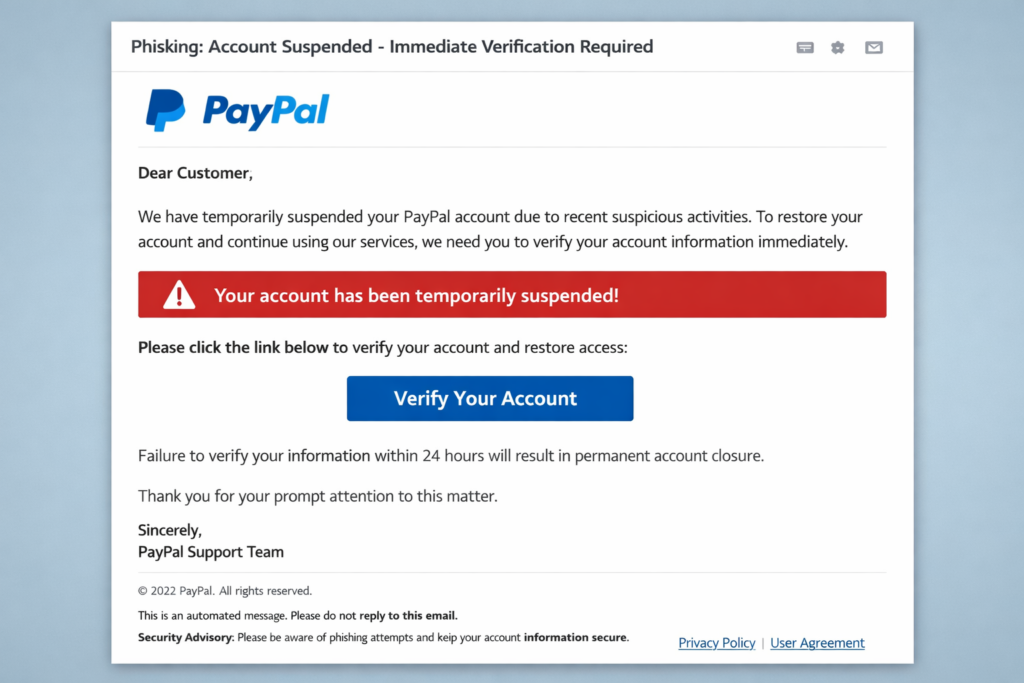
- Automate phishing at scale:
AI can generate highly convincing emails in perfect English, tailored to specific individuals using data from social media and breached databases.
The National Cyber Security Centre (NCSC) notes that generative AI has made phishing “harder to spot and easier to launch” for low‑skilled attackers.
NCSC Annual Review 2023: https://www.ncsc.gov.uk/section/publications/annual-review - Create deepfake audio and video:
In 2024, UK firms reported cases of fraudsters using AI‑cloned voices of executives to authorise bogus transfers.
The NCSC has repeatedly warned that deepfakes pose a growing risk to business and political processes. - Probe networks faster:
Machine‑learning tools can scan for vulnerabilities across millions of IP addresses, learning from failed attempts and shifting attack patterns in real time.
Professor Alan Woodward, cyber security expert at the University of Surrey, told Sky News (2024):
“AI is the great accelerator. It lowers the skill threshold – you no longer need to be a genius hacker to do serious damage.”
How Often Are AI‑Driven Attacks Hitting the UK?
Attacks Are Constant – and Increasing
- The NCSC handled over 2,000 significant cyber incidents between 2020 and 2023, with a growing proportion showing signs of automation or AI‑style tooling.
- The 2024 DCMS Cyber Security Breaches Survey reported that about a third of UK businesses experienced a cyber attack or breach in the last 12 months, with phishing the most common entry point.
DCMS survey: https://www.gov.uk/government/statistics/cyber-security-breaches-survey-2024
While not every attack uses advanced AI, automation and machine learning are increasingly baked into attack kits sold on the dark web. For defenders, it feels less like dealing with a handful of adversaries and more like dealing with a relentless, self‑adapting swarm.

What Is the UK Doing to Defend Itself with AI?
AI‑Assisted Threat Detection
The UK relies heavily on AI and machine learning to monitor and defend networks:
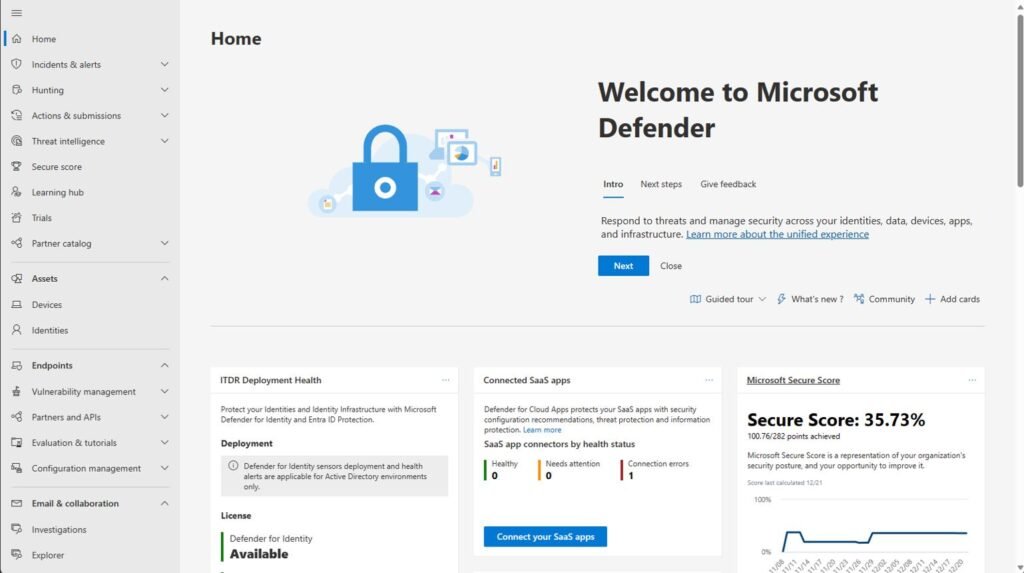
- NCSC and GCHQ use anomaly‑detection systems that learn what “normal” traffic looks like on government and critical‑infrastructure networks, and flag anything unusual within seconds.
- UK companies widely deploy products from firms like Darktrace (Cambridge‑based), whose “self‑learning AI” models network behaviour and autonomously blocks suspicious activity.
Darktrace says its AI has reduced average incident response time for clients from “hours to minutes”.
In its 2023 review, the NCSC wrote:
“Artificial intelligence offers defenders powerful tools to detect and respond to threats which would overwhelm human analysts alone.”
NCSC AI guidance: https://www.ncsc.gov.uk/collection/artificial-intelligence
Protecting Critical National Infrastructure
Sectors such as energy, water, transport and healthcare increasingly use AI to:
- Spot early signs of intrusion.
- Isolate compromised systems.
- Predict where attackers might strike based on past patterns.
The National Cyber Strategy 2022–2030 places “AI‑enabled cyber defence” at the heart of national security planning.
National Cyber Strategy: https://www.gov.uk/government/publications/national-cyber-strategy-2022
Are Humans Now Just Overseers – or Do We Still Matter?
Human Oversight Is Still Essential
Despite the hype, cyber defence is not fully automated, and it cannot safely be.
- AI systems generate alerts and even take some automated actions, but human analysts validate, tune and investigate.
- The NCSC repeatedly stresses the need for a “human‑in‑the‑loop” approach, especially for critical decisions like isolating parts of the power grid or NHS systems.
Professor Madeline Carr, from UCL’s Department of Computer Science, puts it this way:
“AI is like radar in the Second World War – it spots the incoming threat, but humans still decide how to respond and what’s at stake.”
In practice:
- Humans design the systems, define what “normal” looks like, decide which assets to prioritise and manage incident response and public communication.
- Where AI throws up false positives (flagging legitimate activity as malicious), humans must decide whether to trust or override the machine.
Advertisement
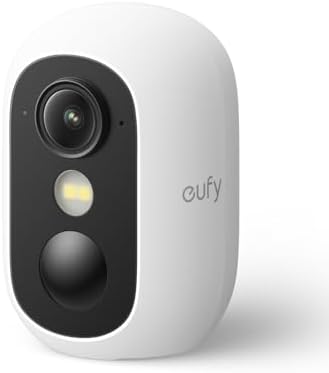
- Effortless security anywhere: Install in seconds – magnetic, hanging, screwed or on a flat surface. Compact, wireless an…
- Always bright colours, even at night: Experience vivid images, even in low light. PureColor Vision gives clear night vis…
- Quick setup with centralized management: Connect and control your devices instantly with HomeBase Mini, your smart secur…
Where Humans Still Outperform AI
AI is fast, but it lacks context, ethics and accountability:
- It cannot reliably understand attacker motivations or political nuance.
- It may miss low‑volume, high‑impact attacks that don’t fit its patterns.
- It can be fooled by adversarial inputs (carefully crafted data designed to mislead the model).
This is why NCSC and the National Cyber Force (NCF) continue to invest heavily in skilled human cyber professionals.
To What Extent Are We “At the Mercy” of AI Attacks?
We’re in a Machine‑Led Arms Race, Not Helpless
From a cynical but realistic standpoint, the UK is deeply exposed to AI‑enabled threats, but it is not defenceless:
- Attackers use AI to scale and sharpen their operations.
- Defenders use AI to contain the damage and close gaps faster than was previously possible.
The balance of power shifts back and forth. When a new AI‑driven exploit appears, defenders scramble to update their own tools. When defensive models improve, attackers probe for fresh blind spots.
The King’s College London Centre for Science and Security Studies described this in 2025 as:
“A continuously escalating contest in which both attackers and defenders are increasingly reliant on machine augmentation. Neither side can surrender the AI advantage without ceding the field.”
KCL cyber policy work: https://www.kcl.ac.uk/research/cybersecurity

Real Risks That Justify Concern
- Critical infrastructure: A successful AI‑enhanced attack on the power grid, water supply, or major hospitals could be highly disruptive.
- Public trust: AI‑generated phishing and deepfakes undermine confidence in digital communication and even democratic processes.
- Skills shortage: The UK still faces a cyber skills gap; the DCMS Cyber Security Skills in the UK Labour Market 2024 report highlighted thousands of unfilled cyber roles.
Skills report: https://www.gov.uk/government/collections/cyber-security-skills-in-the-uk-labour-market
So while we are not “at the mercy” in the sense of being unable to fight back, we are under sustained pressure, and mis‑steps – technical, political or organisational – can have serious consequences.
A Real‑World, Slightly Cynical View
- The UK’s defences are better than most, thanks to NCSC, GCHQ, and a relatively mature cyber industry.
- But AI has made cyber threats cheaper, faster and more widely accessible, meaning the volume and sophistication of attacks will only grow.
- Humans are still crucial – but we are increasingly relegated to strategic and ethical roles, while the day‑to‑day battle is fought at machine speed.
In other words, the UK is not defenceless, but never off duty.
As one anonymous NCSC official was quoted in The Guardian:
“We’re not doomed, but anyone who says we’re comfortably on top of this is kidding themselves. The bad guys are buying GPUs as fast as we are.”
Key References (UK‑Centric, Active Links)
- NCSC Annual Review 2023 – https://www.ncsc.gov.uk/section/publications/annual-review
- NCSC AI Collection – https://www.ncsc.gov.uk/collection/artificial-intelligence
- UK National Cyber Strategy 2022–2030 – https://www.gov.uk/government/publications/national-cyber-strategy-2022
- DCMS Cyber Security Breaches Survey 2024 – https://www.gov.uk/government/statistics/cyber-security-breaches-survey-2024
- DCMS Cyber Security Skills in the UK Labour Market – https://www.gov.uk/government/collections/cyber-security-skills-in-the-uk-labour-market
- King’s College London – Cyber Security Research – https://www.kcl.ac.uk/research/cybersecurity
- Darktrace – Threat Research – https://darktrace.com/en/resources/threat-research
Conclusion: Not Helpless, But Never Safe on Autopilot
- Is the UK at the mercy of AI technology attacks?
No – but we are in constant combat with them, and the threat is rising. - Do humans still count?
Absolutely. AI is a force multiplier, not a replacement for human judgement. Humans still decide strategies, set priorities and clean up after both attacks and automated defences. - What does the future look like?
A permanent AI arms race, where falling behind – technologically, legally or in skills – would quickly make “at the mercy” more than just a dramatic phrase.
For now, the UK’s cyber security depends on how well our humans can teach our machines to fight other people’s machines – and how willing we are to keep investing in both.
Accelerate Your Learning
We have created Professional High Quality Downloadable PDF’s at great prices for UK Businesses provided to you from our main website. Which include various helpful Cyber related documents and real world scenarios your business might experience, showing what to do and how to protect your business. Find them here.